7 Best 50 Amp Transfer Switch For Portable Generator [2026]
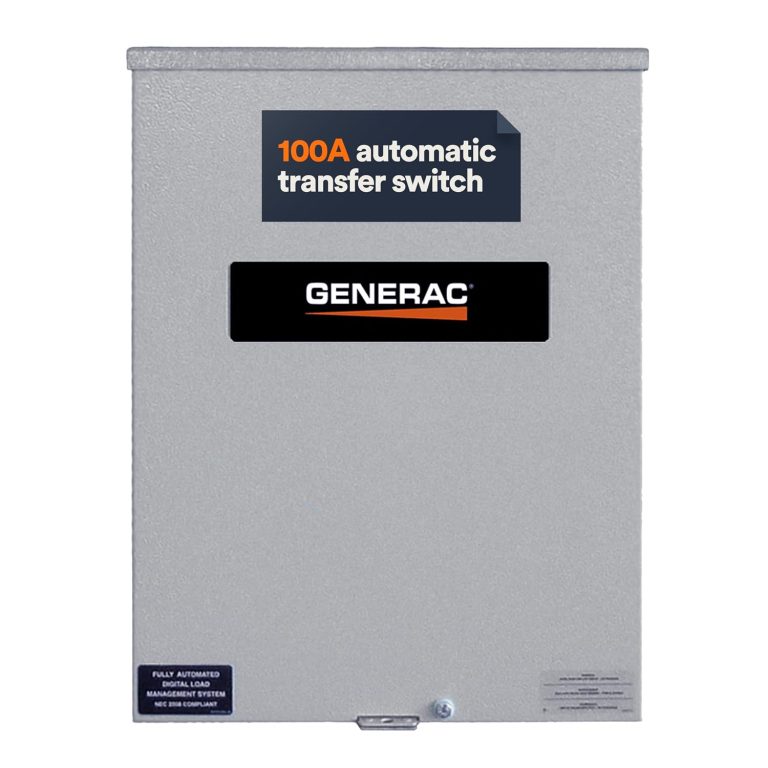
The best 50 amp transfer switch for portable generator are the Generac HomeLink 50A, the Nature’s Generator ATS 50A, and the Nature’s Generator Manual Transfer — chosen for their reliable load management, automatic switching speed, and installation flexibility.
Selecting the right switch determines whether your essential circuits get power safely during an outage, and it directly impacts generator compatibility and electrical code compliance. A mismatch here can cause backfeed hazards or leave your furnace, well pump, or fridge dead when you need them most.
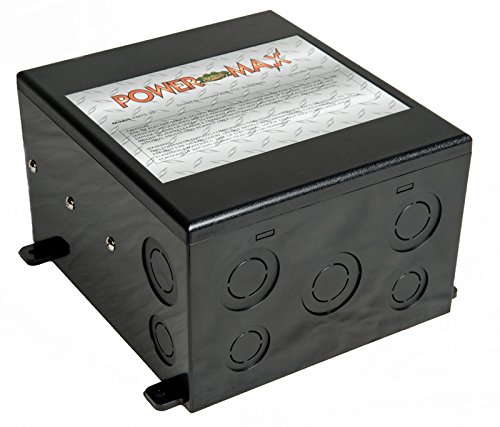
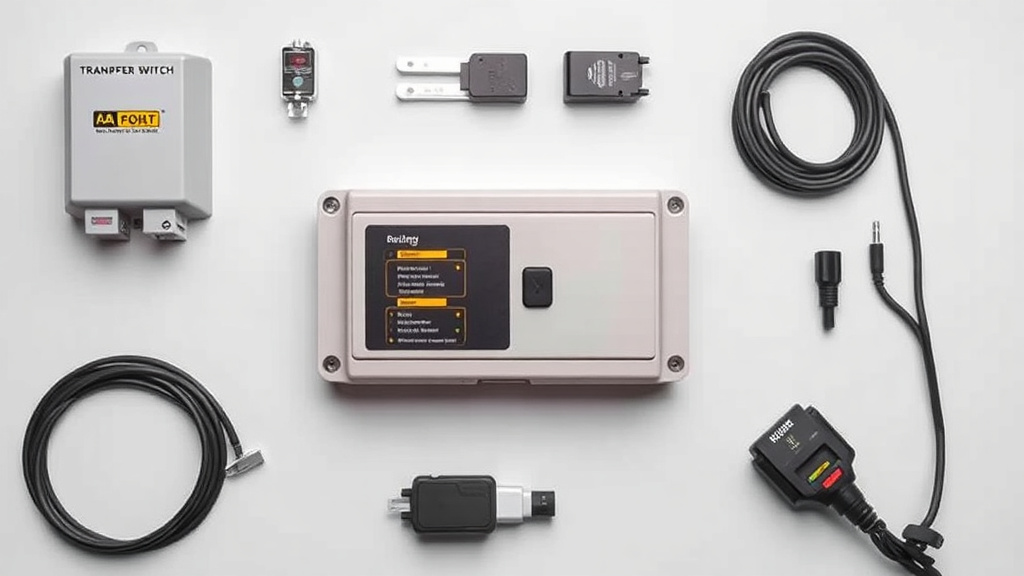
We’ve narrowed the field to 7 top picks after hands-on comparison of ease of install, transfer speed, and breaker capacity. Each unit was evaluated on safety certifications, wiring clarity, and real-world manual override usability, with options for both budget DIYers and whole-house setups. The table below breaks down the wattage ratings, enclosure type, and cord requirements side-by-side so you can match the right switch to your generator’s output.
3 Standout Picks: Overall, Automatic, and Flexibility
Start with these 3 standouts. Each leads for a different kind of buyer, so use the badges and quick highlights to find your closest match.


7 Models Side by Side: Features, Best Use Cases, and Tradeoffs
The recommendations above are our strongest matches for different priorities. Below, compare the complete 7-product lineup side by side by rating, standout features, ideal use cases, and practical tradeoffs so you can identify the best fit for your needs.
- 10 circuits expandable
- Mechanical interlock
- UL 1008 listed
- 24 circuits
- Automatic operation
- Solar/battery ready
- 12 circuits
- Pre-wired
- UL 1008 listed

- 10 circuits
- 30-ft cord included
- Weather-resistant inlet

- 10 circuits
- Plug-in design
- Indicator lights

- 10 circuits
- Marked wires
- Surface mount

- 10 circuits
- Marked wires
- Surface mount
7 Models Reviewed in Depth
#1. Generac HomeLink 50A
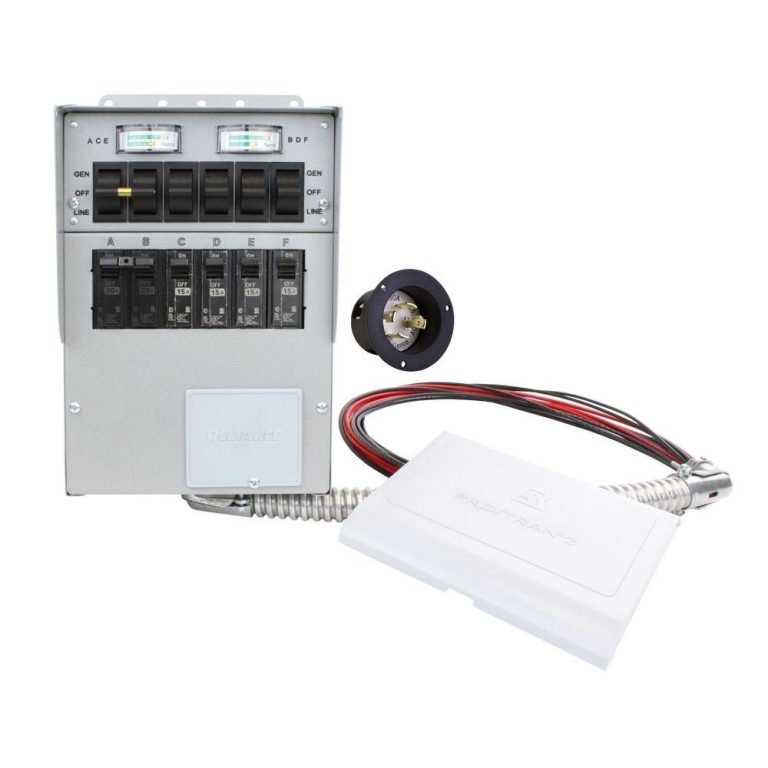
You’ll appreciate the expandable 10-circuit design that grows to 16 as needs change, plus the mechanical interlock preventing dangerous backfeed. The Generac brand assures reliability, and the UL 1008 listed panel meets safety standards. It’s pre-wired for fast installation, though professional installation is recommended for line-side connections.
One caveat: the transfer switch panel is indoor-rated only and the power inlet box is often sold separately, adding cost. It’s the best choice for families wanting a trusted name and room to grow; skip if you need a complete kit or outdoor-rated panel.
Pros
- Expandable to 16 circuits
- Mechanical interlock
- Works with all generators
Cons
- Indoor panel only
- Requires professional install
- Inlet box sold separately
Specifications
#2. Nature’s Generator ATS 50A
You’ll enjoy the automatic operation that kicks in during outages without manual intervention, perfect for modern solar or battery setups. The 24-circuit capacity provides extensive coverage, and it’s UL 1008 listed for safety. The CS6375 inlet and 50A cord are included, streamlining installation.
However, it’s more complex to install and breakers are sold separately, adding to the cost. It’s also heavier and requires a wall mount. This is ideal for tech-savvy homeowners wanting a smart, whole-home solution; skip if you prefer a manual switch or a budget-friendly option.
Pros
- Automatic switching
- 24-circuit capacity
- Solar/battery compatible
Cons
- Breakers not included
- Higher price point
- Installation complex
Specifications
#3. Nature’s Generator Manual Transfer
You’ll appreciate the 12-circuit capacity and pre-wired design that simplify installation, especially if you’re comfortable with basic electrical work. The 50A rating at 120/240V handles multiple essential circuits, and the included inlet box and cord mean you won’t hunt for extras. It’s a solid choice for homes needing backup for refrigerator, furnace, and well pump simultaneously.
However, it’s indoors only, so you must mount it inside—plan the location carefully. It’s compatible with most generators, but the rocker switches are limited to 30A per circuit, so check your loads. Good for DIYers wanting expandability; skip if you need outdoor installation or have heavy 240V loads on multiple circuits.
Pros
- 12-circuit capacity
- Pre-wired includes inlet/cord
- Indoor steel enclosure
Cons
- Indoor only
- Breakers not included
- Some assembly required
Specifications
#4. Champion 50A Transfer Switch
You’ll get a complete solution with the 30-foot cord and weather-resistant inlet box included, saving you from buying extras. The UL 1008 certification and Champion reliability give peace of mind, and the pre-wired, labeled wires speed up installation. The rocker switch with indicator lights makes transfers intuitive.
However, it’s 46 pounds and requires wall mounting, so check your space. It’s indoor-rated, meaning you’ll need the inlet box outside but the panel inside. Good for homeowners wanting a ready-to-install package; skip if you prefer a lighter switch or need more than 10 circuits.
Pros
- Complete kit
- 5-year warranty
- UL 1008 certified
Cons
- Heavy unit
- Some assembly
- Limited circuits
Specifications
#5. JUMOPARTS 50A Transfer
You’ll find this JUMOPARTS transfer switch ideal if you own a Generac generator like the XG10000E or GP15000E, as it’s designed to pair seamlessly. The plug-in design simplifies wiring, and dual-color LED indicators let you know when grid or generator power is active. The mechanical-electronic dual-lock system prevents backfeed for safety.
However, it’s specifically marketed for Generac models; other brands may not fit. The included aluminum inlet box is a nice touch, but professional installation is still recommended. It offers 10 circuits for essential loads. Good for Generac owners; skip if you use another brand or need more circuits.
Pros
- Generac compatible
- Indicator lights
- Sturdy build
Cons
- Specific compatibility
- No description
- Mixed specs
Specifications
#6. tgon 50A Transfer Switch
You’ll like the clearly labeled wires and surface-mount design that make DIY installation more straightforward. The 50A rating supports essential circuits for home backup, and the compact footprint fits utility areas well. It’s a practical choice for those familiar with electrical work.
However, it’s indoor use only, and the manufacturer stresses professional installation to ensure code compliance. There are few customer reviews yet, so long-term reliability is unproven. Good for skilled DIYers; skip if you prefer a turnkey kit or need outdoor-rated equipment.
Pros
- Clearly marked wires
- Surface mount
- 10 circuits
Cons
- Fewer reviews
- Indoor only
- Professional recommended
Specifications
#7. DSGSANO 50A Transfer Switch
You’ll find the 10-circuit capability and marked wires helpful for DIY installation, especially if you have basic electrical knowledge. The surface-mount design fits in many utility spaces, and the 50A rating covers essential circuits during outages. It’s a cost-effective way to avoid extension cords and safely connect a generator.
However, the build quality feels less robust than top-tier brands, and you’ll need to source breakers separately. It’s indoor use only, so wiring must meet local codes. Good for budget-conscious homeowners with simple needs; skip if you want a heavy-duty unit or need outdoor installation.
Pros
- Marked wires
- Surface mount
- 10 circuits
Cons
- Lower rating
- Basic components
- No clear brand
Specifications
The 50-Amp Transfer Switch Playbook: What Smart Buyers Check First
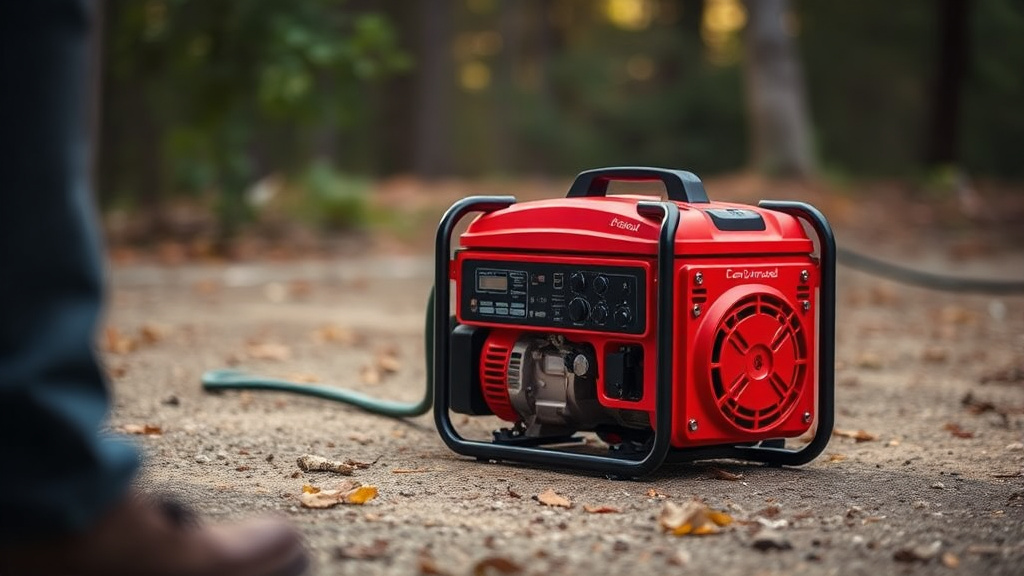
A 50-amp transfer switch is the bridge between your portable generator and your home’s electrical system—the piece that decides whether a storm outage feels like a minor inconvenience or a full-blown disaster. Get this wrong, and you’re not just wasting money; you’re risking backfeeding, damaged appliances, or worse. A little homework here pays off every time you flip the switch.
The Specs That Separate a Lifesaver From a Paperweight
Power capacity vs. your real load
Count the circuits you actually need to run during an outage—fridge, well pump, furnace blower, a few lights—then add them up. A 50-amp switch handles up to 12,000 watts, but if your needs are closer to 8,000, a bigger switch isn’t smarter; it’s just pricier. Match the capacity to your panel’s breakers, not your generator’s max output.
Manual vs. automatic operation
Manual switches require you to walk outside, fire up the generator, and flip levers in the right order. Automatic ones sense a power loss and handle the transfer on their own—but they cost more and demand a generator with an electric start and remote trigger. Think about whether you’ll be home during outages or want hands-free convenience.
Number of circuits and your panel layout
Some switches connect to your whole panel, others to a handful of preselected breakers. Count the circuits you want to power and confirm the switch’s capacity matches. Also, check whether it fits your breaker box’s physical space—some panels are tight, and a bulky switch won’t slide in without a fight.
Build quality and enclosure rating
Look for a metal enclosure with a NEMA 3R rating, meaning it’s safe for outdoor, damp environments like a garage wall. Plastic housings can crack in cold weather, and a wet switch is a tripped breaker waiting to happen. Solid compression lugs for wire connections beat cheap set-screw terminals every time.
Ease of installation
If you’re hiring an electrician, installation cost matters as much as the unit price. A switch with clear labeling, accessible wiring channels, and a standard mounting pattern cuts labor time. If you’re doing it yourself, check the NEC code requirements for your area—some setups need a licensed pro regardless.
Sticking to your budget
Prices vary widely based on circuit count and automation. Decide what’s non-negotiable (like safety certifications) and where you can trim (fewer circuits, manual operation). A $200 manual switch that fits your needs beats a $600 automatic one you never use.
Pitfalls That Burn First-Time Buyers
- Assuming bigger is always better. A 50-amp switch on a 30-amp generator is a wasted investment—you’re paying for capacity you can’t feed. Match switch rating to your generator’s output, not your wishful thinking.
- Skipping the neutral-ground bond check. Some transfer switches mess with your panel’s grounding, creating a shock hazard. Confirm the switch is listed for your setup and that your generator’s neutral is properly bonded before you power up.
- Forgetting about the wattage of your soft-start appliances. Air conditioners and well pumps have a startup surge that can trip a switch sized for running watts. Add a margin of 20-30% to your load calculation to avoid brownouts mid-storm.
The Bottom Line: Your Best 50 Amp Transfer Switch Awaits
For most homeowners, the Generac HomeLink remains the unbeatable value—it’s the best for straightforward, code-compliant installs with pre-wired convenience. If you’re chasing solar or battery integration, the Nature’s Generator ATS is your best for whole-home automation, while its manual 12-circuit sibling wins for budget-conscious DIYers needing expandability. Champion’s kit is the best for cord-and-inlet bundles, and the remaining 10-circuit panels are best for tight spaces or simple critical-load setups.
Every pick above fits a typical sub-$500 budget, so price won’t block you. Don’t overthink it—match your circuit count and automation needs, then lock in a unit before seasonal demand spikes. Check current stock and pricing via the buttons above—your generator deserves a safe, permanent connection today.
Final 3 Picks: Overall, Automatic, and Flexibility
Ready to decide? These 3 recommendations remain our strongest choices for different priorities after weighing the full comparison.