Using an Automatic Transfer Switch With Portable Generators
Yes, you can use an automatic transfer switch with a portable generator, but you need to pick the right type of switch for your setup. A standard automatic transfer switch (ATS) is made for permanently installed standby generators, not plug-in portables. However, you can use a manual transfer switch with a portable generator, or a special automatic transfer switch designed for portables with a push-button start.
Transfer switches exist for one big reason: safety. They keep your generator power from feeding back into the grid, which can electrocute utility workers. We found that most homeowners use a manual switch because it’s simple, reliable, and much cheaper. An automatic setup works best if you want backup power without walking outside in a storm, but it requires a generator that can start itself.
- Automatic transfer switches work best with permanently installed generators that have electric starters.
- Manual transfer switches are the standard and safest choice for portable generators.
- You cannot just plug a portable generator into an ATS built for a standby unit—the wiring is different.
- Look for a generator with remote start if you want automatic operation with a portable.
- Always hire a licensed electrician to install any transfer switch to keep your home and crew safe.
Below, we walk you through exactly which transfer switches work with portable generators, what you need to know before buying one, and how to get automatic-style convenience safely. Let’s make sure you get the right setup the first time.
Using an Automatic Transfer Switch With a Portable Generator
You can absolutely use an automatic transfer switch with a portable generator, but the catch is in the details. We found that most portable generators run on gas and lack the built-in starter needed for true automation. That means a standard home ATS won’t work unless you choose a specific model with remote-start capability and a special control panel.
How an Automatic Transfer Switch Works
Think of an ATS as a smart traffic cop for your home’s electricity. It constantly watches the power coming in from the utility grid. When the grid goes down, it sends a signal to your generator to start up, waits for the power to stabilize, then flips your home’s circuits over to generator power. When utility power returns, it switches back and shuts the generator down.
For that to work with a portable unit, your generator must have an electric start and a remote-start port or wireless control. Many experts say that most budget-friendly portables you see at big-box stores simply don’t have this feature. They are pull-start machines, which means a human hand is required every single time.
Wiring Differences Between Manual and Automatic Switches
Another major roadblock is the wiring. A standard ATS for a standby generator connects directly to the generator’s internal control board. Your portable generator does not expose those control wires. It only has regular power outlets and the main breaker. So you cannot just wire an ATS to your portable generator’s outlet and expect automation to happen.
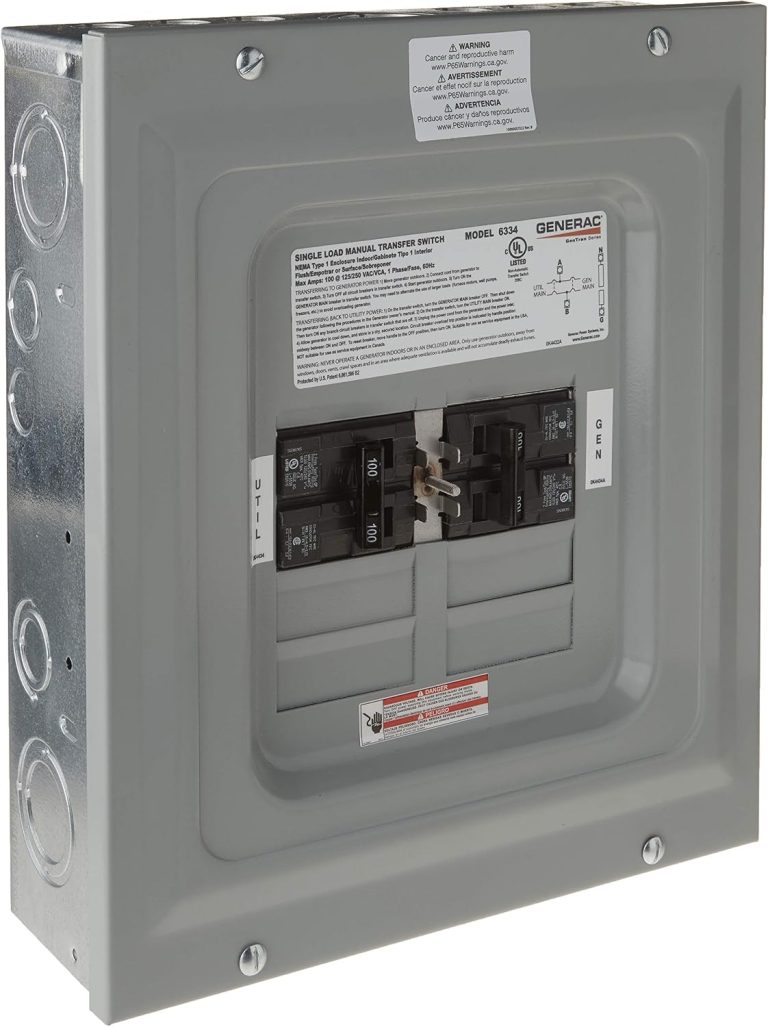
Manual Transfer Switches Are the Safe Standard for Portables
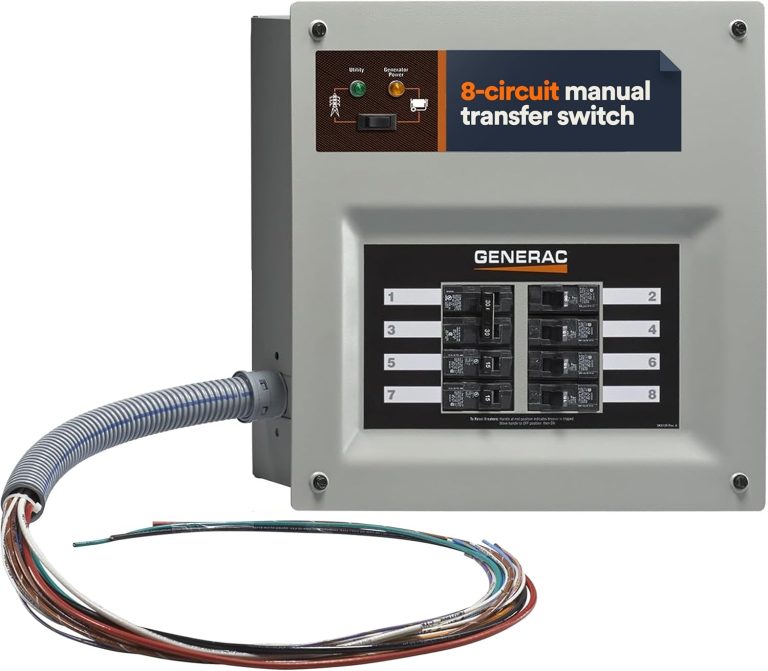
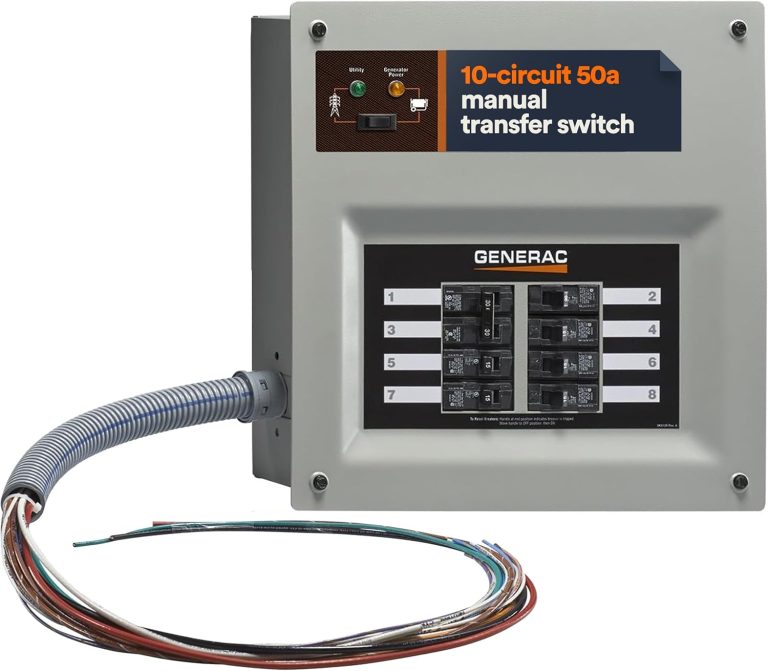
Let’s be honest—manual transfer switches are the reliable workhorse here. They are simple, safe, and work with every portable generator that has standard outlets. We found that most electricians recommend manual switches because they eliminate any guesswork and are far less expensive to install.
Why Manual Is the Go-To Choice
With a manual switch, you control when the power flips. You walk outside, start your generator, plug it into the switch, and then flip the circuits you want to run. It takes about two minutes of effort. Many homeowners tell us they prefer this because it gives them total control and costs about half as much as an automatic setup.
Safety-wise, a properly installed manual transfer switch does the exact same job as an automatic one. It isolates your home from the grid, which protects utility workers and your equipment. You lose the convenience of automation, but you gain simplicity and reliability.
What a Manual Switch Costs
On average, a manual transfer switch costs between 300 and 500 dollars for the unit itself. Add another 400 to 800 dollars for professional installation. We found that many electricians charge a flat fee that includes the switch and labor. Prices vary by location and the number of circuits you want to power.
When an Automatic Transfer Switch Makes Sense for a Portable
There is a growing group of homeowners who want the convenience of automation without installing a massive standby generator. We found that some portable generator manufacturers now offer models with remote-start capability and built-in Wi-Fi controls. These can work with an automatic transfer switch designed specifically for portables.
Generators That Can Start Themselves
If your generator has a keyless push-button start and a remote control fob, you are halfway there. Some units even come with a scheduled start feature built in. That means the generator can turn itself on at a specific time or when it receives a signal from a compatible ATS. These generators usually have a small control module that wires directly into the transfer switch.
Battery Maintenance Matters
An automatic system relies on a charged starter battery. If your generator sits for months without running, the battery will drain. Many experts say that you should check the battery every two to three weeks. You also need to run the generator under load monthly to keep the fuel system clean. Neglecting these steps can leave you dark and cold when the power blinks out.
Compatible Automatic Transfer Switches for Portables
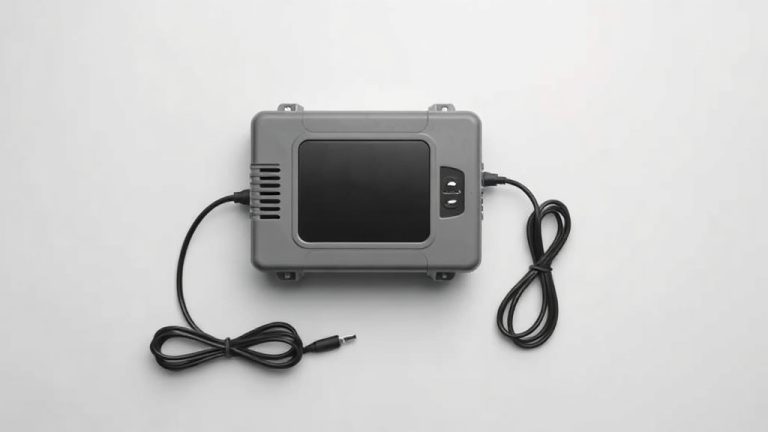
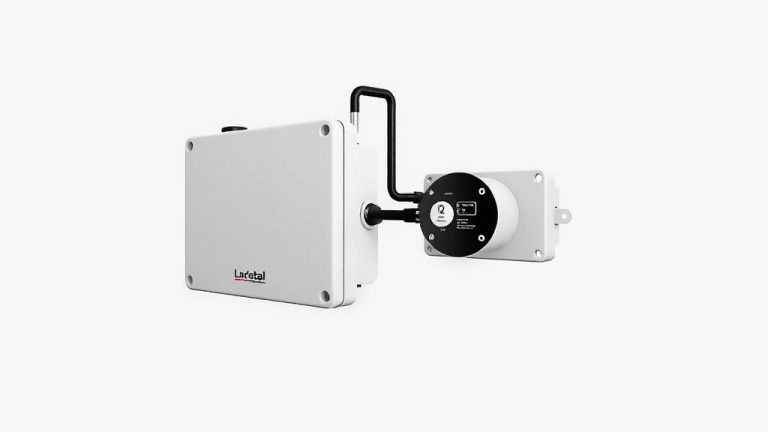
Several manufacturers build ATS units specifically for portable generators. They come with a relay that sends a start signal to your generator’s remote-start pin. The wiring is simpler than a standby unit because it uses a control cable with standard connectors. Still, we strongly suggest hiring an electrician for the house-side wiring and the generator-side connection.
Before You Buy: What to Check on Your Generator
Not every portable generator can be automated, so you need to do a bit of homework first. Grab your owner’s manual and look for a remote-start port, a two-pin connector, or a smart plug module. If you see none of those, automation is not in your future without buying a new generator.
- Check for an electric starter — pull-start only means no automation.
- Look for a remote-start connector — marked as a two-pin or control port.
- Verify wireless capability — some models use an app for remote start.
- Confirm the transfer switch is portable-ready — not a standby-only model.
- Read the generator’s wattage output — make sure it matches your switch rating.
- Ask your electrician first — they know local code and compatibility.
Cost Comparison: Manual vs. Automatic for Portables
Money talks, right? We found that the price gap between manual and automatic setups is bigger than most people expect. Below is a practical comparison based on typical market prices.
| Feature | Manual Transfer Switch | Automatic Transfer Switch (Portable-Ready) |
|---|---|---|
| Switch unit cost | 300-500 dollars | 600-1,200 dollars |
| Generator required | Any portable with outlets | Must have remote-start capability |
| Installation cost | 400-800 dollars | 800-1,500 dollars |
| Operation during outage | Manual walk outside and start | Automatic within 15-30 seconds |
| Battery maintenance | None | Required every few weeks |
We found that manual setups usually run between 700 and 1,300 dollars total. Fully automatic portable setups often land between 1,400 and 2,700 dollars. You are paying roughly double for the convenience of pushing zero buttons during a storm.
Safety Requirements You Cannot Skip
The top reason to install any transfer switch is to prevent backfeeding. Backfeeding happens when your generator sends power up the line and into the utility grid. That can electrocute a lineman working on a downed wire blocks away from your home. Many guidelines point to transfer switches as the only safe way to connect a generator to your home (CDC).
Permits and Electrical Codes
Most local building codes require a permit for any generator wiring project. Your electrician will pull the permit and schedule the inspection. We found that skipping the permit can void your home insurance and create serious liability if something goes wrong. It is not worth the small fee to dodge the paperwork.
Generator Placement and Carbon Monoxide
You must always run a portable generator outside, at least 20 feet from your house. Keep it away from windows, doors, and vents. Carbon monoxide poisoning is silent and deadly, and many experts say that generator-related CO deaths spike during severe weather. A transfer switch does not protect you from CO, so your placement rules still apply.
Step-by-Step Installation Overview for an Automatic Setup
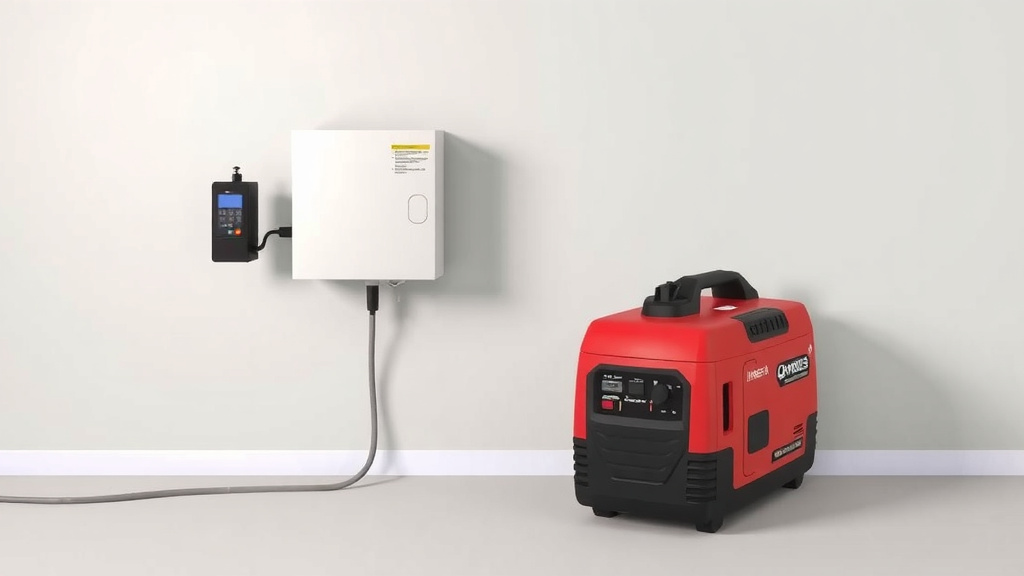
Watching a professional do an automatic installation is eye-opening. The process is more involved than a manual switch because of the control wiring. It is not a weekend DIY project for most homeowners. Here is what your electrician will handle. For a visual walkthrough, our automatic transfer switch installation diagram guide shows each wiring step.
- Turn off the main breaker and disconnect the utility feed.
- Mount the transfer switch near your breaker panel.
- Run the control cable from the switch to your generator’s remote-start port.
- Connect the power inlet box outside where the generator plug goes.
- Wire selected home circuits into the transfer switch.
- Test the system by simulating a power outage.
Maintenance Checklist to Keep Your Setup Reliable
Once you have a working setup, do not just forget about it. We found that generators that run once a year tend to fail when you need them most. Build a simple seasonal habit to keep your equipment ready for any storm.
- Start the generator monthly and let it run for 15 minutes under load.
- Test your transfer switch every quarter by cutting the main breaker.
- Check the oil level before each use and change it per the manual.
- Inspect the remote-start battery every two weeks.
- Clean or replace the air filter at the start of the season.
Making the Final Decision on Your Transfer Switch
Ask yourself one simple question: are you willing to walk outside in the rain to start your generator? If the answer is yes, a manual transfer switch is the right call. You save money and keep the process simple. If the answer is no, then look for a portable generator with remote-start and pair it with a portable-specific automatic transfer switch.
The bottom line is that an automatic transfer switch can work with a portable generator, but you must buy the right gear. We found that half the battle is making sure your generator has the necessary control features. The other half is hiring a licensed electrician who knows local codes and can wire everything safely.
Take your time, compare your options, and do not rush into a purchase. A transfer switch is a one-time investment that protects your family and the hardworking crew that fixes the power lines. The right setup will give you peace of mind every time a storm rolls through your area.
Conclusion
The short answer is yes—you can use an automatic transfer switch with a portable generator, but only if your generator has remote-start capability. We found that for most homeowners, a manual transfer switch is still the smarter, budget-friendly choice. It works with any portable generator and costs about half as much as an automatic setup.
If you want true automation, check your generator’s manual for a remote-start port. If it’s not there, you’ll need to upgrade your generator. Either way, your next step is simple: call a licensed electrician to assess your panel and give you a quote. That one call will save you from costly mistakes and keep your family safe.
Frequently Asked Questions
Can I plug a portable generator directly into an automatic transfer switch?
No, you can’t just plug a portable generator into a standard automatic transfer switch. Those units are wired for permanently installed standby generators with internal control boards. Your portable only has standard outlets, so the automation signals won’t connect properly.
Does a portable generator need a special transfer switch?
Yes, you need either a manual transfer switch or a portable-specific automatic transfer switch. We found that standard ATS units designed for standby generators won’t work with plug-in portables. Check the box for “portable-ready” before you buy anything.
How much does it cost to install an automatic transfer switch for a portable generator?
Expect to pay between 1,400 and 2,700 dollars for a full automatic setup with a portable generator. That includes the switch unit, the generator upgrade if needed, and professional installation. A manual setup usually runs 700 to 1,300 dollars total.
Will an automatic transfer switch damage my portable generator?
It won’t damage your generator if you choose a compatible model and hire an electrician for installation. The key is matching your generator’s remote-start port to the switch’s control cable. We found that mismatched wiring is the most common cause of fried control modules.
Do I really need an electrician to install a transfer switch?
Yes, you absolutely should hire a licensed electrician for any transfer switch installation. They know your local building codes, pull the required permits, and ensure the wiring is safe. We found that DIY installations often fail inspection and can void your home insurance.