7 Best Generator With Transfer Switch [2026]
The best generator with transfer switch options are the Westinghouse WGen11500TFc, Westinghouse WGen11500DFc, and Westinghouse WGen9500DF, chosen for their high wattage output, dual-fuel flexibility, and proven reliability during outages.
Selecting the right model matters because a seamless home backup setup depends on matching your generator’s power capacity to your critical circuits, while a transfer switch ensures safe, code-compliant connection without extension cords. The WGen11500TFc leads as Best Overall for its robust running watts, while the WGen11500DFc offers versatile fuel options, and the WGen9500DF delivers solid performance at a strong value price point. These picks cover the needs of typical family homes, from keeping lights and refrigerators on to powering essentials during extended blackouts.
We’ve narrowed the field to 7 top-rated picks after comparing noise levels, THD ratings, and transfer switch wiring ease. Each unit was evaluated on fuel efficiency, startup surge handling, and runtime at half load to ensure practical reliability. Below, find a side-by-side comparison table that breaks down key specs and features to help you choose the right fit for your home’s power needs.
3 Standout Picks: Overall, Dual Fuel High, and Value
Start with these 3 standouts. Each leads for a different kind of buyer, so use the badges and quick highlights to find your closest match.
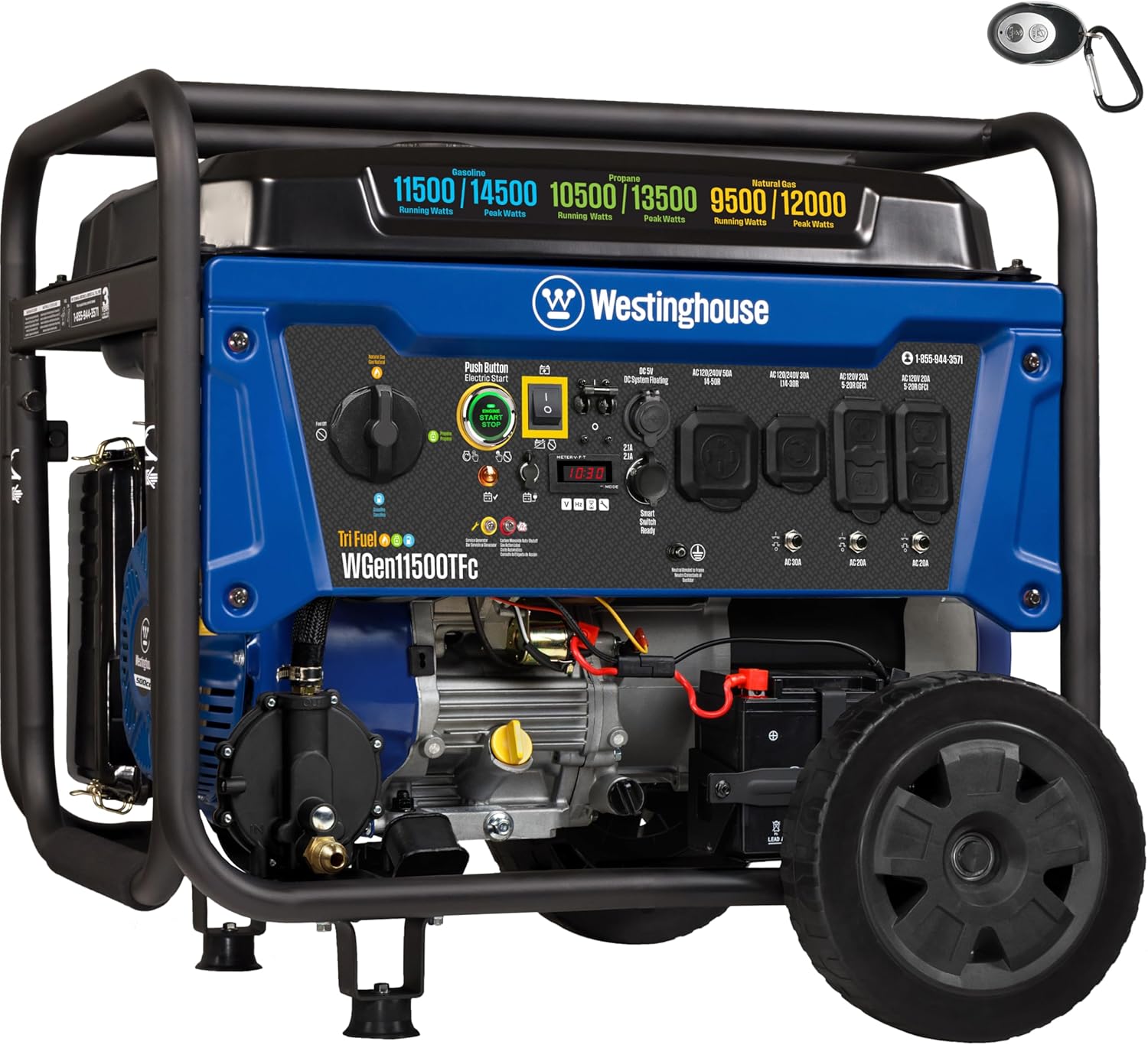
Westinghouse WGen11500TFc
- 11,500W gas / 10,150W propane
- Tri-fuel gas, propane, natural gas
- <5% THD clean power
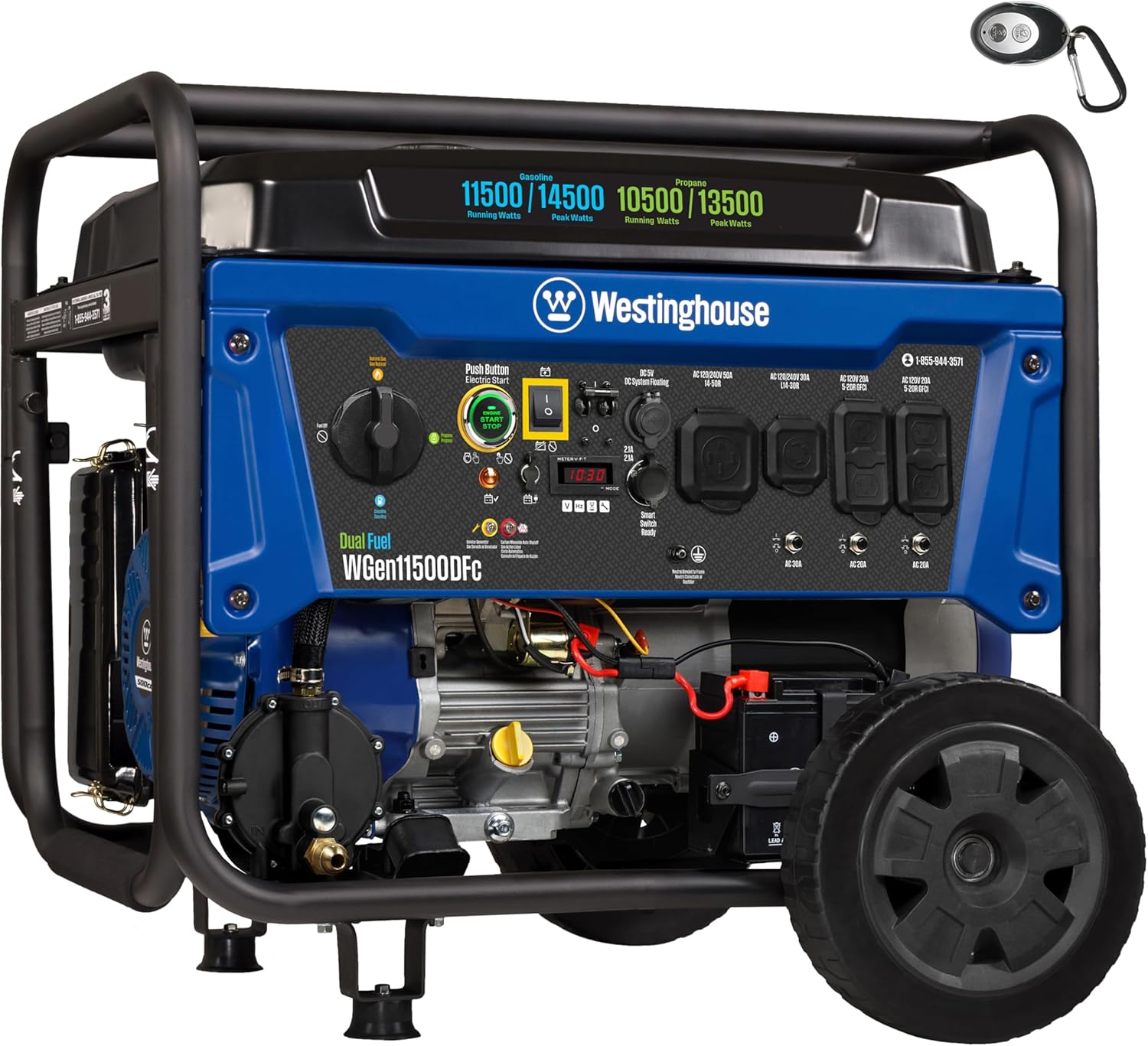
Westinghouse WGen11500DFc
- 11,500W gas / 10,150W propane
- Dual fuel (gas & propane)
- <5% THD clean power

Westinghouse WGen9500DF
- 9,500W gas / 8,500W propane
- Dual fuel gas and propane
- Remote start with key fob
7 Models Side by Side: Features, Best Use Cases, and Tradeoffs
The recommendations above are our strongest matches for different priorities. Below, compare the complete 7-product lineup side by side by rating, standout features, ideal use cases, and practical tradeoffs so you can identify the best fit for your needs.
- 11,500W gas / 10,150W propane
- Tri-fuel gas, propane, natural gas
- <5% THD clean power
- 11,500W gas / 10,150W propane
- Dual fuel (gas & propane)
- <5% THD clean power
- 9,500W gas / 8,500W propane
- Dual fuel gas and propane
- Remote start with key fob

- 9,500W gas / 8,500W propane
- Dual fuel with CO sensor
- Remote start key fob

- 5600W starting / 4500W running
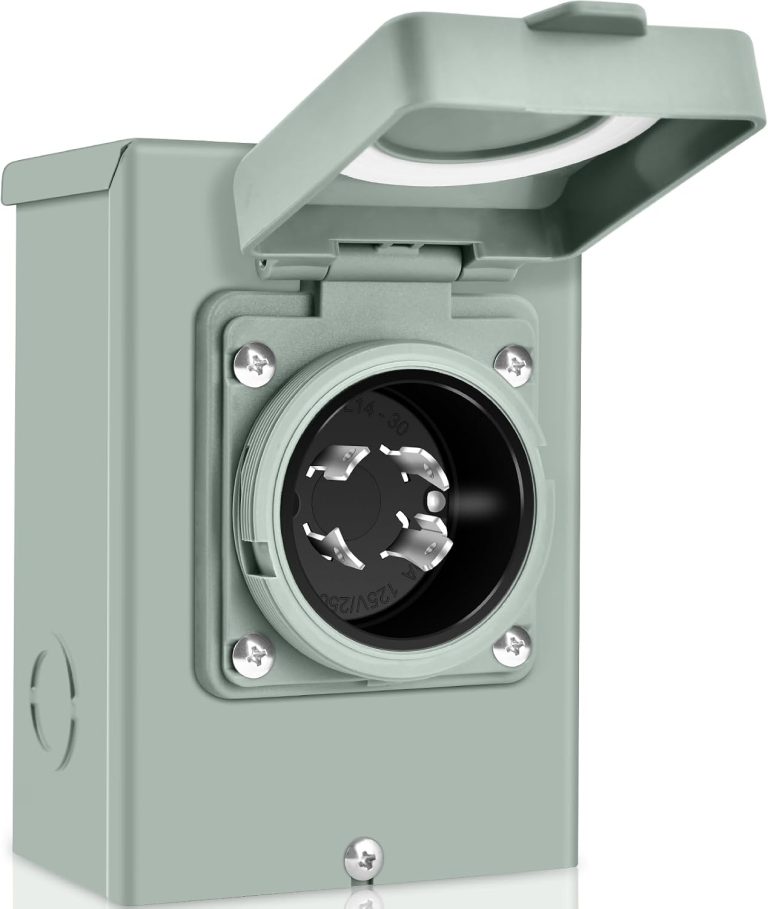
- Transfer switch and RV ready
- Wheel kit for portability

- 5300W gas / 4800W propane
- Dual fuel flexibility
- CO sensor safety

- 22kW whole home power
- Automatic transfer switch included
- Cellular remote monitoring
7 Models Reviewed in Depth
#1. Westinghouse WGen11500TFc
The WGen11500TFc is a powerhouse with 11,500 running watts on gasoline, making it ideal for whole-home backup. Its tri-fuel capability lets you tap into natural gas for extended outages, while the <5% THD ensures sensitive electronics stay safe. Remote start with key fob and push-button electric start add unmatched convenience.
You’ll enjoy up to 19 hours of runtime on the 9.5-gallon tank, but be ready for a 230-pound unit that requires sturdy wheels and a strong lift. The CO sensor and low-oil shutdown enhance safety, though the natural gas connection may need professional installation. Choose this if you need maximum flexibility and don’t mind the heavy lifting.
Pros
- Exceptional power output
- Clean power for electronics
- Remote start convenience
Cons
- Very heavy (230 lbs)
- Natural gas not standard
- No included transfer switch
Specifications
#2. Westinghouse WGen11500DFc
You’ll get exceptional performance from the WGen11500DFc with 11,500 running watts on gasoline. Its dual fuel capability gives you propane backup, and the <5% THD makes it safe for TVs, computers, and other sensitive gear. The remote start via key fob adds a layer of convenience you’ll appreciate during outages.
Expect up to 19 hours of runtime on the 9.5-gallon tank, but plan for a heavy 230-pound unit that requires careful moving. The CO sensor provides added safety, though you’ll need to buy the transfer switch separately. If you want high power with fuel flexibility without natural gas hookups, this is an outstanding choice.
Pros
- Massive power output
- Clean power for electronics
- Remote start with key fob
Cons
- Very heavy (230 lbs)
- No natural gas option
- Similar to other model
Specifications
#3. Westinghouse WGen9500DF
You’ll find the WGen9500DF a reliable workhorse with 9,500 running watts, easily covering home essentials. The dual fuel design lets you switch between gas and propane, and remote start adds day-to-day convenience. With a 50A outlet, it pairs well with transfer switches for whole-house backup.
Expect up to 12 hours of runtime on its 6.6-gallon tank, which is shorter than some larger rivals. Lacking a CO sensor, you’ll need to operate it in well-ventilated areas. For most households needing solid power without breaking the bank, this generator hits a sweet spot between performance and cost.
Pros
- High power output
- Remote start convenience
- Dual fuel flexibility
Cons
- No CO sensor on this model
- Fuel tank smaller than peers
- Noise level not specified
Specifications
#4. Westinghouse WGen9500DFc
The WGen9500DFc offers reliable power with 9,500 running watts, plus the added safety of a CO sensor. Its dual fuel capability lets you run on gas or propane, and remote start via key fob brings convenience during outages. The 50A outlet ensures compatibility with most transfer switches.
You’ll get up to 12 hours of runtime on a 6.6-gallon tank—useful but not outstanding. At 212 pounds, it’s heavy yet has a wheel kit for easier movement. If you’re looking for a dependable home backup generator with modern safety features, this model strikes a good balance.
Pros
- Good power output
- CO sensor for safety
- Dual fuel options
Cons
- Heavy (212 lbs)
- No natural gas support
- CO sensor may be extra
Specifications
#5. WEN GN5600
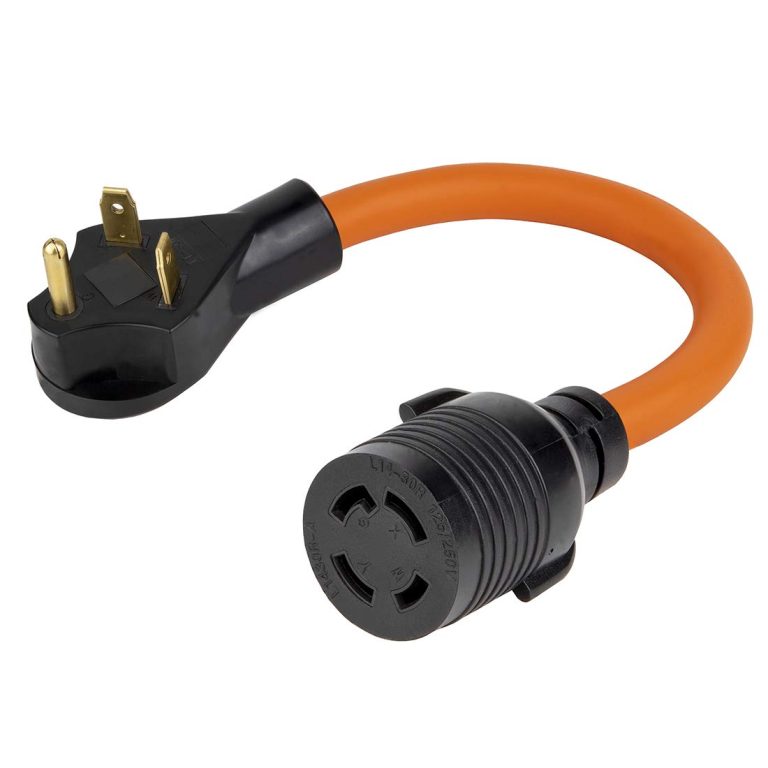
The WEN GN5600 is a nimble generator perfect for camping or small home backup. Its 5,600 starting watts handle power tools and essentials, while the wheel kit makes it easy to move. The control panel includes a 30A L5-30R outlet specifically for transfer switches, plus an RV-ready TT-30R.
You’ll get up to 12.5 hours of runtime on a 4.3-gallon tank, which is decent for its size. But it only runs on gasoline—no propane flexibility—and requires manual pull-start. If you need a budget-friendly, easily portable generator without complex features, this is a solid pick.
Pros
- Compact and portable
- Affordable price point
- Transfer switch ready
Cons
- Gas only – no dual fuel
- Smaller power output
- No electric start
Specifications
#6. Westinghouse WGen5300DFcv
You’ll appreciate the WGen5300DFcv’s dual fuel flexibility, letting you switch between gasoline and propane as availability changes. With 5,300 running watts on gas, it easily handles essential home circuits through a 30A L14-30R outlet. The CO sensor adds peace of mind, shutting down the engine if carbon monoxide builds up, and the cast iron sleeve promises durability.
The 4.7-gallon tank delivers up to 14.5 hours of runtime at 25% load, but expect a heavier setup at 135 pounds despite the wheel kit. It’s not electric start, so manual recoil is your option—a minor trade-off for budget-conscious buyers. Choose this if you prioritize affordable reliability over convenience features like remote start.
Pros
- Dual fuel versatility
- Transfer switch ready 30A
- CO sensor included
Cons
- Not electric start
- Heavy for size
- No remote start
Specifications
#7. Generac 22kW Home
The Generac 22kW delivers true whole-home backup with automatic startup when the grid fails. Its 200-amp transfer switch is included, simplifying installation, and the built-in cellular monitoring lets you check status via app. This is a permanent solution that integrates with your home’s natural gas or propane supply.
You’ll appreciate the automatic operation—no manual intervention needed. However, professional installation is required, adding to upfront costs and timeline. With only a few reviews, early reliability is unproven. If you want set-and-forget protection for your entire house, this is a top-tier choice, but for budget-conscious buyers, a portable generator may suffice.
Pros
- Whole home coverage
- Auto start in seconds
- Transfer switch included
Cons
- Expensive investment
- Professional installation needed
- Few reviews yet
Specifications
The Right Way to Choose a Generator with Transfer Switch
Buying a generator with a transfer switch isn’t like picking up a power tool on a whim—it’s a permanent addition to your home’s electrical system. Get it wrong, and you’ll either be stuck hauling extension cords in a storm or paying an electrician to redo the wiring. A little homework now saves you a lot of frustration later.
The Details That Decide If You’ll Be Happy
Fuel type vs. runtime — Ask yourself how long outages last in your area. Propane and natural gas sit indefinitely and never go bad, but you’re tethered to a tank or a gas line. Gasoline is easy to find but degrades in about six months. Diesel sips fuel but is loud and harder to start cold. Match the fuel to your patience and storage space.
Power needs beyond the basics — Add up what you actually want to run, then add 20-30% for startup surges. That well pump and fridge might use 1,500 watts running, but they draw triple that when they kick on. Don’t just total your lights and TV—include every motor in the house.
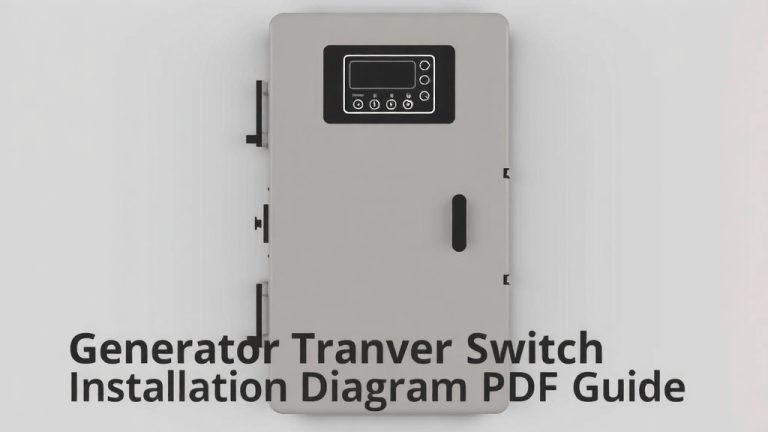
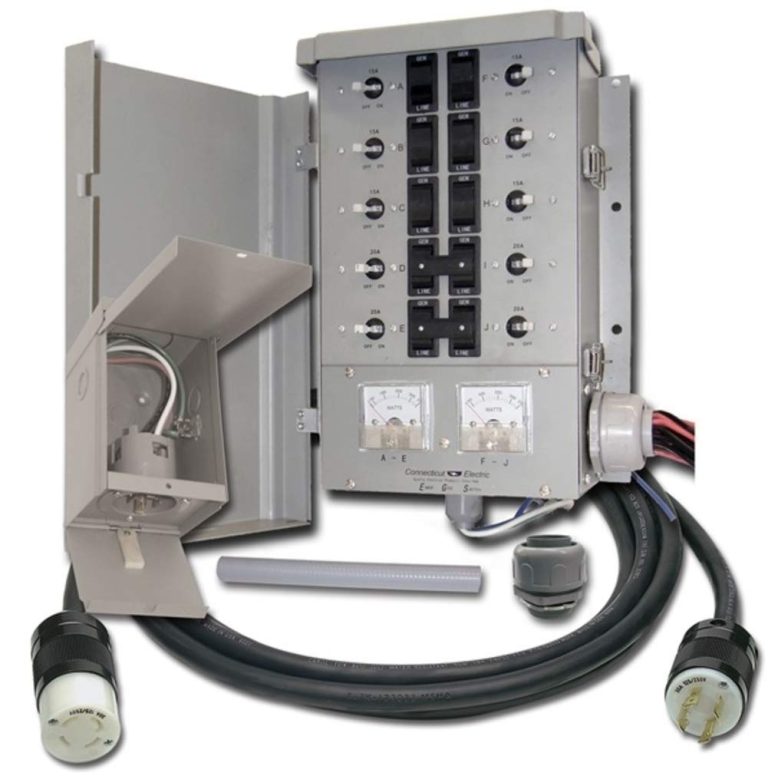
Transfer switch type matters more than you think — A manual switch is cheaper and simpler, but you’ll be flipping breakers in the dark. An automatic switch watches the grid for you, starts the generator, and transfers power without lifting a finger. If you’re often away from home, automatic is the difference between a comfortable house and a flooded basement. Our guide to manual transfer switch vs automatic explains the differences.
Noise is a neighborhood issue — Check decibel ratings before you buy. Anything above 70 dB at 25 feet will annoy your neighbors and may violate local noise ordinances. Enclosed, sound-dampened models are worth the extra cost if you live close to others.
Wattage realities — Don’t trust the marketing number. Look for continuous (not surge) watts and check if that figure assumes a derated altitude or high-temperature environment. Your elevation can cut output by 10-15%.
Sticking to your budget — Remember that the generator is half the purchase. The transfer switch, wiring, permits, and labor can easily match the generator’s price. If your budget forces a choice, buy a cheaper generator and a good switch — you can always upgrade the generator later, but the wiring is permanent.
Mistakes That Cost You Twice
-
Buying portable and thinking it’s whole-house — A portable generator with a transfer switch still requires you to manually connect everything. If you want true backup, you need a stationary model or you’ll be disappointed the first outage hits at 2 AM.
-
Ignoring the transfer switch’s capacity — A 30-amp switch limits you to about 7,200 watts, no matter how big your generator is. Check your breaker panel amperage first; upgrading later means rewiring.
-
Forgetting maintenance before an outage — Generators that sit for months need fuel stabilizer, battery tenders, and a test run every 30 days. Skip this, and your “backup” will fail when you need it most.
Your Next Generator and Transfer Switch Combo Awaits
The Westinghouse 14500 Tri-Fuel is the clear winner for total fuel flexibility, while the Dual-Fuel version nails down pure power-to-value. The 12500 models shine for heavy-duty home loads, and the WEN 5600 is your budget-friendly entry point. For smaller setups, the 6500 Dual-Fuel with its 30A outlet offers a sweet spot, but the Generac 22kW whole-home unit is the ultimate, hands-off upgrade. Every pick here is transfer-switch ready, so you won’t pay extra hidden fees for compatibility. Don’t overthink the specs — match your square footage and fuel preference, then secure the deal. Tap the buttons above to lock in today’s price before stock runs out.
Final 3 Picks: Overall, Dual Fuel High, and Value
Ready to decide? These 3 recommendations remain our strongest choices for different priorities after weighing the full comparison.
Westinghouse WGen11500TFc
- 11,500W gas / 10,150W propane
- Tri-fuel gas, propane, natural gas
- <5% THD clean power
Westinghouse WGen11500DFc
- 11,500W gas / 10,150W propane
- Dual fuel (gas & propane)
- <5% THD clean power
Westinghouse WGen9500DF
- 9,500W gas / 8,500W propane
- Dual fuel gas and propane
- Remote start with key fob