Running a Generator Without a Transfer Switch: Risks
Yes, you can run a generator without a transfer switch, but it is not safe or recommended for powering your home’s wired circuits. The only truly safe way to connect a portable generator to your house is through a transfer switch, which prevents deadly backfeeding. Without one, you risk electrocuting utility workers and damaging your electronics.
We found that many homeowners want a quick solution during an outage, so they consider plugging the generator directly into an outlet. However, this creates a dangerous situation called backfeeding, where electricity flows backward through your home’s wiring and out to the power grid. It can also overload your generator and fry your appliances, which is a costly mistake.
- The short answer: You can physically do it, but it violates electrical codes and safety standards.
- The biggest risk: Backfeeding can electrocute a lineman working to restore your power.
- Safe alternative: Use extension cords to plug appliances directly into the generator.
- The proper fix: Install a manual transfer switch for permanent, safe home power.
- What to remember: Never plug a generator into a wall outlet, even with a double-ended cord.
Below, we break down exactly why this is so dangerous and walk you through the safe ways to keep your lights on during an outage. Let’s get into it.
Why Running a Generator Without a Transfer Switch Is Dangerous
You can physically make it work, but the risk is real. When you skip the transfer switch, you are playing a dangerous game with electricity. The main danger is something called backfeeding.
Backfeeding happens when your generator sends power backward through your home wiring. That electricity travels out to the utility lines. A lineman working to restore your neighborhood power could touch that line and be electrocuted. This is not a small risk; it is a life-or-death situation.
The Real Danger of Backfeeding
Think of your home’s wiring like a one-way street. Power comes in from the grid and flows to your outlets. When you plug a generator into a wall outlet, you are forcing traffic to go the wrong way down that street. The electricity flows out of your house and into the grid.
This can overload your generator too. When the generator tries to power your entire neighborhood, it will eventually fail. Many experts say this can also cause a fire inside your walls. The wiring in your home was never designed to handle power flowing in that direction (Occupational Safety and Health Administration).
Damage to Your Appliances and Electronics
Your generator produces power that is not as clean as what you get from the utility company. It can cause power surges and fluctuations. When you backfeed, you are sending this dirty power to everything in your house. Your refrigerator, your TV, your computer, and your furnace are all at risk.
We found that many people lose expensive appliances this way. A single power surge can fry a circuit board in your smart TV or your new washing machine. Repair costs add up fast. The money you saved by skipping a transfer switch will likely go toward replacing damaged electronics.
What the Electrical Code Says About Generator Hookups
The National Electrical Code (NEC) has clear rules about generator connections. These rules exist to keep you and utility workers safe. Research and found that code violations can also void your home insurance policy.
The NEC requires a transfer switch for any generator that connects to your home’s wiring. This is not a suggestion; it is a code requirement. When you go to sell your house, an inspector will flag an illegal generator hookup. You will have to fix it before the sale goes through.
Insurance Implications You Need to Know
Here is a scenario we hear about often. A homeowner backfeeds power during an outage, and a fire starts. The fire department puts it out. Then the insurance adjuster arrives and sees the generator setup. They deny the claim because the setup violated local codes.
That means you pay for the fire damage out of pocket. Your insurance company will not cover losses from an illegal installation. Many policy documents explicitly exclude damage caused by code violations. This is a costly lesson that you want to avoid.
Safe Alternatives When You Do Not Have a Transfer Switch
Okay, so you need power now, and a transfer switch is not installed. You still have safe options. The simplest one is using heavy-duty extension cords to run appliances directly from the generator.
This is a completely legal and safe way to use a portable generator. You just keep the generator outside and run individual cords inside. You plug each cord into the generator and then into a single appliance.
How to Use Extension Cords Safely
Start by calculating your wattage needs. Add up the wattage of the appliances you want to run. Make sure your generator can handle that total load. Your generator’s label tells you its maximum wattage.
Use the right gauge of extension cord. A 12-gauge cord is good for most appliances up to 15 amps. A 10-gauge cord is better for larger loads. We found that using a cord that is too thin will overheat and can melt.
Which Appliances to Prioritize
You cannot run everything at once with extension cords. Pick the essentials. Your refrigerator is a must. A few lights and your phone charger are also important. If you have a sump pump, that should be near the top of your list.
- Refrigerator: Keeps food from spoiling.
- Freezer: Prevents meat and frozen goods from thawing.
- Sump pump: Stops basement flooding.
- Phone charger: Keeps you connected.
- Space heater: Provides heat in a cold room.
- CPAP or medical devices: Essential for health.
Run one appliance at a time when possible. Starting a refrigerator and a space heater at the same moment can trip your generator. Give the generator a few seconds to stabilize between starts.
The Proper Fix: Installing a Transfer Switch
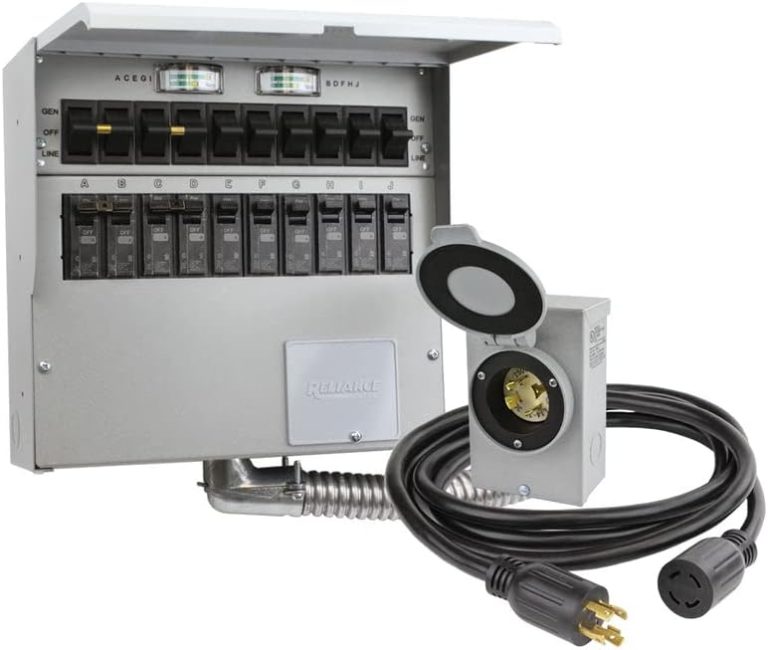
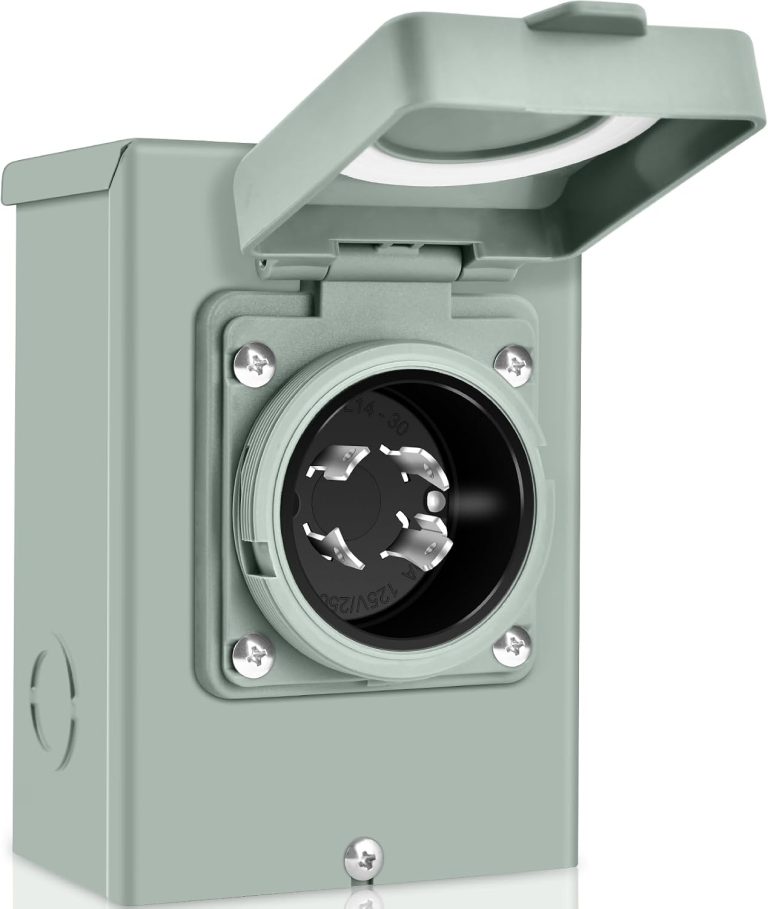
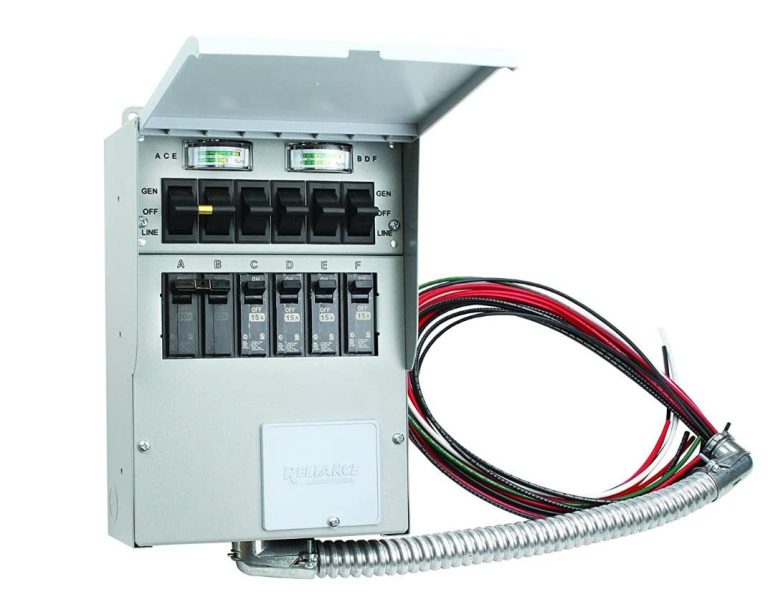
A transfer switch is the only safe way to connect your generator to your home’s wiring. It is a small box that an electrician installs next to your breaker panel. The switch lets you choose between utility power and generator power.
When you flip the switch to generator power, it physically disconnects your house from the grid. This makes backfeeding impossible. Your generator powers only the circuits you select on the transfer switch.
Manual Versus Automatic Transfer Switches
There are two main types. A manual transfer switch requires you to flip a lever when the power goes out. This is the most common choice for portable generators. It is affordable and simple to operate.
An automatic transfer switch is for standby generators that run on natural gas or propane. These systems detect a power loss and start themselves. They cost more but require zero effort on your part.
We recommend a manual transfer switch for most homeowners with a portable generator. The cost is usually between three hundred and six hundred dollars including installation. That is a small price for peace of mind.
Cost of Hiring a Licensed Electrician
You might be tempted to install a transfer switch yourself to save money. That is a bad idea unless you are a licensed electrician. Working inside your breaker panel is dangerous. A mistake can cause a serious shock or start a fire.
Hiring a pro ensures the job is done right. The electrician will also pull the necessary permit and have the work inspected. This protects your insurance coverage and your safety.
Comparing Your Generator Connection Options
We put together a quick comparison to help you see the difference between the three main connection methods. This will make your decision easier.
| Connection Method | Safety Level | Cost | Code Compliant |
|---|---|---|---|
| Extension cords from generator | Safe if used properly | Low | Yes |
| Plugging generator into a wall outlet | Extremely dangerous | Zero upfront | No |
| Manual transfer switch | Very safe | 300 to 600 dollars | Yes |
| Automatic transfer switch | Very safe | 1,000 dollars or more | Yes |
As you can see, extension cords are a fine temporary solution. The transfer switch is the permanent fix. The wall outlet method is never an option.
Portable Generator Safety Checklist
You should always follow basic generator safety rules, no matter how you connect it. These rules prevent injury and property damage. We put together a quick checklist for you.
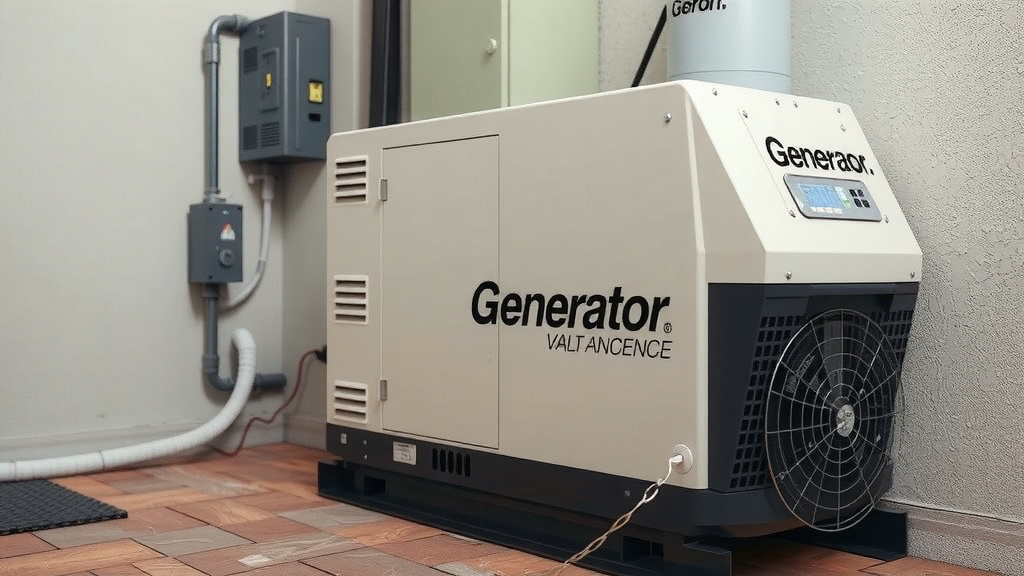
- Always run the generator outdoors, at least 20 feet from your home.
- Never run a generator inside a garage, basement, or shed.
- Keep the generator dry and place it on a level surface.
- Use a carbon monoxide detector inside your home.
- Let the generator cool down before refueling.
- Inspect your cords for damage before each use.
Carbon monoxide poisoning is a silent killer. Generators produce this odorless gas that can be fatal. The Centers for Disease Control and Prevention warns that generator exhaust is deadly in enclosed spaces. Always keep the unit outside and away from windows and doors.
Refueling a hot generator is another common mistake. Gasoline spilled on a hot engine can ignite instantly. Turn the generator off and let it cool for at least 15 minutes before you add fuel.
Common Questions About Generator Connections
We hear a lot of questions from homeowners who want to power their house during an outage. Some of these questions reveal dangerous misconceptions. Let us clear those up.
Can I Use a Double-Ended Extension Cord?
This is a cord with plugs on both ends. One end goes into the generator and the other into a wall outlet. We cannot say this strongly enough: never use a double-ended cord. It is the most direct way to create a backfeeding hazard.
These cords are sometimes called suicide cords, and for good reason. They are a serious safety hazard. No reputable retailer sells them for this purpose. If you see one for sale online, do not buy it.
What If I Turn Off My Main Breaker First?
Some people think they can backfeed safely by turning off the main breaker. The idea is that this disconnects the house from the grid. But this does not protect your appliances or your generator.
Turning off the main breaker does isolate you from the grid, so linemen are safer. However, the generator still sends power through your entire panel. It can still overload and damage your wiring. The transfer switch remains the correct solution.
Is It Okay for Just a Few Hours?
Even a short period of backfeeding is dangerous. It only takes one surge to ruin your electronics. And if a lineman is working nearby, a few minutes is all it takes for a deadly accident. There is no safe amount of time for backfeeding.
We found that many people think an outage is short enough to risk it. The power might come back on while the generator is running. This creates a dangerous situation where two power sources are fighting each other. The result can be a fire in your panel.
Why Hiring a Pro Matters for Generator Safety
Your home is your biggest investment. You would not want to risk it on a guess. A licensed electrician has the training to connect your generator safely. They also know your local codes and permit requirements.
You might think you are handy, and we respect that. But electricity is not forgiving. A mistake can be fatal. The cost of an electrician is a small price compared to the cost of a house fire or a funeral.
When you hire a pro, you get a final inspection too. That inspection confirms your system is safe. You will have the paperwork to show your insurance company if they ever ask. That alone is worth the investment.
Think of it like this. You could try to fix your own brakes to save money. But if you get it wrong, the consequences are severe. The same logic applies to your electrical system. Leave it to the people who do this every day.
At the end of the day, you have safe options. Extension cords work fine for temporary power. A transfer switch gives you permanent convenience. Both are safe and legal. The only wrong answer is plugging that generator into a wall outlet.
Conclusion
You can run a generator without a transfer switch, but the safe path is clear. Using extension cords for individual appliances works well for temporary outages. A manual transfer switch is the only proper way to power your home’s wired circuits.
Backfeeding is a serious risk that can electrocute utility workers and destroy your electronics. It also violates electrical codes and can void your home insurance. We found that skipping this safety step is never worth the danger.
Your next step is simple. If you only need a few essentials, grab some heavy-duty extension cords and run them directly from the generator. If you want whole-house power, call a licensed electrician to install a transfer switch. That investment protects your family, your appliances, and your home.
Frequently Asked Questions
Can I plug my generator into a dryer outlet?
You should never plug a generator into a dryer outlet. That outlet connects directly to your home wiring, which creates the same backfeeding hazard as a regular wall outlet. A dryer outlet uses a different voltage, which can also damage your generator and appliances. Use the generator’s own outlets with extension cords instead.
Will a transfer switch work with any portable generator?
Most manual transfer switches work with standard portable generators. You just need to match the switch capacity to your generator’s wattage. A 5,000-watt generator pairs well with a 30-amp transfer switch. Check your generator’s output and your electrician can recommend the right size. To avoid a dangerous mismatch, our guide to choosing the right size transfer switch explains the key ratings.
How long can I safely run a generator with extension cords?
You can run a generator with extension cords for as long as you need, as long as you follow safety rules. Keep the generator outdoors and use cords rated for the wattage you are pulling. Just remember you can only power appliances that reach the generator. This setup works for days if needed, but it limits what you can run.
What happens if the power comes back on while my generator is running?
If you are using extension cords, nothing bad happens because your generator is not connected to your home wiring. If you are backfeeding, the utility power and generator power will fight each other. This can cause a fire in your panel or destroy your generator. That is another reason to avoid plugging into a wall outlet.
Can I install a transfer switch myself to save money?
We strongly advise against DIY transfer switch installation unless you are a licensed electrician. You will work inside your breaker panel where deadly voltages are present. One mistake can cause a serious shock or an electrical fire. The cost of hiring a pro is worth protecting your family and your home.