How to Use a Generator Transfer Switch Safely
Using a generator transfer switch is simple: you connect your generator to the switch, then flip the main breaker off and the generator breaker on. This safe process lets you power your home without backfeeding electricity into the grid, which protects you and utility workers. Always switch the main power off first before starting your generator.
We found that many homeowners get nervous the first time they use their transfer switch, but it really is just a few straightforward steps. The switch acts like a traffic cop for your power, choosing between utility power and your generator. Understanding your switch layout and knowing which circuits matter most makes the whole process quick and stress-free during an outage.
- Safety first: Always turn off the main breaker before starting your generator to prevent dangerous backfeeding.
- Know your switch: There are manual and automatic models, and each has a slightly different operating routine.
- Pick your circuits: Decide ahead of time which appliances (fridge, lights, furnace) you need to power.
- Connection order: Plug the generator in, start it, then flip the generator breaker on for power.
- Shutdown order: When power returns, reverse the steps: flip the generator breaker off, then turn the main back on.
Below, we’ll walk you through the exact steps for using your transfer switch, whether you’re dealing with a portable generator or a whole-home standby unit. Let’s make sure you’re ready for the next blackout with total confidence.
Getting Familiar with Your Generator Transfer Switch Setup
Before the power goes out, take ten minutes to look at your transfer switch. We found that homeowners who study their switch beforehand handle outages with much less stress. You need to know where your main breaker lives and which circuits your generator will feed.
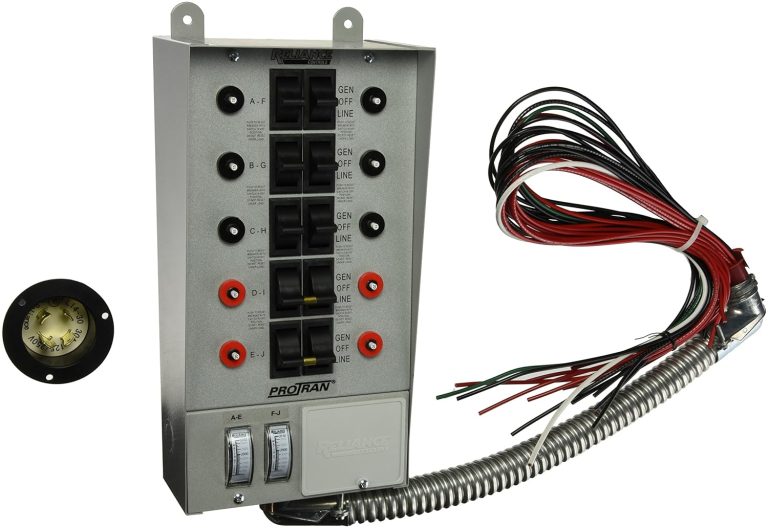
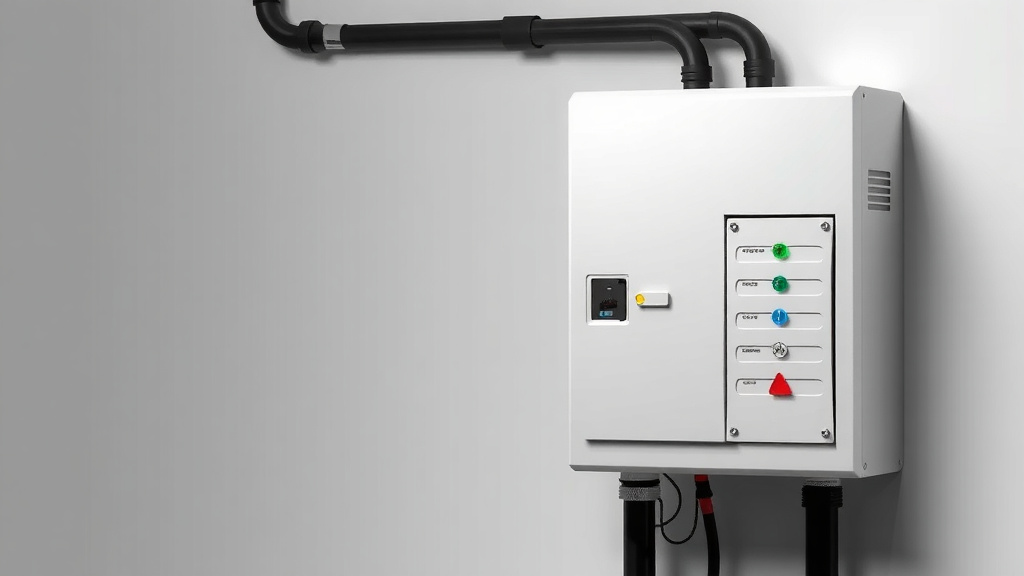
Your transfer switch likely has a lever or a set of breakers. Some models use a sliding interlock plate. Others have individual breakers for each circuit you want to power. Look for labels like “Utility,” “Generator,” or “Off” positions. Understanding this layout now saves you from fumbling in the dark later.
Manual vs. Automatic Transfer Switches
Manual switches require you to physically move levers and flip breakers. Automatic switches sense a power loss and start your standby generator on their own. We recommend knowing which type you own because the steps differ completely.
Manual transfer switches are more common with portable generators. You control everything by hand. Automatic models pair with permanently installed standby units. They handle the entire sequence without you lifting a finger when the grid fails.
Reading the Labels on Your Switch
Most switches clearly mark their positions. You will see “Line,” “Load,” or “Generator” on the cover. Take a photo with your phone for quick reference. Many experts say this simple step prevents confusion during stressful outage moments.
Check your owner’s manual for the specific layout. We found that most brands print a quick-start diagram right on the inside cover. That diagram becomes your best friend when you have only a flashlight and tired eyes.
Preparing Your Home Before You Flip Any Switches
Preparation is half the battle. You want to know exactly which appliances matter most to your household. We suggest making a list while the power is still on, not during the emergency. Your future self will thank you for this foresight.
Decide what you cannot live without during an outage. The refrigerator, a few lights, your furnace blower, and the sump pump usually top the list. Keep your list close to the transfer switch or taped on the door of your electrical panel.
Choosing the Right Circuits for Generator Power
Your generator has a limited power output. You cannot run everything at once. That is why you must prioritize which circuits get connected to the transfer switch. Focus on essentials and avoid high-wattage luxuries like electric ovens or central air conditioning.
We found that a 5,000-watt generator handles about six to eight essential circuits comfortably. That covers your fridge, a well pump, some lights, and the furnace motor. Resist the urge to add more. Overloading your generator causes damage and frustrating shutdowns mid-outage.
- Refrigerator or freezer to protect your food
- Sump pump to prevent basement flooding
- Furnace blower or space heater for warmth
- Well pump for running water
- Kitchen and bathroom lights for safety and visibility
- Phone charger and router for communication and information
Checking Your Generator Fuel and Oil
A generator with an empty tank gives you zero power. Make it a habit to check fuel levels every month. Keep a spare fuel can with stabilizer treatment stored safely. Many guidelines point to fresh fuel as the key to reliable generator performance (CDC).
Check the oil level before every use. Most portable generators have a simple dipstick. Low oil can shut down your engine or cause permanent damage. A two-minute check saves you from a very long evening without electricity.
Using Your Manual Generator Transfer Switch Step by Step
Now we get to the heart of the matter. You have your generator ready and your essential circuits selected. Here is the exact order for connecting everything safely. Follow these steps in sequence and you will avoid dangerous backfeeding.
The golden rule is simple: your main breaker must be off before your generator starts. Backfeeding sends electricity out to the utility lines, which can electrocute line workers. Never skip this step, no matter how rushed you feel.
Step 1: Connect the Generator to the Switch
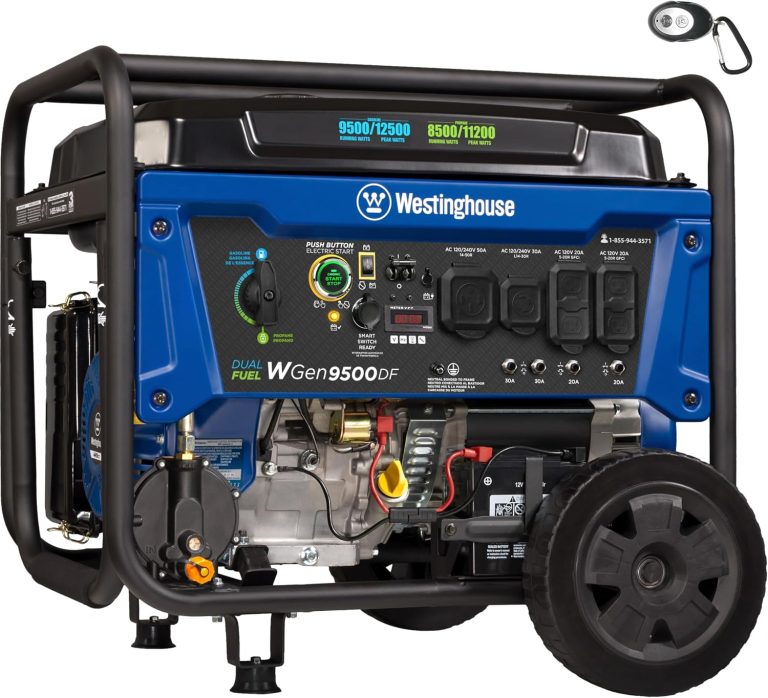
Place your generator outside, far from doors and windows. Use a heavy-duty extension cord rated for outdoor use. Plug the cord into your generator’s outlet first, then connect the other end to the transfer switch inlet box.
Make sure the generator’s breaker is in the OFF position before you plug anything in. This prevents any surprise power flow while you work. Take your time and double-check that the connection feels snug and secure.
Step 2: Turn Off the Main Utility Breaker
Locate your main breaker, usually at the top of your electrical panel. Flip it to the OFF position. Your entire home loses power at this point, including the outlets near your generator. That is exactly what you want to happen.
We found that many people panic when the house goes dark here. Do not worry. Your generator is about to take over. Flipping the main off creates a clean break between your home and the utility grid, which is essential for safety.
Step 3: Switch the Transfer Switch to Generator Position
Move the lever on your transfer switch from “Line” to “Generator.” On interlock systems, slide the plate to cover the main breaker and expose the generator breaker. This action physically prevents both power sources from connecting at the same time.
Some switches have individual breakers for each circuit. Flip them all to the ON position now. Listen for the click that tells you each circuit is locked in place. You should feel a satisfying snap as each breaker engages.
Step 4: Start Your Generator and Wait
Start your generator according to the manufacturer’s instructions. Let it run for two or three minutes to warm up. This stabilizes the voltage and lets the engine reach a steady operating temperature before it takes on your home’s electrical load.
Check that your generator’s output breaker is in the ON position. Once the generator runs smoothly, flip that breaker on. Now, look at your transfer switch. The lights on your selected circuits should come to life. You are officially running on generator power.
Powering Down Your Generator the Right Way
When utility power returns, you must shut down in reverse order. Following the proper sequence prevents damage to your appliances and keeps everyone safe. It also protects your generator from sudden load drops that can stress the engine and alternator.
Wait until the power has been stable for a few minutes before switching back. Sometimes utilities restore service, then lose it again right away. Patience here prevents you from doing the whole dance twice in one hour.
The Safe Shutdown Sequence to Remember
First, turn off the generator’s output breaker. Then flip the circuits on your transfer switch back to the “Line” position. These two steps disconnect your home from the generator and reconnect it to the grid.
Next, turn off your generator itself and let it cool down for a few minutes. Finally, flip the main utility breaker back to the ON position. You are back on normal power with everything safe and sound.
| Power Up Sequence | Shutdown Sequence |
|---|---|
| Plug generator into transfer switch | Turn off generator output breaker |
| Turn off main utility breaker | Flip transfer switch to line position |
| Set transfer switch to generator | Turn off the generator engine |
| Start the generator and let it warm up | Wait for the generator to cool |
| Turn on generator output breaker | Turn on main utility breaker |
Operating an Automatic Transfer Switch with a Standby Generator
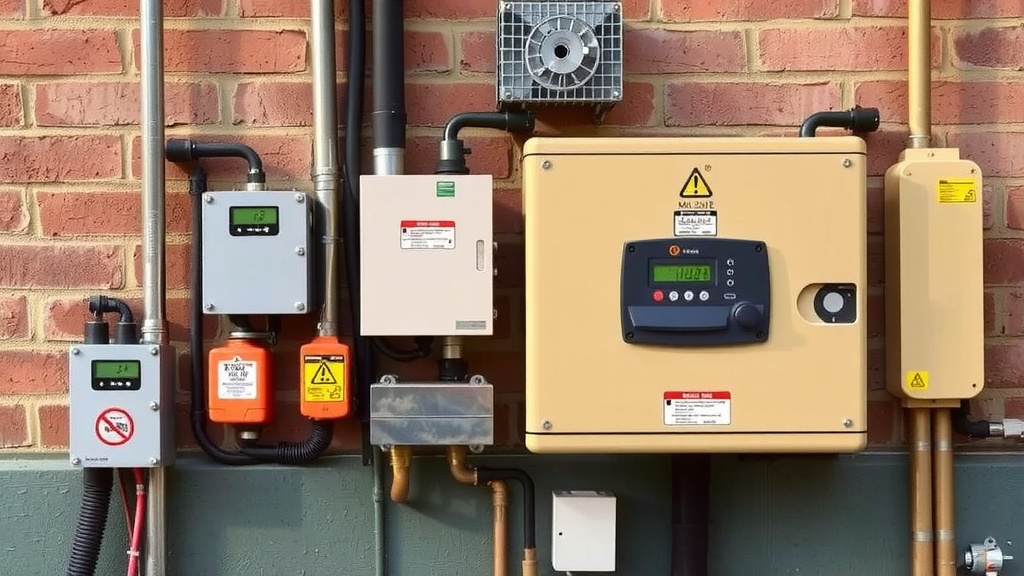
Automatic transfer switches do the heavy lifting for you. These systems pair with permanently installed standby generators. When utility power drops, sensors detect the loss and start your generator automatically within seconds. Research found that automatic standby systems usually restore power in under 15 seconds (U.S. Department of Energy).
You still need to understand basic operation, though. The switch will transfer your home’s load from utility to generator without any action on your part. That is the beauty of the system. You simply wait for the lights to come back on.
What Happens When Power Comes Back
Your automatic switch monitors the utility line constantly. When power returns and stabilizes, the switch waits a few minutes to make sure it holds. Then it transfers your home back to grid power and tells the generator to shut down.
This exercise period keeps your generator healthy. Most systems run a self-test weekly to ensure the engine starts and the battery holds a charge. Follow your maintenance schedule to keep everything ready for the real event.
When You Need to Intervene Manually
Sometimes automatic systems fail to start the generator. The battery might be dead, fuel could be low, or a mechanic issue exists. Your transfer switch usually has a manual bypass lever that lets you operate it like a manual model.
Look for a handle or a small switch labeled “Manual.” Engage it carefully and follow the same sequence as a manual unit. Many homeowners find that understanding manual operation gives them confidence even with an automatic system installed.
Common Mistakes to Avoid with Your Transfer Switch
We found that most generator-related accidents stem from a handful of predictable errors. Knowing what to avoid keeps you safe and saves your equipment from damage. Simple awareness goes a long way toward a smooth power outage experience.
The biggest mistake we see is rushing the sequence. People get excited when the lights come on and skip the shutdown protocol. Slow down and follow your checklist every single time. Your safety depends on consistency.
The Dangers of Backfeeding and How to Prevent It
Backfeeding is the single most dangerous mistake you can make with a generator. It sends electricity from your generator backwards through the utility transformer and out onto the grid. That stray current can seriously injure or kill a utility worker doing repairs.
Your transfer switch exists specifically to prevent this scenario. The mechanical interlock or the transfer mechanism physically blocks both sources from connecting at once. This is why professional electricians strongly recommend transfer switches over extension cord shortcuts (National Fire Protection Association).
Sizing Your Generator and Transfer Switch Correctly
An undersized generator will constantly trip its breaker when you add too many loads. An oversized transfer switch costs more money than you need to spend. Matching your generator to your switch and your essential circuits keeps everything running smoothly.
Use the running watts, not just the starting watts, when calculating your total load. Motors like the sump pump and fridge compressor have a surge when they start. Your generator needs enough headroom to handle those brief spikes without stalling out.
If you are unsure about sizing, consult a licensed electrician. Many experts say that professional guidance is worth the cost when dealing with electrical connections. A small investment now prevents frustrating outages later.
Testing Your Transfer Switch Before an Emergency
Do not wait for a storm to test your setup for the first time. Run through the entire process on a sunny afternoon when you have daylight and patience. We found that a practice run reveals issues you never would have guessed existed.
Use your test session to verify that all your selected circuits actually work. Flick on lights, open the fridge, and listen for the sump pump. Confirm your generator handles the load without bogging down or tripping breakers.
Weekly and Monthly Maintenance for Your Switch
Your transfer switch requires minimal maintenance but benefits from regular attention. We recommend a monthly test that includes starting the generator and exercising the switch. This keeps moving parts loose and confirms all connections remain solid.
For automatic systems, set a reminder to check the battery voltage every season. Standby generators use a small battery to crank the engine. A weak battery is the most common reason an automatic system fails to start during an outage.
Also, inspect the inlet box and your generator’s power cord for wear. Cracks, frayed wires, or loose prongs signal it is time for a replacement. Electrical safety depends on clean, undamaged components every time.
The Pre-Outage Checklist
Make this checklist your ritual before any storm season begins. You can also keep it printed and stored with your generator. We keep ours taped to the transfer switch cover for quick reference when the lights go out.
- Check fuel level and add fresh gasoline or confirm propane tank fill
- Inspect oil and top off if needed
- Verify the power cord
Conclusion
You now have everything you need to use your generator transfer switch with confidence. The golden rules are simple: turn off the main breaker before starting your generator, and always reverse the sequence when power returns. Keep your essential circuits pre-selected so you never have to think twice during an outage.
We urge you to practice the full process today, not when a storm is bearing down. Run through the steps with your generator outside and your switch labeled. A full dry run takes twenty minutes and could save you from a cold, dark night. You are ready for this.
Frequently Asked Questions
Can I install a generator transfer switch myself?
You can if you have solid electrical experience, but most homeowners should call a licensed electrician. This device connects directly to your home’s wiring and the utility grid. A professional ensures the installation follows local codes and meets your generator’s specific requirements.
Do I need a transfer switch for a small inverter generator?
Yes, you absolutely do. Even a small generator can backfeed electricity into the grid and endanger utility workers. Any generator connected to your home’s wiring needs a transfer switch, regardless of wattage. The size of the generator does not change the safety requirements.
How many watts do I need to run my house on a transfer switch?
A 5,000 to 7,500-watt portable generator covers most essential circuits for an average home. That typically powers a refrigerator, furnace blower, well pump, sump pump, and several lights. You need a larger standby unit if you want to run central air conditioning or a full electric water heater.
Will a transfer switch damage my appliances?
No, a properly installed transfer switch protects your appliances. It delivers clean power at the correct voltage through your generator’s regulated output. The switch also prevents surges from the grid from reaching your equipment during transitions. Your appliances are actually safer than they would be without the switch.
What size extension cord do I need between my generator and transfer switch?
You need a heavy-duty cord rated for the generator’s amperage and the distance to the switch. A 30-amp generator requires a 10-gauge cord, while 50-amp units need an 8-gauge cord. Always use the shortest cord possible to reduce voltage drop and always use one rated for outdoor exposure.