Home Generator vs Solar Panels: Which Is Better During Power Outages?
When the lights go out, panic sets in. You’re standing in your home, surrounded by darkness, and suddenly you realize just how dependent we’ve become on electricity. But here’s the thing—you don’t have to sit in that darkness anymore. If you’re like most homeowners, you’ve probably wondered whether you should invest in a home generator or solar panels to keep the power flowing when the grid fails. It’s a question that deserves a thoughtful answer, not just a quick recommendation.
The truth is, both home generators and solar panels have their place in the backup power conversation. But they work differently, they cost different amounts, and they serve different purposes in different situations. Let me walk you through exactly what you need to know to make the right choice for your home and family.
Outline: What We’ll Cover
- Understanding how home generators work
- The fundamentals of solar panel systems
- Comparing costs and initial investment
- How each performs during actual outages
- Maintenance and reliability factors
- Environmental impact and sustainability
- Long-term savings potential
- Combining both systems for maximum protection
- Real-world scenarios and use cases
- Making your final decision
Understanding Home Generators: The Quick Fix
A home generator is like having a backup energy source that springs into action the moment you need it. Think of it as an insurance policy that activates immediately when disaster strikes. These machines come in two main varieties: portable generators and standby generators.
How Traditional Home Generators Work
Generators operate on a simple principle. They burn fuel—usually gasoline, propane, or natural gas—to power an internal combustion engine. That engine spins a rotor inside a magnetic field, which creates electrical current that flows into your home. It’s straightforward technology that’s been around for decades, and it’s proven to be reliable.
Standby generators, which are permanently installed outside your home, automatically kick in within seconds of detecting a power outage. You don’t have to do anything. One moment you’re sitting in darkness, and the next, your essential systems are humming along as if nothing happened. That’s the beauty of automatic activation.
Types of Generators Available
- Portable generators: Smaller, moveable units good for temporary power needs
- Standby generators: Permanently installed systems that activate automatically
- Inverter generators: Quieter models that produce cleaner power for sensitive electronics
- Dual-fuel generators: Can switch between propane and gasoline for flexibility
Solar Panels: The Sustainable Alternative
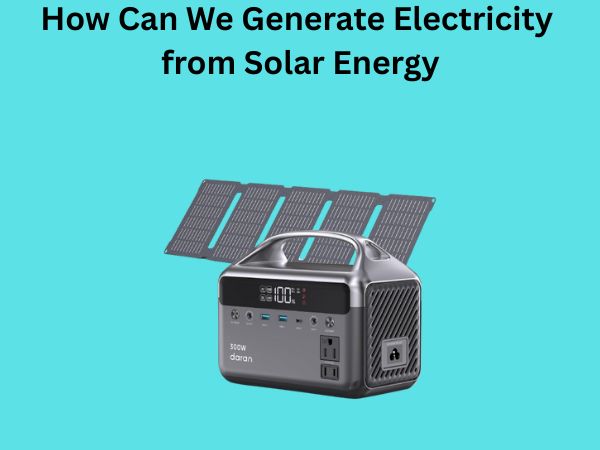
Solar panels work on an entirely different philosophy. Instead of burning fuel to create electricity, they capture energy directly from the sun and convert it into usable power. It’s like having your own personal power plant on your roof.
How Solar Systems Generate Power
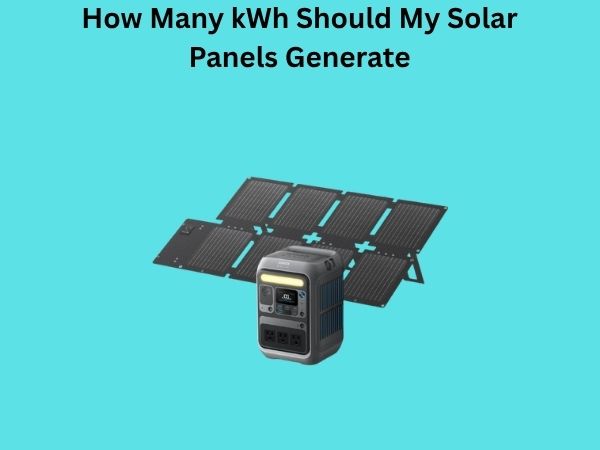
Solar panels contain photovoltaic cells that convert sunlight into direct current electricity. An inverter then transforms this into alternating current, which is what your home actually uses. It’s a silent, clean process that produces zero emissions and requires no fuel.
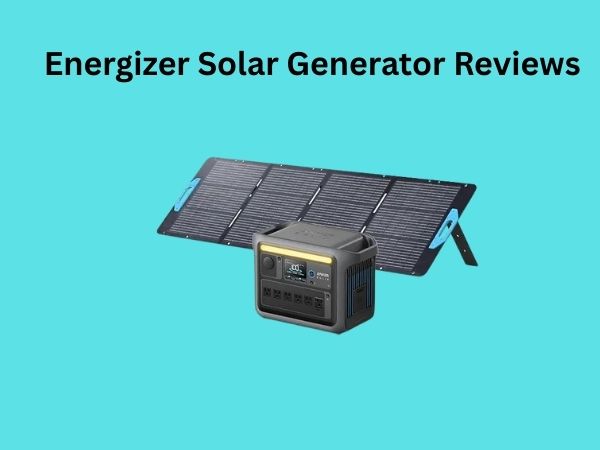
To use solar panels as a backup power source during outages, you need more than just the panels themselves. You need a battery storage system—typically lithium-ion batteries—to store the energy your panels generate during the day so you can use it at night or during cloudy weather when your outage occurs.
Solar System Components You’ll Need
- Solar panels mounted on your roof or ground
- Battery storage system for storing excess energy
- Inverter to convert DC to AC power
- Monitoring system to track performance
- Mounting hardware and electrical components
Cost Comparison: The Financial Reality
Home Generator Initial Investment
A quality standby generator for your home typically costs between $3,000 and $6,000 for the unit itself, plus another $1,000 to $3,000 for professional installation. Portable generators are cheaper upfront, ranging from $300 to $1,500, but they’re not automatic and won’t keep your whole home running.
Beyond the installation costs, you need to factor in fuel storage. You’ll be purchasing propane, natural gas, or gasoline regularly, which adds ongoing expenses. A standby generator running constantly during an extended outage can burn through fuel quickly—sometimes 5 to 15 gallons per day depending on the model and load.
Solar Panels and Battery Storage Costs
Solar panels are significantly more expensive upfront. A complete solar system with battery backup for an average home costs between $15,000 and $25,000 before incentives. This seems like a lot, and it is, but here’s where the math gets interesting.
Federal tax credits can reduce your costs by 30 percent in many cases. State and local incentives may offer additional savings. Some homeowners also qualify for favorable financing options that spread costs over time, making the monthly payment comparable to what they currently pay for electricity.
Operating Costs Comparison
Once installed, solar panels have virtually no operating costs. They don’t require fuel, and maintenance is minimal—basically just occasional cleaning. Generators, by contrast, demand regular maintenance, fuel purchases, and occasional repairs. Over a 20-year period, the ongoing costs of operating a generator can easily exceed $5,000 to $10,000.
Performance During Power Outages: The Critical Test
How Generators Handle Extended Outages
This is where generators shine. The moment an outage begins, your standby generator activates automatically. It doesn’t matter if it’s midnight, cloudy, or raining. Your generator will produce power as long as you have fuel. That’s incredibly reassuring if you’re facing a multi-day or multi-week outage.
For many people, this reliability is the primary selling point. You’re not dependent on weather conditions. You’re not hoping the sun comes out tomorrow. Your power is guaranteed as long as you have fuel in the tank.
Solar Systems During Outages: The Limitations and Solutions
Here’s the honest truth about solar during an outage: if you don’t have battery storage, your solar panels are essentially worthless. Most grid-tied solar systems are designed to shut down during outages for safety reasons. The panels produce power, but you can’t use it.
With battery backup, solar becomes much more valuable. During the day, your panels charge your batteries while powering your home directly. At night, you draw from the stored energy. The catch is that your battery storage is finite. In a multi-day outage with cloudy weather, you could deplete your batteries faster than they can recharge.
Many people solve this problem by installing a hybrid system that combines solar panels with battery storage and a generator as a backup. This gives you the best of both worlds.
Maintenance Requirements and Reliability
Generator Maintenance Needs
Generators require regular attention to stay ready for action. You should run them monthly for about 20 minutes to keep fuel flowing through the system and ensure they’ll start when needed. Oil changes are necessary, typically every 50 to 100 hours of operation. Batteries need periodic testing and replacement.
The fuel itself degrades over time. Gasoline can break down and leave deposits that clog your generator’s fuel system. Propane lasts longer, but you still need to manage supply levels and schedule refills proactively.
Solar System Maintenance
Solar panels are remarkably low-maintenance. They have no moving parts and no fuel to degrade. Twice a year, you should clean them off to remove dirt, leaves, and debris that might reduce efficiency. That’s it for the panels themselves.
Batteries require more attention. Modern lithium-ion batteries are robust, but you should monitor their performance through your system’s app and have them professionally inspected every few years. Inverters occasionally need software updates, but this is usually done remotely.
In terms of sheer reliability and “set it and forget it” operation, solar panels win. They won’t let you down due to maintenance oversights.
Environmental Impact and Sustainability
The Environmental Cost of Generators
Every time your generator runs, it’s burning fossil fuel and producing emissions. We’re talking about carbon dioxide, nitrogen oxides, and particulate matter. During a major outage lasting days or weeks, a single home’s generator can contribute meaningfully to air pollution.
This isn’t just an environmental concern—it affects your neighbors’ health too. If multiple generators are running in your neighborhood during an outage, air quality can decline noticeably.
The Clean Energy Advantage of Solar
Solar produces zero emissions during operation. Zero. It’s completely clean energy derived from the sun’s endless supply. Over a 25-year lifespan, a single solar panel system prevents tons of carbon dioxide from entering the atmosphere compared to using grid electricity or generator power.
The manufacturing process for solar panels and batteries does have environmental costs, but these are offset within the first few years of operation. It’s a net positive for the environment.
Long-Term Savings and Return on Investment
Generator Financial Timeline
A generator provides immediate value for security and peace of mind, but it doesn’t reduce your regular electricity bills. It’s a pure insurance cost. If you never experience a major outage, it’s money spent on something you didn’t use. Even in areas with frequent outages, generators don’t create financial savings—they just prevent losses.
Over 20 years, you’re looking at fuel costs of $5,000 to $10,000, maintenance expenses of $2,000 to $4,000, and potential repairs of $1,000 to $3,000. Plus the initial $4,000 to $9,000 investment. Total cost: easily $12,000 to $26,000 with no financial return.
Solar’s Long-Term Financial Benefits
This is where solar becomes financially compelling. Yes, the upfront cost is higher. But here’s what happens next: every month, your solar panels reduce your electricity bill. Depending on your location and system size, this reduction could be $100 to $300 monthly.
Over 20 years, that’s $24,000 to $72,000 in electricity savings. When you subtract the initial investment and account for the 30 percent federal tax credit, many homeowners achieve payback in 5 to 8 years. The remaining 12 to 15 years of the system’s lifespan is essentially free electricity.
Plus, solar panels increase your home’s resale value. Studies show homes with solar sell for approximately 4 percent more than comparable homes without solar.
Real-World Scenarios: When Each System Excels
When Generators Make the Most Sense
- You live in an area with very frequent or prolonged outages
- Your climate is consistently cloudy or has long winter nights
- You’re renting and can’t install permanent solar
- You need to power high-demand appliances like electric water heaters or air conditioning
- You can’t afford the upfront solar investment
- Your roof isn’t suitable for solar panels
When Solar Panels Are the Better Choice
- You have a good roof with southern exposure and minimal shade
- You can afford the upfront investment or find financing
- You want to reduce your electricity bill long-term
- You’re environmentally conscious
- You live in a sunny climate with infrequent outages
- You plan to stay in your home for at least 10 years
- You want energy independence and protection against rising electricity rates
The Hybrid Approach: Getting the Best of Both Worlds
Why Many Homeowners Choose Hybrid Systems
The smartest solution for many homeowners isn’t choosing one or the other—it’s combining both. Install solar panels with battery storage as your primary backup system. Add a standby generator as a final safety net for extended outages with poor weather.
This approach gives you clean, silent power most of the time from solar. When your batteries are depleted and the sun isn’t shining, your generator kicks in. You get the environmental benefits and cost savings of solar without the anxiety of potential battery depletion during a crisis.
Cost and Implementation Considerations
A hybrid system costs more upfront than either option alone—roughly $18,000 to $30,000 before incentives. But it’s often cheaper than purchasing both systems separately because some components can be shared.
The good news is you don’t have to install everything simultaneously. Many people start with a generator for immediate protection, then add solar and battery storage over time as budget allows.
Making Your Final Decision: A Practical Roadmap
Step 1: Assess Your Outage Risk
Research your area’s outage history. How often does the power go out? How long do outages typically last? Is your outage risk increasing due to aging infrastructure or extreme weather? This information shapes everything else.
Step 2: Evaluate Your Home’s Suitability
If you’re considering solar, have your roof inspected. Does it face south? Is it shaded by trees? What’s its age and condition? You might need a new roof before solar installation, which adds cost.
Also consider your space. Standby generators need a dedicated location outside. Solar panels need roof or ground space. Do you have room for what you want to install?
Step 3: Calculate Your Financial Situation
How much can you invest upfront? What’s your monthly electricity bill? Are you eligible for tax credits and rebates? Plug these numbers into the calculator tools on your state’s energy office website.
Step 4: Consider Your Lifestyle and Values
Do you mind maintenance tasks? Are you concerned about environmental impact? Do you want to reduce your electricity bill, or are you primarily focused on emergency backup? Your personal preferences matter here.
Step 5: Get Professional Quotes
Contact solar installers and generator dealers in your area. Get detailed quotes that include all costs, warranties, and long-term maintenance expectations. Don’t just look at price—evaluate the company’s reputation and warranty offerings too.
Conclusion
So, which is better—a home generator or solar panels? The honest answer is that it depends on your specific situation, but I’ll give you my perspective.
If you need backup power immediately and can’t wait for financial returns, a generator is the practical choice. It’s proven, reliable, and provides instant peace of mind regardless of weather or time of day.
But if you can afford the upfront investment and your home is suitable for solar, you’re looking at a far superior long-term solution. Solar panels pay for themselves, reduce your electricity bills for decades, increase your home’s value, and help the environment—all while providing backup power through battery storage.
The most effective strategy many homeowners adopt is the hybrid approach: solar panels with battery storage as your primary system, supported by a generator as a final backup for extreme scenarios. This gives you the best protection and the most financial benefit.
Whatever you choose