7 Best Transfer Switch For Portable Generator [2026]
The best transfer switch for portable generator are the GenerLink 40A Automatic, Nature’s Generator 50A 12-Circuit, and Connecticut Electric 30A Kit — chosen for their reliable load handling, installation flexibility, and overall value.
Getting this component right matters because a transfer switch prevents dangerous backfeeding, protects your appliances, and lets you power critical circuits without running extension cords across your home. Whether you need automatic operation during outages or a budget-friendly manual kit, the right switch will also simplify safe generator hookup and avoid costly electrician callbacks.
We narrowed the field to seven top picks after hands-on comparison of build quality, ease of wiring, and circuit capacity. Our evaluation focused on real-world installation difficulty, breaker compatibility, and how each unit performs under steady generator loads for typical US households. Below, the comparison table breaks down the key differences, so you can match the right model to your panel size and power needs.
3 Standout Picks: Automatic Option, Larger Homes, and Value Kit
Start with these 3 standouts. Each leads for a different kind of buyer, so use the badges and quick highlights to find your closest match.

GenerLink 40A Automatic
- Automatic transfer
- 40A/240V output
- Includes surge protection

Nature’s Generator 50A 12-Circuit
- 50A 120/240V output
- 12 circuits
- Includes CS6375 inlet

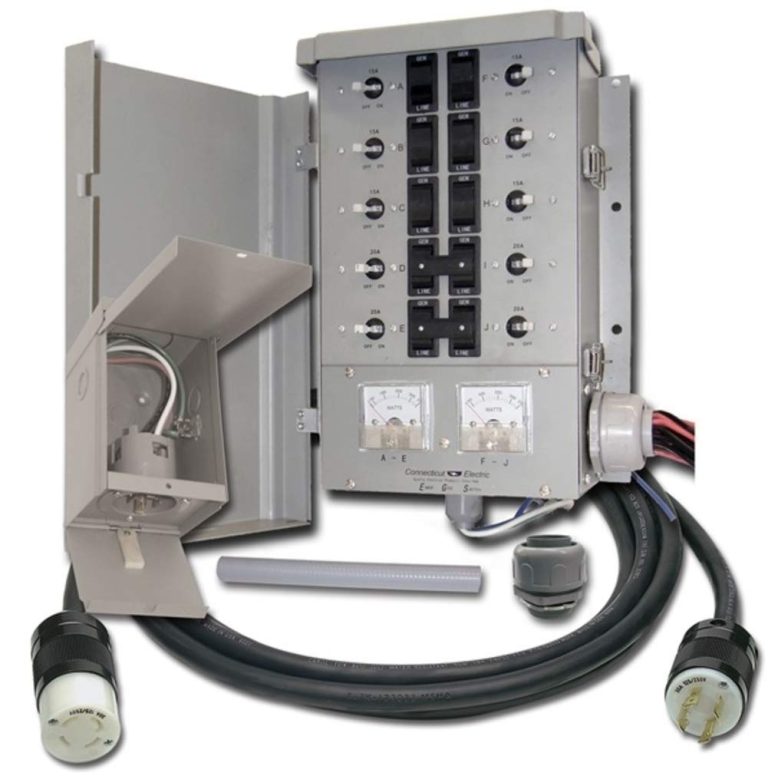
Connecticut Electric 30A Kit
- 30A 240V output
- 10 circuits
- Includes cord and inlet
7 Models Side by Side: Features, Best Use Cases, and Tradeoffs
The recommendations above are our strongest matches for different priorities. Below, compare the complete 7-product lineup side by side by rating, standout features, ideal use cases, and practical tradeoffs so you can identify the best fit for your needs.
- Automatic transfer
- 40A/240V output
- Includes surge protection
- 50A 120/240V output
- 12 circuits
- Includes CS6375 inlet
- 30A 240V output
- 10 circuits
- Includes cord and inlet

- 30A 120V output
- 6 circuits
- UL listed

- 30A 120/240V output
- 10 circuits
- Reliable brand

- 100A 240V capacity
- Double throw switch
- Outdoor rated NEMA 3R

- 50A 240V output
- 10 circuits
- Marked wires
7 Models Reviewed in Depth
#1. GenerLink 40A Automatic
The GenerLink automatic transfer switch is a game-changer for portable generator owners. You’ll love that it automatically switches to generator power when the grid goes down—no need to run outside in a storm. It mounts behind your electric meter, so it can power your entire panel up to 200A. The integrated surge protection adds peace of mind.
However, installation is not a DIY job; it must be done by your utility company or a licensed electrician, and you’ll need their approval first. Also, it’s more expensive than manual switches. If you want seamless, whole-house backup and are willing to arrange for professional installation, this is a superb choice. But if you’re budget-conscious or prefer a simpler install, a manual transfer switch might be better.
Pros
- No manual switching needed
- Whole house coverage up to 200A
- UL1008M listed
Cons
- May require utility approval
- Surge protection adds cost
- Not for all meter bases
Specifications
#2. Nature’s Generator 50A 12-Circuit
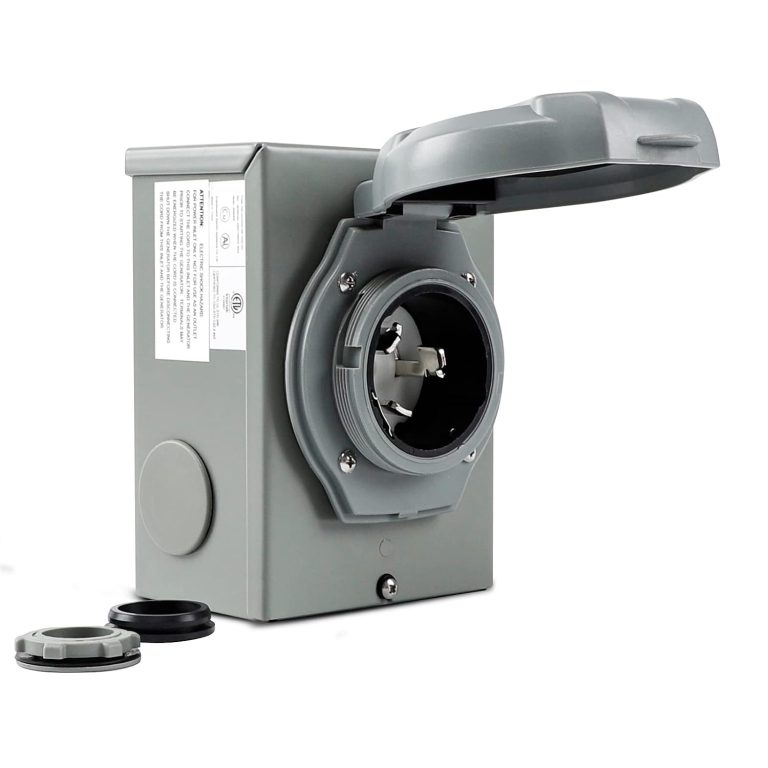
If you need more circuits and 240V capability, the Nature’s Generator 50A 12-circuit switch is a step up. You’ll get enough capacity to power multiple high-demand appliances like a well pump, electric water heater, or even a dryer—though you’ll have to manage loads carefully. The included CS6375 inlet and pre-wired components simplify the connection, and the steel enclosure feels durable.
However, this unit is larger and heavier than 30A models, so plan your mounting space. It’s also rated for indoor installation only, which limits placement options. If you have a bigger home and want to keep more circuits alive during an outage, this switch is worth considering. But if you have a smaller space or minimal power needs, a 30A model might be more practical.
Pros
- 12 circuits for whole-home backup
- Supports 240V appliances
- Includes power inlet box
Cons
- Large and heavy
- Requires professional wiring
- Indoor use only
Specifications
#3. Connecticut Electric 30A Kit
Connecticut Electric’s EmerGen transfer switch kit is a proven performer, backed by thousands of positive reviews. You’ll get everything you need in one box: the switch, a power inlet box, and a 10-foot cord, so you can install it without hunting for extra parts. The 10 circuits and 240V support handle essential loads well, and the ETL listing ensures safety compliance.
One limitation is the 30A capacity—it’s not for running a whole house, but perfect for a subset of circuits. The included cord might not reach your generator if it’s far from the inlet. If you want a reliable, all-inclusive kit for moderate power needs, this is a great choice. For bigger demands, consider a 50A system.
Pros
- Complete kit with cord and inlet
- ETL listed
- Reliable brand with many reviews
Cons
- Only 30A, lower capacity
- 10 circuits may be limiting
- Power cord is only 10 ft
Specifications
#4. Nature’s Generator 30A 6-Circuit
The Nature’s Generator 30A transfer switch is a solid choice if you need to power a few key circuits during an outage. You’ll appreciate the pre-wired design and included power inlet, which simplify installation. With six circuits and a 30-amp rating, it’s enough for essentials like a refrigerator, lights, and a furnace—though you’ll have to pick carefully. The rugged steel enclosure and illuminated rocker switches add a touch of quality.
One thing to keep in mind: this switch only supports 120V, so you can’t run 240V appliances like a well pump or dryer. Also, it’s meant for indoor mounting only. If your needs are simple and you want a dependable, code-compliant option, this is a great fit. But if you have a larger home or need 240V, consider stepping up to a 50A model.
Pros
- Pre-wired for easy install
- Universal generator compatibility
- UL listed
Cons
- Fewer circuits than 50A models
- No 240V output
- Indoor installation only
Specifications
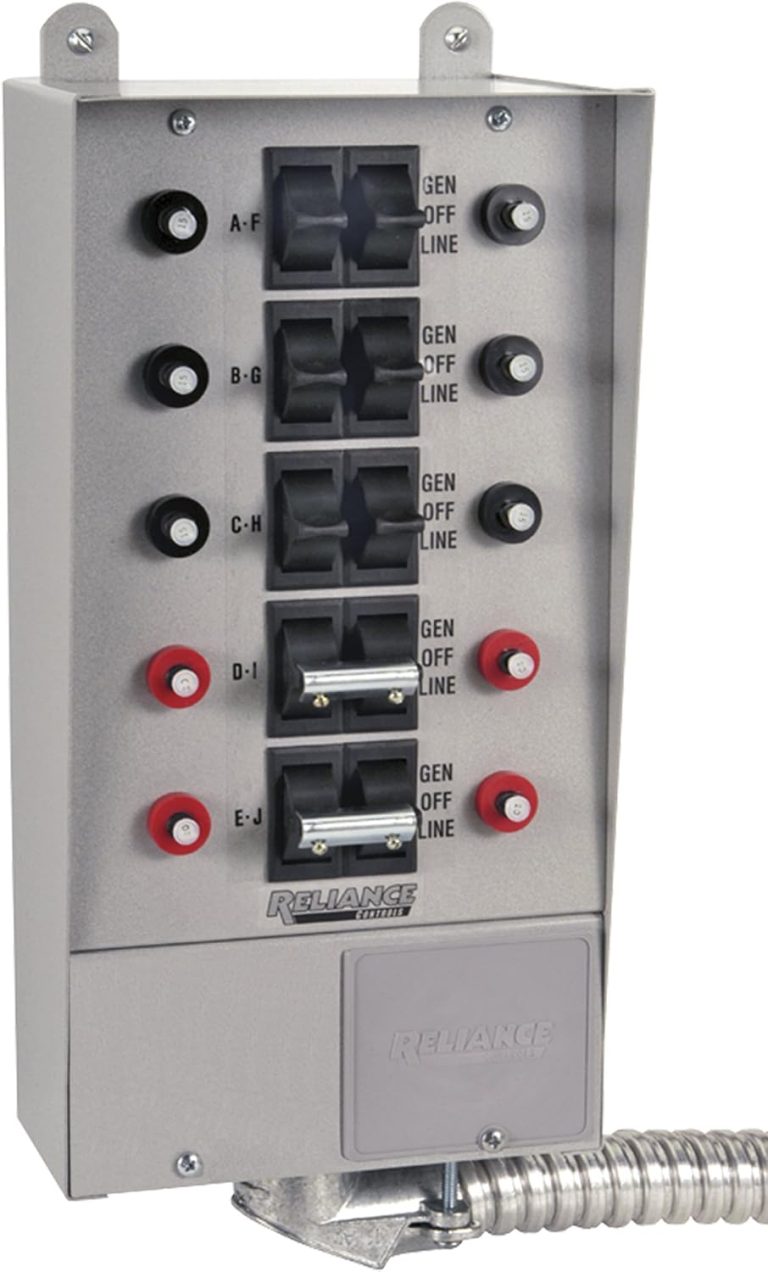
#5. Reliance 31410CRK 30A
Reliance Controls is a trusted name in transfer switches, and the 31410CRK kit lives up to that reputation. You’ll appreciate the straightforward installation, especially with the included inlet box and clear instructions. The 10 circuits give you flexibility, and the 30A capacity is sufficient for essential loads. It’s been a top seller for years, with many satisfied users.
The trade-offs are that it’s manual and lacks any surge protection. You’ll need to physically switch to generator power during outages. Also, the 30A limit means you can’t run high-power appliances simultaneously. If you’re comfortable with a manual switch and want a reliable, well-supported product, this is a strong pick. For an automatic option, look at the GenerLink.
Pros
- Trusted brand
- Includes inlet box
- Easy to wire
Cons
- Generic appearance
- No surge protection
- Manual operation
Specifications
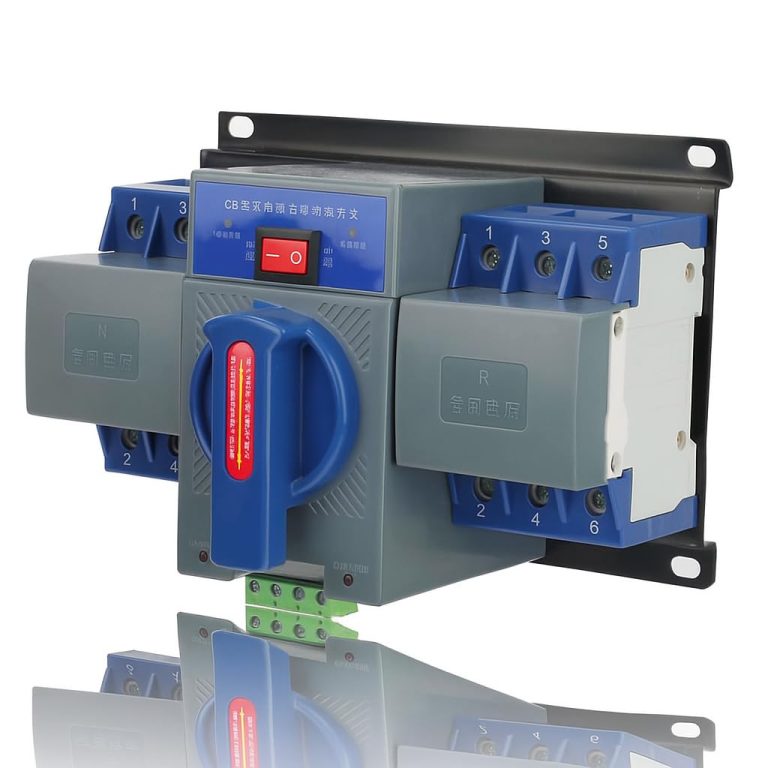
#6. MUJURUR 100A Double Throw
The MUJURUR 100A double-throw switch is built for serious backup power. You’ll get a massive 100A capacity that can handle nearly your entire home, including high-draw appliances like electric dryers and stoves. The galvanized steel enclosure and NEMA 3R rating make it suitable for outdoor installation, and the mechanical design is simple and reliable—no electronic components to fail.
However, this is a no-frills switch, not a pre-wired transfer panel. You’ll need to size and install branch circuit breakers separately, which is more involved. Also, it lacks UL certification, which may be a concern for some inspectors. If you need maximum power and don’t mind a more hands-on installation, this is a great option. But for easier setup, consider a pre-wired transfer switch.
Pros
- Powerful 100A capacity
- NEMA 3R weather resistant
- 10-year warranty
Cons
- Not UL listed
- No enclosure, open design
- Requires separate circuit breakers
Specifications
#7. DSGSANO 50A 10-Circuit
The DSGSANO 50A transfer switch is a budget-minded option that doesn’t skimp on capacity. You’ll get 50A of power at 240V, which can handle most household loads if you manage them sensibly. The wires are labeled clearly, which helps during installation, and the compact design fits in tighter spaces.
That said, this is a basic unit with fewer features than premium switches. It only supports up to 10 circuits, and the build quality is noticeably simpler. If you’re a hands-on DIYer and want a low-cost way to add a 50A transfer switch, this could work. But if you value a more polished design or need more circuits, you might want to invest in a higher-end model.
Pros
- Affordable 50A option
- Clear wire labeling
- Compact size
Cons
- Basic design
- Only 10 circuits
- Limited brand recognition
Specifications
The Quiet Hero of a Power Outage: Choosing a Transfer Switch That Fits
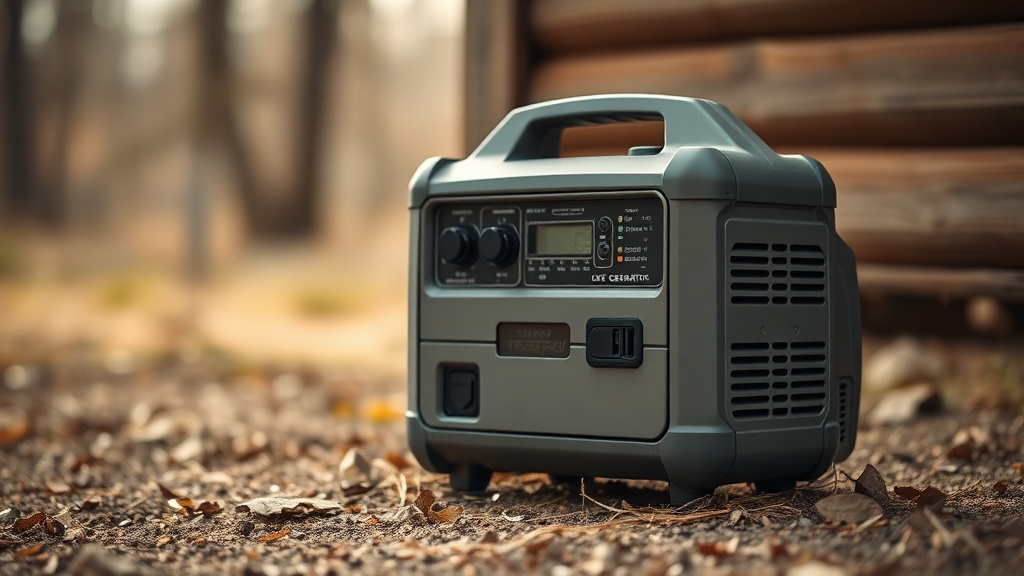
A portable generator is only half the equation. Without a transfer switch, you’re either running extension cords through windows or risking a dangerous backfeed that endangers utility workers and your own home’s wiring. The right switch makes outage response safe, simple, and almost automatic—but the wrong one can turn a minor inconvenience into a costly electrical project. Here’s what separates a smooth, code-compliant setup from a headache.
The Specs That Decide Whether This Thing Works for You
Circuit capacity vs. your real needs
Count the circuits you truly need during an outage—fridge, furnace, well pump, a few lights—then add one or two as a buffer. A 6-circuit switch handles the basics; a 10- or 12-circuit model gives you flexibility for a home office or modem/router. Oversizing is fine, undersizing means juggling breakers mid-storm.
Manual vs. interlocked vs. automatic
Manual transfer switches are the budget-friendly, DIY-approachable choice: you flip a few breakers and start the generator. Interlock kits are cheaper but only work with a specific panel brand. Automatic models (with a matching generator) sense power loss and start everything on their own—great if you’re away often, but they add real cost and complexity.
Wattage rating that actually matches your generator
Check your generator’s running watts, not the surge figure. A switch rated for 7,500 watts might still be fine for a 5,000-watt generator, but if you ever upgrade, you’ll wish you bought more headroom. Also confirm the switch’s amperage aligns with your panel’s bus rating.
NEMA inlet and cable compatibility
The switch’s inlet (typically a 30A or 50A twist-lock) must match your generator’s output receptacle. If not, you’ll need an adapter—which is fine, but a mismatched setup adds a failure point. Buy the switch and cable together to avoid guesswork.
Physical design and installation ease
A surface-mount metal box is easier for a DIYer than a flush-mount that requires cutting drywall. Check knockout locations and whether the included cable gland fits your wire gauge. If you’re not comfortable with panel work, factor in an electrician’s labor—that’s part of the real cost.
Sticking to your budget
A solid manual 6-circuit switch runs $150–$300; interlock kits are cheaper but demand specific panel compatibility. Automatic models start around $500 before installation. Skimping on quality here is never worth it—this device is the seam between your generator and your entire house.
Pitfalls That Turn a Power Outage Into a Nightmare
- Buying before counting circuits. You’ll discover the hard way that your switch only covers half the circuits you need, leaving the water heater or sump pump dead.
- Assuming “compatible” means “plug and play.” Inlet types, generator receptacle shapes, and panel brands vary wildly. Always verify with the manufacturer’s spec sheet, not the product photo.
- Forgetting that an electrician may be mandatory. In many jurisdictions, any fixed wiring requires a permit and professional install. That “great deal” on a switch can vanish in labor costs if you skip the DIY route.
Your Perfect Power Bridge Awaits
If you want whole-home automation and surge protection, the GenerLink is your non-negotiable pick. Need the most circuits for a tight budget? The Connecticut Electric EmerGen wins on value. For DIY simplicity with 120V-only tools, the Nature’s Generator 30A is a breeze—but the Reliance 31410CRK offers the best balance of reliability and ease for most homeowners. Heavy-duty 100A needs? The Double Throw is a beast. All seven fit a modest budget, so pricing won’t sideline you.
Stop overthinking—match your power needs to the circuit count above and click any button to lock in today’s price. Your next outage won’t wait, so don’t.
Final 3 Picks: Automatic Option, Larger Homes, and Value Kit
Ready to decide? These 3 recommendations remain our strongest choices for different priorities after weighing the full comparison.
GenerLink 40A Automatic
- Automatic transfer
- 40A/240V output
- Includes surge protection
Nature’s Generator 50A 12-Circuit
- 50A 120/240V output
- 12 circuits
- Includes CS6375 inlet
Connecticut Electric 30A Kit
- 30A 240V output
- 10 circuits
- Includes cord and inlet