7 Best Transfer Switch For Home Generator [2026]
The best transfer switches for a home generator are the Generac HomeLink 50A, Nature’s Generator 50A, and Connecticut Electric 30A — chosen for their reliable automatic operation, true whole-home coverage, and budget-friendly installation, respectively.
Getting this component right is critical because it dictates how safely your generator feeds power into your house, preventing dangerous backfeed and protecting utility workers. A mismatched switch can also cause voltage drops or limit which circuits you can run, so matching the amperage rating to your generator’s output is the single most important decision you’ll make.
We’ve narrowed the field to 7 top picks after hands-on comparison of wiring ease, transfer speed, and enclosure durability. Our evaluation focused on breaker spacing, manual vs. automatic operation, and how each unit handles heavy motor loads like AC compressors. The table below breaks down these specs side-by-side, so you can quickly match a switch to your panel layout and generator size.
3 Standout Picks: Reliability, Whole Home, and Value
Start with these 3 standouts. Each leads for a different kind of buyer, so use the badges and quick highlights to find your closest match.


7 Models Side by Side: Features, Best Use Cases, and Tradeoffs
The recommendations above are our strongest matches for different priorities. Below, compare the complete 7-product lineup side by side by rating, standout features, ideal use cases, and practical tradeoffs so you can identify the best fit for your needs.
- 50A 120/240V
- 10 circuits
- Expandable to 16
- 50A 120/240V
- 12 circuits
- UL listed
- 30A 240V
- 10 circuits
- NEMA 3R rated

- 100A capacity
- 24000W handling
- NEMA 3R rated

- 30A 120V
- 6 circuits
- UL listed

- 50A 240V
- 10 circuits
- Marked wires

- 50A 240V
- 10 circuits
- Marked wires
7 Models Reviewed in Depth
#1. Generac HomeLink 50A
The Generac HomeLink 50A is a top-tier manual transfer switch from a trusted brand. With 10 circuits expandable to 16, it offers excellent flexibility for growing needs. The mechanical interlock prevents dangerous backfeed, and the push-button rocker switches are easy to operate. It’s compatible with most portable generators, making it a versatile choice.
You’ll appreciate the clear upgrade path to automatic standby power later. The panel is indoor-rated, so plan for a dry location. While it’s pricier than generic options, the build quality and brand reputation justify the cost. If you want a reliable, code-compliant solution that can grow with you, this is a top pick. For guidance on where to mount it, our article on installing a transfer switch indoors covers the key rules.
Pros
- Trusted Generac brand
- Expandable to 16 circuits
- Safety interlock included
Cons
- Indoor installation only
- Higher price point
- Requires professional install
Specifications
#2. Nature’s Generator 50A
The Nature’s Generator 50A transfer switch gives you serious backup power flexibility. With 12 circuits and support for both 120V and 240V loads, you can keep your fridge, well pump, and even a dryer running during an outage. The pre-wired design and included inlet simplify installation, and the rugged steel enclosure feels built to last.
You’ll appreciate the universal compatibility with most generators, but note that it’s indoor rated only — don’t mount it where it’ll get wet. If you need a whole-home solution with room to grow, this is a solid pick. However, if you’re on a tight budget or only need a few circuits, a smaller 30A unit might be more practical.
Pros
- High 50A capacity
- 12 circuits for flexibility
- Universal generator compatibility
Cons
- Indoor installation only
- Heavier and bulkier
- May be overkill for small homes
Specifications
#3. Connecticut Electric 30A
The Connecticut Electric EmerGen is a proven performer with over 1,300 ratings. It offers 10 circuits at 240V, making it ideal for well pumps and other 240V loads. The NEMA 3R rating means both the switch and inlet can be installed outdoors, giving you flexibility. The double-throw rocker switches ensure safe operation.
You’ll find it compatible with all major load centers, and the included 10-foot cord adds convenience. The 30A capacity limits you to 7,500 watts, so it’s not for whole-home backup. But for essential circuits, it’s an excellent value. If you need more power, consider a 50A model, but for most homes, this is a smart choice.
Pros
- Outdoor-rated NEMA 3R
- 10 circuits with 240V support
- Proven reliability
Cons
- 30A limit (7,500W)
- No expansion option
- Inlet cord length fixed
Specifications
#4. MUJURUR 100A
The MUJURUR 100A is a heavy-duty manual transfer switch built for whole-home backup. With 100A capacity and 240V support, it can handle your entire electrical panel, including high-draw appliances like dryers and central AC. The galvanized steel enclosure is NEMA 3R rated, so it’s safe for outdoor installation, and the simple mechanical design promises long-term reliability.
You’ll appreciate the straightforward operation — just flip the lever to switch between utility and generator power. However, it’s a double-throw switch, not a circuit selector, so you’ll need to manage loads manually. If you have a large generator and want a no-frills, robust solution, this is a great fit. But if you prefer circuit-level control, a multi-circuit transfer switch might be better.
Pros
- Massive 100A capacity
- Outdoor-rated enclosure
- Simple, durable design
Cons
- No circuit selection
- Requires professional install
- Bulky and heavy
Specifications
#5. Nature’s Generator 30A
The Nature’s Generator 30A is a great entry-level transfer switch for powering your must-haves. With 6 circuits and 120V output, you can keep lights, a fridge, and a few outlets running without fuss. The illuminated rocker switches clearly show when you’re on generator power, and the pre-wired design makes installation straightforward.
You’ll find it works with virtually any generator, but remember it’s 120V only — no 240V appliances like dryers or well pumps. If your needs are modest and you want a reliable, code-compliant solution, this is a strong choice. But if you anticipate needing 240V later, consider stepping up to a 50A model.
Pros
- Compact and easy to install
- Clear rocker switches
- Universal generator compatibility
Cons
- 120V only, no 240V
- Limited to 6 circuits
- Indoor use only
Specifications
#6. tgon 50A 10-Circuit
The tgon 50A transfer switch offers a budget-friendly way to power up to 10 circuits at 240V. The clearly marked wires simplify installation, and the compact design fits neatly in most utility areas. It’s a practical choice for homeowners who want to avoid extension cords during outages.
However, the build quality feels a bit less robust than pricier options, and the 3.8-star rating suggests some users had issues. You’ll want a licensed electrician for installation to ensure safety. If you’re on a tight budget and need 50A capacity, this could work, but consider spending a bit more for a proven brand if reliability is your top concern.
Pros
- Affordable 50A option
- 10 circuits for essentials
- Marked wires for easy install
Cons
- Mixed user reviews
- Less durable feel
- Professional install recommended
Specifications
#7. DSGSANO 50A
The DSGSANO 50A transfer switch is nearly identical to the tgon model, offering 10 circuits at 240V with marked wires for straightforward installation. It’s designed for DIYers with basic electrical knowledge, and the compact size fits well in tight spaces. The price point is attractive for those on a budget.
However, the 3.8-star rating and limited reviews mean you’re taking a bit of a gamble on reliability. You’ll need to be comfortable with electrical work or hire a pro. If you’re confident in your skills and want a low-cost 50A solution, this could be a decent pick. But for peace of mind, a more established brand might be worth the extra cost.
Pros
- Budget-friendly 50A
- 10 circuits with marked wires
- Compact for tight spaces
Cons
- Limited reviews
- Build quality concerns
- Not for beginners
Specifications
The Right Way to Choose a Transfer Switch for Your Home Generator
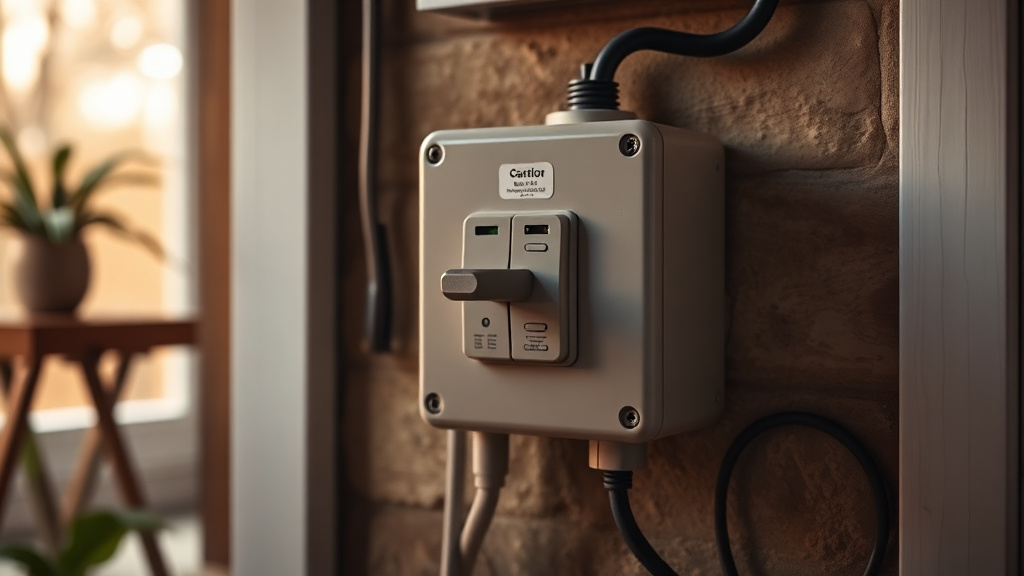
A transfer switch is the safety bridge between your generator and your home’s electrical system. It’s not the most exciting purchase, but getting it wrong can mean backfeeding risks, blown appliances, or a generator that can’t power what you actually need. A few minutes of thoughtful comparison now saves you from headaches during the next outage. If you’re still comparing options, our guide to choosing the right transfer switch kit breaks down the key factors.
The Specs That Separate a Solid Transfer Switch From a Headache
Circuit capacity vs. your real needs
Count the circuits you genuinely want to run during an outage—not the whole house. A 10-circuit switch handles essentials like fridge, furnace, and lights, while a 30- or 40-circuit unit covers more. Match the switch’s capacity to your generator’s output, not your wish list.
Manual vs. automatic operation
Manual switches require you to walk outside, start the generator, and flip circuits by hand. Automatic ones sense a power loss and switch over on their own, but they cost more and need a compatible generator with an electric starter. Think about whether you’ll be home and able to act during an outage.
Wiring configuration and amperage rating
Check the switch’s amperage rating (typically 30, 50, or 100 amps) against your generator’s output and your panel’s capacity. A mismatch means your generator either trips constantly or can’t feed enough power. Also confirm whether the switch is designed for indoor or outdoor mounting—this affects installation complexity.
Number of poles and voltage compatibility
Most homes use single-phase 120/240V power, but confirm your panel’s setup. A switch with the wrong pole configuration won’t work safely with your generator’s output. This is a spec where guessing is not an option.
Sticking to your budget
You don’t need the most expensive unit to be safe. Manual switches with fewer circuits are significantly cheaper and perfectly adequate for essential loads. Prioritize UL-listed units and spend your money on correct sizing, not extra features you’ll never use.
Pitfalls That Burn First-Time Buyers
- Buying a switch rated for more amps than your generator can produce. Oversizing doesn’t add capability—it just makes the system less efficient and can confuse your generator’s load sensing.
- Ignoring the difference between a transfer switch and a transfer panel. A switch connects to your existing breaker panel; a panel is a separate subpanel. Choosing the wrong type means costly rewiring.
- Assuming any electrician can install it. Transfer switches must be wired to code and often require a permit. A licensed electrician familiar with generator hookups is non-negotiable for safety and insurance validity.
The Bottom Line on Your Generator Transfer Switch
If you need whole-home flexibility, the Generac HomeLink 50 Amp is your best bet—it’s the workhorse for serious backup power. For a pre-wired, plug-and-play install, the Nature’s Generator 50 Amp 12-Circuit wins on convenience and UL-listed safety. Budget-conscious? The Connecticut Electric 30 Amp covers essentials without breaking the bank, while the 100A double-throw is the heavy-duty pick for large loads. Smaller setups? The Nature’s Generator 30 Amp 6-Circuit nails simplicity. Every option here fits a practical budget, so you’re not overpaying for features you won’t use. Match the circuit count to your needs, and you’re set. Check current pricing and stock via the buttons above—your power backup is one click away.
Final 3 Picks: Reliability, Whole Home, and Value
Ready to decide? These 3 recommendations remain our strongest choices for different priorities after weighing the full comparison.