Generator Transfer Switch Not Working: 7 Fixes to Try
When your generator transfer switch stops working, the most common culprits are a tripped breaker, a blown fuse, or a loose connection in the wiring. Before you call an electrician, you should check the manual transfer switch’s position and ensure it’s not stuck between the “Line” and “Generator” settings. In many cases, simply resetting the breaker or firmly reseating the handle gets your backup power flowing again.
We found that most homeowners run into this issue right when they need power the most, which makes it extra frustrating. A malfunctioning transfer switch is more than an inconvenience—it can also be a safety hazard because it risks backfeeding electricity into the grid. We researched the most frequent failure points and the simple troubleshooting steps you can safely try on your own before spending money on repairs.
- Safety first: Always turn off the main breaker before inspecting the transfer switch.
- Check the obvious: Make sure the generator is actually running and producing power.
- Look for a tripped breaker inside the transfer switch panel itself.
- Listen for a click: If the switch feels flimsy or doesn’t snap, the mechanism is likely worn out.
- Call a pro if you smell burning plastic or see scorch marks on the panel.
Below, we walk you through the exact step-by-step process to diagnose your generator transfer switch and get your lights back on without any guesswork. For a visual reference, our transfer switch wiring diagram guide shows the connections you’ll be checking.
Why Your Generator Transfer Switch Is Acting Up
We found that a transfer switch usually fails for one of three reasons: a tripped breaker, a worn-out mechanism, or a loose wire. Your switch is basically the middleman between your generator and your home’s electrical panel. When that middleman stops doing its job, power can’t flow where you need it.
The good news? Many of these problems are easy to fix on your own. You just need to know what to look for and how to stay safe while you check things out.
The Simple Stuff You Can Check Right Now
Before you dig into anything complicated, start with the basics. We’ve seen plenty of folks panic over a switch that just needed a gentle nudge back into place.
- Is your generator actually running? Sounds silly, but it happens.
- Did you let the generator warm up for a few minutes? Some need time before they produce stable power.
- Is the generator’s own breaker turned on? Check both the switch panel and the generator itself.
- Do you have fuel? We found that empty tanks cause more “switch failures” than actual switch failures.
When the Switch Handle Feels Loose or Floppy
A transfer switch should have a firm, positive feel when you move it. If the handle flops around or doesn’t snap into place, the internal mechanism is likely worn out. Think of it like a light switch that feels mushy—it’s probably on its last legs.
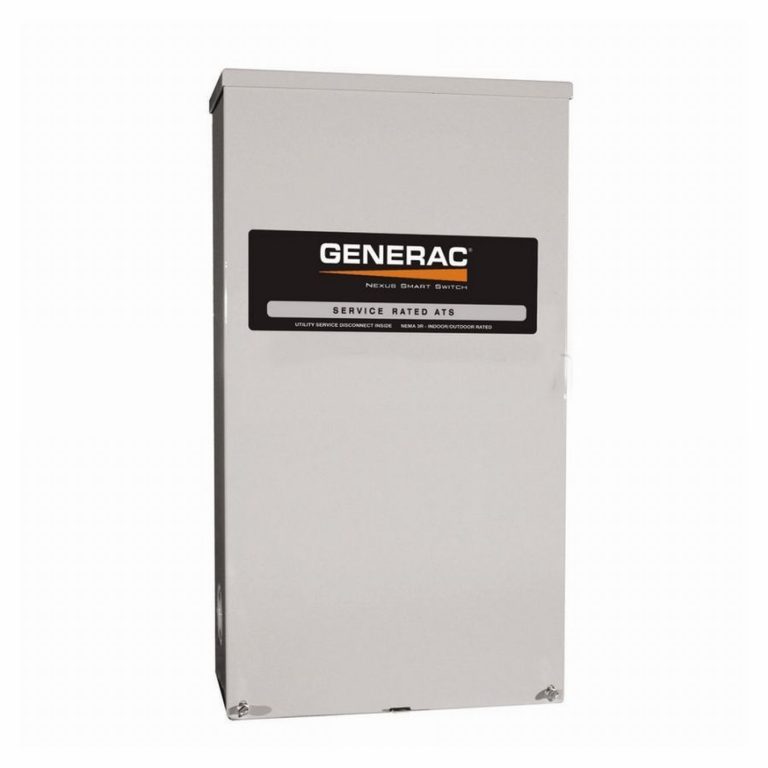
Many experts say a loose handle means the spring mechanism inside has broken or stretched. This isn’t something you can fix with a screwdriver. You’ll need to replace the switch or call an electrician for help. If replacement is needed, our guide to the best generator transfer switch can help you choose a reliable model.
Troubleshooting a Transfer Switch That Won’t Move
Sometimes the switch gets stuck between positions. That’s a common issue we hear about from homeowners. The handle won’t budge, or it feels like it’s caught on something. This usually happens because the switch is trying to connect two power sources at once, which is dangerous.
Your switch has a built-in safety feature that prevents both power sources from connecting at the same time. If it senses a conflict, it locks up. That locking is actually the switch protecting your home and the utility workers outside.
How to Safely Unstick a Frozen Switch
First, turn off your generator. Then, turn off the main breaker in your electrical panel. This removes all power from the system. Wait a few minutes, then try moving the switch again.
If it still won’t move, look at the generator’s breaker. Sometimes that breaker trips and keeps the switch from moving. Reset that breaker, then try again. We found that this simple step fixes the problem more often than you’d think.
Check the Breakers Inside the Transfer Switch
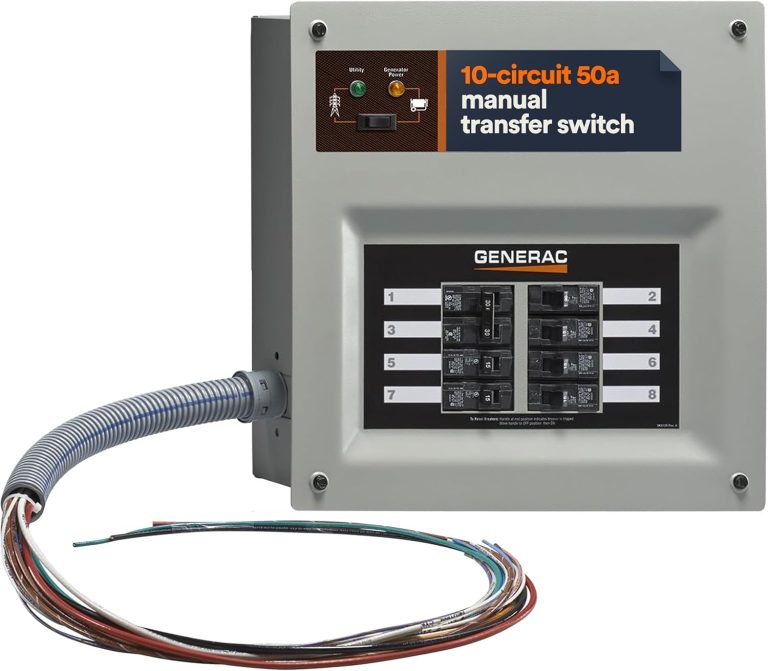
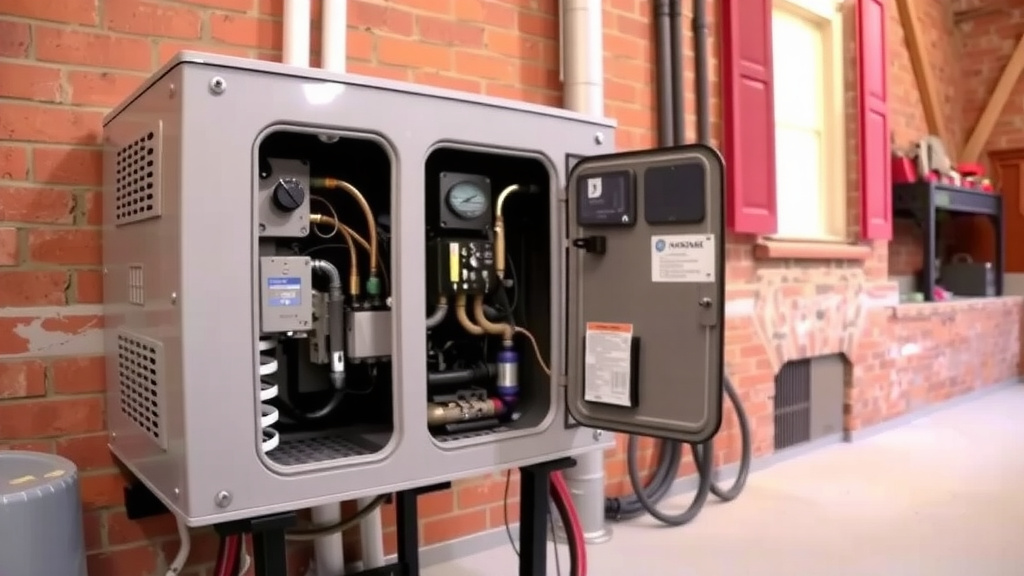
Many transfer switches have their own breakers built in. These can trip just like the ones in your main panel. Open the door on your transfer switch and look for any breaker that’s in the middle position, not fully on or off.
Reset any tripped breakers by pushing them firmly to the off position first, then back to on. Wait a moment and listen for a click. That click tells you the breaker has reset properly.
Loose Wires and Connections
Vibration from your generator can loosen wire connections over time. We found that loose wires cause intermittent problems—sometimes power works, sometimes it doesn’t. This makes it look like the switch is failing when the real issue is just a loose screw.
Check the wiring terminals inside the transfer switch. Look for any wire that feels loose when you gently tug on it. Also look for signs of overheating, like discolored insulation or a burnt smell.
Important warning: If you see scorch marks or smell burning plastic, stop immediately. That’s a serious safety hazard. Call a licensed electrician right away.
Tools You Might Need
You don’t need a full toolbox for most checks, but these help:
- A voltage tester to confirm power is off before touching anything
- A flathead screwdriver for tightening terminal screws
- A flashlight to see into dark corners of the panel
- A multimeter if you’re comfortable checking for voltage
Signs Your Transfer Switch Needs Professional Repair
Some problems are beyond DIY fixes. We found that knowing when to call a pro saves you time and keeps you safe. Here are the red flags that mean it’s time to hire someone:
- Burning smell coming from the panel
- Visible scorch marks or melted plastic
- Frequent tripping of the same breaker
- Switch makes buzzing or humming noises
- You feel any heat coming off the switch
These symptoms point to serious electrical issues. The National Electrical Code recommends professional inspection for any signs of overheating or arcing. Don’t risk your safety to save a few bucks.
Why Backfeeding Is So Dangerous
If your transfer switch fails in a way that connects your generator power back into the grid, that’s called backfeeding. This can send electricity down the power lines and seriously injure utility workers. It can also damage your generator and your home’s wiring.
Many experts say that backfeeding is one of the most dangerous situations in home electrical work. This is exactly why transfer switches exist. When yours fails, you lose that crucial safety barrier.
Quick Checklist Before You Call an Electrician
Work through this list first. We found that most people skip at least one of these simple steps. Taking five minutes to check each item could save you a service call fee.
- Generator is on and producing power
- Generator’s own breaker is in the on position
- Main breaker in your home is off before switching
- Transfer switch handle is fully engaged in one position
- No breakers are tripped inside the switch panel
- No unusual smells, sounds, or heat from the panel
Manual vs. Automatic Transfer Switches
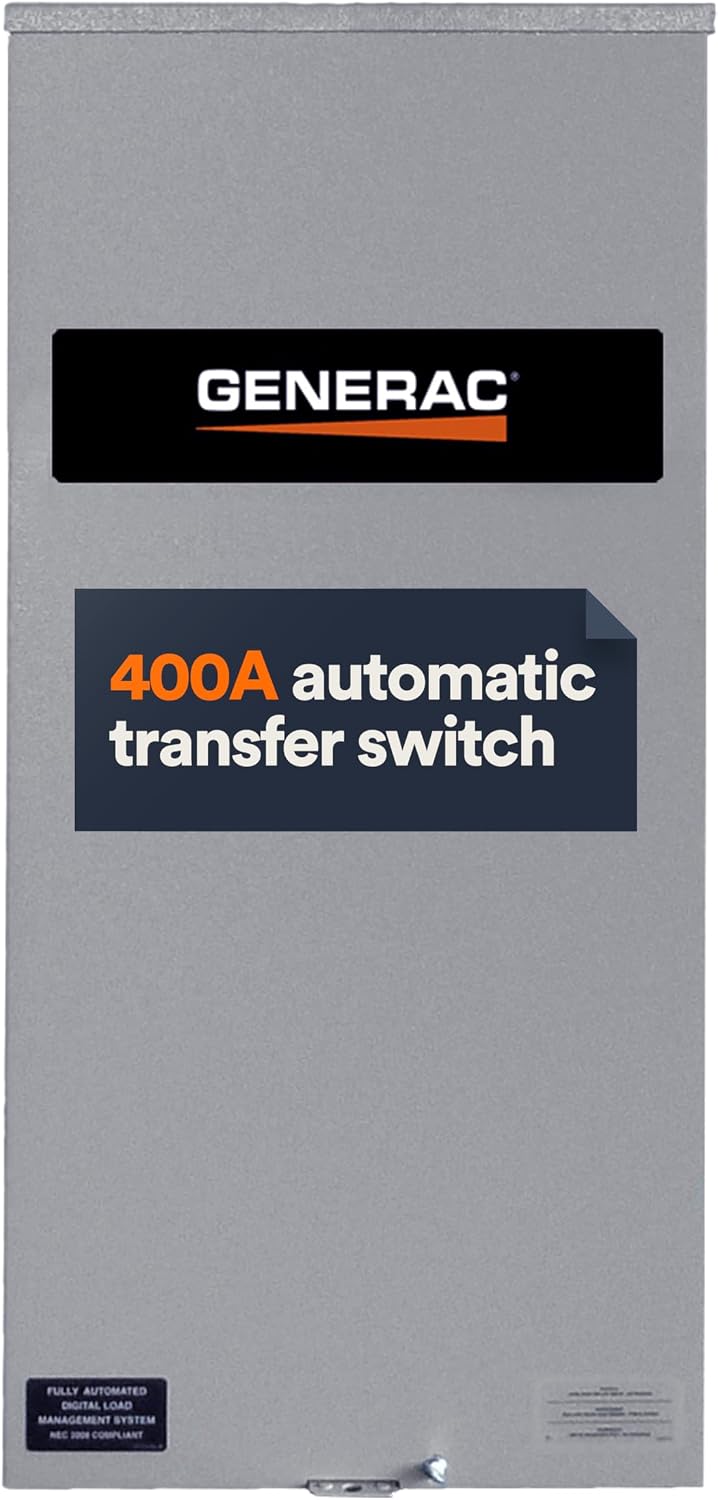
The troubleshooting steps differ depending on which type you have. Manual switches require you to flip a handle by hand. Automatic switches detect power loss and switch over on their own. We found that automatic switches have more components that can fail.
| Switch Type | Common Failure | DIY Fixable? |
|---|---|---|
| Manual | Worn handle mechanism | No, needs replacement |
| Manual | Tripped breaker | Yes, just reset it |
| Automatic | Failed control board | No, needs a pro |
| Automatic | Sensor not detecting power loss | Sometimes, check settings |
Automatic Switch Sensors and Settings
Automatic switches rely on sensors to detect when utility power drops. If those sensors malfunction, the switch won’t activate. Check the settings panel for any error codes or blinking lights. Many experts say that a simple reset of the control board fixes minor glitches.
Look for a small reset button on the control board. Press it and wait for the system to reboot. If error codes return, you’re dealing with a bigger issue that needs professional attention.
Battery Backup and Power Sources
Some automatic switches use a small battery to power the control board. If that battery dies, the switch can’t operate. Check for a battery compartment and replace it if needed. This is an easy fix that we found catches many homeowners off guard.
Preventive Maintenance to Avoid Future Problems
Regular maintenance keeps your transfer switch working when you need it most. We found that homeowners who test their switches monthly have far fewer issues during actual outages. It takes just a few minutes and gives you peace of mind.
Run a test by turning off your main breaker and letting the generator power your home for 10 minutes. This exercise keeps the mechanical parts moving and reveals any developing problems. Do this once a month, and you’ll catch issues early.
Keep the area around your switch clean and dry. Dust and moisture can cause corrosion on contacts and terminals. A quick wipe with a dry cloth keeps things in good shape.
The Consumer Product Safety Commission recommends annual professional inspections for generator systems. A licensed electrician can check for loose connections, worn parts, and proper torque on all terminals. This small investment prevents big headaches later.
Remember, your transfer switch is a safety device first and a convenience second. When it fails, treat the problem seriously. Start with the simple checks, call a pro when things look risky, and keep up with routine maintenance so you’re never left in the dark again.
Conclusion
Dealing with a generator transfer switch that won’t work is frustrating, but you don’t have to panic. We walked you through the most common causes: tripped breakers, loose wires, and worn-out handles. Start with the easy stuff first. Check your fuel, confirm the generator is running, and make sure nothing is tripped.
If the switch feels loose or you see scorch marks, stop right there and call a licensed electrician. Your safety and the safety of utility workers depend on a properly functioning switch. Test your system monthly so you’re not troubleshooting in the dark during a storm. You’ve got this.
Frequently Asked Questions
Why does my generator transfer switch click but no power comes through?
A clicking sound usually means the switch is engaging, but power isn’t flowing. Check the breaker on your generator first, then look for a tripped breaker inside the transfer switch panel itself. If both are fine, you likely have a loose wire connection that needs tightening.
Can a bad generator transfer switch damage my appliances?
Yes, a failing transfer switch can send unstable voltage to your appliances. This happens when contacts are worn or corroded, causing power surges or drops. If you notice flickering lights or appliances acting strange when running on generator power, stop using it and call an electrician.
How often should I test my generator transfer switch?
We recommend testing your transfer switch at least once a month. Run your generator with the main breaker off for about 10 minutes to verify everything works. Monthly testing catches small problems before they turn into emergency repairs during an outage.
Is it safe to manually force a stuck transfer switch?
No, you should never force a stuck transfer switch. The locking mechanism is a safety feature that prevents backfeeding. Forcing it can damage the switch or create a dangerous connection. Turn everything off, wait a few minutes, and try again. If it still won’t move, call a pro.
What is the average cost to replace a generator transfer switch?
Replacement costs vary depending on your setup. You can expect to pay between $300 and $900 for parts and labor for a basic manual switch. Automatic switches cost more, often $800 to $1,500. We found that getting multiple quotes helps you find a fair price for your area.