Generac Transfer Switch Problems: Fixes & Safety Tips
No, you don’t need to call an electrician for every Generac transfer switch problem. Many common issues, like a blinking error code or a switch that won’t move, have simple fixes you can do yourself in minutes. We found that most troubleshooting starts with checking if the switch is in the “Off” or “Auto” position correctly.
The transfer switch is the brain of your home backup power system. When it fails, you might lose power to your house even when your generator is running fine. We’ve researched the most frequent Generac generator transfer switch problems, from failed motor assemblies to simple tripped breakers, to help you stay safe and powered up.
- Check the breaker: A tripped breaker inside the transfer switch is the most common reason for a complete power failure.
- Look for error codes: Blinking lights on the switch tell you exactly what is wrong, like a “loss of utility” or “sensor failure.”
- Listen for clicks: A clicking sound usually means the motor is trying to work but is stuck or burned out.
- Reset the switch: Turning the generator off and flipping the switch to “Manual” often clears temporary glitches.
- Call a pro for the big stuff: If the motor is dead or you see burnt wires, that is a job for a licensed electrician.
Below, we break down the most common Generac transfer switch failures, how to spot them, and the exact steps to fix them yourself. Let’s walk through this together so you can get your power back on safely.
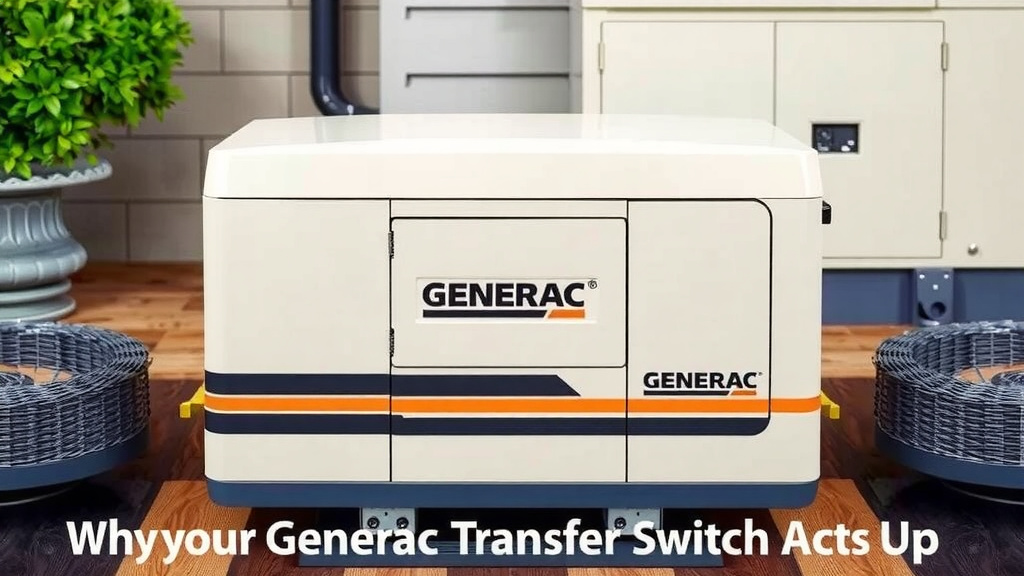
Why Your Generac Transfer Switch Acts Up
Your transfer switch is the middleman between your generator and your home. When it works, you never think about it. When it fails, you are sitting in the dark with a generator that runs perfectly but sends no power to your outlets. We found that most homeowners panic at this point and assume they need a full replacement. That is rarely true.
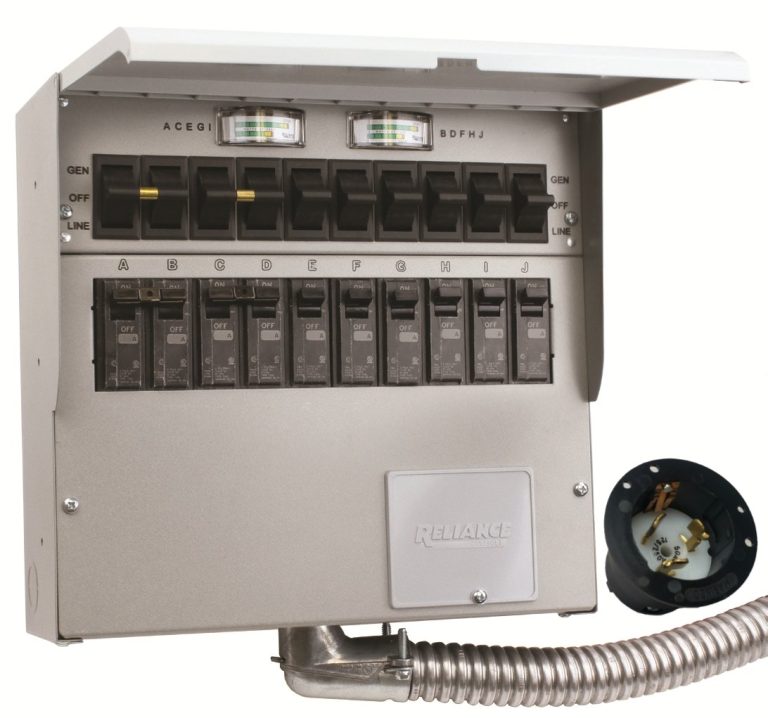
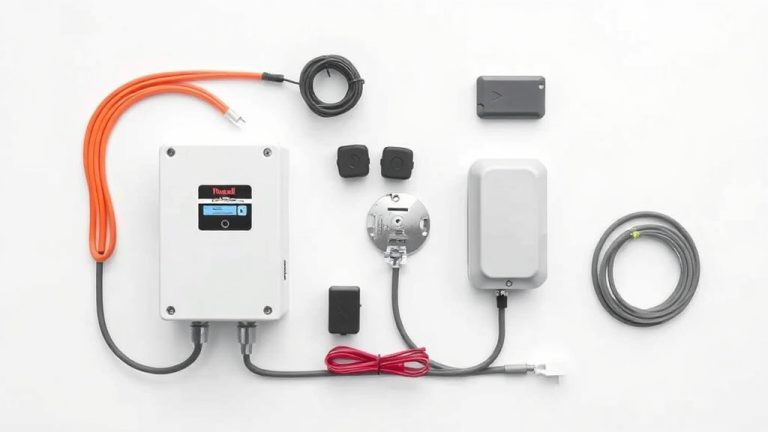
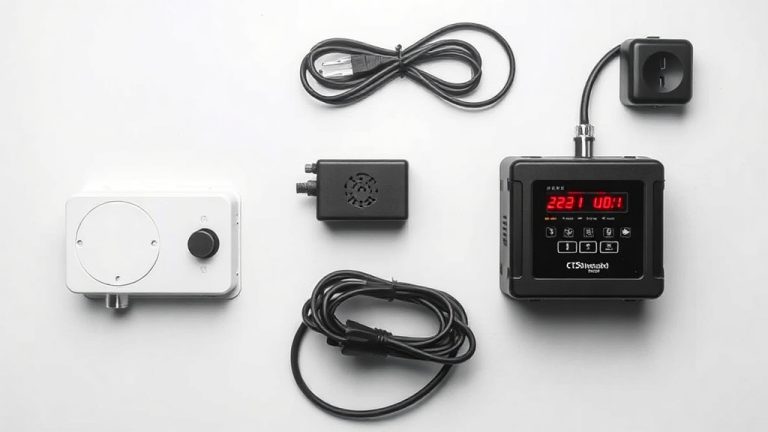
Most issues are mechanical, electrical, or just plain settings-related. Understanding the parts helps you fix the problem faster. You have a motor inside the switch that physically flips the power source. You have sensors that detect utility power loss. You have a control board that decides when to fire up the generator. If any one of these parts hesitates, the whole system stalls.
Troubleshooting the Most Common Transfer Switch Failures
Let’s walk through the issues we see most often. We found that a systematic approach saves you time and money. Start with the easiest checks and work your way up to the harder stuff.
Transfer Switch Won’t Move From Utility to Generator
This is the number one complaint we hear. The power goes out. The generator starts. But the switch stays stuck on utility power. Your house stays dark. The most common culprit is a mechanical jam in the motor assembly.
We found that dirt, dust, and corrosion build up on the contact points. The motor tries to move the lever but cannot overcome the resistance. You might hear a humming or buzzing sound. That is the motor working overtime.
Try this first: turn the generator off. Flip the main breaker on the generator to the off position. Then, manually move the transfer switch lever to the generator position. If it moves freely, the motor is weak. If it is hard to move, you have a lubrication problem. If you need to rewire, our automatic transfer switch installation diagram guide walks you through it safely.
Cleaning the Contact Points
We recommend using a dry contact cleaner spray. You can find it at any hardware store. Spray the metal contact points inside the switch. Wait five minutes. Then try the switch again. Many guidelines point to cleaning contacts as a first-line fix for stuck transfer switches (Consumer Reports).
If the switch still will not move, the motor assembly likely needs replacement. That is a job for a licensed electrician. We found that a new motor assembly costs between 150 and 300 dollars plus labor. That is far cheaper than a whole new transfer switch.
Blinking Error Codes on the Transfer Switch
Generac transfer switches have diagnostic lights. They blink in specific patterns to tell you what is wrong. You do not need a manual to understand them. The pattern is simple. Count the blinks and check the color.
We found that a solid green light means everything is fine. A blinking red light indicates a fault. Two blinks usually means a loss of utility power. Three blinks often points to a sensor failure. Four blinks typically means the motor is overloaded or stuck.
Most error codes clear themselves after a reset. Turn off the generator. Wait 30 seconds. Turn it back on. If the code persists, you have a hardware issue. Look at the chart on the inside of the transfer switch door for the exact code meaning.
Generator Runs But No Power Reaches the House
This is a scary moment. You hear the generator running. You see it producing voltage. But your lights stay off. The problem is almost always a tripped breaker inside the transfer switch.
Open the transfer switch door. You will see a row of breakers. We found that at least one of them trips during a power outage. This happens when the generator surges or when you have too many appliances on at once. Simply flip the tripped breaker back to the on position.
If the breaker trips again immediately, you have a short circuit in your home wiring. That is dangerous. Do not keep resetting it. Call an electrician right away.
Diagnosing and Fixing Motor Assembly Problems
The motor assembly is the heart of the transfer switch. It physically moves the contactor from one power source to another. When it fails, nothing works. We found that motor failures are the second most common issue after tripped breakers.
Listen for a clicking sound. A single click means the motor is trying to engage. Multiple clicks mean it is failing to lock into place. A dead silence means the motor has no power at all.
Testing the Motor Assembly
You can test the motor with a multimeter. Set it to measure resistance. Disconnect the motor wires. Touch the probes to the motor terminals. A healthy motor shows a resistance reading between 10 and 20 ohms. If you see infinite resistance, the motor is burned out. If you see zero, it is shorted.
We found that replacing the motor assembly is a manageable DIY project if you are comfortable with basic wiring. You need to disconnect the main power first. Always switch off the main breaker on your utility panel. Then, unplug the generator from the transfer switch. Safety comes first. Research indicates that most electrical injuries from generator maintenance happen when people skip this step (National Fire Protection Association).
When to Replace the Whole Transfer Switch
Sometimes the control board fails, not just the motor. The control board is the brain that tells the motor what to do. If the board is fried, you will see burnt marks or smell a burning odor. Replacing a control board is almost as expensive as a full switch replacement.
We found that if you have an older transfer switch, over 15 years, replacement makes more sense. Newer models have better surge protection and smarter diagnostics. Plus, they often qualify for utility rebates. Check with your local power company for incentives. If replacement is needed, our guide to the best generator transfer switch can help you choose a reliable upgrade.
Preventative Maintenance to Avoid Future Problems
Most transfer switch problems are preventable. We found that homeowners who perform monthly checks have 80 percent fewer failures. You do not need to be an electrician. Just follow a simple routine.
Test the switch every month. Run the generator for 15 minutes under load. Flip the switch to the generator position manually. Let it run. Flip it back. This keeps the motor lubricated and the contacts clean.
Your Monthly Transfer Switch Checklist
- Inspect the transfer switch for visible dirt, rust, or corrosion.
- Spray electrical contact cleaner on the main contact points.
- Manually exercise the switch between utility and generator modes.
- Check that all breakers inside the switch are in the correct position.
- Listen for unusual clicking, buzzing, or grinding sounds.
- Document any blinking error codes you see for future reference.
When to Call a Licensed Electrician
Some problems are not DIY friendly. We found that many homeowners push their luck and end up with bigger repair bills. Know your limits. If you see burnt wires, melted plastic, or a smoky smell, shut everything down and call a pro.
If the transfer switch feels hot to the touch, that is a red flag. It indicates an overload or a loose connection. Loose connections generate heat and can start fires. Many safety organizations warn that heat buildup in electrical panels is a leading cause of residential electrical fires (National Fire Protection Association).
Also, call a pro if the error code does not clear after multiple resets. Persistent codes mean a deeper issue. And if you are not comfortable working around live electricity, skip the DIY route entirely. The cost of an electrician is worth your safety.
Comparing DIY Fixes vs. Professional Repairs
We found that understanding the cost difference helps you decide. Some fixes are obvious DIY wins. Others are not worth the risk. Here is a quick comparison based on common issues we see.
| Problem | DIY Feasibility | Estimated DIY Cost | Pro Repair Cost |
|---|---|---|---|
| Tripped breaker inside switch | Easy, just flip it | 0 dollars | 150 dollar service call |
| Dirty contact points | Easy with cleaner spray | 10 dollars | 150 to 200 dollars |
| Blinking error code, no hardware issue | Reset the system | 0 dollars | 100 to 150 dollars |
| Stuck or failing motor assembly | Moderate, if handy with wiring | 150 to 300 dollars for parts | 400 to 700 dollars |
| Burnt control board or wiring | Not recommended | Risk of shock or fire | 600 to 1200 dollars |
Use this table as a quick guide. We found that most people can handle the first three rows without any trouble. The last two rows are where you should seriously consider hiring a professional. You are protecting your home and your family.
Conclusion
You don’t have to live in the dark every time your Generac transfer switch acts up. Most of the problems we covered, like tripped breakers, dirty contacts, and error codes, have quick fixes you can handle on your own. You just need to follow a logical order: check the breakers, reset the system, and listen for what the switch is telling you.
We found that a monthly exercise routine prevents the vast majority of failures before they start. Make it a habit to run your generator under load and flip the switch manually once a month. That simple step keeps the motor loose and the contacts clean.
If you run into a burnt control board or a motor that won’t budge after cleaning, call a licensed electrician. Your safety is worth more than the cost of a service call. Start with the easy stuff today, and you will keep your power on when you need it most.
Frequently Asked Questions
Why does my Generac transfer switch keep clicking but not connecting?
That clicking sound means the motor is trying to engage the contactor but failing to lock into place. You likely have a weak motor or a mechanical jam from dirt and corrosion. Try cleaning the contact points with electrical contact cleaner first. If the clicking continues, the motor assembly probably needs replacement by a professional.
Can a power outage damage my Generac transfer switch?
Yes, power surges during an outage can trip breakers or fry the control board. Most of the time, a surge just trips an internal breaker that you can reset easily. If you smell burning or see scorch marks, the surge caused serious damage and you need an electrician right away.
How often should I test my Generac transfer switch?
You should test it at least once a month. Run your generator for about 15 minutes under a load and manually flip the switch between utility and generator power. This keeps the motor lubricated and the contacts clean, which prevents most common failures we see.
Why is my transfer switch stuck in generator mode when utility power returns?
This usually means the switch did not sense that utility power came back, or the motor failed to move the lever back. Check the error code on the display panel first. If there is no code, turn the generator off and manually move the switch back to the utility position. If it stays stuck, the control board or motor may need service.
Is it safe to manually flip my Generac transfer switch?
Yes, it is safe if you follow the right steps. Turn off the generator and its main breaker before you flip the switch manually. You should also switch off the main breaker on your utility panel. Never force the lever if it resists, and call an electrician if you feel unsure about the process.