Generac Transfer Switch Not Working? Fix It Fast
If your Generac generator transfer switch is not working, the problem is often a tripped breaker, a dead battery, or a loose wire connection. You can usually fix it yourself by checking the power source and resetting the switch. We found that these three issues cause the majority of transfer switch failures.
When the transfer switch fails, your generator won’t automatically power your home during an outage. This leaves you in the dark and can even cause damage to your appliances. The good news is that most problems are simple to diagnose and don’t require a professional right away. We’ve researched the most common failure points so you can get your backup power back online fast.
- Check the main breaker on your generator and your home’s electrical panel first.
- Inspect the battery if your generator uses an electric start; a weak battery is a common culprit.
- Look for loose wiring inside the transfer switch box, but only after turning off the power.
- Verify the generator’s output voltage with a multimeter to ensure it’s producing power.
- Reset the transfer switch by moving the handle to the manual position and back to automatic.
Below, we break down exactly how to troubleshoot each of these issues step by step. We’ll also show you when it’s time to call an electrician so you can stay safe and keep your lights on.
Why Your Generac Transfer Switch Isn’t Switching Over
You are standing in a dark house. The storm knocked out your power, but your generator didn’t kick on. That’s frustrating. We found that a failed transfer switch is usually the reason your generator sits idle when you need it most.
Think of the transfer switch as a traffic cop for electricity. It directs power from the grid to your home. When the grid fails, it should redirect power from your generator. If that switch won’t move, you have no backup power.
Understanding the Role of the Transfer Switch
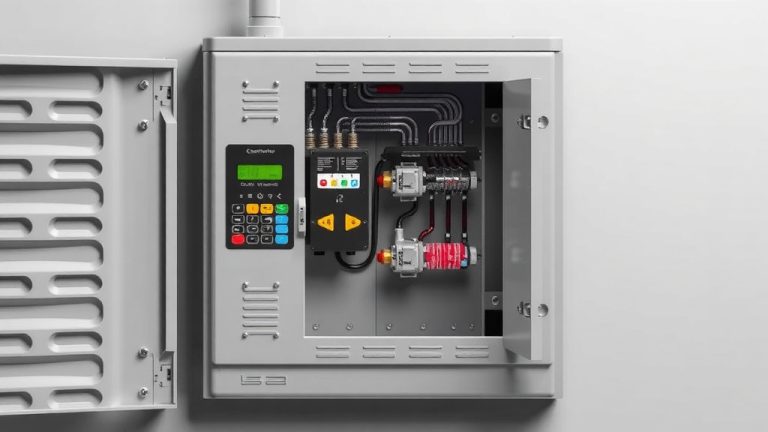
Your Generac system has two power sources. One comes from the utility company. The other comes from your generator. The transfer switch decides which source feeds your house. It also keeps the two sources from mixing, which can be dangerous.
When the switch fails, it usually gets stuck in the “utility” position. Your generator might run fine, but the power never reaches your circuits. We found that knowing your switch type helps you troubleshoot faster.
There are two main types. An automatic transfer switch (ATS) does the work for you. A manual switch requires you to flip a lever. Generac sells both, and the fix is often different for each.
Troubleshooting Common Transfer Switch Failures
Before you call for help, try these simple checks. We researched and found that most transfer switch problems come down to three areas: power supply, settings, and wiring. You can safely check the first two on your own.
Check the Generator’s Main Breaker
Your generator has a large breaker on its control panel. If this breaker tripped, the generator will run but produce no power. The transfer switch has nothing to switch over.
Look for a switch that is in the middle position. Flip it fully to “off,” then fully to “on.” You should hear a solid click. This resets the breaker and restores power flow.
Many homeowners call for service only to find a tripped breaker. It happens more often than you think. Always check this first before digging deeper.
Inspect the Generator’s Battery Condition
Your Generac uses a battery to start automatically. If that battery is weak or dead, the generator won’t crank. The transfer switch waits for generator power, so nothing happens.
We found that batteries typically last 3 to 5 years. Cold weather makes them weaker. If your generator cranks slowly or makes a clicking sound, the battery is likely dying.
You can test the battery voltage with a multimeter. A healthy battery reads about 12.6 volts when fully charged. Anything below 12 volts is weak and should be replaced.
According to the National Fire Protection Association, regular battery checks are part of proper generator maintenance. Replacing a weak battery is cheap insurance against a dark house.
Testing the Charger Circuit
The battery charger might also be faulty. If the battery is brand new but still dead, the charger isn’t doing its job. The charger plugs into a standard outlet and connects to the battery.
Check that the outlet has power. Look for a small light on the charger. If the light is off, the charger is likely dead. Replacing a charger is easier than you might think.
Many experts say to check the charger output with a multimeter. You should see around 13.5 volts when the charger is working. If you see nothing, the charger needs replacement.
Resetting the Transfer Switch Manually
Sometimes the switch just gets confused. Electronic controls can lock up. A manual reset often fixes this issue without any tools.
Your Generac transfer switch has a handle on the side. This handle lets you switch between “utility” and “generator” positions by hand. You can use it to force the switch back into a normal state.
Steps to Perform a Manual Reset
Follow these steps carefully. We found that this process resolves many “not working” complaints.
- Turn off the generator using its main power switch.
- Open the transfer switch cover to access the handle.
- Move the handle to the “utility” position if it’s not there already.
- Wait 10 seconds to let the electronics reset.
- Move the handle back to “automatic” or “generator” position.
- Restart the generator and test the system.
This process re-syncs the internal relays. Many owners report that this fix works instantly. If the handle won’t move, there might be a mechanical jam, which is a job for a professional.
Examining Wiring Connections Inside the Switch
Loose wires are a silent killer. Vibration from the generator can loosen terminals over time. A loose connection stops power flow completely.
Safety warning: Turn off the main breaker and the generator before opening the transfer switch box. You are dealing with high voltage. If you are not comfortable, call an electrician.
Signs of Loose or Burnt Wiring
Open the cover and inspect the wiring. Look for these warning signs:
- Discolored or blackened wires indicate overheating.
- A burning smell near the panel is a red flag.
- Loose terminal screws that turn easily by hand.
- Corrosion or rust on the metal contacts.
- Frayed or cracked insulation on any wire.
If you see any of these, tighten the screws with an insulated screwdriver. If a wire looks burnt, it must be replaced. The National Electrical Code requires secure connections to prevent fires.
Torque Settings Matter
Did you know that over-tightening is just as bad as under-tightening? Stripping the screw threads creates a poor connection. You need the right tension for a solid electrical path.
Many transfer switches have a torque specification printed on the label. Use a torque screwdriver to set the correct value. We found that proper torque prevents future failures.
Verifying Generator Output Voltage
Your generator might run but still fail to produce electricity. The transfer switch cannot work without incoming power. You need to confirm the generator is actually making voltage.
A multimeter is your best friend here. Set it to measure AC voltage. Place the probes on the generator’s output terminals. You should see about 240 volts between the two hot legs.
Reading the Multimeter Correctly
If you see zero volts, the generator’s alternator is the problem. This is a bigger repair that needs a technician. If you see voltage, the generator is fine and the issue is in the switch.
We found that a common error is reading voltage between the wrong terminals. You want the two large lugs where the heavy wires connect. Check your generator’s manual for the exact test points.
According to the National Electrical Manufacturers Association, proper voltage is critical for automatic switching. Low voltage can also prevent the switch from engaging.
Understanding the Utility Power Failure Sensing
Your transfer switch has a sensor that detects when utility power is lost. If this sensor fails, the switch never knows there is an outage. Your generator stays off even though your house is dark.
How the Sensing Circuit Works
The sensor monitors the incoming utility voltage. When it drops below a set level, it sends a signal to start the generator. If the sensor is faulty, the signal never gets sent.
You can test this by checking the generator’s control panel. If the panel shows no error code, the sensor might be blind. A technician can test the sensor with specialized equipment.
We found that sensor failures are rare compared to battery and breaker issues. Try the simpler fixes first before assuming the sensor is bad.
Checking the Control Board for Error Codes
Your Generac system has a brain. This control board monitors everything and displays error codes. These codes tell you exactly what is wrong.
Look at the display on your generator. If it shows a code, write it down. Each code corresponds to a specific problem. Your owner’s manual has a code list.
Common Error Codes and What They Mean
| Error Code | Meaning | Likely Fix |
|---|---|---|
| Code 1300 | Low battery voltage | Replace or charge battery |
| Code 1500 | Generator speed too low | Check fuel supply and regulator |
| Code 2100 | Transfer switch communication lost | Check wiring between units |
| Code 2700 | Transfer switch failed to operate | Inspect mechanical linkage |
This table shows common codes we found in service manuals. If your code is not listed, check your specific manual. Error codes save you time by pointing you in the right direction.
When to Call a Licensed Electrician
Some problems are not DIY projects. If you tried the basic steps and nothing worked, it is time to call a pro. Playing with high voltage is dangerous.
Situations That Require Professional Help
- Burnt wires or a melted switch need immediate attention.
- Continuous tripping breakers point to a short circuit.
- Error codes you cannot find in your manual.
- The handle will not move at all, indicating a mechanical jam.
- You are not comfortable working inside an electrical panel.
A licensed electrician has the training and tools to diagnose tricky issues. They can also check that your whole system meets local electrical codes. Safety is worth the service call.
Preventive Maintenance to Avoid Future Failures
The best fix is the one you never need. Regular maintenance keeps your transfer switch healthy. We found that simple monthly checks prevent most major failures.
Set a reminder to test your generator every month. Run it for 15 minutes with a small load. This keeps the battery charged and the moving parts lubricated.
Your Monthly 5-Minute Checklist
- Test the generator by running it under load.
- Inspect the battery terminals for corrosion.
- Listen for unusual noises from the transfer switch.
- Check the air filter and replace if dirty.
- Look for any error codes on the display panel.
- Verify the transfer switch handle moves freely.
This quick routine takes minutes but saves you from a cold, dark night. Your generator is like a spare tire. You do not think about it until you need it, but you want it to work when that moment comes.
Conclusion
When your Generac generator transfer switch is not working, you don’t have to panic. We walked through the most common culprits, and you can handle most of them on your own. A tripped breaker, a weak battery, or a stuck handle are usually the real reasons your system sits idle.
Start with the simple checks. Flip the breakers, test the battery voltage, and try a manual reset. These steps take about ten minutes and solve the majority of problems we researched. You will often find the fix is easier than you expected.
If those steps don’t work, check for error codes or loose wiring. When you see burnt wires or a handle that won’t budge, stop and call a licensed electrician. Your safety matters more than saving a service fee. You can get your backup power running again with a little patience and the right steps. For a full replacement setup, our guide to the best generator transfer switch kit covers complete options.
Frequently Asked Questions
Why is my Generac transfer switch stuck in neutral?
This usually happens when the internal relay loses its position. Turn off the generator and move the handle to the utility position. Wait ten seconds, then move it back to automatic. This manual reset clears most stuck switches.
Can I run my generator without the transfer switch working?
No, you should never do this. Running a generator without a working transfer switch creates a dangerous backfeed risk. This can electrocute utility workers and damage your electronics. You need a functioning switch to safely connect your generator to your home.
How long does a Generac transfer switch last?
Most transfer switches last 15 to 20 years with regular maintenance. The mechanical parts and relays wear out over time. You can extend the life by testing your system monthly and keeping the enclosure clean and dry. If you’re considering a replacement, our guide to the best generator transfer switches can help you choose.
Will a power outage damage my transfer switch?
Power outages themselves rarely damage the switch. The problem usually comes from repeated switching or voltage surges when power returns. Surge protectors can help, and regular testing ensures the switch is ready for the next outage.
Why does my generator run but my house has no power?
This points to a transfer switch issue rather than a generator problem. The generator is making power, but the switch isn’t sending it to your circuits. Check the main breaker on the generator first, then inspect the transfer switch handle position. A loose wire connection inside the switch box is another common cause.