Generator Inlet Box vs Transfer Switch: Key Differences
You need a transfer switch if you want to power your house safely with a portable generator. A generator inlet box is just a plug outside your home; it does not separate your power from the utility grid. Without a transfer switch, you risk electrocuting a lineman or starting a fire.
We found that both parts play a role in a backup power setup, but they solve different problems. The inlet box gives your generator a place to plug into, while the transfer switch protects your home and the grid. Many experts say skipping the transfer switch is the most common and most dangerous mistake homeowners make.
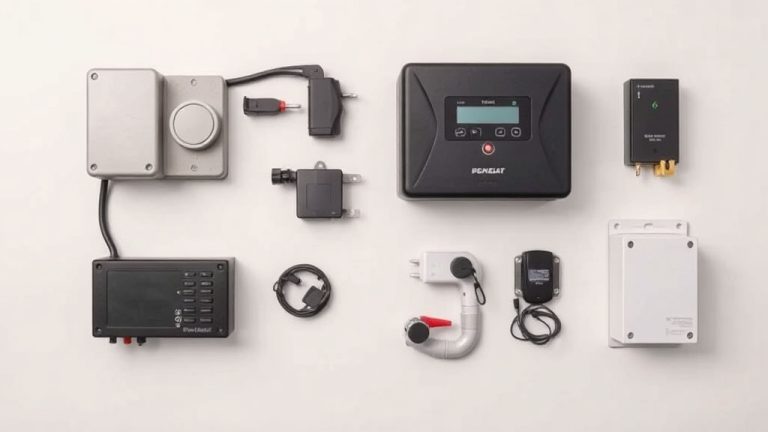
- Generator inlet box: A weatherproof outlet on your exterior wall for your generator cord.
- Transfer switch: The safety device that isolates your home from the power lines.
- Safety first: You must have a transfer switch to prevent backfeeding.
- Cost difference: Inlet boxes are cheap, but transfer switches cost more and usually need an electrician.
- The real question: It is not “either/or” — you often need both for a legal and safe hookup.
Below, we break down how each component works, what they cost, and the safest way to connect your generator. Let’s walk through it so you can pick the right setup for your home.
Comparing Generator Inlet Boxes and Transfer Switches
We found that most homeowners mix these two up when planning a generator hookup. You might think you only need one. The truth is, you likely need both for a safe and legal setup. Let’s break down what each piece does and why they work as a team.
What Is a Generator Inlet Box?
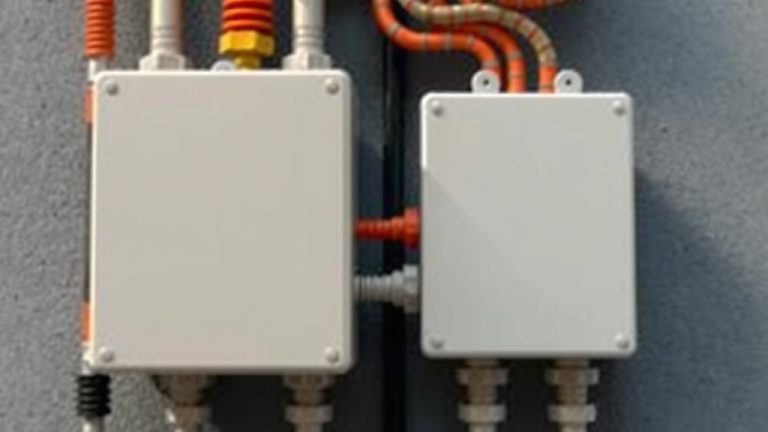
Think of an inlet box as the gas cap on your car. It is just the opening where you plug things in. This weatherproof metal or plastic box mounts on your exterior wall. It gives your generator power cord a permanent home outside.
Inside the box, you have a male plug that sticks out. Your generator cord plugs into it from the outside. Wires run from the back of this box to your transfer switch or electrical panel. Without it, you would have to run a cord through a window or door. That is both unsafe and a code violation.
How Inlet Boxes Work
The inlet box itself is passive. It does not switch anything. It does not protect anything. It simply passes power from your generator into your home’s wiring. Think of it like an extension cord that is bolted to your house.
You will find these rated at different amperages. Common sizes are 30-amp and 50-amp. The size you need depends on your generator’s output. A 30-amp inlet box handles most portable generators. A 50-amp box is for larger units that can power more circuits.
What Is a Transfer Switch?
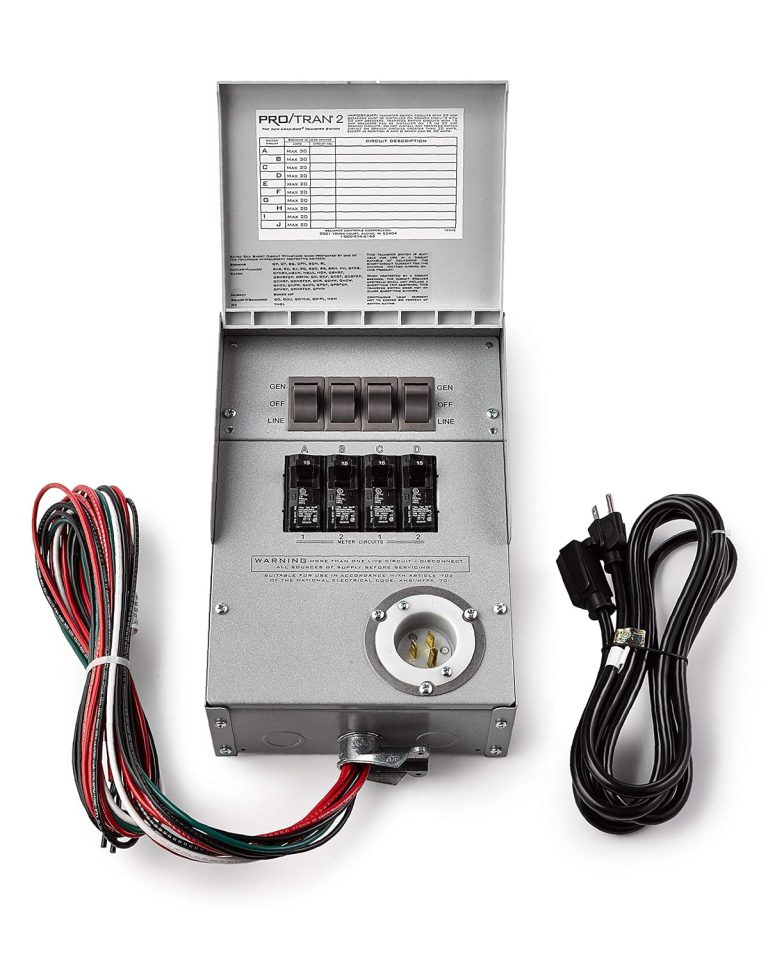
Now, the transfer switch is the brains of the operation. This device sits between your utility power and your home’s electrical panel. It controls where your electricity comes from. You can think of it as a railroad switch that directs trains onto different tracks.
When the power grid is working, the switch pulls from the utility. When you start your generator, you flip the switch. This cuts your home off from the grid. Then it lets generator power flow to your circuits. This separation is what keeps everyone safe.
The Safety Job of a Transfer Switch
Here is the scary part. If you skip the transfer switch, your generator will push power backward through your panel. This is called backfeeding. That power travels up your service lines and onto the neighborhood grid. A lineman repairing a downed wire could be electrocuted by your generator.
Backfeeding also creates a fire risk. It can overload your wiring in ways it was never designed for. Many guidelines and electrical codes require a transfer switch for this reason. According to the Consumer Product Safety Commission, improper generator connections cause dozens of deaths each year. Do not become a statistic.
Why You Usually Need Both Components
We found that the “vs” in this debate is misleading. Most electricians will tell you to buy both. They solve different problems. One is a physical connection point. The other is a safety mechanism. Together, they create a complete system.
Some transfer switches have an inlet built into them. You can mount the whole unit on a wall near your generator. This saves you from buying a separate inlet box. But many homeowners already have a panel-mounted transfer switch. In that case, you will need a separate inlet box on the outside wall.
Manual vs Automatic Transfer Switches
You have choices when it comes to transfer switches. The most common type for portable generators is the manual switch. You walk over and flip it yourself when the power goes out. It is simple, reliable, and much cheaper than automatic options.
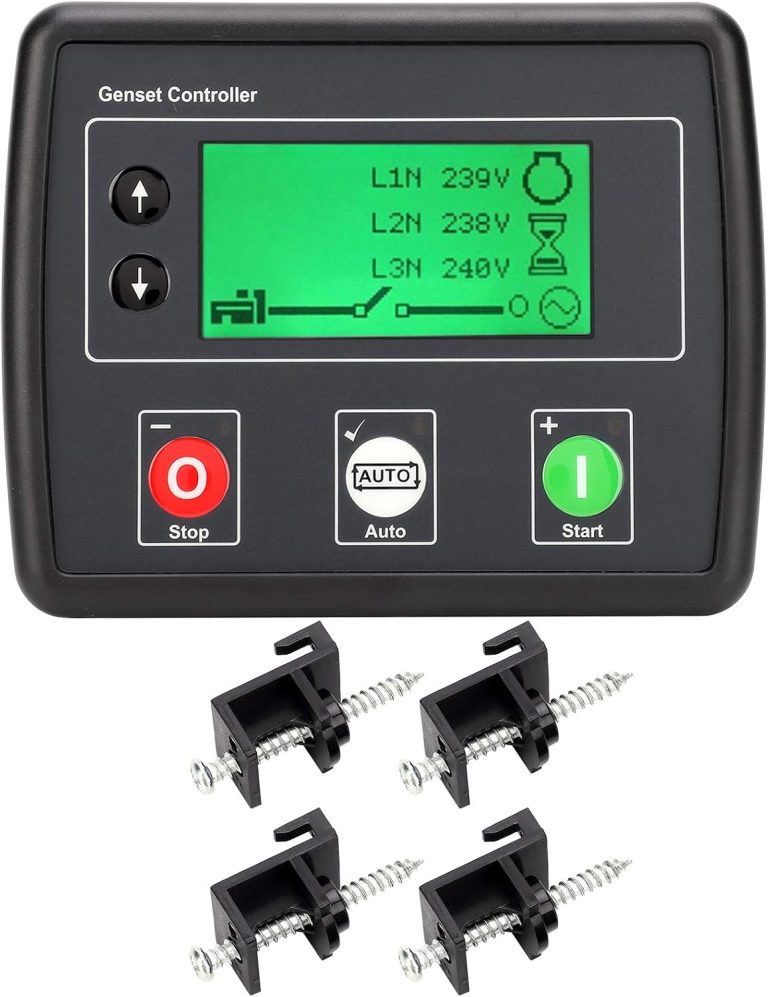
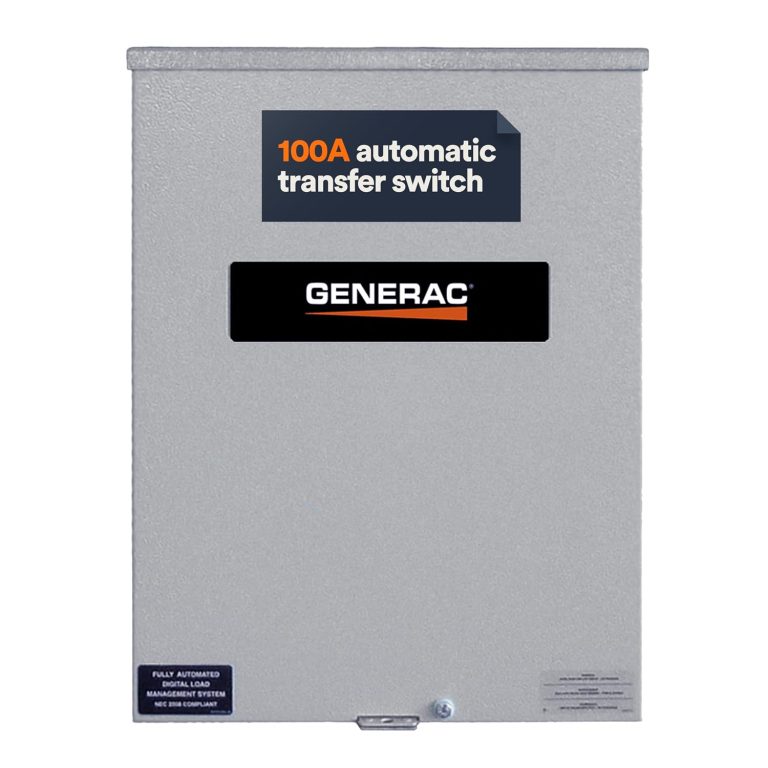
Automatic transfer switches are for standby generators. These units sit outside permanently and start themselves. When the power goes out, the switch detects it. It starts the generator and transfers your home in seconds. You barely notice the outage. The downside is the price. Automatic switches cost thousands of dollars.
Choosing Between Manual and Automatic
For most homeowners with a portable generator, a manual switch makes sense. You are already outside plugging in cords and starting the engine. Flipping a switch is no big deal. Plus, the cost difference is massive.
If you want hands-free backup power, go automatic. Just know that you will need a permanently installed generator. These are larger investments but offer real convenience. Many families with medical equipment or home offices prefer this route.
Cost Comparison: Inlet Box vs Transfer Switch
Money matters when planning a backup power setup. We found that inlet boxes are the budget-friendly option. Transfer switches require a bigger investment. Here is a quick look at what you can expect to spend.
| Component | Material Cost | Installation Cost | Total Range |
|---|---|---|---|
| Generator Inlet Box | $30–$80 | $100–$200 | $130–$280 |
| Manual Transfer Switch | $150–$400 | $200–$400 | $350–$800 |
| Automatic Transfer Switch | $300–$1,500 | $500–$1,500 | $800–$3,000 |
These numbers come from typical market research across the US. Your local rates may vary. Bigger homes with more circuits need larger switches. That pushes the price up. We found that most homeowners spend around $500 to $1,200 total for a safe portable setup.
Installation Requirements and Permits
You might be handy with tools. Still, we strongly suggest hiring a licensed electrician for this job. They know your local building codes. They also know how to wire things safely. A mistake here can kill someone. For a visual walkthrough, our automatic transfer switch installation diagram guide shows the wiring step by step.
Most areas require a permit for this type of work. The inspector will check your installation before you can use it. This is a good thing. It ensures your system is safe. The permit fee is usually small, often under $100.
Can You DIY the Installation?
Technically, you can install an inlet box yourself. If you have basic wiring skills, it is doable. The transfer switch is more complex. It ties into your main panel. One wrong connection and you could energize the grid.
We found that many hardware stores sell kits with instructions. But following instructions is not the same as understanding electrical theory. When in doubt, call a pro. The cost of a professional install is worth the peace of mind. If you’re ready to buy, our roundup of the best generator transfer switch kit can point you to complete packages.
Safety Checklist for Your Generator Hookup
Before you plug anything in, run through this checklist. These steps come from safety guidelines we have researched. They keep you, your family, and utility workers safe.
- Confirm you have a transfer switch installed before connecting your generator
- Check that your inlet box is weatherproof and properly sealed
- Use a heavy-duty extension cord rated for your generator’s wattage
- Never plug a generator directly into a wall outlet
- Keep your generator at least 20 feet from doors and windows
- Test your whole setup once a month to catch issues early
Review this list every season. Generators sit unused for months. Corrosion and pests can damage your wiring. A quick inspection before storm season saves headaches later.
Common Mistakes People Make With Inlet Boxes
We found that certain errors keep coming up over and over. One of the biggest is buying an inlet box and thinking the job is done. Without a transfer switch, you have not solved the safety problem. You just created a fancy extension cord hole.
Another mistake is choosing the wrong amperage. If your generator produces 30 amps, a 20-amp inlet box is a bottleneck. It will overheat and trip breakers. Always match or exceed your generator’s rated output.
The Danger of Double Male Ends
Some people try a dangerous workaround. They make a cord with two male plugs. One end goes into the generator. The other goes into a wall outlet. This is called a suicide cord for good reason. It can electrify the outlet and anything touching it.
Never attempt this. It is illegal in most places and incredibly risky. Even if you somehow avoid getting shocked, you are backfeeding the grid. The transfer switch exists to prevent this exact scenario.
How to Decide What You Need for Your Home
Start by looking at your generator. Check its wattage and plug type. Then look at your electrical panel. How many circuits do you want to power during an outage? This will tell you which transfer switch size you need.
If you only want to run a few essentials, a 30-amp switch with 6 to 8 circuits works well. Need to power your whole home? You will want a 50-amp switch and a bigger generator to match. Plan for your actual needs, not your hopes.
Ask Yourself These Questions
Take a few minutes to think about your situation. How often does your power go out? Do you have a well pump that needs electricity? Do you rely on medical devices that need constant power? These answers guide your decision.
If you just want lights and a fridge for a few hours, a small setup works fine. If you run a home business or care for a family member with health needs, invest more. The peace of mind is worth the extra cost.
We found that most people do not regret buying quality equipment. They regret cutting corners and making unsafe choices. A proper generator hookup with an inlet box and transfer switch is the right way to go. It protects your home, your family, and the people who keep the lights on for everyone else.
Conclusion
You now know the real difference between a generator inlet box and a transfer switch. They are not competing parts. They work as a team to keep your home safe.
We found that skipping the transfer switch is the biggest mistake you can make. It puts you, your family, and utility workers at serious risk. The inlet box is just the connection point. The transfer switch is the safety device that prevents backfeeding.
Your next step is simple. Check your current generator setup today. If you do not have a transfer switch, stop using your generator until you get one. Then hire a licensed electrician to install both components properly. It is the only safe way to power your home when the lights go out.
Frequently Asked Questions
Can I use a generator inlet box without a transfer switch?
You can physically connect it, but you should never do it. Without a transfer switch, your generator power will backfeed into the utility grid. This creates a deadly risk for linemen and can start a fire in your home. Always pair an inlet box with a transfer switch.
How much does it cost to have an electrician install both?
Most homeowners spend between $500 and $1,200 for parts and labor combined. The inlet box costs about $50, and a manual transfer switch runs $150 to $400. Installation labor typically adds $300 to $600 depending on your local rates and panel complexity.
What size inlet box do I need for my generator?
Match the inlet box amperage to your generator’s output. A 30-amp inlet box works for most portable generators up to 7,500 watts. If you have a larger generator over 10,000 watts, you will need a 50-amp box. Check your generator’s specs before buying.
Can I plug my generator into a dryer outlet instead?
This is a common but dangerous workaround. Dryer outlets are not designed for generator power. You would still need a transfer switch to disconnect from the grid. We found that this method often violates electrical codes and creates serious safety hazards. Stick with a proper inlet box and transfer switch setup.
Do I need a permit for installing a generator inlet box?
Most areas in the US require a permit for this type of electrical work. The permit fee is usually under $100. A licensed electrician will pull the permit and schedule the inspection for you. This inspection ensures your setup meets local codes and keeps everyone safe.