
Automatic Transfer Switch Types Explained Simply
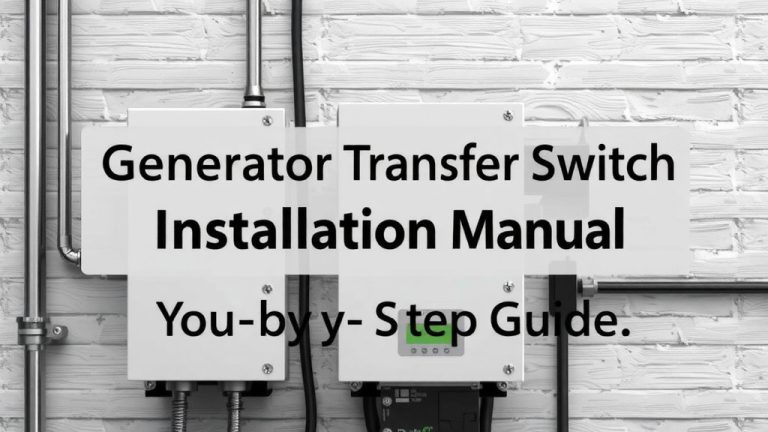
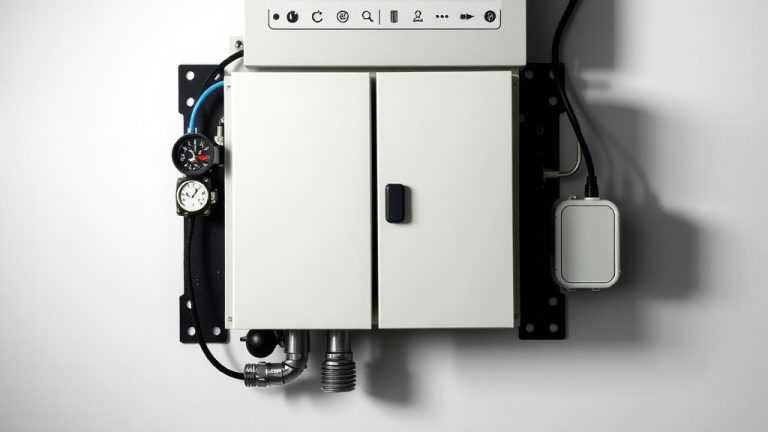
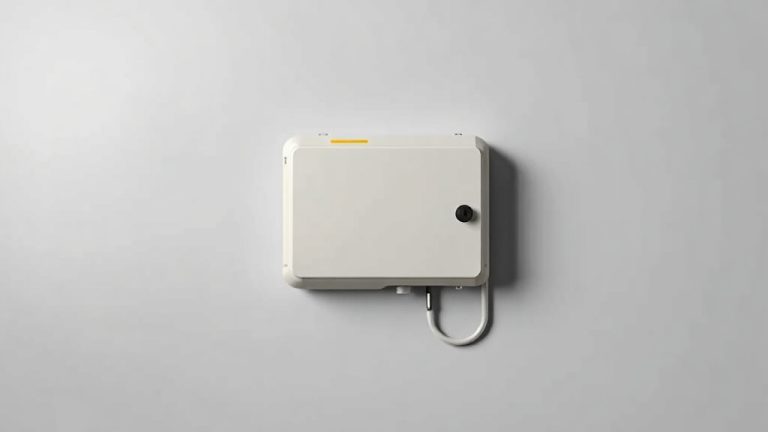
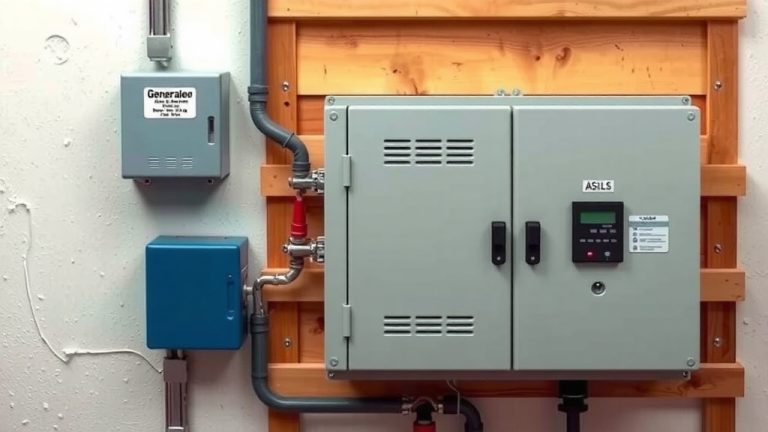
An automatic transfer switch (ATS) is a device that automatically switches your power source from the utility grid to a backup generator during an outage. The main types are open transition, closed transition, and manual transfer switches. You choose based on your budget, load size, and whether you can tolerate a brief power blip.
Picking the right switch matters because it directly controls how your home or business handles blackouts. We found that the biggest differences come down to cost, safety features, and how fast the power returns. Open transition switches are the most common and affordable, while closed transition switches are built for critical operations that can’t afford even a second of downtime.
- Open transition: Most popular for homes. There is a brief 1-2 second delay when power switches over.
- Closed transition: No power interruption at all. Used for hospitals and data centers.
- Manual transfer switch: You flip the switch yourself. Cheapest option, but you must be home to do it.
- Service-entrance vs. load-center: Service-entrance combines the switch and main breaker; load-center is installed downstream.
- Your choice depends on: Whether you need backup for a few lights or your entire house, plus your total wattage needs.
Below, we break down each type in plain English so you can decide which one fits your setup—without any electrical jargon getting in the way.
Choosing the Right Automatic Transfer Switch Setup
The best automatic transfer switch for you depends on one big question: what happens when the power goes out? You need to know if a tiny blip is okay or if your equipment demands zero downtime. We found that most homeowners are perfectly happy with a brief pause, while businesses often need a flawless handoff.
Think of the transfer switch as a referee. It watches the utility power. When it fails, the referee calls the generator into the game. The type of switch you pick decides how smoothly that substitution happens.
Open Transition Transfer Switches
This is the workhorse of the residential world. An open transition switch works on a simple break-before-make principle. It completely disconnects your home from the grid first. Then, it connects to the generator.
That disconnect causes a very short power loss. We are talking about 1 to 2 seconds here. You will see your lights flicker, and your clocks might reset. For most people, that is a trade-off they accept for a lower price tag.
Why Choose an Open Transition Switch
This type is the most common because it is safe and simple. It prevents backfeeding, which is when electricity flows back into the utility lines. That is a serious hazard for line workers. We found that open transition switches are also easier on your generator because they let the generator stabilize before taking on the load.
If you are powering a standard refrigerator, lights, and a well pump, this is your best bet. The brief interruption is rarely a problem for these appliances.
Closed Transition Transfer Switches
Now we move up to the heavy hitters. A closed transition switch uses a make-before-break method. It connects the generator to your power system before it disconnects the utility. This creates a brief moment where both sources are connected.
This overlap is very short—often just a few milliseconds. But it is enough to keep the power flowing without any interruption at all. Your lights stay on, and your servers keep humming.
The Cost of Zero Downtime
This feature is critical for hospitals, data centers, and manufacturing plants. These operations cannot afford a blip. A tiny pause in power can corrupt data or shut down a production line. For boats, marine automatic transfer switches handle the same job in a saltwater environment.
However, this technology costs more. It also requires more complex controls to sync the generator frequency with the grid. Many experts say that if you don’t absolutely need zero transfer time, you shouldn’t pay for it. It is overkill for a standard home backup system.
Comparing Manual vs. Automatic Operation
You might be wondering if you need the “automatic” part at all. It is a fair question. The truth is, the difference between manual and automatic is about convenience and who is actually flipping the switch.
Automatic switches monitor the power 24/7. They start the generator and transfer the load without any human input. Manual switches require you to be home, awake, and ready to act.
Manual Transfer Switches: The Budget Option
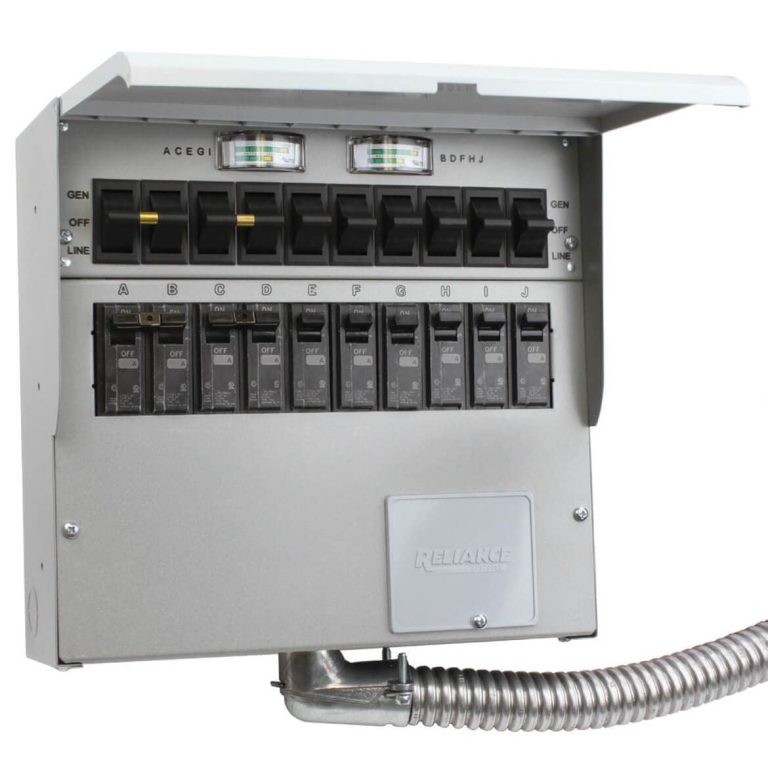
A manual transfer switch is the cheapest way to safely connect a generator to your home. You plug the generator into a dedicated inlet box. Then, you go to your electrical panel and switch the specific circuits you want to power.
The downside is obvious. If a storm knocks out power at 2 AM while you are sleeping, your freezer is just sitting there. You won’t have power until you wake up, stumble to the panel, and hook everything up.
It also requires physical effort. You need to manage the generator, run extension cords, and monitor the fuel yourself. It is a great option for cabins or budget-conscious folks who are okay with a little manual labor.
Automatic Transfer Switches: Set It and Forget It
We found that an ATS is the heart of a truly hands-off backup system. It senses a power loss within a few seconds. It signals the generator to start, waits for the generator to warm up, and then switches the load over.
When utility power returns, the ATS reverses the process. It switches back to the grid and then tells the generator to shut down after a cool-down period. You never have to touch a thing.
This is a huge relief for people who travel or for families where everyone is busy. It also protects your home even if you aren’t there to manage the situation.
Service Entrance vs. Load Center Configurations
Beyond the transfer method, you also need to consider where the switch sits in your electrical system. This is about physical placement and how the switch connects to your main breaker panel. It affects the installation cost and how much you can power.
We found that this choice is often dictated by your local electrical codes and the size of your generator. It is a decision best made with a licensed electrician, but you should know the basics first.
Service Entrance Rated Transfer Switches
This type of switch acts as your main breaker. It sits right after the utility meter. It is the first disconnect point for your entire home or building. This means it controls power for everything.
Because it is the main disconnect, it has to meet stricter safety ratings. It must handle the full short-circuit current from the utility. This is the highest level of protection.
With this setup, the ATS is the only panel you see. You can power your entire load if your generator is big enough. It is a clean, streamlined installation that many electricians prefer.
Load Center Transfer Switches
A load center ATS is installed downstream of your main breaker panel. It does not act as the main disconnect. Instead, it controls power to specific circuits that you choose to back up.
You might see this referred to as a “critical loads panel.” It has its own little set of breakers. You move the circuits you care about most—like the fridge and furnace—into this sub-panel.
This is often a more budget-friendly option because the switch doesn’t need to handle the full capacity of your entire house. It only needs to handle the wattage of the circuits you select. It also lets you use a smaller, less expensive generator.
Load Capacity and Your Power Needs
Before you buy anything, you need to do some math. You can’t just pick a switch and hope it works. The switch has to be able to handle the amount of electricity you plan to draw through it.
Switches are rated in amps. Common sizes for homes are 100-amp, 150-amp, and 200-amp. Your generator size will also play a role in this decision.
We found that a good rule of thumb is to size your ATS to match your main breaker panel. If you have a 200-amp main panel, you usually want a 200-amp ATS. This gives you maximum flexibility.
How to Calculate Your Critical Loads
Start by listing the appliances you absolutely need during an outage. This includes your refrigerator, heating system, and lights. Add up the wattage of these items.
Remember that some motors, like a well pump or a sump pump, require a surge of power to start. This surge can be two to three times their running wattage. Your switch and generator must be able to handle that initial spike.
If you only want to power a few essentials, a smaller load center might be perfect. If you want whole-house coverage, you need a service entrance switch and a large generator. It is better to overestimate slightly than to be left in the dark.
Key Features to Look For
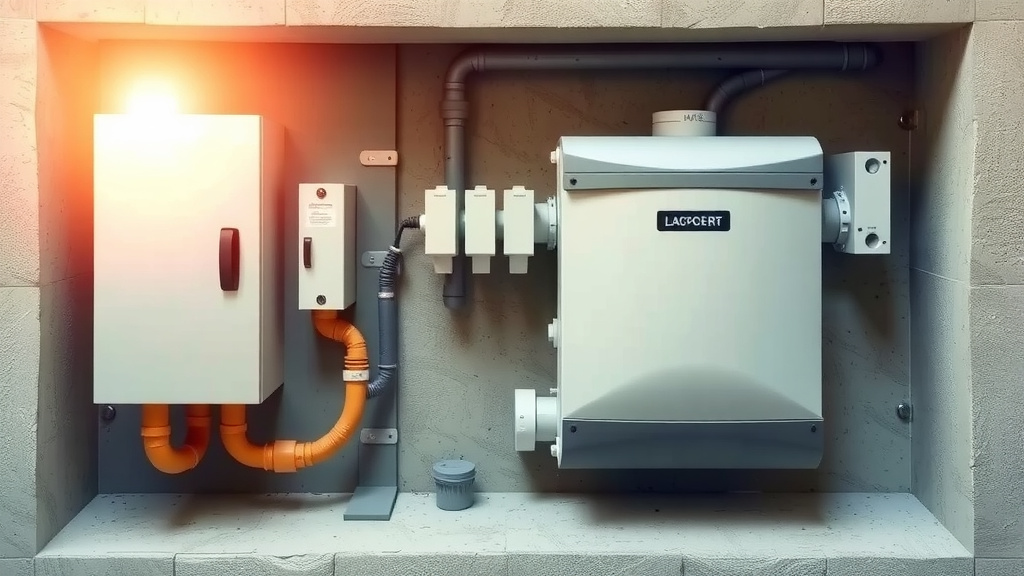
Not all ATS units are created equal. As you shop, you will see a variety of features that add convenience and safety. We found that certain features are worth the extra money, while others are just nice to have.
Focus on the features that solve real problems for you. A digital display is helpful. A service disconnect built-in saves space. Programmable timers can prevent nuisance trips.
- Voltage monitoring: Ensures the utility power is truly stable before switching back.
- Frequency monitoring: Checks the generator output to ensure it is clean and consistent.
- Time delay settings: Prevents the switch from toggling back and forth during brief flickers.
- NEMA 3R rating: Allows the enclosure to be installed outdoors, safe from rain and snow.
- Exercise timer: Automatically runs your generator weekly to keep it in top shape.
Safety and Code Compliance
This is not an area to cut corners. An improperly installed transfer switch can kill a utility worker or start a fire. You must use a listed device that meets UL standards.
Many jurisdictions require a permit for this type of work. Your local building inspector will want to see that the switch is properly installed. We found that hiring a licensed electrician is the only safe way to go here.
It protects your home and your family. It also protects the people who work to restore your power. Do not risk it.
| Feature | Open Transition | Closed Transition |
|---|---|---|
| Power Interruption | 1-2 second blip | None (overlap) |
| Typical Cost | Lower | Higher |
| Complexity | Simple controls | Complex sync controls |
| Best For | Homes, small businesses | Hospitals, data centers |
| Generator Wear | Less stress on generator | Higher stress due to overlap |
Making Your Final Decision
You now have the full picture. The choice comes down to your specific needs. Do you need lights and a fridge, or do you need a zero-downtime environment?
For most homes, an open transition switch is the smart money choice. It is reliable, safe, and affordable. It handles the vast majority of power outage scenarios without breaking a sweat.
If you are running a business that depends on uptime, look at closed transition. The extra cost is an insurance policy against data loss and downtime. It pays for itself the first time it prevents a costly shutdown.
Take a walk through your home or office. Make a list of the things you cannot live without during a storm. Then, talk to a qualified electrician about your wattage needs. They can help you confirm the right amp rating for your switch.
Getting this right means peace of mind. When the lights go out, your switch will click on, and your world keeps running smoothly. That is a good feeling to have.
Quick Checklist Before You Buy
- Determine your total wattage needs. Add up the running watts of your essential appliances.
- Decide on the transfer type. Choose open transition for budget or closed for zero interruption.
- Check your main breaker size. Match the ATS amp rating to your main panel capacity.
- Select the installation type. Pick service entrance for whole-home or load center for critical circuits.
- Verify local codes. Confirm that a permit is required and plan for an electrical inspection.
- Hire a licensed electrician. Always get professional help for this type of electrical work.
Conclusion
Choosing the right automatic transfer switch comes down to your budget and your tolerance for a brief power blip. For most homes, an open transition switch is the practical, affordable choice. It handles the standard outage scenario safely and reliably without overcomplicating things.
If your operation cannot afford even a split-second interruption, a closed transition switch is worth the higher price. And if you are on a tight budget, a manual switch still gets the job done, as long as you are around to flip it. We found that matching the amp rating to your panel and hiring a licensed electrician are the two non-negotiable steps.
Your next step is simple: grab a notepad and list the appliances you truly need during an outage. Add up their wattage, then call a licensed electrician to confirm the right size and type for your setup.
Frequently Asked Questions
Can I install an automatic transfer switch myself?
We strongly advise against it. This is high-voltage work that requires a permit and an inspection in most areas. A licensed electrician will ensure the switch is wired safely and meets your local code.
How long does an automatic transfer switch last?
A quality ATS can last 20 years or more with proper maintenance. The switch itself is a mechanical device, so the contacts can wear out over time. An annual exercise cycle and a professional check-up will keep it running for decades.
What size generator do I need for a 200-amp transfer switch?
You will need a large generator, typically in the 20kW to 25kW range, to power a full 200-amp panel. That size unit can run your entire house, including central air conditioning. If that sounds like overkill, a smaller load center with a 10kW generator might be a better fit.
Does an automatic transfer switch work with a portable generator?
Yes, it can, but you need to check your generator’s output and connection type. Portable generators are usually connected with a manual transfer switch or an interlock kit. Full automatic operation is much easier with a permanently installed standby generator.
What is the difference between a transfer switch and an interlock kit?
An interlock kit is a metal plate that physically prevents your main breaker and generator breaker from being on at the same time. It is cheaper than a transfer switch but requires you to manually manage the breakers. A transfer switch automates that process and adds extra safety layers.