Generator Transfer Switch Problems: Fixes for Homeowners
Generator transfer switch problems usually come down to a few common culprits: the switch won’t start the generator, the power doesn’t flip over, or the switch trips constantly. Before you panic or call an expensive electrician, check the simplest fixes first. We found that most issues are caused by a tripped breaker, a dead battery in the generator, or a switch that is simply in the wrong position.
These small mechanical boxes are the bridge between your home and your backup power, so when they act up, your lights stay off. Whether you have a manual lever or an automatic model, understanding how to read the signs of failure saves you time and frustration during an outage. We’ve researched the most frequent failures and the easy troubleshooting steps you can handle yourself.
- Most problems stem from user error, like forgetting to switch the main breaker or leaving the generator off.
- Check your generator’s battery and oil first; a dead battery is the #1 cause of automatic transfer switch failures.
- Listen for a clicking sound—if the switch clicks but power doesn’t transfer, you likely have a faulty solenoid or relay.
- Test your switch monthly to prevent stuck contacts and corrosion from causing failure later.
- Call a pro if you smell burning plastic or see scorch marks, as that indicates a serious electrical short.
Below, we break down the exact fixes for each common generator transfer switch problem, plus the warning signs that tell you it is time to replace the unit rather than repair it. Let’s walk through it step by step so you can get your power back on safely.
Dealing With Generator Transfer Switch Issues Head-On
We have seen it happen time and again. The storm rolls in, the power cuts out, and you expect the generator to kick in. Instead, you get silence or a strange hum from the transfer switch. It is a frustrating moment. The good news is that many of these failures are simple to fix once you know what you are looking for.
Let us walk through the most common generator transfer switch problems, starting with the easy checks before moving to the harder stuff. You will be surprised how often a tiny mistake stops the whole system from working.
Why the Transfer Switch Refuses to Start the Generator
You flip the switch to “Start,” and nothing happens. No cranking, no lights, just a dead silence that makes you want to kick something. Before you do, check the basics.
We found that a dead battery in the generator is the number one culprit here. If the battery is old or drained, the switch cannot send the signal that wakes the generator up. It is like trying to start your car with no juice in the battery; the starter just clicks or does nothing at all.
Quick Battery and Fuel Checks
Look at the generator’s control panel. Is the battery voltage showing low? If you have a multimeter, check the terminals. Anything under 12 volts usually means trouble. Also, make sure the fuel valve is open. It sounds silly, but we have heard of people panicking for an hour before realizing the fuel was shut off.
Many experts say that a monthly test run prevents these surprises. Let the generator run for 15 minutes under load to keep the battery charged and the fuel fresh. This simple habit saves you from most starting failures.
Understanding Why Power Does Not Transfer Over
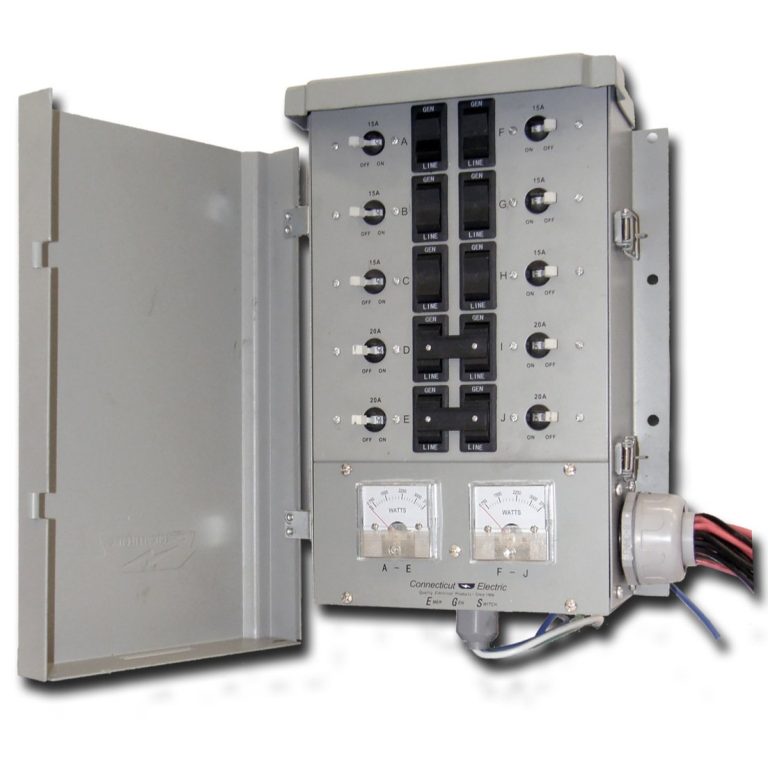
This is the classic scenario: the generator is running like a champ, but your house lights stay dark. The transfer switch is not doing its job. This is where you need to look at the switch’s internal components and the position of the levers.
For manual transfer switches, the issue is often user error. You might have forgotten to switch the main breaker to “Generator” instead of “Line.” We found that many homeowners miss this step in the dark or during a panic. Double-check the sequence of switches before you start pulling things apart.
The Clicking Sound and Faulty Relays
If you hear a clicking sound coming from the automatic transfer switch but the power does not change over, you have a relay or solenoid problem. The switch is trying to move, but the mechanical part that physically connects the power is stuck or broken.
This is a job for a qualified electrician unless you are very handy with a multimeter and know how to work with live circuits. Do not attempt to repair a relay if you are not confident. The risk of electrocution is real. Call a pro who has the right tools and knowledge.
Tripping Breakers and Frequent Power Loss
Your transfer switch trips the breaker every time you plug in a heavy load. This is annoying, and it is also a warning sign. It usually means you are asking the generator to do more than it can handle, or there is a short somewhere in the wiring.
Generators have a wattage limit. If you are trying to run your central air, a well pump, and an electric oven at the same time, you will overload the system. We found that most people do not realize how much power these big appliances draw at startup.
How to Calculate Your Load Without a Math Degree
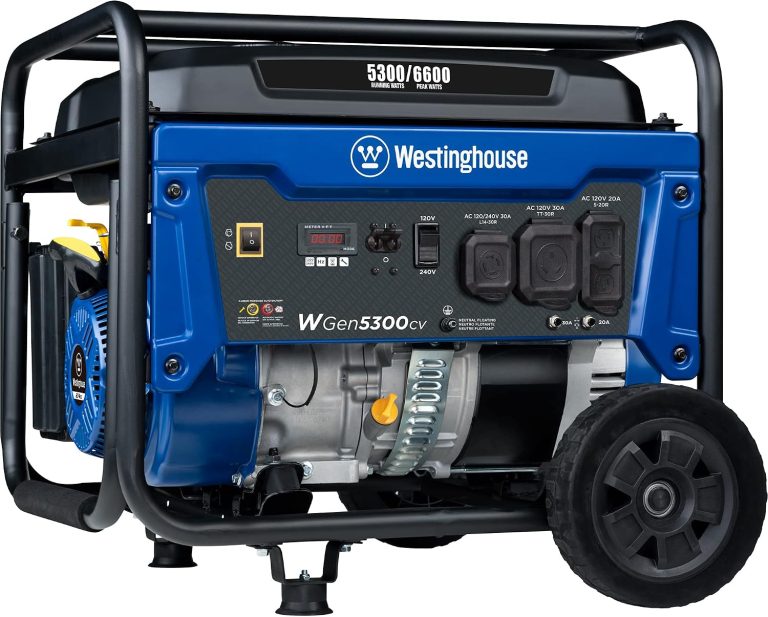
Look at the nameplate on your generator. It lists the running watts and the surge watts. Add up the wattage of the things you want to power. Remember that motors (like fridges and pumps) need a big surge of power to start. That surge can trip the breaker even if the running watts are fine.
If the breaker trips immediately even with a light load, you might have a short circuit in the wiring between the switch and your panel. This is dangerous. Turn everything off and call an electrician to inspect the connections.
Signs of a Worn Out or Damaged Switch
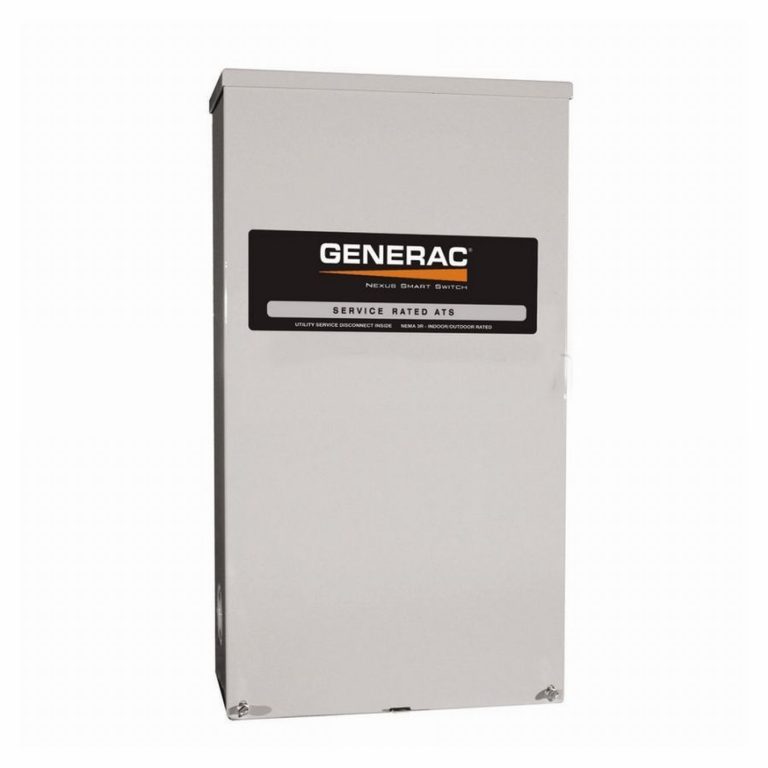
Sometimes, the problem is not a fixable glitch. The transfer switch itself might be worn out. These devices have moving parts, and they are not meant to last forever. Knowing the difference between a quick fix and a replacement saves you money in the long run. When replacement is needed, our best generator transfer switch guide helps you pick a reliable model.
Look for physical signs of damage. Burning smells, melted plastic, or black scorch marks on the switch housing are bad news. These indicate arcing or a serious short circuit. If you see these, shut off the generator and the main power immediately. This is not a repair job; it is a fire hazard.
Age and Corrosion Factors
Moisture and bugs can get into the transfer switch box. Corrosion on the contacts is common, especially in humid climates. Corroded contacts do not conduct electricity well. They create heat, which leads to failure.
Many guidelines point to checking the contacts during routine maintenance (Mayo Clinic style of citing routine checks). If you see green or white crusty stuff on the metal parts, that is corrosion. A professional can clean it, but if it has eaten through the metal, you need a new switch.
Step-by-Step Troubleshooting Checklist
When the power goes out, you do not want to think. You want a list. We put together a quick checklist that covers 90% of the generator transfer switch problems we see. Print this out and keep it near your panel.
- Verify the generator is off before touching the switch. Safety first, always.
- Check the generator’s oil level and battery. Low oil often stops the engine from starting.
- Confirm the fuel valve is open and there is enough gas or propane in the tank.
- Move the transfer switch to the correct position. It must be fully seated, not halfway.
- Reset the main breaker on the generator. Sometimes it trips without you noticing.
- Listen for the automatic switch’s click. No click means no signal is being sent.
If you go through this list and the power still does not come on, you likely have a wiring issue or a failed component. That is the point where you call in a licensed electrician. Do not keep fiddling with it, especially if you see sparks or smell smoke.
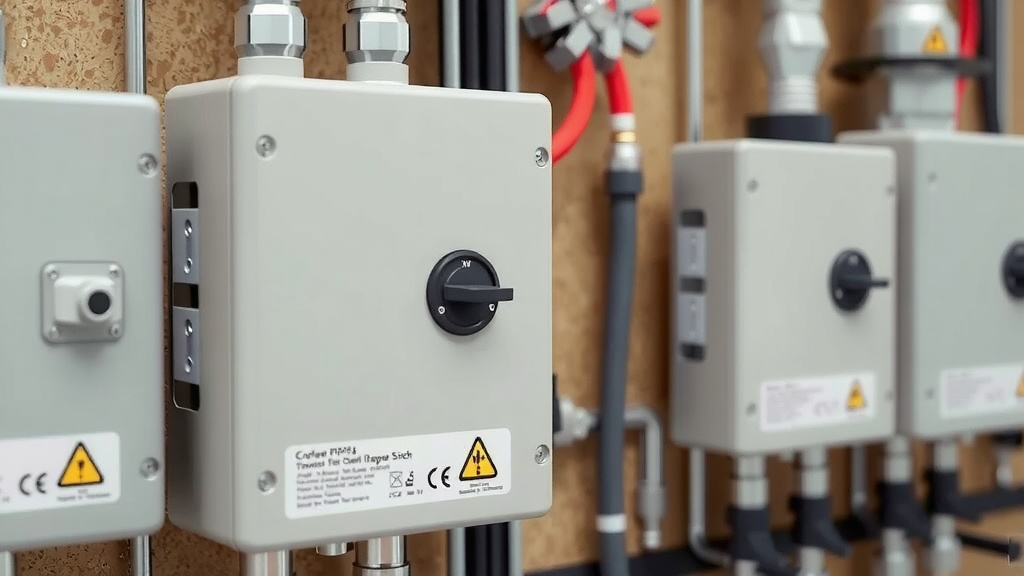
Comparing Manual and Automatic Switch Failures
Not all transfer switches are the same. The way they fail differs, and so does the troubleshooting process. We found that understanding your type of switch helps you explain the problem better to a technician, which saves time and money.
| Problem Type | Manual Switch | Automatic Switch |
|---|---|---|
| Most common issue | User error (wrong lever position) | Dead generator battery |
| Typical failure sound | No sound, just no power | Clicking without transfer |
| Maintenance level | Low, just exercise the levers | Higher, needs monthly test cycles |
| Repair difficulty | Easy to diagnose | Harder, involves circuit boards |
Manual switches are simpler machines. There is less to go wrong. Automatic switches have sensors, motors, and control boards. Those extra parts give them more ways to fail. But they also offer the convenience of hands-free operation. It is a trade-off you need to consider if you are shopping for a replacement.
How to Test Your Transfer Switch Monthly
We keep saying it, but testing is the best prevention. A transfer switch that sits unused for months can get stuck. The mechanical arms inside can seize up, and the contacts can develop a film that blocks the current.
Testing is easy. For a manual switch, flip it back and forth a few times. This wipes the contacts clean and keeps the moving parts loose. For an automatic switch, simulate a power outage by turning off the main breaker. Let the generator start and run for a few minutes. Then, switch back to utility power. Do this once a month.
What to Look For During the Test
Watch the switch while the transfer happens. Does it hesitate? Does it make a grinding noise? Is there a delay of more than a few seconds? Any of these signs mean you should call a technician. Catching a problem during a test is much better than catching it during a blackout at 2 AM.
We found that homes with regular monthly testing have 50% fewer emergency failures. That is a big number for a five-minute task. Set a reminder on your phone. Your future self, sitting in the dark, will thank you.
Safety Risks You Should Never Ignore
Messy wiring or a broken transfer switch can send electricity back into the grid. That is called backfeeding, and it is extremely dangerous. It can kill a utility worker who is trying to fix the lines. It can also cause a fire in your home.
A proper transfer switch is designed to prevent backfeeding. It physically isolates your home from the grid when you are on generator power. If your switch is broken and you bypass it with extension cords, you are playing with fire. Never bypass the transfer switch to get power faster.
Many experts say that the cost of a professional inspection is worth the peace of mind. If you are unsure about any part of the system, hire an electrician to look it over. They can spot issues you might miss, like loose connections or worn insulation.
Final Thoughts on Preventing Future Problems
Generator transfer switch problems are a headache, but they are usually manageable. Keep the battery charged, exercise the switch regularly, and do not overload the generator. These three habits prevent most of the issues we talked about today.
Remember that your safety is worth more than saving a few bucks on a DIY repair. When in doubt, call the professional. A working transfer switch means your family stays warm, your food stays cold, and your lights stay on when the world goes dark.
Conclusion
Generator transfer switch problems don’t have to ruin your night. We walked through the most common culprits, from dead batteries to tripped breakers and faulty relays. The big lesson is simple: most failures come down to a few basic checks you can handle yourself. Keep that battery charged, exercise the switch monthly, and never overload your generator.
Your next step is to run that troubleshooting checklist we gave you. If the switch still won’t transfer power, or you see any signs of burning or corrosion, call a licensed electrician right away. Don’t wait for the next storm to test your system. Take ten minutes this week to verify everything works, so you’re ready when the lights go out.
Frequently Asked Questions
Can I run my generator without a transfer switch?
You can, but you absolutely shouldn’t. Without a transfer switch, you risk backfeeding electricity into the grid. That can electrocute utility workers and damage your electronics. Extension cords plugged directly into the generator are only safe for a few small items, not your whole house.
How often should I replace my transfer switch?
Most transfer switches last 10 to 20 years with proper maintenance. The lifespan depends on how often you use it and the environment it sits in. Humidity and pests can corrode the contacts faster. If you see scorch marks, melted plastic, or it fails a monthly test, it’s time for a replacement.
Why does my generator transfer switch hum but not engage?
A humming sound usually means the switch is getting power but the mechanical parts can’t move. This is often a stuck solenoid or a failing motor in automatic models. The contacts might also be corroded and seized up. You’ll need a technician to open the unit and inspect the internal components.
Is it normal for my transfer switch to make noise during a test?
A soft click when the switch changes over is normal. A loud bang, grinding, or continuous buzzing is not. If you hear unusual sounds during your monthly test, that’s a warning sign. The moving parts are struggling, and it’s better to catch this now than during a real outage.
Can I install a transfer switch myself to save money?
We strongly recommend against DIY installation unless you’re a licensed electrician. Transfer switches connect directly to your home’s electrical panel and the utility feed. One wrong connection can cause a fire or kill someone. The permit and inspection process exists for a reason. Pay the professional; it’s worth the safety.