Generator Transfer Switch vs Interlock: Key Differences
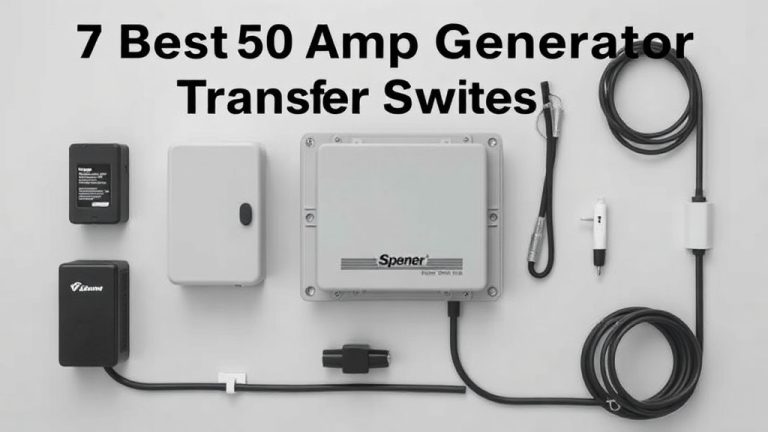
A generator transfer switch is the safe, legal, and essential bridge between your portable generator and your home’s electrical system. Without one, you are risking electrocution, fires, and damaging both your generator and your appliances. The core difference is simple: a transfer switch lets you power selected home circuits safely without backfeeding electricity into the grid.
We found that most homeowners face this choice when the lights go out and they want a reliable backup plan. You are likely looking at a manual switch versus an automatic one, or wondering if you can just use a heavy-duty extension cord instead. The truth is, your decision affects your safety, your budget, and how much power you actually get, and we are here to help you sort it all out without the technical headache.
- The quick answer: A transfer switch is a permanent, safe connection; an extension cord is a temporary, risky workaround.
- Manual switches are cheaper and require you to flip a lever when the power goes out.
- Automatic switches cost more but turn your generator on and off by themselves.
- Hardwired circuits protect your appliances and your utility workers from dangerous backfeeding.
- Your choice depends on your budget, generator type, and whether you are willing to go outside in a storm.
Below, we break down the full comparison between transfer switch options, including costs, installation, and which one fits your specific needs, so you can make the right call for your home. Let’s walk through exactly how this works step by step.
Choosing the Right Generator Hookup for Your Home
You have a generator. That is a great first step. But how you connect it to your home matters just as much as the generator itself. We found that most people land in one of two camps: they want a simple manual setup or they want the convenience of automation.
The choice between a manual and automatic transfer switch is not about brand names. It is about how you live, what you can spend, and how much work you want to do during a storm. Let’s break down the options and help you find your perfect match.
Why You Cannot Just Use an Extension Cord
We get asked this all the time. An extension cord seems so easy. You just plug your fridge into the generator and call it a day. That works for a tiny load. But it falls apart quickly when you need more power.
Extension cords create a tripping hazard. They cannot power your furnace, well pump, or water heater. And if you try to power multiple devices, you risk overloading the cord and starting a fire.
The Danger of Backfeeding
Some people think they can create a “suicide cord” to plug the generator into a wall outlet. This is incredibly dangerous. It sends electricity backward through your home’s wiring and out to the utility lines. A lineman working to restore your power could be electrocuted. You could also start a fire inside your walls.
Many experts agree that backfeeding is one of the leading causes of generator-related deaths and injuries. The Consumer Product Safety Commission warns against this practice in the strongest terms. A transfer switch is the only safe way to connect a generator to your house wiring.
Manual Transfer Switches: The Budget-Friendly Workhorse
Think of a manual transfer switch like a manual transmission in a car. You have to do the work yourself. When the power goes out, you walk to the switch box, flip the main breaker to generator power, and then start your generator. It takes about 60 seconds of effort.
We found that this option appeals to people who are comfortable with a little physical effort. It is cheaper upfront. And for many homes, it is the perfect sweet spot between safety and cost.
How a Manual Switch Works
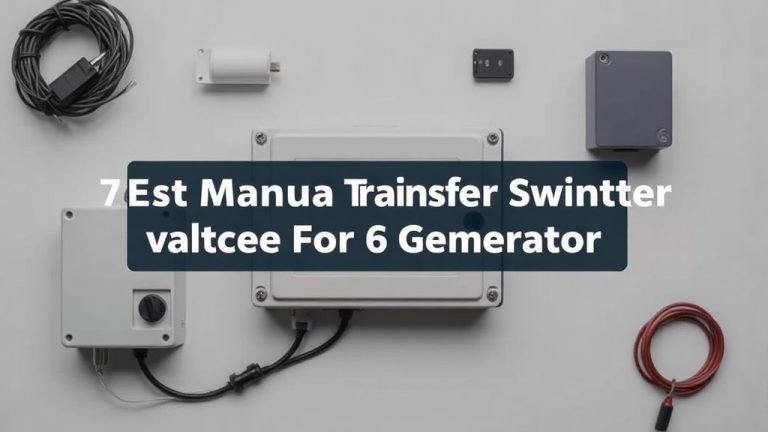
The switch is a small metal box mounted next to your main electrical panel. An electrician wires it to specific circuits in your home. You choose which circuits matter most. Maybe that is the fridge, the furnace, and a few lights.
When the power fails, you switch the transfer switch to generator power. Then you plug your generator into a dedicated inlet box outside. Finally, you start the generator. That is it. Your selected circuits come alive.
This method keeps the generator power completely separate from the utility power. That separation is what keeps you and your appliances safe. It also follows the National Electrical Code requirements for portable generators.
Cost and Installation for Manual Switches
Manual transfer switches start around two hundred dollars for a small six-circuit model. Installation by a licensed electrician can run anywhere from five hundred to one thousand dollars depending on your home’s layout. The total is usually under fifteen hundred dollars, which is budget-friendly for the safety you gain.
This is likely the cheapest safe option for powering a portion of your home. It gives you the freedom to choose which circuits are backed up. You also avoid the higher cost of an automatic system.
Automatic Transfer Switches: Complete Hands-Free Power
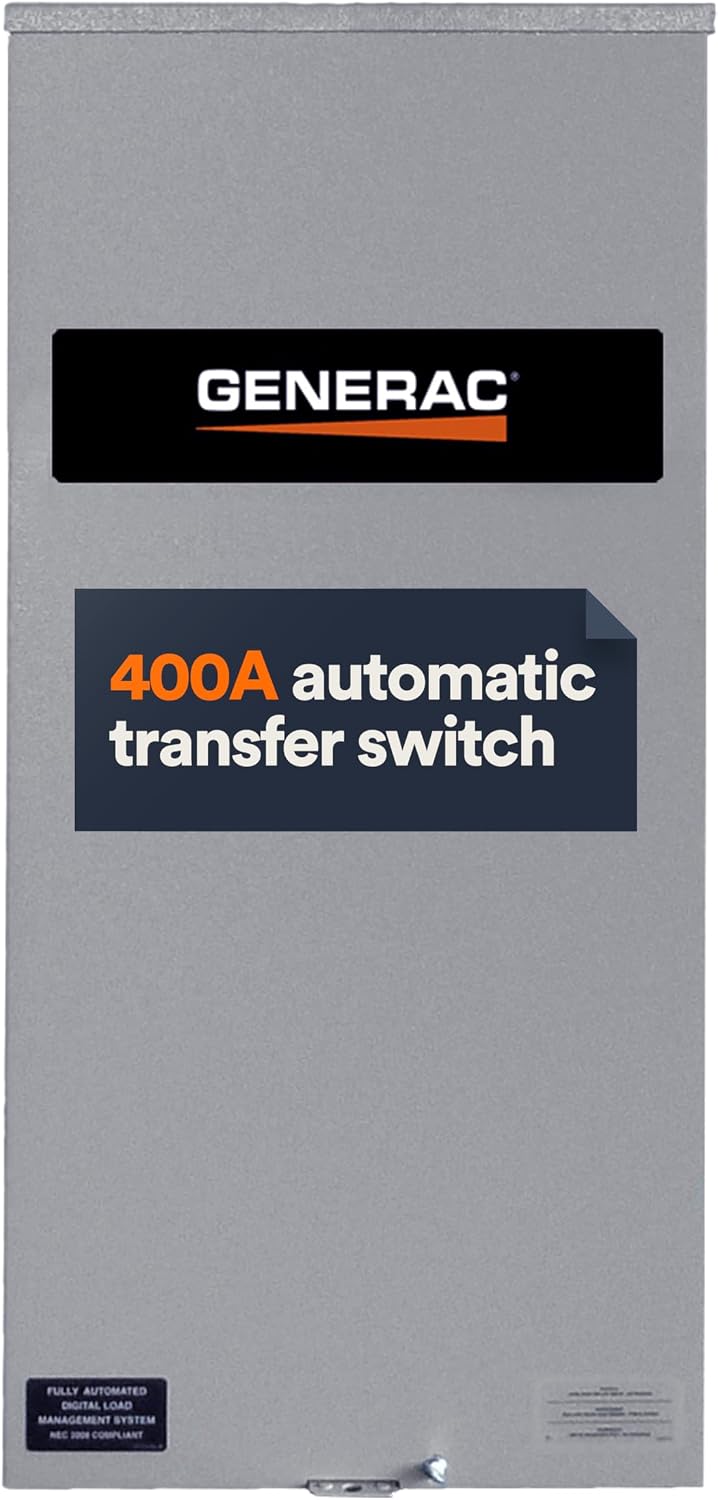
An automatic transfer switch (ATS) is like having a pit crew for your house. The moment the grid fails, the switch notices. It tells your generator to start. It waits for the generator to warm up. Then it transfers your home to generator power automatically.
You do nothing. You do not even have to get out of bed. This is the gold standard for whole-home backup, and we found that it is becoming more popular for good reason.
How an ATS Works with Standby Generators
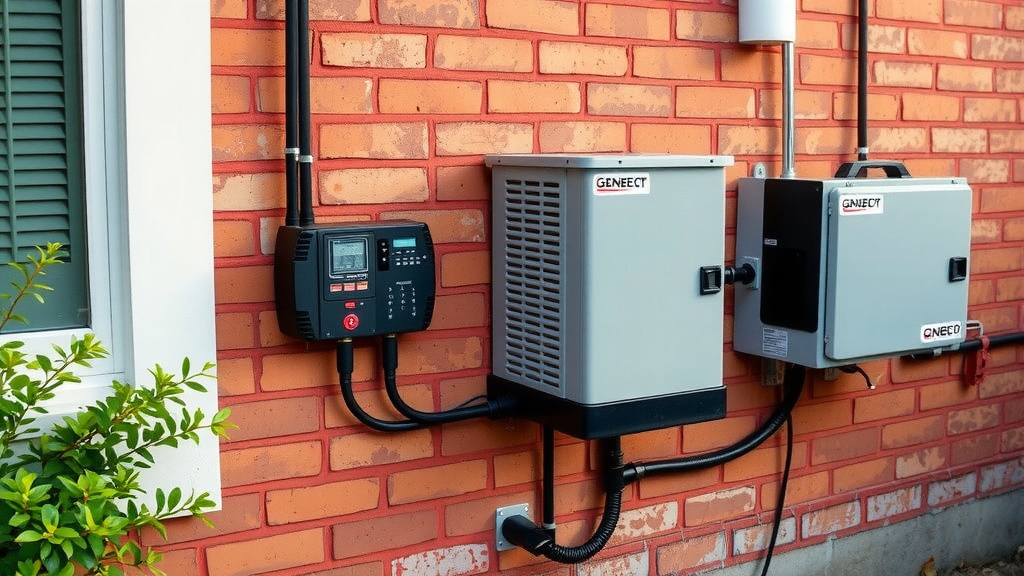
An automatic switch pairs with a permanently installed standby generator. These generators run on natural gas or propane. They sit outside in a weatherproof enclosure, much like an air conditioning unit.
The ATS monitors the incoming utility voltage continuously. When it detects a power loss, it sends a start signal to the generator. Within seconds, the generator starts and produces electricity. The switch then safely disconnects you from the grid and connects you to the generator.
What About Automatic Switches for Portable Generators?
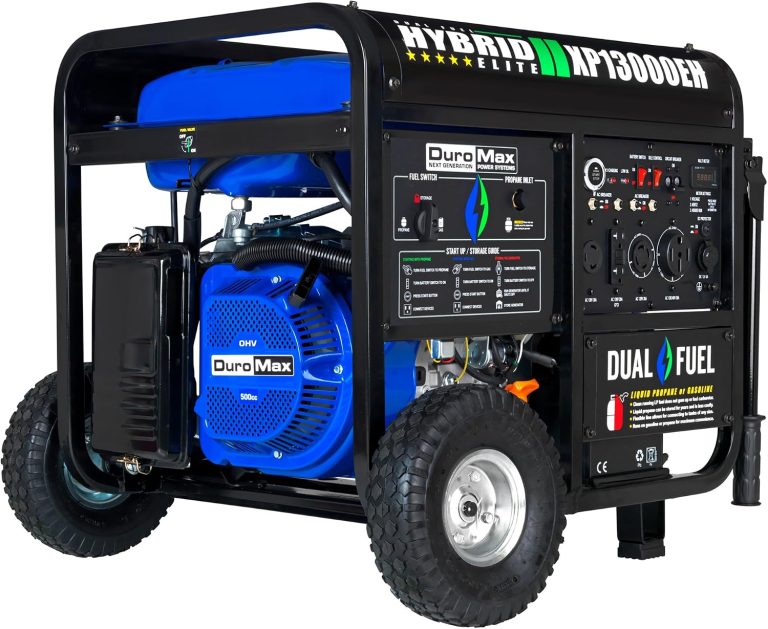
You might wonder if you can get automatic convenience with a portable generator. Yes, you can. Some modern portable generators have electric start and can be triggered by an automatic transfer switch. However, this is not as common.
These setups are more complex. They require specific generator models with remote start capability. They also cost more because the switches are specialized. For most people, automatic operation works best with a permanently installed standby generator.
Cost Comparison: Manual vs. Automatic Transfer Switches
Money is often the deciding factor. We found that the price gap between manual and automatic is significant. Your budget will guide you quickly.
Here is a simple breakdown of what you can expect to pay for equipment and installation for both options. These are ballpark figures based on typical residential jobs.
| Feature | Manual Transfer Switch | Automatic Transfer Switch |
|---|---|---|
| Equipment cost | $200 to $500 | $800 to $2,000 |
| Installation cost | $500 to $1,000 | $1,000 to $2,500 |
| Total typical cost | $700 to $1,500 | $1,800 to $4,500 |
| Generator type | Portable | Standby (or specific portable models) |
| Power coverage | Selected circuits only | Whole home or large loads |
| Effort during outage | Manual action required | None required |
We found that a manual switch is about half the cost of an automatic system. That savings matters. But you have to weigh it against the convenience factor. Some people love flipping a switch. Others want nothing to do with it.
Why Installation Costs Vary
Every home is different. The distance from your main panel to your generator matters. The number of circuits you want to power matters too. If you have a complex electrical setup, expect higher labor costs.
You should never install a transfer switch yourself unless you are a licensed electrician. Household electrical work is dangerous. Getting it wrong can cause injury or fire. The cost of a professional is worth every penny for your safety.
Power Capacity: What Can Each System Handle?
Manual switches are limited in size. Most residential units handle 6 to 10 circuits. That is perfect for essentials. You can power the fridge, a sump pump, a few lights, and maybe a TV.
Automatic switches manage much larger loads. A typical home standby generator and ATS can power your entire house. That means central air conditioning, electric oven, and even the hot tub, all at the same time. For whole-home coverage, our list of the best 200 amp automatic transfer switch can help you find a suitable model.
Understanding Your Electrical Load
Before you buy anything, you need to know what your house actually uses. An electrician performs a load calculation. This measures the total wattage and amperage of your appliances and lights.
We found that many people overestimate their power needs. A 5,000-watt portable generator with a manual switch handles most essential circuits just fine. You do not need to power the whole house to stay comfortable.
Ease of Use and Maintenance Considerations
If you are not physically able to go outside in a storm, an automatic switch is the obvious choice. Manual switches require you to start the generator and flip levers. That is not always fun in heavy rain or snow.
Automatic systems also handle their own weekly self-tests. They run the generator briefly once a week to keep it ready. This routine keeps the engine lubricated and the battery charged. Many experts say this regular exercise extends the life of the generator.
Maintenance for Manual Systems
For manual switches, your generator sits in the garage or shed until it is needed. You have to remember to run it monthly to keep it in good shape. You also need to check the oil and fuel levels before a storm hits.
Maintenance for Automatic Systems
Standby generators with an ATS run weekly self-tests. They have remote monitoring in many cases. The system texts you if something goes wrong. This is a high level of convenience, but the generator itself needs annual service by a professional. Factor this into your long-term budget.
Key Safety Features You Should Look For
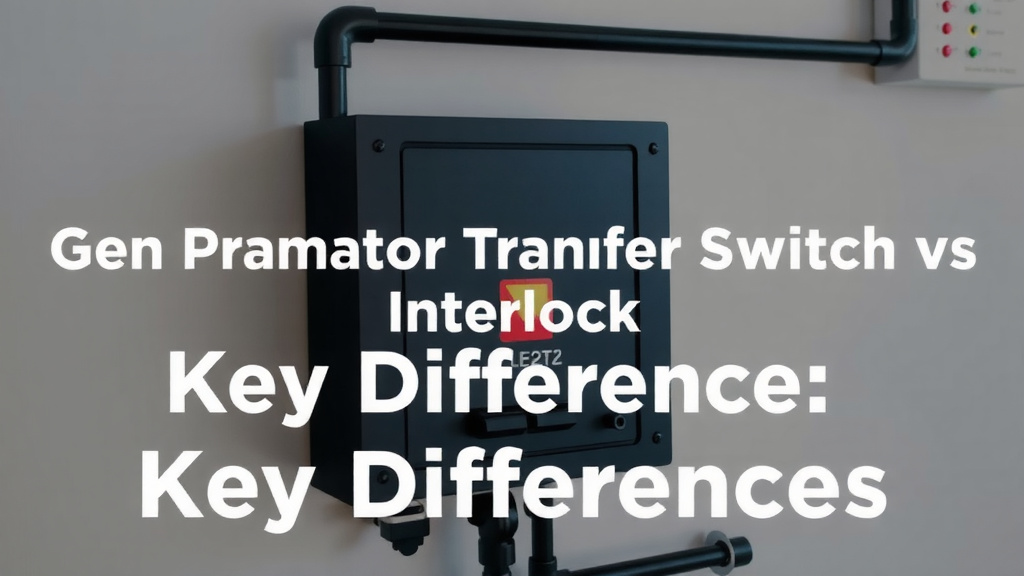
Both manual and automatic switches protect you with mechanical interlocks. These prevent the generator and the utility power from connecting at the same time. That is the core safety function. Without it, you risk severe damage and injury.
You also want a switch rated for your generator’s voltage and amperage. Most homes use a 240-volt system. Your switch must match that. An electrician will ensure the correct sizing.
Certification and Standards
Look for switches that meet UL standards. UL 1008 is the standard for transfer switches. This certification means the device has been tested for safety and performance. Do not buy a no-name switch that lacks this certification.
Your Decision Checklist for Transfer Switches
You have a lot of information now. It is time to put it together and make a choice. Here is a quick checklist to help you decide which path is right for your home and lifestyle.
- Assess your budget. Manual switches cost half as much as automatic systems.
- Decide on coverage. Essential circuits only, or do you want whole-home power?
- Think about your mobility. Can you safely go outside to start a generator in a storm?
- Check your fuel source. Do you have natural gas for a standby generator, or will you use gasoline?
- Plan for installation. Hire a licensed electrician and get a quote before you commit.
- Verify certifications. Make sure any switch you buy meets UL 1008 safety standards.
Which Option Fits Your Lifestyle Best?
We found that most homeowners choose a manual transfer switch for its low cost and simplicity. It works great with a portable generator and covers the essentials without breaking the bank. If you are handy and don’t mind the small ritual of connecting your generator, this is the way to go.
You should choose an automatic transfer switch if convenience is your top priority. It is a bigger investment. But waking up to warm lights and a running furnace without lifting a finger is a beautiful experience. This option is ideal for people with medical equipment that cannot tolerate a power gap or for those who travel frequently.
No matter which you pick, you are making a safe choice. Both options protect your family from carbon monoxide poisoning, electrical shock, and fires. Both keep the grid safe for utility workers. And both will give you real peace of mind the moment the lights go out, because you will be ready.
Conclusion
You now have the full picture. A transfer switch is not optional if you care about safety. It protects your family, your appliances, and the utility workers who restore your power. The real question is manual or automatic.
We found that your budget and lifestyle drive that decision. A manual switch is affordable and reliable. You just have to be willing to flip a lever and start the generator yourself. An automatic system costs more but handles everything for you, even while you sleep.
Your next step is simple: get a quote from a licensed electrician. Ask them to assess your electrical panel and recommend the right size. That one phone call turns all this planning into a safe, working setup. Do it before the next storm, not during one.
Frequently Asked Questions
Can I install a transfer switch myself to save money?
We strongly advise against DIY installation unless you are a licensed electrician. Working inside your main electrical panel carries a real risk of electrocution. A small mistake can cause a fire or damage your appliances. The cost of professional installation is worth the peace of mind.
Does a transfer switch work with any portable generator?
Most standard portable generators will work with a manual transfer switch. You just need to match the voltage and plug type. Your electrician will check that your generator’s wattage is compatible with the circuits you want to power. If you own a generator with electric start, you might even be able to set up automatic operation.
Why is a transfer switch better than interlocking breakers?
Interlock kits are a cheaper alternative that some homeowners use. They do prevent backfeeding, but they require you to manually manage breakers in your main panel. Transfer switches are easier to use and specifically designed for this job. Many local codes actually require a listed transfer switch, not an interlock hack.
Will a transfer switch damage my generator over time?
No, a transfer switch actually protects your generator. It provides a clean, safe electrical path with no feedback loops. It also prevents overloading because you only power the circuits you have selected. Your generator will run smoother and last longer with a proper transfer switch in place.
How long does it take to install a transfer switch?
A typical manual transfer switch installation takes about four to six hours. Automatic systems with a standby generator can take a full day or longer because they require more wiring and a concrete pad. Your electrician can give you a precise timeline after looking at your home’s setup.