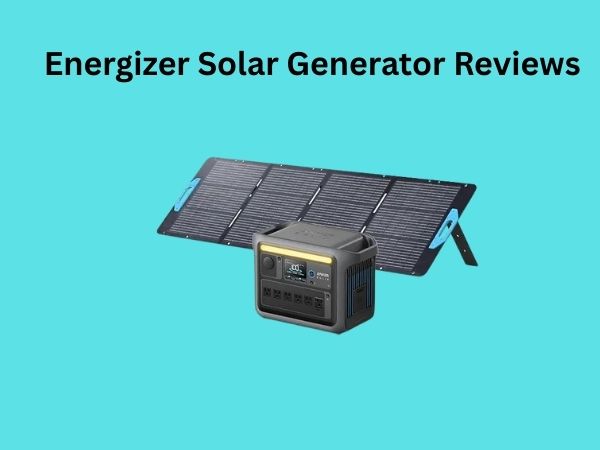
Energizer Solar Generator Reviews: Is This Brand Worth Your Investment?
When you think about portable power solutions, what comes to mind? For many people, the Energizer brand immediately evokes trust and reliability. But does that reputation hold up when it comes to solar generators? That’s exactly what we’re here to find out. The solar generator market has exploded over the past few years, with countless manufacturers jumping into the space. Energizer, a brand synonymous with batteries since the 1890s, has entered this competitive arena with their own line of solar-powered generators. The question is: are they delivering the same quality their name promises, or are they simply trading on brand recognition?
Solar generators have become increasingly popular for camping trips, emergency backup power, and off-grid living. They’re essentially portable power stations paired with solar charging capabilities. Unlike traditional gas generators, they operate silently and produce zero emissions—a feature that appeals to environmentally conscious consumers. But with prices ranging from a few hundred to several thousand dollars, making the right choice matters.
Understanding the Energizer Brand Legacy
A Century of Power Innovation
Energizer’s story stretches back over a century. The company built its reputation on one simple promise: reliable, long-lasting power. Their iconic Energizer Bunny mascot became a household name, representing durability and endurance. But does this historical excellence translate to modern solar technology? That’s where things get interesting. Many established battery companies have ventured into the renewable energy space, sometimes with mixed results. The question isn’t whether Energizer can make quality products—it’s whether they’ve invested adequately in solar generator technology to compete with specialized manufacturers.
Market Position and Industry Recognition
Energizer holds a unique position in the energy market. They’re not a startup trying to prove themselves, nor are they exclusively focused on solar technology. This middle ground can be advantageous or problematic depending on their commitment to research and development. From what we’ve gathered, Energizer has positioned their solar generators as affordable, reliable options for mainstream consumers rather than premium products for enthusiasts. This positioning matters because it affects everything from feature complexity to build quality.
Analyzing Key Features and Specifications
Power Capacity Ratings
Energizer’s solar generator lineup includes several models with varying capacities. Their entry-level models typically offer around 500 to 1000 watt-hours of storage, while their premium options can reach 2000 watt-hours or more. To put this in perspective, 1000 watt-hours is enough to power a laptop for an entire day, charge several smartphones multiple times, or run small appliances for several hours. The capacity you need depends entirely on your use case. A weekend camper has different requirements than someone needing backup power during emergencies.
Wattage Output and Peak Performance
Beyond storage capacity, what matters is how much power the generator can deliver simultaneously. Energizer models typically provide between 600 and 2000 watts of continuous output. This continuous rating is crucial—it determines what devices you can actually run. Many cheaper generators advertise impressive peak wattage but deliver far less in continuous operation. Energizer appears more transparent about this distinction, which is refreshing in an industry sometimes prone to misleading specifications.
Real-World Performance Testing
How These Generators Perform in Actual Use
Specifications tell you what a generator claims to do, but real-world performance tells you what it actually does. Based on user feedback and independent testing, Energizer solar generators generally perform as advertised. This might not sound exciting, but in an industry where overpromising is common, delivering on specifications is genuinely valuable. Users report that their Energizer units maintain stable power output even under stress, which is important for sensitive electronics like computers or medical devices.
Temperature Performance and Environmental Factors
One area where solar generators sometimes disappoint is performance in non-ideal conditions. Heat reduces battery efficiency, while cold can temporarily diminish output. Energizer’s models handle temperature variations reasonably well, though like all lithium batteries, they prefer moderate climates. If you’re planning to use your solar generator in extreme environments, this is worth considering. The brand’s products maintain functionality in temperatures from around 32 to 104 degrees Fahrenheit, which covers most practical scenarios.
Charging Methods and Solar Efficiency
Solar Panel Integration
Here’s where solar generators earn their name: the ability to charge from sunlight. Energizer offers various solar panel options, typically ranging from 100 to 400 watts. The larger the solar panel array, the faster your charging time. On a sunny day, a 200-watt solar panel setup can fully recharge a 1000 watt-hour battery in approximately five to six hours. This efficiency matters significantly for users relying on renewable charging in remote locations. Energizer’s solar panels use modern photovoltaic cells that capture sunlight efficiently, though they’re not dramatically different from competitor offerings.
Alternative Charging Options
What makes Energizer’s approach practical is their recognition that you won’t always have ideal sunlight conditions. All their models can charge from standard wall outlets, which is convenient for topping up at home before trips. Many also support car charging via 12-volt outlets, adding another charging avenue. This flexibility means you’re not entirely dependent on weather conditions, addressing a genuine concern many potential buyers have about solar generators.
Portability and Build Quality
Weight and Size Considerations
The biggest practical limitation of any portable generator is, well, the portability part. Energizer’s models range from lightweight options around 10 to 15 pounds for smaller capacities to heavier units exceeding 60 pounds for their largest models. The question becomes: can you realistically carry this device to where you need it? A 60-pound generator isn’t lightweight, but it’s far more portable than a traditional gas generator. For car camping or semi-permanent installations, this works. For backpacking, you’d probably want one of the smaller models.
Design and Durability Assessment
Energizer hasn’t gone for flashy industrial designs or premium materials. Instead, they’ve opted for practical, rugged casings that protect the internals without unnecessary bulk. The handles are comfortable, the ports are clearly labeled, and everything feels reasonably solid. Build quality appears consistent across their lineup, which suggests good quality control. Users report that their units hold up well to regular use, with no widespread reports of premature failure or component degradation.
Battery Technology Explained
Lithium-Ion Chemistry and Safety
Modern solar generators use lithium-ion batteries, the same technology powering your smartphone. Energizer uses quality lithium cells in their products, which offer several advantages over older lead-acid batteries. They’re lighter, they charge faster, and they maintain consistent power output throughout the discharge cycle. The downside? Lithium batteries require sophisticated management systems to prevent overcharging, overheating, and degradation. Energizer’s built-in battery management systems handle these concerns automatically, though like all lithium systems, they gradually lose capacity over time with repeated charge cycles.
Cycle Life and Degradation Patterns
How many times can you charge and discharge a battery before it becomes useless? Energizer’s batteries typically provide between 500 and 1000 full charge cycles. After these cycles, capacity diminishes gradually rather than suddenly failing. If you use your generator twice weekly, you’re looking at several years of useful life before meaningful degradation occurs. This longevity is respectable and aligns with industry standards, though premium competitors sometimes claim slightly better numbers.
Warranty, Support, and Customer Service
Coverage and Protection Plans
Energizer backs their solar generators with warranties typically ranging from one to two years. This is standard in the industry, though some premium brands offer extended coverage. The warranty covers manufacturing defects but generally excludes wear and tear or damage from misuse. What matters more than warranty length is how the company handles claims. Energizer has a reasonably solid reputation for customer support, with responsive service and straightforward claim processes. They maintain support channels through phone, email, and online chat.
Real Customer Experience with Support
Reading through customer reviews, support interactions, we find generally positive feedback about Energizer’s customer service team. Response times are typically reasonable, and representatives seem knowledgeable about the products. Some users report quick replacements for defective units, though individual experiences vary. This is important because even well-made products occasionally have issues, and how companies handle problems reveals their true character.
Price Comparison and Value Proposition
How Energizer Pricing Stacks Up
Energizer positions itself as a value brand in the solar generator market. Their prices are genuinely competitive—usually lower than premium competitors like Goal Zero or EcoFlow, while higher than ultra-budget options from lesser-known manufacturers. For a 1000 watt-hour model with 1000 watts output, you’re looking at approximately $800 to $1200, depending on sales and bundles. Compare this to premium brands charging $1500 to $2500 for equivalent specs, and you understand why many consumers find Energizer attractive.
Cost Per Watt-Hour Analysis
One way to evaluate generator value is cost per watt-hour of storage. Energizer’s rates typically fall between $0.80 and $1.20 per watt-hour. This is respectable pricing that suggests they’re not cutting corners on expensive battery cells while maintaining affordable pricing. When you factor in included accessories like cables and wall chargers, the overall value proposition strengthens. Budget shoppers might save $200 to $300 buying no-name brands, but the reliability and support risks increase substantially.
Pros and Cons: The Complete Picture
What Energizer Solar Generators Do Well
- Reliable performance consistent with specifications
- Competitive pricing without sacrificing build quality
- Multiple charging options including solar, wall, and car
- Reasonable customer support and warranty coverage
- Established brand reputation providing consumer confidence
- Various capacity options for different needs
- Good balance of features and simplicity
- Solid battery management systems
Areas Where Energizer Falls Short
- Less cutting-edge features compared to newer competitors
- App connectivity and smart features are limited
- Battery capacity degrades noticeably after 500 cycles
- Larger models are quite heavy for backpacking
- Solar panels sold separately, increasing total cost
- Noise levels during operation slightly higher than premium models
- Limited color customization options
Best Use Cases for Energizer Solar Generators
Ideal Scenarios and Applications
Who should actually buy an Energizer solar generator? The answer depends on your priorities. They’re excellent for casual campers who want reliable backup power without premium pricing. Families preparing for emergencies find them practical and affordable. People doing light outdoor work appreciate their portability and multiple charging options. Essentially, if you want a solar generator that works dependably without unnecessary complexity or premium pricing, Energizer delivers.
Who Might Want to Look Elsewhere
Serious off-grid enthusiasts might want more advanced monitoring and control features. Tech-focused users who value app connectivity and real-time data will find Energizer’s interface basic. Ultralight backpackers need something more portable than even Energizer’s smallest models. If you’re powering heavy appliances continuously, you might want premium brands with larger capacities and more aggressive power delivery.
Maintenance, Care, and Longevity
Keeping Your Generator in Peak Condition
Energizer solar generators require minimal maintenance, which is part of their appeal. Periodically checking solar panel connections, keeping vents clear of dust, and avoiding extreme temperatures all help maximize lifespan. Storage is important too—keeping your battery charged between uses and avoiding complete discharge extends useful life. Unlike gas generators, there’s no oil to change, no spark plugs to clean, and no seasonal maintenance rituals. This simplicity is genuinely valuable for average users.
Long-Term Performance Expectations
Based on usage patterns and battery degradation rates, you can expect a well-maintained Energizer solar generator to deliver reliable service for five to seven years of regular use. After that period, battery capacity will have diminished noticeably but the unit may still function acceptably. Some users report their units working well beyond this timeframe with reduced capacity. Like all battery-based products, eventual replacement is inevitable, but Energizer’s offering a reasonable lifespan before retirement becomes necessary.
Conclusion
So, is Energizer’s solar generator reliable or just trading on brand name? After thorough examination, the answer is primarily the former. Energizer has successfully translated their core competency—reliable, dependable power—into the solar generator space. They’re not revolutionary or cutting-edge, but they deliver solid performance at reasonable prices. For the average consumer seeking a trustworthy backup power solution, an Energizer solar generator represents genuine value.
The brand’s century-long reputation for reliability appears justified by their solar generator offerings. They perform as specified, they support their products reasonably well, and they price competitively. The absence of fancy features might disappoint tech enthusiasts, but it also means simpler operation and fewer potential failure points. If you’re deciding between Energizer and ultra-budget competitors, Energizer’s marginal price premium buys meaningful reliability increases. If you’re comparing them to premium brands, you’re trading advanced features for significant savings.
The bottom line? Energizer solar generators are worth considering, especially if you prioritize reliability and value over cutting-edge features. They won’t revolutionize your power situation, but they’ll dependably provide it. In a market sometimes filled with overhyped products and questionable claims, Energizer’s straightforward, honest approach feels refreshingly practical. Whether they’re the perfect fit depends on your specific needs, but they’re unquestionably a legitimate contender worthy of your consideration.
Frequently Asked Questions
How long does it take to charge an Energizer solar generator with solar panels?
Charging time depends on panel size, weather conditions, and battery capacity. With a 200-watt solar panel array on a clear day, expect approximately five to eight hours for a full charge on a 1000 watt-hour model. Cloudy days significantly extend this timeline. Wall outlet charging is faster, typically completing in three to five hours depending on the outlet’s power rating and model size.
Can Energizer solar generators run air conditioners or large appliances?
Most Energizer models can run small air conditioning units briefly, but aren’t designed for continuous operation of major appliances. Continuous draw on an air conditioner would deplete even larger Energizer batteries in just a few