How is Solar Energy Generated From the Sun? The Complete Guide to Harnessing Solar Power
Have you ever wondered what powers your smartphone when you leave it in the sun, or how those solar panels on your neighbor’s roof actually work? The answer lies in one of the most fascinating processes in modern energy generation. Solar energy isn’t magic, but it sure feels like it when you understand how the sun’s rays get converted into the electricity that runs your home. Let me walk you through this incredible journey from the sun to your light switch.
Understanding the Sun’s Core Energy Source
Before we dive into how solar energy is generated, we need to understand what makes the sun such a powerhouse in the first place. The sun is essentially a massive nuclear fusion reactor hanging in space about 93 million miles away from Earth. Deep within its core, hydrogen atoms are constantly fusing together to form helium, releasing tremendous amounts of energy in the process. This energy radiates outward in all directions, and a tiny fraction of it reaches our planet every single day.
Think of the sun like an enormous power plant that’s been running non-stop for about 4.6 billion years and still has another 5 billion years of fuel left. The energy it produces is incomprehensible in scale, yet we’ve figured out clever ways to capture just a small portion of it and convert it into usable electricity for our homes and businesses.
The Fundamentals of How Solar Energy Works
At its core, solar energy generation relies on a simple principle: converting the sun’s electromagnetic radiation into electrical current. But while the principle is simple, the execution is where things get interesting. There are actually two main approaches to harnessing solar energy, and each one works quite differently.
The Two Primary Methods of Solar Energy Generation
The first method, which most people think of when they hear “solar energy,” is the photovoltaic approach. This involves using special materials that release electrons when exposed to sunlight. The second method is solar thermal, which captures the heat from the sun directly to warm water or air for heating purposes. Both are legitimate forms of solar energy generation, but they work on entirely different principles.
Photovoltaic Cells: The Heart of Solar Power
Let me introduce you to the unsung hero of solar energy: the photovoltaic cell. This is where the real magic happens. A photovoltaic cell is a semiconductor device, typically made from silicon, that has a remarkable ability to convert light directly into electricity. When photons from the sun strike the surface of these cells, something extraordinary occurs at the atomic level.
The Structure of a Photovoltaic Cell
A photovoltaic cell isn’t just a single piece of material. It’s actually a carefully engineered sandwich of different layers. The main component is usually silicon, which has been treated in special ways. On one side of the cell, silicon is mixed with an element like phosphorus, which adds extra electrons. On the other side, it’s mixed with an element like boron, which creates spaces for electrons. This creates what’s called a P-N junction, which is the boundary where all the electrical action takes place.
Around this junction, a special electric field forms naturally, and this field is what drives electrons in one direction, creating the electrical current that we can use.
The Photovoltaic Effect Explained
Now we’re getting to the really fascinating part. The photovoltaic effect is the phenomenon that makes solar panels work, and it’s based on quantum mechanics, but don’t let that intimidate you. Here’s what happens in plain English:
- Photons from sunlight travel 93 million miles to reach Earth
- These photons hit the silicon atoms in a photovoltaic cell
- The photon’s energy excites electrons in the silicon atoms, giving them enough energy to break free from their atoms
- These free electrons are now mobile and can move through the material
- The electric field in the P-N junction catches these electrons and pushes them in a specific direction
- This directional movement of electrons creates electric current
- Electrical contacts on the cell collect this current and send it to external circuits
It’s really quite elegant when you think about it. The sun’s photons are essentially knocking electrons loose from their atoms, and the cell’s design catches those liberated electrons and directs them to do useful work.
Types of Solar Energy Generation Methods
Solar energy generation isn’t a one-size-fits-all situation. There are several different technologies and approaches, each with their own advantages and applications.
Monocrystalline Silicon Solar Cells
These are the premium option in the solar world. Monocrystalline cells are made from a single, continuous crystal of silicon. Because the atoms are all aligned in the same direction, electrons can move through the material more easily. These cells typically have efficiency rates between 15 to 22 percent, meaning they convert that percentage of sunlight into electricity. They’re also more durable and have a longer lifespan, often lasting 25 to 30 years or more.
Polycrystalline Silicon Solar Cells
Polycrystalline cells are made from multiple silicon crystals melted together. They’re less efficient than monocrystalline cells, typically achieving 13 to 16 percent efficiency, because the grain boundaries between different crystals create resistance to electron flow. However, they’re cheaper to manufacture and still very capable of generating solar energy. They’re an excellent choice for budget-conscious installations.
Thin-Film Solar Cells
These cells use much less material than traditional silicon cells. They’re made by depositing extremely thin layers of photovoltaic material onto a backing. While they have lower efficiency rates, around 10 to 12 percent, they’re flexible, lightweight, and can work in various lighting conditions, including some level of overcast weather. They’re great for applications where flexibility matters.
Photovoltaic Systems and Their Components
A solar panel sitting on a roof isn’t the complete story. It’s just one part of an entire system designed to capture, manage, and deliver solar energy to your home or business.
Solar Panels and Modules
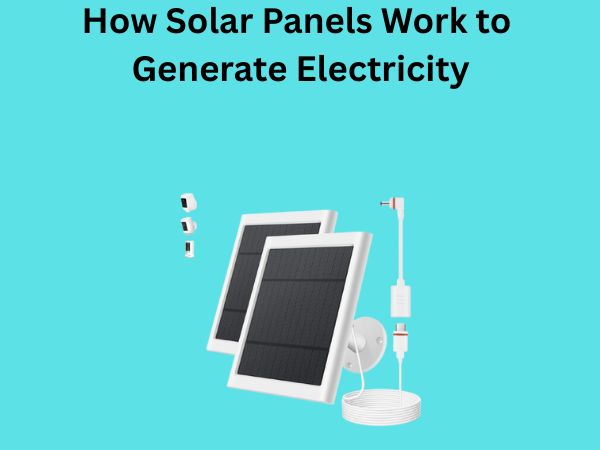
Multiple photovoltaic cells are connected together to create a solar module or panel. A typical residential solar panel contains about 60 cells and produces around 300 to 400 watts of power under ideal conditions. These panels are arranged in series and parallel configurations to increase voltage and current to usable levels.
The Inverter: Converting DC to AC
Here’s a problem that solar panels create: they produce direct current electricity, abbreviated as DC. However, your home runs on alternating current, or AC. An inverter is the device that performs this crucial conversion. It takes the DC electricity from the panels and transforms it into AC electricity that your appliances can actually use. Without an inverter, solar panels would be useless for powering a home.
Mounting Systems and Balance of System
Solar panels need to be securely mounted, typically on a roof or ground. The mounting system is engineered to withstand wind, snow, and other weather conditions while positioning the panels to capture maximum sunlight. The “balance of system” includes all the other necessary components like wiring, disconnects, breakers, and monitoring systems that keep everything running safely and efficiently.
Battery Storage Systems
Modern solar installations often include battery storage systems. These batteries, typically lithium-ion technology, store excess energy generated during sunny days for use during nights or cloudy periods. This is a game-changer for solar energy because it makes solar power available 24/7, not just when the sun is shining.
How Solar Thermal Energy Works
While photovoltaic systems convert sunlight directly into electricity, solar thermal systems take a different approach. They capture the sun’s heat and use it directly for heating purposes.
Solar Water Heating Systems
Imagine tubes filled with water running across your roof, painted black to absorb maximum heat from the sun. As sunlight warms the water in these tubes, the water becomes hotter and is stored in an insulated tank. This hot water can be used for showers, washing, or space heating. It’s wonderfully simple and incredibly efficient, often achieving efficiency rates above 70 percent. Many people overlook solar thermal systems, but they’re actually a fantastic way to harness the sun’s energy, especially in climates with good sunshine.
Air Solar Heating
Similar systems can heat air instead of water. Solar air collectors warm air that’s then circulated through ducts to heat a building. These systems are popular in commercial buildings and industrial applications.
Concentrated Solar Power Technology
There’s another impressive way to generate solar energy that we haven’t discussed yet: concentrated solar power, often called CSP. Instead of using photovoltaic cells, CSP systems use mirrors or lenses to concentrate sunlight onto a small area, creating extremely high temperatures.
Imagine thousands of mirrors all focused on a single point. The heat generated can reach temperatures of 1000 degrees Fahrenheit or higher. This heat is used to boil water, creating steam that drives a turbine connected to a generator, which produces electricity. It’s essentially a solar power plant. Some CSP systems even store the heat in molten salt, allowing them to generate electricity after sunset. These systems are typically used on a utility scale rather than for individual homes, but they’re remarkable examples of solar energy innovation.
From Sunlight to Electricity: The Complete Journey
Let me trace the complete path that solar energy takes from the sun to powering your television.
Step One: Photon Emission from the Sun
Our journey begins 93 million miles away in the sun’s core, where nuclear fusion reactions release photons of light and energy in all directions.
Step Two: Photon Arrival at Earth
After traveling for eight minutes and twenty seconds, some of these photons reach Earth’s atmosphere. Some are absorbed or reflected by the atmosphere, but many make it through to the surface where they’re not blocked by clouds or other obstructions.
Step Three: Interaction with Solar Cells
The photons strike the surface of your solar panels and penetrate the silicon cells. They collide with silicon atoms and transfer their energy to electrons.
Step Four: Electron Excitation and Liberation
Energized electrons break free from their parent atoms, becoming mobile charge carriers. The built-in electric field in the P-N junction separates these electrons from their positively charged counterparts (holes).
Step Five: Current Generation
Electrons are driven toward the negative contact on the cell, creating a flow of electric current. This current moves through an external circuit, and that’s where all the useful work happens.
Step Six: Inversion and Distribution
The DC current from the panels flows to the inverter, which converts it to AC current that matches the frequency and voltage of your home’s electrical system. This AC current is then distributed through your home’s electrical panel.
Step Seven: Powering Your Home
The AC electricity flows through your home’s wiring to power lights, appliances, and devices. Any excess energy either charges a battery system for later use or flows back to the grid, where you might earn credits or compensation.
Efficiency Factors and Optimization
Not all sunlight becomes electricity. Understanding efficiency and how to optimize it is crucial to maximizing your solar investment.
What Affects Solar Panel Efficiency
- Cell temperature: Solar cells actually become less efficient when hot, so ventilation matters
- Panel angle and orientation: Panels work best when facing the sun directly
- Shading: Even partial shade significantly reduces panel output
- Panel cleanliness: Dust and dirt block sunlight and reduce efficiency
- Wiring and inverter quality: Poor equipment loses energy through resistance and conversion losses
- Weather conditions: Clouds reduce but don’t eliminate solar generation
Maximizing Your Solar Energy Generation
To get the most from your solar system, you’ll want to keep panels clean, ensure they’re positioned optimally for your location’s latitude and seasonal patterns, and minimize shading from trees or buildings. Modern solar monitoring systems let you track your system’s performance in real-time, identifying any problems quickly.
Real-World Applications of Solar Energy
Solar energy generation isn’t limited to powering homes. Its applications are surprisingly diverse.
Residential Solar Installations
Homeowners install rooftop solar panels to offset their electricity consumption, reduce energy bills, and potentially achieve energy independence. Some jurisdictions allow homes to go completely off-grid with solar and battery storage.
Commercial and Industrial Solar
Businesses use solar to reduce operational costs and meet sustainability goals. Large commercial roofs are ideal for extensive solar installations that can generate significant amounts of power.
Utility-Scale Solar Farms
Massive solar installations covering acres of land generate power for the electrical grid, supplying entire communities with renewable energy.
Portable and Off-Grid Solutions
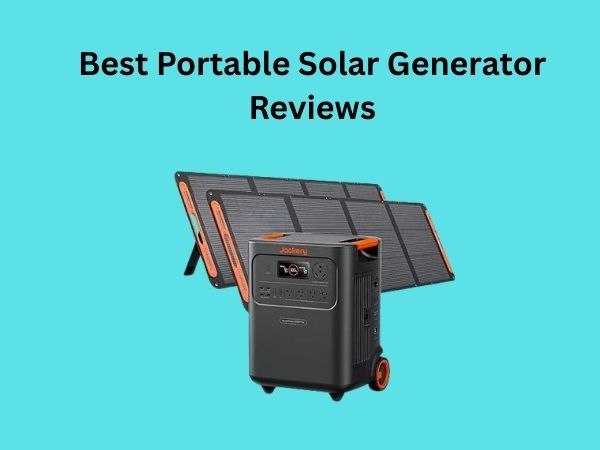
Solar chargers, portable panels, and solar-powered devices bring energy independence to camping, boating, and emergency situations. Remote areas without grid access benefit tremendously from solar power systems.
The Role of Weather and Climate
Does solar energy work in cloudy climates? This is a common misconception. While cloudy weather reduces solar generation, it doesn’t stop it entirely. Clouds diffuse sunlight rather than completely blocking it, and modern solar panels still generate meaningful amounts of electricity on overcast days. Interestingly, some studies show that solar panels in cooler, cloudier climates can be more efficient than those in extremely hot, sunny areas because they run cooler.
Seasonal variations matter, too. Solar generation is stronger in summer months with longer days and higher sun angles, but winter installations still produce useful energy, just less of it.
Future Innovations in Solar Technology
Solar energy generation technology isn’t standing still. Researchers are working on exciting new approaches that could revolutionize how we harness the sun’s power.
Perovskite Solar Cells
These new materials could achieve higher efficiencies than silicon at lower costs. Some perovskite cells have already exceeded 25 percent efficiency in laboratory conditions.
Tandem Solar Cells
Stacking multiple layers of different materials allows cells to capture different parts of the light spectrum, potentially pushing efficiency above 40 percent.