Solar Efficiency: How Long to Charge Solar Generator for Maximum Use
Have you ever found yourself staring at a solar generator wondering just how long it’ll take to juice up? You’re not alone. I’ve been there, standing in my backyard, watching those solar panels work their magic, and honestly, it’s a question that doesn’t have a one-size-fits-all answer. The charging time for solar generators depends on several interconnected factors, and understanding them can make a massive difference in how you use your renewable energy system.
Think of charging a solar generator like filling a swimming pool with a garden hose. Sure, you could use a tiny hose, but it’ll take forever. Use a bigger hose, and you’re done in no time. The same principle applies to solar generators. Let me walk you through everything you need to know about maximizing your solar charging efficiency.
Understanding the Basics of Solar Generator Charging
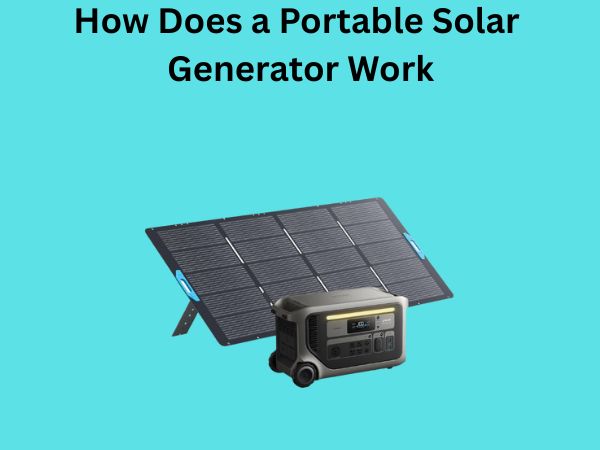
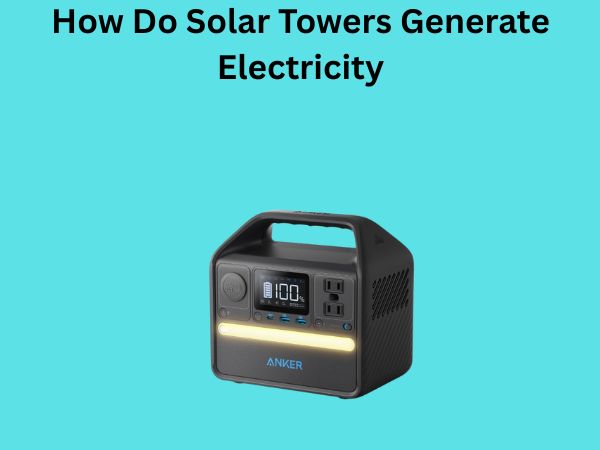
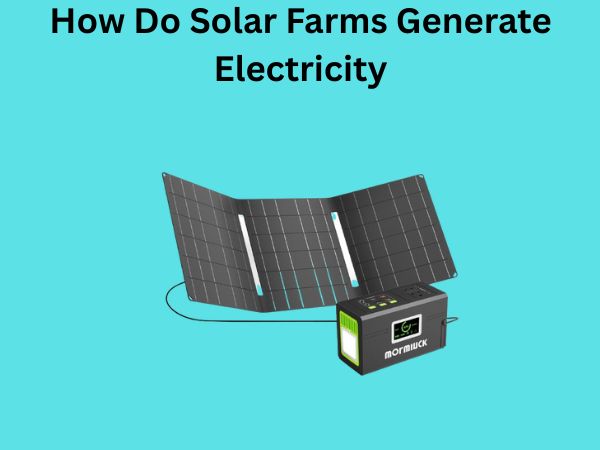
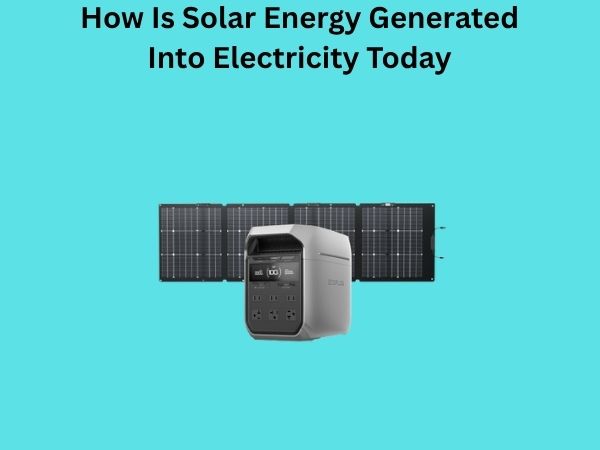
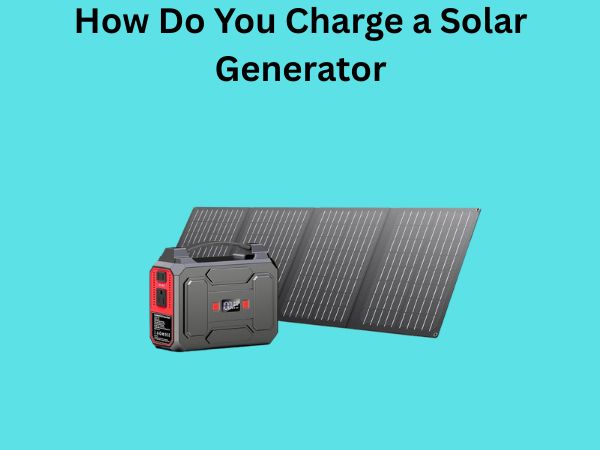
Before we dive into the nitty-gritty of charging times, let’s establish what we’re actually dealing with. A solar generator is essentially a portable power station that uses solar panels to convert sunlight into electrical energy. It stores this energy in rechargeable batteries, which you can then use to power your devices whenever you need them.
The charging process isn’t instantaneous, and that’s perfectly normal. What many people don’t realize is that the speed at which your solar generator charges depends on multiple variables working together. It’s like baking a cake—you can’t just throw all the ingredients in at once and expect perfection. Timing, temperature, and technique all matter.
The Role of Solar Panel Wattage
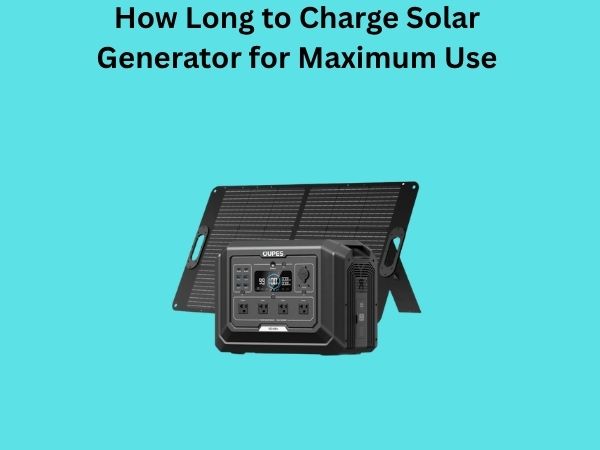
The wattage of your solar panels is probably the most significant factor in determining charging speed. When I first invested in a solar setup, I underestimated how important this specification was. Solar panels typically range from 50 watts to 400 watts or more, and each watt counts.
Here’s the thing: higher wattage panels generate more power, which means faster charging times. A 100-watt solar panel will charge your generator roughly twice as fast as a 50-watt panel under identical conditions. But here’s where it gets interesting—those panels need to be working at their optimal capacity.
Battery Capacity Matters More Than You Think
Your solar generator’s battery capacity is measured in watt-hours (Wh). This number tells you how much energy your battery can store. A 1000Wh battery needs significantly more charging time than a 500Wh battery, even with the same solar panels providing power.
Think of it this way: you’re trying to fill two different-sized tanks with the same pump. The smaller tank fills up quickly, but the larger one takes considerably longer. It’s the same principle here. A 1000Wh solar generator with 100-watt panels will take roughly twice as long to charge as a 500Wh system with the same panel setup.
Real-World Charging Time Estimates
Now, let’s get practical. What can you actually expect in terms of charging times? I’ve tested various combinations, and here’s what I’ve found:
- Small portable units (300-500Wh): With 100-watt solar panels, expect 5 to 8 hours of full charging under ideal sunlight conditions
- Medium-sized generators (1000Wh): These typically need 10 to 15 hours with comparable solar panels
- Large capacity systems (2000Wh or more): You’re looking at 20 to 30 hours or even longer for complete charging from empty to full
But here’s the catch—these are estimates under perfect conditions. Real-world scenarios are messier, and that’s what we need to discuss next.
Environmental Factors That Affect Charging Speed
Sunlight Intensity and Weather Conditions
Weather is the ultimate wildcard in solar charging. On a clear, sunny day around noon, your panels are operating at peak efficiency. But throw in some clouds, and everything changes. I’ve noticed that even light cloud cover can reduce charging efficiency by 50 percent or more.
The angle of the sun matters too. During midday, when the sun is directly overhead, you get the most intense sunlight. Early morning and late afternoon sun, while still useful, carries less power. This is why many solar experts recommend positioning your panels to face the sun directly throughout the day.
Rain and storms are natural enemies of solar charging. Not only does the cloud cover block sunlight, but moisture can also interfere with panel efficiency. I’ve learned to check weather forecasts before making important energy decisions.
Seasonal Variations
Your location on the planet and the time of year dramatically influence charging times. During summer months, longer daylight hours and higher sun angles mean faster charging. Winter brings shorter days and lower sun angles, significantly extending your charging times.
If you live in northern latitudes, you might see charging times double or even triple during winter compared to summer. This is something I had to adapt to when I moved to a cloudier region. Suddenly, my previous charging estimates became almost useless.
Geographic Location and Climate
Where you live genuinely impacts your solar generator’s performance. Desert regions with consistent sunshine will charge faster than perpetually cloudy areas. Coastal regions often have more cloud cover, while inland, elevated areas might get better solar exposure.
I’ve met solar enthusiasts in Arizona who charge their systems in half the time compared to folks in the Pacific Northwest. It’s not just a minor difference—it’s a fundamental reality of solar energy.
Maximizing Your Solar Generator Charging Efficiency
Optimal Panel Positioning
Here’s something that actually makes a substantial difference: how you position your solar panels. Pointing them directly at the sun, perpendicular to the light rays, maximizes energy capture. If your panels are at an angle, you’re losing efficiency.
The ideal angle changes throughout the day as the sun moves across the sky. Some solar generators come with adjustable stands, which I highly recommend investing in. Even a small adjustment can improve charging speed by 10 to 20 percent.
Keeping Panels Clean and Maintained
Dust, pollen, bird droppings, and other debris accumulate on solar panels over time. This buildup acts like a blanket, reducing the amount of sunlight reaching the photovoltaic cells. I clean my panels monthly, and it makes a noticeable difference in charging efficiency.
Use a soft cloth and gentle, soapy water. Avoid harsh chemicals that might damage the panel coating. Think of it as maintaining any important piece of equipment—a little care goes a long way.
Minimizing Power Draw During Charging
Here’s a tip that many people overlook: while your solar generator is charging, try to minimize the power you’re drawing from it. If you’re charging the battery while simultaneously running devices, you’re creating what I call a “charging race.”
It’s like trying to fill a bathtub while the drain is open. Sure, water still flows in, but you’re fighting against yourself. Turn off unnecessary devices, or at least wait until the generator is fully charged before using power-hungry appliances.
Using Multiple Solar Panels
One panel is good, but multiple panels are better. If you connect two 100-watt panels together, you’re effectively doubling your charging power. This is one of the quickest ways to reduce charging time significantly.
Most solar generators are designed to accept multiple panels in parallel or series configurations. Check your specific model’s manual to understand the maximum panel wattage it can handle. Going beyond this limit might damage your system.
Comparing Charging Methods: Solar vs. AC Power
AC Wall Outlet Charging
Let’s be honest—plugging your solar generator into a wall outlet is faster than waiting for sunlight. A typical AC charger can charge a 1000Wh battery in 8 to 10 hours, which beats solar charging in many cases. This is why many solar generator owners use AC charging as a backup or quick-charge method.
During cloudy periods or when you need quick turnaround, AC charging is your friend. I often top up my system using AC power overnight when the sun isn’t shining anyway.
Car Charging Options
Some solar generators offer 12-volt DC car charging capabilities. This method is slower than AC charging but faster than relying solely on solar panels in some situations. The charging speed depends on your car’s alternator output and the charging circuit built into your generator.
Strategies for Faster Solar Charging
Investing in Higher Wattage Panels
If charging speed is important to you, upgrading to higher wattage panels is a worthwhile investment. Moving from 100-watt panels to 200-watt panels essentially halves your charging time. It’s a significant upgrade that pays for itself in convenience.
Creating a Hybrid Charging System
Why choose between one charging method when you can combine them? Some people set up hybrid systems that use AC charging, solar charging, and car charging simultaneously. This approach ensures your generator is always topped up, regardless of circumstances.
I implemented a hybrid system in my home, and I’ve never had to worry about battery depletion. It’s like having multiple water sources flowing into your tank simultaneously.
Understanding Your Power Consumption Patterns
Before investing heavily in faster charging, honestly assess your power needs. How much energy do you actually use daily? If you only need 500Wh per day, an expensive, high-capacity system might be overkill.
I keep a power journal for a few weeks to track my actual usage. This simple step revealed that I was overshooting my needs by a significant margin. Matching your system size to your actual requirements is surprisingly effective.
Common Mistakes That Slow Down Charging
Through experience and talking with other solar generator users, I’ve identified several common mistakes that people make:
- Shading issues: Even partial shade on one panel can significantly reduce overall output. Keep your panels away from trees, buildings, and other obstructions
- Using damaged cables: Worn or damaged charging cables create resistance, slowing energy transfer. Inspect cables regularly
- Operating in extreme temperatures: Both freezing cold and extreme heat reduce battery charging efficiency. Keep your system in moderate temperatures when possible
- Ignoring firmware updates: Some solar generators receive efficiency improvements through software updates. Check for these regularly
- Neglecting battery maintenance: Over time, battery capacity decreases. Proper maintenance helps preserve charging speed
The Future of Solar Charging Technology
Solar generator technology is evolving rapidly. Newer models feature improved photovoltaic cells that work better in low-light conditions. Some manufacturers are experimenting with bifacial panels that capture sunlight from both sides, potentially doubling energy capture.
Battery technology is advancing too. Solid-state batteries promise higher energy density and faster charging times. Within the next few years, we’ll likely see solar generators that charge significantly faster than current models.
Practical Daily Charging Routine
Based on my experience, here’s a practical approach to daily solar generator management:
- Position your panels during peak sunlight hours (10 AM to 3 PM)
- Check panel cleanliness weekly
- Monitor weather forecasts to plan your energy needs
- Use AC charging during extended cloudy periods
- Keep a charging log to understand your patterns
- Charge gradually rather than waiting for complete depletion
This routine ensures you’re always getting the fastest possible charge without obsessing over the process.
Conclusion
Charging a solar generator isn’t a mysterious process, but it does require understanding several interconnected factors. The time it takes depends on your panel wattage, battery capacity, sunlight conditions, environmental factors, and the efficiency strategies you implement.
Generally speaking, expect anywhere from 5 to 30 hours depending on your system size and conditions. Small portable systems charge quickly, while large capacity units require more patience. The good news is that multiple strategies can speed up the process—from investing in higher wattage panels to creating a hybrid charging system.
Remember, solar charging is about working with nature, not against it. The more you understand your specific system and environment, the better you can optimize charging times. Don’t get frustrated by the waiting period; use it as an opportunity to appreciate clean, renewable energy working for you.
Start with realistic expectations, implement the optimization strategies that make sense for your situation, and gradually refine your approach. Within a few months, you’ll develop an intuition for your solar generator’s charging patterns and capabilities.
Frequently Asked Questions
Can I overcharge my solar generator?
Most modern solar generators have built-in charge controllers that prevent overcharging. These devices automatically stop charging once the battery reaches full capacity. I’ve left my system connected to solar panels all day without issues. However, it’s always good to check your specific model’s manual to understand its charging protection features.
What’s the best time of day to charge a solar generator?
Solar generators charge fastest between 10 AM and 3 PM when the sun is highest in the sky and most intense. During these hours, you’ll get optimal energy generation. Early morning and late afternoon charging is possible but occurs at reduced efficiency. I typically position my panels during midday for best results.
Does temperature affect solar generator charging speed?
Yes, temperature significantly impacts charging efficiency. Both extremely cold and extremely hot conditions reduce battery charging speed. The sweet spot is typically between 50°F and 85°F (10°C to 29°C). In winter or during heatwaves, you might notice slower charging times. Storing your generator in a cool, shaded location during extreme temperatures helps maintain optimal charging speeds.
How often should I charge my solar generator?
This depends entirely on your usage patterns. If you use your generator daily, you’ll need to charge it daily. For backup purposes, I recommend charging your system whenever it drops below 20 percent capacity. Regular partial charging is actually better for lithium batteries than allowing them to fully deplete before recharging.
Is it worth buying a larger solar panel setup for faster charging?
It depends on your needs and budget. Larger panels definitely charge faster, but they’re also more expensive and require more storage space. I recommend assessing your actual power needs and realistic charging time requirements. If you need fast charging and have the budget, upgrading to higher wattage panels is absolutely worth it. Otherwise, a modest setup with patient charging works fine for most users.
“`