How Long Do Solar Generators Run During a Blackout? A Complete Guide
When the lights go out and you’re left sitting in darkness, one question probably races through your mind: how long will my solar generator actually keep things running? It’s a fair question, and honestly, it’s one that deserves a detailed answer because the reality is more nuanced than you might think.
Solar generators have become increasingly popular as backup power solutions, but they’re not quite like the traditional generators your grandfather might have used. They work differently, charge differently, and most importantly, they run for different amounts of time depending on several critical factors. Let me walk you through everything you need to know.
Understanding What a Solar Generator Actually Is
Before we dive into runtime specifics, let’s clarify what we’re actually talking about. A solar generator isn’t some magical device that creates electricity from thin air. Instead, think of it as a sophisticated power bank—a battery system that stores energy captured by solar panels and then releases that energy when you need it.
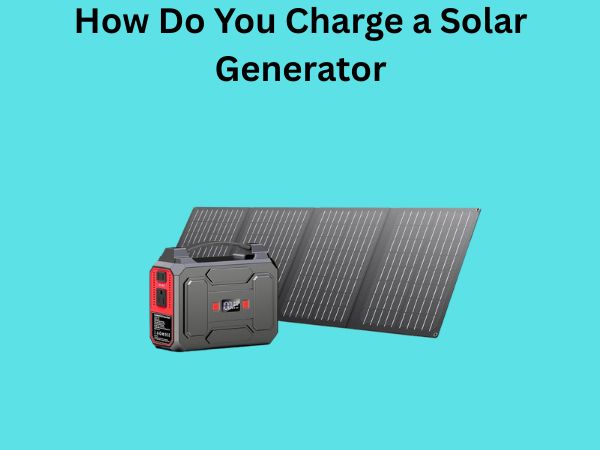
The typical solar generator setup includes three main components: the solar panels that collect sunlight, the charge controller that regulates the charging process, and most importantly, the battery storage system that holds your power reserves. The battery is really the heart of the operation, and it’s also the biggest factor in determining how long your generator will run.
The Battery Capacity Factor: Your Real Runtime Determiner
Here’s the truth: the runtime of your solar generator depends almost entirely on how much energy is stored in its battery. It’s like asking how long a car can drive on a full tank—the answer depends on the tank size, right?
Battery capacity is measured in watt-hours (Wh) or kilowatt-hours (kWh). A small portable solar generator might have 400 Wh of storage, while a larger home backup system could have 10,000 Wh or more. The bigger the number, the longer your generator can theoretically run.
Small Portable Solar Generators
These compact units typically range from 300 to 1,000 Wh. They’re perfect for camping trips or powering a few essential devices during a short outage. With a 500 Wh portable generator, you might run a laptop for 8-10 hours, or a mini-fridge for about 24 hours on a single charge. Pretty decent for emergencies, but not designed for extended blackouts.
Medium-Sized Solar Generators
Moving up the ladder, you’ve got units with 1,000 to 3,000 Wh capacity. These are more serious about backing up your home during outages. A 2,000 Wh generator could power essential household items for 1-2 days if you’re being conservative with consumption.
Large Home Backup Systems
The serious stuff—units with 5,000 to 20,000 Wh or more. These are what many people consider for whole-home backup solutions. With the right system, you could theoretically run a household for several days, though that depends heavily on your power consumption patterns.
Power Consumption: The Hidden Variable Everyone Forgets
Here’s where people often get tripped up. You can’t just look at the battery capacity and determine runtime—you also need to know how much power you’re actually using. It’s the difference between driving a gas-guzzling truck versus a fuel-efficient sedan with the same size tank.
The formula is simple: Runtime equals battery capacity divided by power consumption. If you have a 2,000 Wh battery and you’re drawing 200 watts, you’ll get approximately 10 hours of runtime. But if you’re drawing 500 watts, suddenly you’re down to just 4 hours.
High-Demand Appliances That Drain Your Battery Quickly
- Air conditioning units (3,000-5,000+ watts)
- Electric ovens and ranges (2,000-5,000+ watts)
- Water heaters (4,000-5,000+ watts)
- Clothes dryers (2,000-6,000+ watts)
- Large refrigerators (600-800 watts running, with startup surges)
Lower-Demand Devices That Extend Your Runtime
- LED lights (10-20 watts)
- Phone chargers (5-10 watts)
- Laptop computers (30-100 watts)
- Small televisions (50-100 watts)
- Fans (25-75 watts)
If you’re smart about what you plug in during a blackout, you can stretch your solar generator’s runtime significantly. This is actually one of the biggest advantages solar generators have over their fuel-based cousins—you have complete control over consumption.
The Recharging Factor: Solar Panels Keep the Juice Flowing
Now here’s something important that separates solar generators from regular battery backups: they can recharge during the day. This is genuinely game-changing when you understand what it means for extended blackouts.
While traditional gas generators need fuel to keep running, a solar generator with proper sunlight exposure can theoretically run indefinitely. Yes, you read that right—indefinitely. As long as the sun is shining on your panels and your power consumption doesn’t exceed the charging rate, you can maintain power continuously.
Solar Panel Output Matters
The amount of solar panels included with your generator system directly impacts how quickly you can recharge. A system with 100 watts of solar panels will recharge much slower than one with 400 watts. This is particularly important to consider if you’re in a region that experiences frequent outages lasting multiple days.
On a clear day, a 200-watt solar panel array might generate 1,000-1,500 Wh of energy. That’s enough to fully recharge a medium-sized battery and potentially power some of your home simultaneously. On cloudy days, production drops significantly—sometimes by 50-75%—which is why weather matters tremendously.
Geographic Location and Seasonal Variations
Where you live dramatically affects how much solar energy you can generate. If you’re in Arizona with abundant sunshine, your solar generator will perform differently than someone in Seattle or Portland where clouds are frequent. During winter months, even sunny locations see reduced solar output.
This is why calculating “average” runtime is tricky. Someone in a sunny climate might stretch a 2,000 Wh battery for an entire week during a blackout by living off daytime solar charging plus nighttime battery reserves. Someone in a cloudier region might only manage 3-4 days in the same scenario.
Real-World Runtime Scenarios: What Actually Happens During a Blackout
Scenario One: 48-Hour Summer Blackout with a 2,000 Wh Generator
Let’s say you have a 2,000 Wh solar generator with 200 watts of attached solar panels. It’s summer, the blackout happens, and you’re in a sunny region. Here’s how it might realistically play out:
Day one: Your battery is fully charged, so you have 2,000 Wh to work with. If you use 400 watts on average (mixing high-demand and low-demand devices), you’ll drain the battery in about 5 hours. But wait—it’s still morning when the blackout starts. Your solar panels are generating power, so you’re not just drawing from storage; you’re drawing from live solar production too. By evening, your battery might still be at 60-70% because you’ve been getting real-time solar input.
Night: Now solar production stops. Your 400-watt consumption drains the battery. If you maintain that consumption for 8 hours of sleep and early morning before sunrise, you might use 3,200 Wh. But you only have 1,400 Wh remaining from the previous night. You’re in trouble.
Day two: You wake up with low battery and significantly restrict usage. You’re charging during the day but can only power essential items. By evening, the battery is recharged but you’ve been very careful with consumption. A 48-hour period becomes survivable but uncomfortable.
Scenario Two: Ideal Conditions with Disciplined Usage
Now imagine the same 2,000 Wh generator, but this time you’re serious about stretching it. You limit daytime usage to 200 watts and nighttime usage to 100 watts. You run your refrigerator, essential lights, and phone chargers—nothing else.
At 200 watts during daylight (say, 12 hours) and 100 watts at night (12 hours), you’re consuming about 3,600 Wh daily. Your solar panels are generating roughly 1,400-1,600 Wh daily in summer. You’re still in deficit, but only slightly. Your battery slowly drains over several days, but you might stretch a 2,000 Wh battery for a full week with careful management.
Scenario Three: Winter Blackout Reality Check
Winter changes everything. Solar production plummets. Even with sunny days, you might only generate 600-800 Wh from 200 watts of panels. If your consumption is 300 watts average, you’re running at a deficit constantly. Your 2,000 Wh battery might only last 5-6 hours of actual runtime without recharging, and the solar panels won’t meaningfully replenish it.
This is why winter preparedness is crucial. Many solar generator owners invest in larger battery systems specifically for winter blackouts.
Peak vs. Average Power Consumption: Why It Matters
There’s another critical nuance that catches people off guard: the difference between peak power and average power consumption.
When your refrigerator compressor kicks on, it might draw 800 watts for a moment. That’s peak power. Throughout a 24-hour period, it might only average 200 watts because the compressor cycles on and off. Many solar generator specifications list both surge capacity (peak) and continuous capacity. You need to ensure your system can handle the peak power of whatever you’re plugging in, or you’ll overload it.
But for calculating runtime, use average consumption. If your average is 250 watts and your battery is 2,000 Wh, you’re looking at approximately 8 hours of runtime from storage alone—assuming no solar recharging.
Practical Tips to Extend Your Solar Generator Runtime
- Use natural light during the day instead of electric lights when possible
- Minimize refrigerator door openings to reduce compressor cycling
- Use blankets and layered clothing instead of space heaters
- Keep phone usage low and use battery saver mode
- Avoid simultaneous operation of multiple high-power devices
- Position solar panels at optimal angles for maximum sun exposure
- Keep panels clean—dust reduces efficiency by 15-25%
- Close off unused rooms to reduce cooling/heating loads
- Use a battery monitor to track your consumption and adjust accordingly
- Install additional solar panels if you have the space and budget
Comparing Solar Generators to Other Backup Power Solutions
You might wonder how solar generators stack up against alternatives. Gas generators can run as long as you have fuel, but they’re loud, produce emissions, and require fuel storage. Propane generators are quieter but still dependent on fuel supply chains. Traditional UPS systems for electronics are expensive and limited to short runtimes.
Solar generators offer a unique advantage: once installed, they require no fuel, produce no emissions, and operate silently. The tradeoff is that they’re dependent on weather and sunlight, but for extended blackouts where fuel might be scarce, this is actually a major advantage.
Sizing Your Solar Generator for Your Actual Needs
The right size solar generator depends on your specific situation. Ask yourself:
- How long do blackouts typically last in your area?
- What devices absolutely need power during an outage?
- How much sunlight does your location typically receive?
- Do you have space for additional solar panels?
- What’s your budget range?
If you live somewhere with frequent short outages lasting a few hours, even a small 500 Wh portable generator might be sufficient. For someone in an area prone to multi-day blackouts, a 3,000+ Wh system with expandable solar panels is more appropriate.
Battery Chemistry and Longevity Considerations
Most modern solar generators use lithium-ion (LiFePO4) batteries rather than older lead-acid technology. Lithium batteries charge faster, discharge more efficiently, and last significantly longer—typically 10+ years versus 3-5 years for lead-acid.
The type of battery affects not just runtime but also how much of the battery capacity you can safely use. Some systems allow 100% depth of discharge, while others recommend keeping 20% reserve. This impacts your effective runtime calculations.
The Weather Factor: How Clouds and Seasons Change Everything
This is perhaps the most underestimated variable. A solar generator working in optimal conditions can perform beautifully, but introduce clouds or seasonal variation, and things change dramatically.
During partly cloudy conditions, solar output might drop to 50% of sunny-day capacity. During heavy clouds, you might get only 10-20% of rated output. If your blackout occurs during a weather system bringing several cloudy days, your solar recharging capability becomes minimal, and you’re essentially running off stored battery capacity.
Maintenance and Performance Over Time
Your solar generator’s runtime will gradually decrease as the battery ages. After 5 years, you might see 10-15% reduction in capacity. After 10 years, you could be looking at 20-30% reduction. This is normal battery degradation and something to factor into your long-term planning.
Regular maintenance helps preserve capacity: keep panels clean, avoid extreme temperatures, don’t let the battery discharge completely for extended periods, and avoid overcharging.
Conclusion
So, how long do solar generators run during a blackout? The honest answer is: it depends. It depends on your battery capacity, your power consumption, your location’s solar resources, the weather, the time of year, and how smart you are about managing your usage.
A 2,000 Wh solar generator could run for as little as 4 hours if you’re running high-power devices, or as long as a week or more if you’re disciplined with consumption and have decent sunlight. The real advantage of solar generators isn’t necessarily longer runtime than gas alternatives—it’s the ability to recharge indefinitely for free once the sun returns.
For most people facing blackout concerns, the best approach is to invest in a system sized to your essential loads, install expandable solar capacity, and practice disciplined usage during outages. That combination will get you through most real-world scenarios with minimal disruption to your life.
The key insight is this: understanding how long your solar generator will actually run requires thinking beyond just battery capacity. You need to consider your usage patterns, your location’s solar potential, seasonal variations, and your willingness to adapt your lifestyle during an outage. When you account for all these factors intelligently, a properly sized solar generator system becomes a genuinely valuable backup power solution that can keep your family safe and comfortable during extended blackouts.
Frequently Asked Questions
Can a solar generator run continuously 24/7?
Technically, yes—if your solar panel output exceeds your power consumption during daylight and your battery is large enough to cover nighttime consumption. In reality, most systems have periods where consumption exceeds solar generation, causing the battery to slowly discharge. For true 24