How Can Solar Energy Generate Electricity? Easy Explanation for Beginners
Have you ever wondered what happens when sunlight hits those shiny panels on someone’s roof? It’s almost like magic, but it’s actually science working right before your eyes. Solar energy is transforming the way we power our homes and businesses, and understanding how it works doesn’t require a PhD in physics. In this guide, I’m going to walk you through the fascinating journey of how sunlight becomes the electricity that powers your lights, refrigerator, and smartphone.
Understanding the Basics: What Is Solar Energy?
Let me start with the fundamentals. Solar energy is the power that comes directly from the sun. Think of the sun as the ultimate power plant—it’s been generating energy for billions of years and will continue to do so for billions more. The energy the sun produces is absolutely massive. In just one hour, the sun delivers enough energy to the Earth to power the entire world for a whole year. That’s incredible when you really think about it.
Now, we don’t use solar energy by simply sitting in the sun and hoping to charge our devices. Instead, we’ve developed technology to capture this sunlight and convert it into electricity that we can actually use in our homes and businesses. This process is what we’re going to explore together.
The Two Main Types of Solar Technology
Before diving into the nitty-gritty, you should know there are actually two primary ways we harness solar energy to generate electricity. Understanding the difference between these methods will give you a clearer picture of how solar power works.
Photovoltaic Solar Panels: Converting Light Directly
Photovoltaic, or PV, technology is probably what you picture when you think of solar panels. These are the flat, rectangular panels you see on rooftops. The word “photovoltaic” literally means “light-electricity,” which is exactly what these panels do—they convert light directly into electrical current.
Solar Thermal Systems: Using Heat Energy
The second type is solar thermal technology, which captures the heat from the sun rather than converting light to electricity. While this is also incredibly useful for heating water and buildings, we’ll be focusing primarily on how photovoltaic panels generate electricity, as this is the most common method for powering homes.
How Photovoltaic Panels Work: The Journey From Photons to Power
Now, let’s get into the real meat of the topic. How exactly do those panels convert sunlight into electricity? It all comes down to something called the photovoltaic effect, and I promise to explain it in a way that makes sense.
The Photovoltaic Effect Explained
Imagine sunlight as tiny packets of energy called photons. These photons are constantly streaming from the sun toward Earth. When these photons strike the surface of a solar panel, something special happens. The photons have just enough energy to knock electrons loose from the atoms in the solar panel material. This is the photovoltaic effect, and it’s the foundation of everything that follows.
The solar panel material is typically made of silicon, which is a semiconductor. What’s a semiconductor? It’s a material that’s kind of in the middle ground between conductors (which easily let electricity flow) and insulators (which block electricity). This in-between nature makes silicon perfect for generating electricity from light.
The Role of Silicon in Solar Panels
Silicon doesn’t work alone in a solar panel. The panel is constructed with multiple layers, and this is where the real magic happens. At the heart of a photovoltaic panel is a junction between two types of silicon:
- N-type silicon, which has extra electrons ready to move
- P-type silicon, which has spaces where electrons should be (called “holes”)
This junction creates an electric field. When photons knock electrons loose from the atoms, this electric field immediately directs these electrons to flow in one direction, creating an electric current. It’s like having a one-way traffic system for electrons. They can’t fight against the current; they must flow in the direction the electric field dictates.
Metal Contacts and Current Collection
Now, we have electrons moving in a coordinated way, but we need to actually capture this flow. That’s where the metal contacts on the solar panel come in. These thin metal strips act like tiny highways, collecting the moving electrons and channeling them toward the external circuit. Without these contacts, all that electron movement would just happen inside the panel with nowhere to go.
From Direct Current to Usable Electricity: The Inverter’s Job
Here’s something important to understand: the electricity that solar panels produce is direct current, or DC electricity. This is the same type of electricity that comes from batteries. However, most of the appliances in your home—your TV, microwave, washing machine—they all run on alternating current, or AC electricity. This is where the inverter comes into play.
What Does an Inverter Do?
An inverter is a device that converts DC electricity to AC electricity. Think of it as a translator that speaks the language your home appliances understand. Without an inverter, the electricity from your solar panels would be useless for powering most of your household items. The inverter takes the steady, one-directional flow of DC electricity and converts it into the alternating flow of AC electricity that your home needs.
Modern inverters are quite sophisticated. They also monitor the system to ensure everything is working optimally and safely. Some can even communicate with your utility company’s grid, which is helpful if you’re connected to the grid system.
The Complete Solar Power System: How Everything Works Together
To really understand how solar energy generates electricity, you need to see the whole picture. It’s not just about the panels; it’s about a complete system working in harmony.
Solar Panels: The Energy Collectors
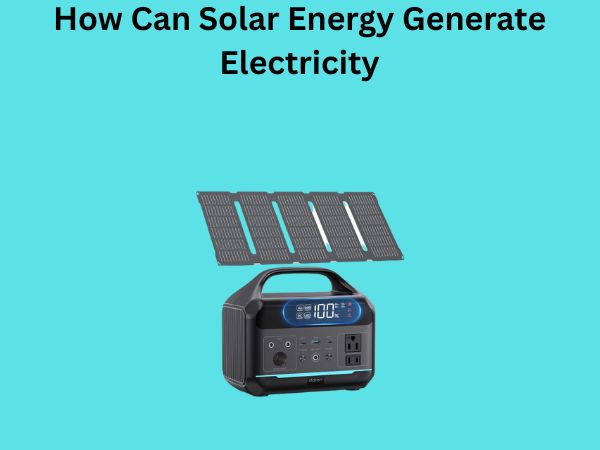
The journey starts here. Solar panels are installed, usually on your roof, where they get the most direct sunlight. When sunlight hits these panels, the photovoltaic effect kicks in, generating direct current electricity.
The Charge Controller: The Safety Guardian
If you have a battery storage system, a charge controller comes next in line. This device regulates the power flowing from the panels to the battery, preventing overcharging and protecting your battery system. It’s like a bouncer at a club, ensuring that only the right amount of current enters the batteries.
Battery Storage: Saving Power for Later
Not all solar systems have batteries, but many do. Batteries allow you to store the electricity generated during the day so you can use it at night or on cloudy days. This stored energy is still in DC form, waiting to be used.
The Inverter: The Translator
Whether the electricity is coming fresh from the panels or from battery storage, it goes through an inverter before reaching your home’s circuits. The inverter transforms it into AC electricity that your appliances can use.
Your Home’s Electrical System: Where the Power is Consumed
Finally, the AC electricity flows through your home’s electrical panel and into your devices and appliances. This is where you actually see the benefits of solar energy—in the form of powered lights, running computers, and charged devices.
Grid-Connected Solar Systems: Sharing Power With Your Community
Many homeowners don’t have batteries and are instead connected to the electrical grid. This setup works slightly differently, and it’s worth understanding because it’s increasingly common.
How Net Metering Works
When your solar panels produce more electricity than you’re using, that excess power flows back to the grid. In return, your utility company credits your account—this is called net metering. When your panels aren’t producing enough (like at night), you draw power from the grid. Essentially, the grid acts as your “battery,” storing power that you can access when you need it.
This system is brilliant because it allows you to maximize your solar investment without needing to invest in expensive battery storage. You get the benefits of solar power while maintaining the reliability of grid connection.
The Bidirectional Flow of Power
In a grid-connected system, power doesn’t just flow one direction anymore. During the day, your panels feed power to the grid. At night, you pull power from the grid. Your smart meter tracks this dance perfectly, ensuring you’re credited for the power you provide and charged fairly for the power you use.
Factors That Affect Solar Energy Generation
Not all solar panels generate the same amount of electricity all the time. Several factors influence how much power your panels can produce.
Sunlight Intensity and Weather Conditions
Obviously, more sunlight means more electricity generation. But here’s something that surprises many people: solar panels still generate electricity on cloudy days, just not as much. The photons are still reaching the panels; there are just fewer of them penetrating the cloud cover. Rain, interestingly, can actually help by cleaning dust and pollen off your panels.
Panel Angle and Direction
The angle at which your panels face the sun matters tremendously. Panels installed at the optimal angle for your latitude will generate significantly more electricity than those at poor angles. Most residential installations are tilted at an angle that maximizes sun exposure throughout the year.
Temperature Effects
You might think that hotter is always better for solar panels, but that’s not quite right. Interestingly, solar panels are actually less efficient in extremely hot weather. They work best when they’re warm enough to function properly but not so hot that efficiency drops. A panel in 77-degree weather will typically outperform one in 95-degree weather.
Shading and Obstructions
Even partial shading can significantly reduce a panel’s output. A shadow from a tree branch or neighboring building can decrease the entire system’s efficiency. This is why proper installation that avoids shading is so critical for maximizing your solar investment.
The Efficiency Question: How Much of the Sun’s Energy Actually Becomes Electricity?
This is a fair question. If the sun is so powerful, why aren’t solar panels 100% efficient at converting that power to electricity? The answer lies in the laws of physics and the properties of materials.
Current Efficiency Rates
Most residential solar panels today operate at around 15-22% efficiency. This means that about 15-22% of the sunlight that hits the panel is converted to usable electricity. The rest is reflected away or converted to heat. While this might sound low, remember that even at 18% efficiency, a solar panel produces a remarkable amount of usable electricity from a natural, free resource.
Think about it this way: if you invested in an investment account that returned 18% annually, you’d be thrilled. Solar panels essentially give you an 18% conversion rate from the sun’s energy.
Research and Improvements
Scientists and engineers are constantly working to improve solar panel efficiency. New materials like perovskites and advanced manufacturing techniques are pushing efficiency rates higher. In laboratories, researchers have achieved efficiencies exceeding 40%, though these advanced panels aren’t yet widely available for residential use.
Environmental and Economic Benefits of Solar Energy
Understanding how solar energy works is one thing, but understanding why it matters is another. Solar power offers significant benefits beyond just generating electricity.
Reducing Carbon Emissions
Every kilowatt-hour of electricity generated by solar panels is electricity that doesn’t need to come from fossil fuels. This directly reduces your carbon footprint. Over the lifetime of a solar panel (typically 25-30 years), a system can offset tons of carbon dioxide emissions.
Economic Savings and Long-Term Investment
While the upfront cost of solar installation has decreased significantly, it’s still an investment. However, the return on that investment is compelling. Most homeowners see their solar panels pay for themselves in 5-8 years through electricity bill reductions. After that, the electricity is essentially free for the remaining lifespan of the panels.
Energy Independence and Security
With solar panels, you’re not entirely dependent on utility companies or vulnerable to energy price increases. You’re generating your own clean energy right at home. This provides both financial predictability and peace of mind.
Maintenance and Longevity: Keeping Your Solar System Running Strong
One of the great things about solar panels is that they require very little maintenance. Unlike fossil fuel power plants, there’s no fuel to burn and few moving parts to wear out.
Regular Cleaning
The primary maintenance task is keeping your panels clean. Dust, pollen, bird droppings, and leaves can reduce efficiency. Most homeowners find that rain naturally cleans their panels, but in dry climates or areas with heavy dust, occasional manual cleaning can boost performance.
System Monitoring
Modern solar systems come with monitoring technology that tracks performance. This allows you to spot any issues quickly. Most problems are caught by the inverter or monitoring system before you even notice a dip in output.
Panel Lifespan
Quality solar panels typically last 25-30 years, and many are warrantied for that period. After 30 years, they don’t stop working; they just gradually become less efficient. Most panels retain about 80-85% of their original efficiency after 25 years.
Common Misconceptions About Solar Energy Generation
Let me clear up a few myths that I encounter frequently when discussing solar energy with beginners.
Myth: Solar Panels Don’t Work in Cold Weather
False. In fact, some of the best solar installations are in cold climates. Panels actually perform better in cooler temperatures. The concern isn’t cold; it’s cloud cover, which blocks sunlight regardless of temperature.
Myth: You Need Perfect Weather Every Day
Panels generate electricity on cloudy days, just at reduced levels. And if you’re grid-connected or have battery storage, cloudy periods are no problem at all.
Myth: Solar Panels Require Constant Replacement
Once installed, solar panels are incredibly durable. There are no moving parts, and they don’t need fuel. The inverter might need replacement after 10-15 years, but the panels themselves last decades.
The Future of Solar Energy Generation
Solar technology isn’t standing still. Several exciting developments are on the horizon that could make solar energy even more efficient and accessible.
Emerging Technologies
Perovskite solar cells, tandem cells that stack different materials, and flexible solar films are all in development. These technologies promise higher efficiency, lower costs, and new applications—like solar-powered windows or curved surfaces.
Energy Storage Breakthroughs
Battery technology is improving rapidly. As storage becomes more affordable, more people will be able to store solar energy and use it whenever they want, reducing reliance on the grid even further.
Integration With Smart Grids
Future power grids will be smarter, able to balance supply and demand from thousands of distributed solar systems. This will create a more resilient, efficient energy system.
Conclusion
So there you have it—the complete journey of how solar energy generates electricity. From the moment a photon from the sun strikes a silicon panel to the instant your lamp turns on, there’s an elegant dance of physics at work. Solar panels use the photovoltaic effect to knock electrons loose from atoms, creating a current. That current flows through metal contacts, travels to an inverter where it’s converted from DC to AC electricity, and finally powers your home.