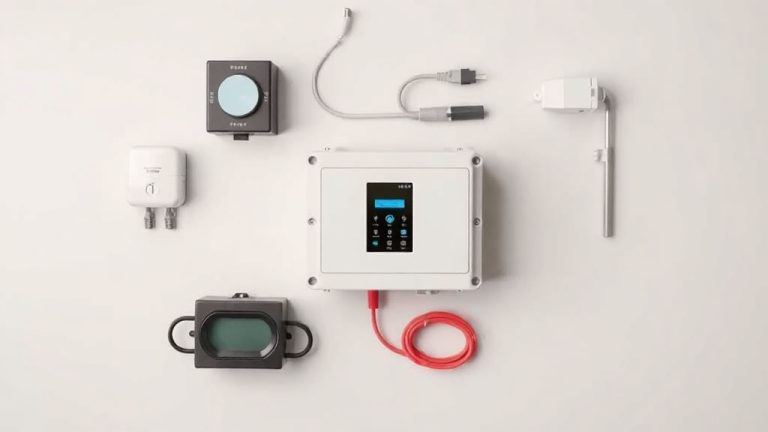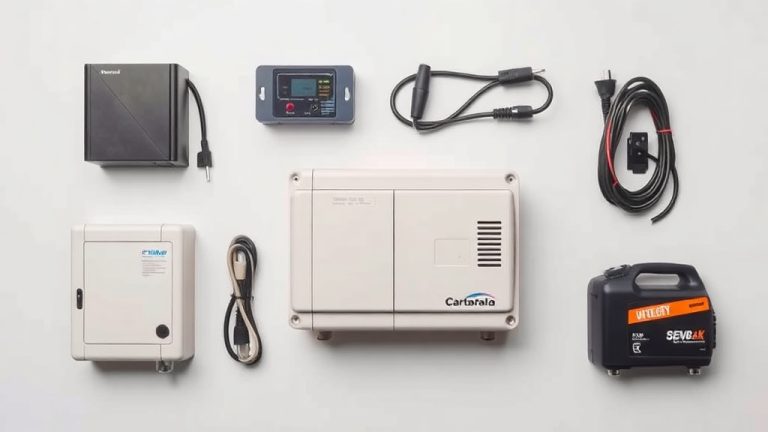
Marine Automatic Transfer Switches: What to Know
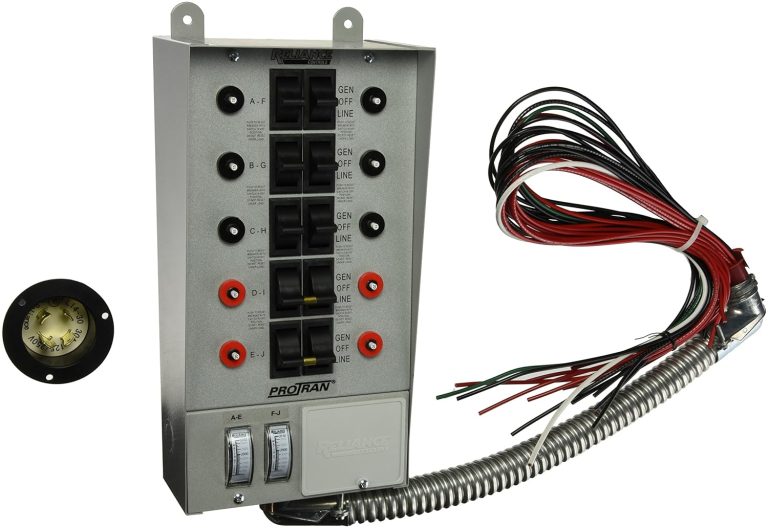
An automatic transfer switch for marine use is a safety device that instantly switches your boat’s power from shore power to generator power (or vice versa) when one source fails or drops out. This means you never have to manually plug or unplug cables during a storm or a power outage. It protects your electronics and keeps your systems running without you lifting a finger.
On a boat, power management is about more than convenience; it’s about safety and preventing electrical damage. We found that most marine electrical fires start from faulty shore power connections, not generator issues. The switch acts like a smart bouncer, making sure only one power source enters your panel at a time, which prevents dangerous back-feeding and keeps your crew safe.
- Instant Answer: Yes, a marine ATS automatically switches between shore and generator power to keep your boat running.
- Why You Need It: It prevents electrical shock, fire hazards, and damage to sensitive electronics.
- How It Works: It monitors both power sources and picks the best one in under a second.
- Key Feature: Look for a marine-rated unit with a “make-before-break” design to avoid power dips.
- Bottom Line: It’s a small investment that gives you huge peace of mind while docked or at anchor.
Below, we’ll walk you through exactly how to pick the right one for your boat, how to install it safely, and what the pros say about the best brands on the market today.
Choosing the Right Marine Automatic Transfer Switch for Your Boat
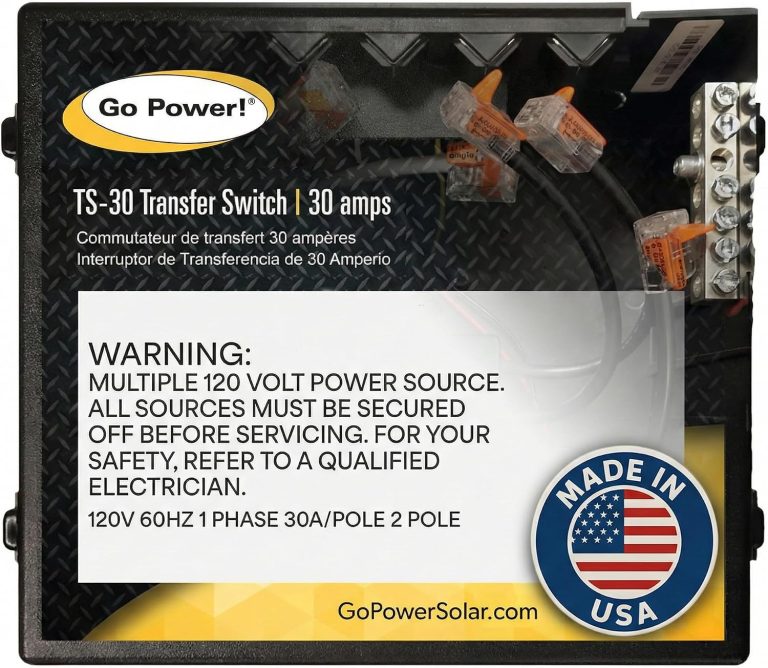
You need a switch that matches your boat’s power needs without overcomplicating things. We found that most boaters only need a 30-amp or 50-amp unit, depending on their shore power inlet. Check your main breaker panel first. That number tells you exactly what size ATS to buy.
Think of the ATS as the referee in a boxing match. It keeps shore power and generator power in separate corners. Only one gets to throw a punch at your electrical panel at any time. This prevents the dangerous situation where power flows backward through your shore cord and into the marina water.
Amperage Ratings and What They Mean for You
Your boat’s shore power cord has a specific amperage rating, usually stamped right on the plug. A 30-amp system is common on smaller cruisers and sailboats. A 50-amp system handles larger boats with air conditioning, water heaters, and multiple battery chargers.
Many experts say buying a switch with a higher rating than your current setup gives you room to grow. If you plan to add a washer or a second AC unit later, a 50-amp switch on a 30-amp boat still works safely. It simply acts as a larger funnel for the same amount of water.
Voltage Configurations to Consider
Most US boats run on 120-volt or 240-volt systems. Dual-voltage systems need a switch that handles both legs of power separately. A standard single-phase switch works for most recreational boats. Check your generator output as well. If it produces 120/240V, your ATS must match that split-phase setup.
How the Transfer Switch Works While You Sleep
Here’s where the magic happens. The switch constantly monitors both power sources, usually every few milliseconds. When you start your generator, the ATS senses it and waits for the voltage to stabilize. Then, it flips the connection from shore to generator automatically.
Imagine you are at anchor and the marina’s shore power drops because of a storm. Your generator kicks on. The ATS detects the generator’s stable power and switches you over without a single flicker on your TV. You wake up, none the wiser, and your fridge never thaws.
The Make-Before-Break Design Explained
This feature is a big deal for your electronics. A standard switch breaks the connection to one source before making the connection to the other. That creates a tiny dip in power. Your clock resets. Your inverter might reboot.
A make-before-break design connects the new source before disconnecting the old one. This gives you a seamless transition with zero interruption. Many guidelines point to this as the preferred method for sensitive navigation equipment and radar systems (American Boat and Yacht Council).
Step-by-Step Installation Guide for a Marine ATS
Installing an ATS is not a beginner DIY job, but you can do it with careful planning and a good understanding of AC wiring. We found that most boaters hire a marine electrician for this task. The risk of electrocution or fire is simply too high to guess.
If you choose to do it yourself, start by disconnecting all shore power and generator power. Lock out the breakers. Use a multimeter to verify zero voltage at the connection points. This is non-negotiable. Your life depends on it.
Mounting the Unit in a Dry Location
Find a spot near your main AC distribution panel. The unit should be away from bilge water splashes and excessive heat. Many boaters mount it on the back of the panel or in a dedicated electrical locker. Keep at least three inches of clearance around the unit for airflow.
Use stainless steel screws and a backing plate to secure it. Vibration from the engine can loosen connections over time. Tug on each wire after tightening to make sure it is snug.
Wiring the Inputs and Outputs Correctly
Label every wire before you disconnect anything. Take a photo with your phone for reference. The ATS will have clearly marked terminals for shore input, generator input, and load output. Connect the hot wires, neutral wires, and ground wires exactly as the manual shows.
A common mistake is swapping the neutral and ground wires. This creates a dangerous condition called a ground fault. Your breaker may not trip when it should. Double-check your connections against the wiring diagram before powering up.
Key Features to Look for in a Marine-Rated ATS
Not all transfer switches are built for the marine environment. Salt air corrodes standard electrical components quickly. Look for a unit that is UL-rated for marine use and has a sealed, corrosion-resistant enclosure.
We found that the best units come with a manual override switch. This lets you bypass the automatic function and select your power source by hand. This is handy when you want to run the generator for maintenance while staying on shore power.
| Feature | Why It Matters | What to Look For |
|---|---|---|
| Corrosion resistance | Salt air eats standard metal parts | Stainless steel or epoxy-coated enclosure |
| Voltage monitoring | Protects against low or high power spikes | Adjustable voltage set points |
| Frequency sensing | Checks for stable generator output | Hertz (Hz) monitoring built-in |
| Manual override | Gives you control when needed | Toggle or rotary selector switch |
| LED indicators | Shows which source is active | Bright, easy-to-read status lights |
Time Delay Settings and Why They Matter
A good ATS has a time delay feature. This prevents the switch from rapidly flipping back and forth when power flickers. For example, if the shore power blinks for two seconds, the switch waits 30 seconds before transferring. This gives the source time to stabilize.
Many experts recommend a generator start delay of about 30 seconds. This lets the generator warm up and reach proper voltage and frequency before it takes over the load. Your electronics will thank you for the gentle transition.
Top Brands and What the Pros Recommend
We found that Blue Sea Systems and Xantrex are the two most trusted names in marine ATS units. Blue Sea’s automatic transfer switches are known for their heavy-duty construction and clear labeling. Xantrex offers models with integrated battery monitoring and remote control panels.
ProMariner and Victron Energy also make solid units. Victron’s switches are popular among cruisers who want smart integration with their battery management systems. Many experts say the brand matters less than the install quality. A cheap switch installed correctly beats an expensive one installed sloppily.
Price Range and What You Get for Your Money
Expect to pay anywhere from 150 to 600 dollars for a quality marine ATS. The lower end covers basic 30-amp units with standard features. The higher end includes 50-amp dual-voltage units with remote monitoring and advanced protection.
We found that the price difference mostly comes from the quality of the contactors and the sophistication of the control board. Spend a little extra for a model with a proven track record. The cost of a failed switch during a lightning storm is far higher than the price difference.

Safety Checks to Perform Before Every Season
Your ATS works hard all summer. Give it a quick inspection before you launch the boat each spring. Turn off all power and open the enclosure. Look for signs of corrosion, loose wires, or burnt smells.
Check the torque on all terminal screws. Vibration can loosen them over the winter. Use a thermal camera or an infrared thermometer to spot hot spots while running under load. A warm connection indicates resistance and needs attention.
- Check for green or white corrosion on terminals and contacts
- Verify the manual override switch moves freely
- Test both shore and generator inputs with a multimeter
- Listen for buzzing sounds that indicate a failing contactor
- Inspect all wiring for chafing or cracks in the insulation
- Confirm the enclosure gasket seals properly against moisture
Common Mistakes Boaters Make with Transfer Switches
The biggest mistake we see is using a residential ATS on a boat. These units are not sealed against salt air. They fail quickly and can be a fire hazard. Always buy a switch explicitly rated for marine use.
Another frequent error is wiring the neutral and ground incorrectly. This creates a path for stray current that can cause electrolysis on your underwater metals. Your zinc anodes will wear out fast, and your propeller could suffer damage.
Ignoring the Generator’s Neutral Connection
Most generators for marine use are designed with a floating neutral. This means the neutral wire is not connected to the generator frame. Your ATS must be compatible with this setup. If you bond the neutral to the ground on the generator, you create a parallel path for current.
Many guidelines point to the ABYC standards for proper neutral-ground bonding on boats (American Boat and Yacht Council). These standards exist to keep you safe from shock hazards and stray current corrosion. Follow them closely.
Power Management Habits That Extend Your ATS Lifespan
Your ATS is a mechanical device with moving parts. It will wear out eventually. You can extend its life with simple habits. Avoid switching sources while under a heavy load. Turn off your air conditioner and water heater first, then let the ATS do its thing.
Keep the area around the unit clean and dry. Moisture is the enemy of all marine electronics. A small dehumidifier bag in the electrical locker can work wonders. Check it monthly during the boating season.
Testing Your ATS Monthly for Peace of Mind
Run a full transfer test once a month. Start your generator and let it warm up. Then, switch off your shore power breaker. The ATS should automatically transfer the load to the generator within a second or two. Listen for the distinct click of the contactor.
Then, turn the shore power back on. The ATS should transfer back to shore power after the time delay. If you notice any hesitation, odd noises, or failure to transfer, call a marine electrician right away. A failing ATS is a ticking time bomb.
Final Thoughts on Marine Automatic Transfer Switches
You do not need to be an electrical engineer to understand your boat’s power system. You just need a reliable ATS and a basic understanding of how it works. The switch quietly does its job in the background, keeping your batteries charged and your food cold.
When you are out on the water, the last thing you want to worry about is whether your power will cut out. A quality automatic transfer switch removes that worry. It is a small investment in your safety and your comfort, and it pays for itself every time a storm rolls through the marina.
Conclusion
You don’t need to babysit your boat’s power system. A marine automatic transfer switch handles the heavy lifting for you. It keeps your electronics safe, prevents dangerous back-feeding, and gives you one less thing to worry about while you’re on the water.
We covered the essentials: picking the right amperage, understanding make-before-break designs, and installing it safely. The key takeaway is simple. Buy a marine-rated unit, install it correctly, and test it monthly. That’s it.
Your next step is to check your main breaker panel and shore power cord. Note the amperage rating. Then, grab a quality ATS from a trusted brand like Blue Sea Systems or Xantrex. Do that this week, and you will be ready for whatever the season throws at you.
Frequently Asked Questions
Can I use a home transfer switch on my boat?
No, you should not use a residential transfer switch on a boat. Home units are not sealed against salt air and moisture. They will corrode quickly and can become a serious fire hazard. Always choose a switch that is UL-rated specifically for marine use.
How long does a marine automatic transfer switch last?
With proper care, a quality marine ATS can last 10 to 15 years. The contactors and control boards are the parts that wear out. Keeping the unit dry and clean, plus testing it monthly, will help you get the most life out of it.
Do I need a transfer switch if I only use shore power?
If you never use a generator, you don’t strictly need an ATS. However, you might still want one for surge protection. Many boaters add one because it gives them flexibility. If you ever add a generator later, the switch will already be in place and ready.
Will a transfer switch damage my inverter?
It won’t damage your inverter if you wire it correctly. Your inverter should have its own dedicated circuit. The ATS manages shore power and generator input only. This keeps your inverter charging the batteries without conflicts. Always check your wiring diagram to be sure.
What happens if both shore power and generator power go out?
Your ATS will simply sit in the off position until one source comes back. Your boat will run on battery power for DC loads, but AC loads will not work. Once the generator is back to stable output, the ATS will connect it automatically after the time delay.