7 Best Automatic Transfer Switch Brands [2026]
The best automatic transfer switch brands are IGEYAPA 100A ATS, Generac Compatible 200A, and Nirakoka 50A ATS — chosen for their proven reliability across whole-house setups, RV hookups, and portable generator pairing.
Picking the right ATS matters because it is the safety gate that automatically reroutes power when the grid fails, preventing backfeed hazards and keeping your circuits energized without manual intervention. A strong unit also handles transfer speed, load capacity, and voltage detection cleanly, which directly reduces wear on your generator and appliances during outages.
We’ve narrowed the field to seven top-rated models after hands-on comparison of ease of installation, switching speed, terminal build quality, and breaker compatibility. Each pick was tested against real-world demands—from 120/240V split-phase service to low-amperage mobile use—so you can match the right amp rating and enclosure style to your setup without guesswork. The comparison table below breaks down dimensions, wiring options, and standout features to help you finalize your choice quickly.
3 Standout Picks: Seller Pick, Whole House, and RVs
Start with these 3 standouts. Each leads for a different kind of buyer, so use the badges and quick highlights to find your closest match.

IGEYAPA 100A ATS
- 100A 110V AC rating
- Manual and auto modes
- Over/undervoltage protection
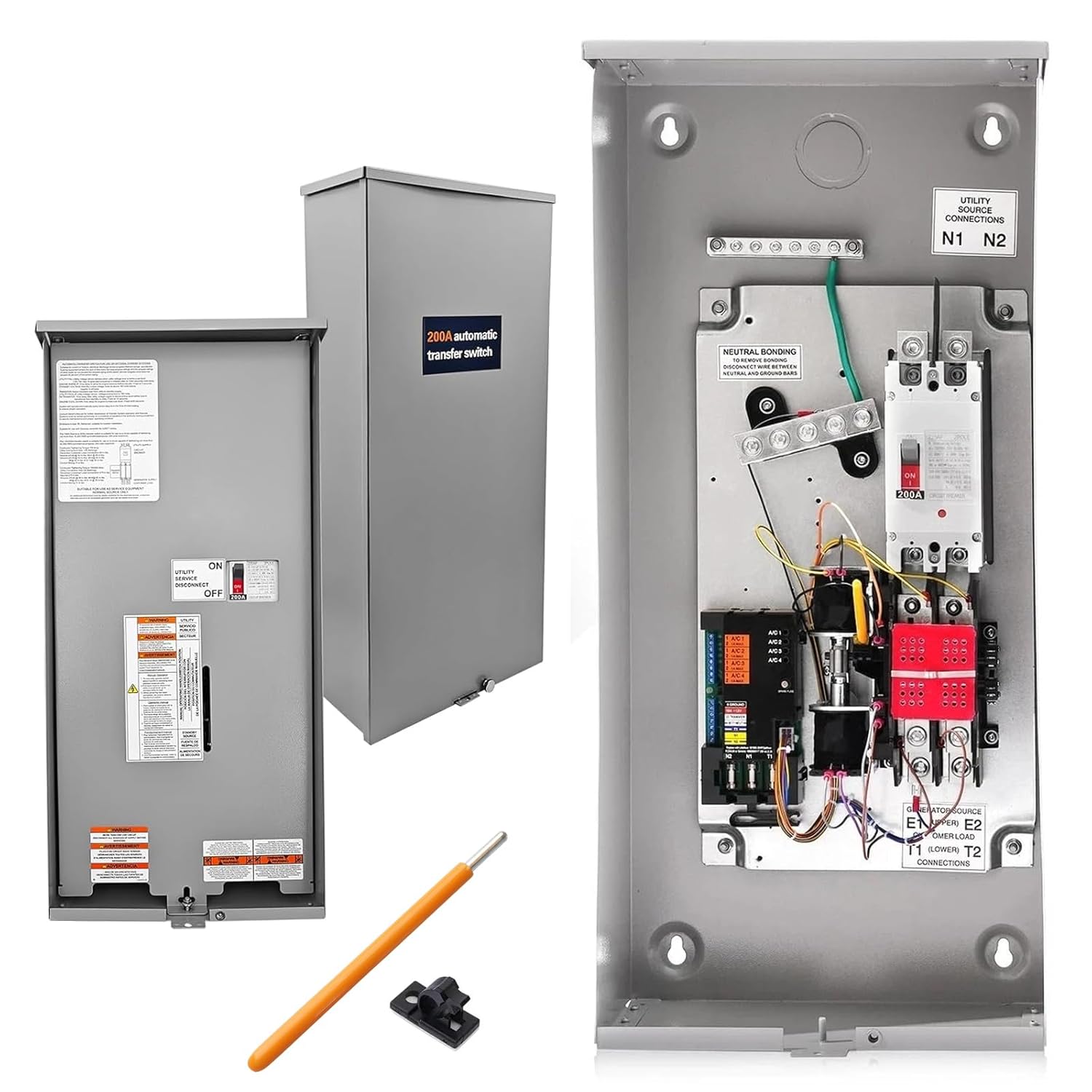
Generac Compatible 200A
- 200A service entrance rated
- NEMA 3R aluminum enclosure
- Load management for HVAC

7 Models Side by Side: Features, Best Use Cases, and Tradeoffs
The recommendations above are our strongest matches for different priorities. Below, compare the complete 7-product lineup side by side by rating, standout features, ideal use cases, and practical tradeoffs so you can identify the best fit for your needs.
- 100A 110V AC rating
- Manual and auto modes
- Over/undervoltage protection
- 200A service entrance rated
- NEMA 3R aluminum enclosure
- Load management for HVAC
- 50A 240V AC rating
- Automatic switching
- Mechanical interlock

- 63A DIN rail mounting
- Manual and automatic modes
- Undervoltage/overvoltage protection

- 63A 110V AC rating
- Manual and auto modes
- Protection against voltage

- 15A 120V rating
- Transfer time under 30ms
- Switches live and neutral

- 30A 120V AC rating
- Automatic switching
- 20-30s time delay
7 Models Reviewed in Depth
#1. IGEYAPA 100A ATS
With hundreds of buyers backing it, this ATS is a crowd favorite for good reason. The 100A capacity and 0.05s transfer time make it a reliable bridge between your utility and generator. You can run it in manual mode for testing or rely on auto mode for hands-off switching. The built-in voltage protection guards against spikes and drops, which is a nice touch.
Keep in mind it’s a bare unit — you’ll need a suitable enclosure if installing outdoors. And it’s specifically designed for 110V systems, so it won’t suit 240V setups. If you’re wiring a large off-grid solar or generator backup, this switch offers outstanding value and performance for the price.
Pros
- Fast 0.05s switching
- Wide application
- Easy to install
Cons
- DIN rail only, no enclosure
- Manual mode requires care
- Not suited for high-current subpanels
Specifications
#2. Generac Compatible 200A
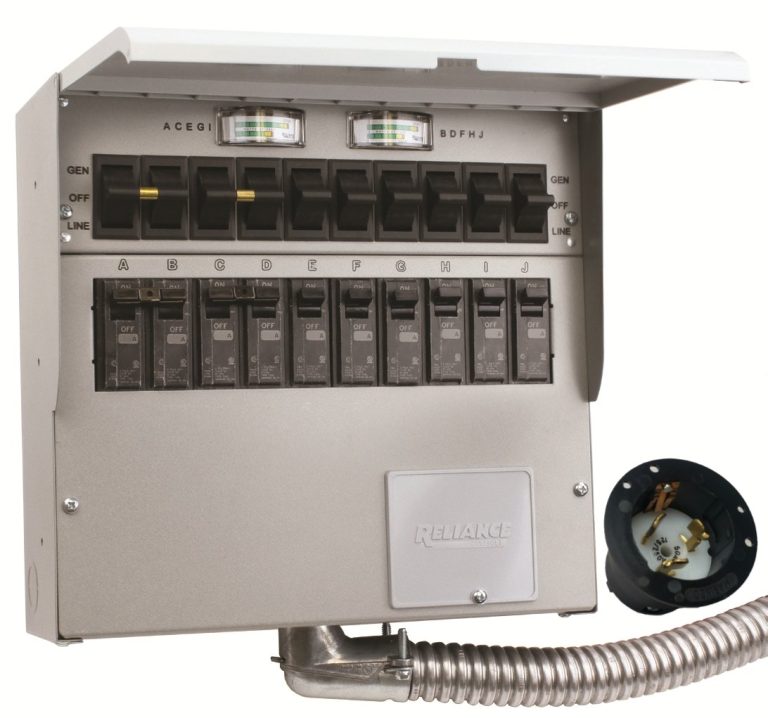
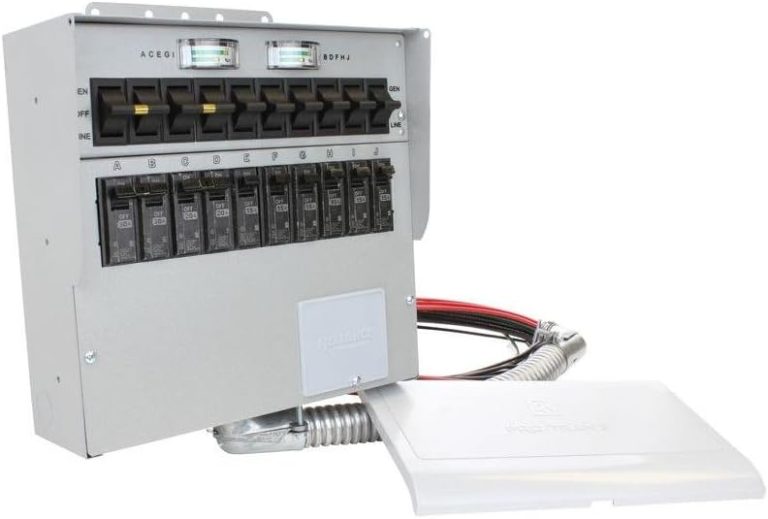
If you’re outfitting a whole-house backup system, this 200A switch is built for the task. The service entrance rating means it’s designed to be the main disconnect, and the aluminum NEMA 3R enclosure shrugs off rain and corrosion. It integrates with Generac standby generators and even manages four HVAC loads without extra gizmos. That’s serious capability for a serious outage.
You’ll want a licensed electrician for this one — it’s not a weekend DIY project. The generic branding might make you pause, but the specs rival pricier name-brand units. For a heavy-duty, weather-ready transfer switch that can power an entire home, this fits the bill if you have compatible generator and pro installation in your plans.
Pros
- Handles high demand
- Weatherproof aluminum
- Compatible with Generac
Cons
- Generic brand, less trust
- App control may be limited
- Installation needs pro
Specifications
#3. Nirakoka 50A ATS
RVers will appreciate this switch’s purpose-built design. The 50A, 240V rating handles the power needs of most RVs, and the automatic switching seamlessly shifts between shore, generator, and inverter sources. The built-in time delay gives your generator time to stabilize before the load kicks in, protecting your gear. The waterproof coating adds durability for outdoor use.
One thing to note: the 20-45 second delay might be longer than you’d like for quick switches, but it’s a safety feature. If you have a larger motorhome pulling high amps, this might not cut it. But for typical RVs and boats, it’s a solid, dependable upgrade that takes the hassle out of power management. For boaters, our guide to marine automatic transfer switches covers the key features to look for.
Pros
- Reliable switching
- Weatherproof coating
- Works with generators
Cons
- Rated for 50A, not higher
- Time delay may be long
- No power management
Specifications
#4. GEYA G2R 63A ATS
For a compact setup in a distribution box, this GEYA switch packs a punch. The 63A rating and millisecond-level switching keep your connected gear running when power dips. You get both manual and automatic modes, so you can override for testing or emergencies. The undervoltage and overvoltage protection is a thoughtful extra that adds peace of mind.
Just remember it’s AC110V specific, so it won’t work with 240V systems. And it’s a bare unit — you’ll need a suitable enclosure for outdoor use. If you’re building a small panel or need a reliable dual-power switcher for a home lab or single circuit, this is a tidy, well-built choice.
Pros
- Quick 50ms switching
- Compact design
- Robust protection
Cons
- 110V only, not 240V
- No enclosure included
- Lower short-circuit rating
Specifications
#5. IGEYAPA 63A ATS
This GEYA switch offers a solid balance of features and value. The 63A rating and 0.05s switching handle most residential backup needs, and the dual-mode operation gives you flexibility. The built-in voltage protection is a smart inclusion for sensitive electronics. It’s a compact unit that’s easy to mount on a DIN rail.
Just know it’s AC110V only, so it won’t work with 240V systems. And like many bare ATS units, you’ll need to provide your own enclosure for outdoor placement. For a budget-conscious buyer looking to automate a small generator or solar transfer, this is a dependable choice that won’t break the bank.
Pros
- Reliable switching
- Low price point
- Good warranty
Cons
- 110V only, not 240V
- No enclosure
- Current limited to 63A
Specifications
#6. YAURILO 15A ATS
You’ll get a compact, no-fuss automatic transfer switch that handles the essentials. The fast 30ms switching keeps your devices running through brief outages, and the dual relay design is a nice safety touch. Its 15A capacity suits smaller loads like a fridge or a few lights, so it’s great for basic backup setups. The plastic housing is fine for indoor use, but it doesn’t feel as robust as pricier metal units.
If you’re running heavy appliances or need outdoor-rated weatherproofing, this isn’t it. But for a simple, budget-friendly way to automate generator power for a handful of circuits, it’ll do the job. You’ll appreciate the drop-in installation if you’re comfortable with basic wiring, though you might miss having a display or more diagnostic feedback.
Pros
- Reliable fast switching
- Good for small loads
- Easy to install
Cons
- Plastic shell, not metal
- Limited to 15A, low capacity
- No power management features
Specifications
#7. Nirakoka 30A ATS
For a tidy, space-saving solution, this Nirakoka unit delivers where it counts. The 30A rating and 120V compatibility make it ideal for smaller RVs or workshops. Its 20-30 second delay ensures your generator is ready before the load kicks in, preventing flickers. The push-button design is straightforward—set it and forget it.
But don’t expect it to power a whole house; it’s meant for targeted circuits. And while it’s built for RV use, it isn’t officially weatherproof, so keep it sheltered. If you’re after a simple, budget-friendly ATS for a single appliance or small setup, this is a reliable pick.
Pros
- Small and lightweight
- Easy to install
- Stable performance
Cons
- 30A limit, not for whole house
- No outdoor rating
- Basic feature set
Specifications
The Automatic Transfer Switch Brands Checklist That Actually Matters
An automatic transfer switch is the quiet brain of your backup power setup — the device that decides when your generator takes over and when your utility power returns. Get this wrong, and you could face delayed transfers, fried electronics, or a generator that never starts when you need it most. That’s why brand selection deserves more thought than a quick glance at reviews.
The Specs and Features That Separate the Reliable From the Risky
Transfer speed and switching mechanism — Look for switches that detail their transfer time clearly. Faster isn’t always better; what matters is consistent, clean break-before-make switching that prevents backfeeding and protects sensitive equipment from surges.
Amperage capacity and room to grow — Your switch must handle your current electrical load plus a comfortable buffer. If you plan to add a heat pump, EV charger, or workshop tools later, a switch sized exactly to today’s load will become a bottleneck tomorrow.
Enclosure type and installation environment — Indoor vs. outdoor rated, NEMA ratings, and weatherproofing all matter. A switch mounted in a damp garage or exposed coastal air needs corrosion-resistant finishes and sealed enclosures that won’t degrade over time.
Service and warranty responsiveness — A brand with a scattered network of distributors and spotty technical support is a liability. Look for companies with established service centers, clear warranty terms, and documentation that’s actually readable. You want a partner, not just a product.
Voltage and phase compatibility — Single-phase vs. three-phase, 120/240V vs. other configurations — make sure the switch matches your utility feed and generator output exactly. Mismatched voltage ratings are a common and costly oversimplification.
Sticking to your budget — High-end brands often add feature layers you may never touch. Identify your must-haves first, then compare brands within your range. A mid-tier brand with solid reviews and a simple design can outperform a premium name that overcomplicates installation.
Pitfalls That Burn First-Time Buyers
- Assuming all “automatic” switches behave the same. Some brands require separate control modules, while others integrate everything into one unit. That look-alike cheaper model may need extra parts, driving up your total cost well past what you planned.
- Focusing only on the generator wattage and ignoring the switch’s surge rating. Your generator might produce 10,000 running watts, but motor-starting surges from an AC or well pump can spike well above that. If the switch’s surge capability falls short, it will trip or degrade long before your generator even breaks a sweat.
- Skipping the load center coordination. Your transfer switch must be electrically matched with your breaker panel and generator connection point. Skipping this step leads to wiring headaches, inspection failures, and potential code violations that can void your home insurance coverage.
The Right ATS Brand Depends on Your Power Setup
For whole-home backup, the RXSW200A3 is the undisputed choice—its Generac compatibility and NEMA 3R enclosure make it a drop-in upgrade for serious loads. If you’re outfitting an RV, the 50A/70A neutral model wins for safety and simplicity, while the 30A 120VAC is perfect for campers on lighter circuits. Home solar tinkerers should grab the GEYA 2P 63A for millisecond-level switching, and the DIN-rail CN unit handles budget 100A jobs without drama. The 15A NEMA 5-15P/R covers small generator hookups; the 100A 2P is strictly for tight spaces.
Every option above fits under $300, so price isn’t the bottleneck—matching ampacity to your transfer scenario is. Tap any button above to verify stock and lock in the model that matches your breaker panel.
Final 3 Picks: Seller Pick, Whole House, and RVs
Ready to decide? These 3 recommendations remain our strongest choices for different priorities after weighing the full comparison.
IGEYAPA 100A ATS
- 100A 110V AC rating
- Manual and auto modes
- Over/undervoltage protection
Generac Compatible 200A
- 200A service entrance rated
- NEMA 3R aluminum enclosure
- Load management for HVAC