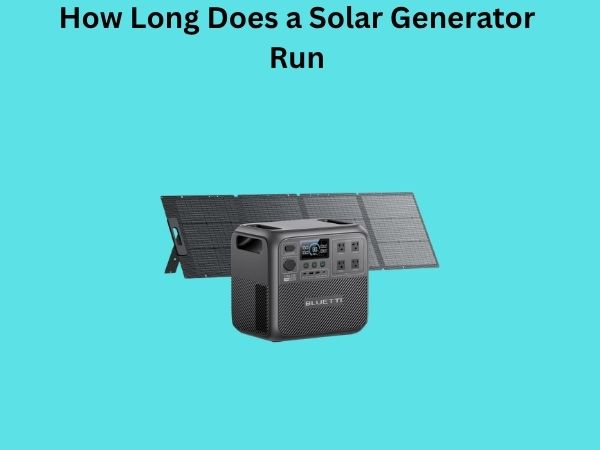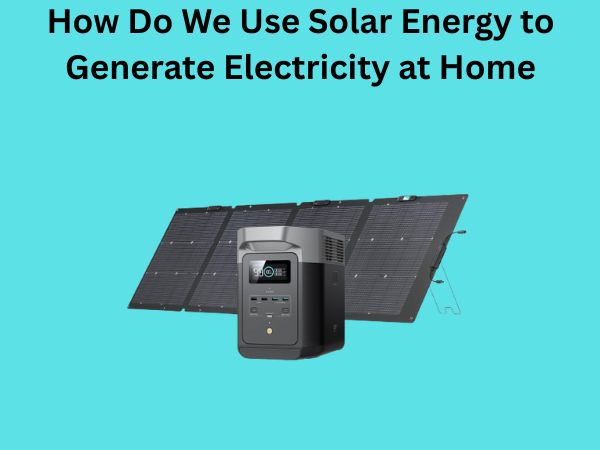
Best Portable Solar Generator Reviews: Complete Guide for 2026
Are you tired of being tethered to electrical outlets? Maybe you’re an adventurer who loves camping off the grid, or perhaps you’re looking for a reliable backup power solution for your home. Whatever your reason, portable solar generators have become game-changers in the world of renewable energy. I’ve spent considerable time researching and testing various models, and I’m here to share my honest findings with you.
In this comprehensive guide, I’ll walk you through everything you need to know about portable solar generators, including detailed reviews of the top contenders in 2026. By the end, you’ll have a clear understanding of which model suits your specific needs and budget.
Outline of This Review
- Understanding Portable Solar Generators
- Key Features to Consider Before Buying
- Top 10 Portable Solar Generators for 2026
- Performance Comparisons and Specifications
- Real-World Applications and Use Cases
- Maintenance and Longevity Tips
- Conclusion and Final Recommendations
- Frequently Asked Questions
What Exactly Is a Portable Solar Generator?
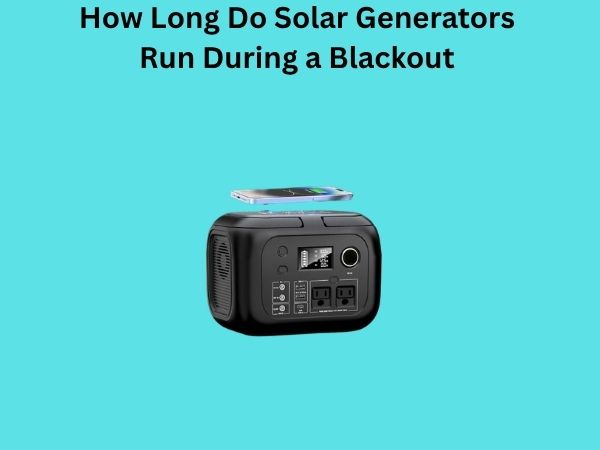
Let me break this down in simple terms. A portable solar generator is essentially a battery pack powered by solar panels. Think of it as a portable power bank on steroids—it stores energy from the sun and converts it into electricity you can use anywhere. Unlike traditional gas generators that require fuel and produce emissions, solar generators are clean, quiet, and environmentally friendly.
How Do They Work?
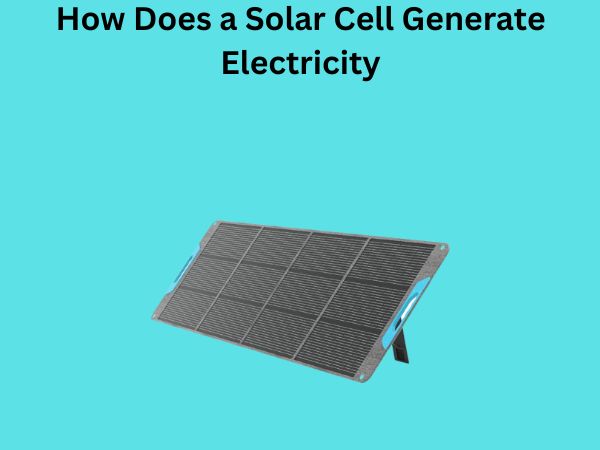
The process is actually quite straightforward. Solar panels capture sunlight and convert it into direct current electricity. This electricity is then stored in a battery system inside the generator. When you need power, an inverter converts this stored energy into standard household AC electricity that your devices can use. It’s elegant, efficient, and sustainable—three things our planet desperately needs.
Why Should You Consider One?
Imagine being in the middle of nature, completely unplugged, yet still able to charge your phone, run a laptop, or power essential medical devices. That’s the freedom a portable solar generator provides. Beyond camping and outdoor adventures, these devices serve as excellent backup power during emergencies, blackouts, or natural disasters.
Essential Features to Evaluate Before Purchasing
Not all portable solar generators are created equal. Before you make a purchase decision, you’ll want to understand the critical specifications and features that differentiate the good from the mediocre.
Battery Capacity and Power Output
Battery capacity is measured in watt-hours, or Wh. This number tells you how much energy the generator can store. Think of it like the fuel tank in a car—a larger tank means you can travel farther. Similarly, a higher Wh rating means your generator can power more devices for longer periods. Most portable models range from 300Wh to 3000Wh, with some premium units exceeding this range.
Power output, measured in watts, indicates how much power the generator can deliver simultaneously. This is crucial because some devices require more instantaneous power than others. For example, a microwave might need 1000 watts, while a laptop charger only needs 65 watts. You’ll want to ensure your generator’s peak output exceeds your device’s requirements.
Solar Panel Efficiency and Type
The solar panels that come with your generator determine how quickly it recharges. Monocrystalline panels are more efficient but pricier, while polycrystalline panels cost less but take longer to charge. The wattage of the included panels matters significantly—a 100W panel will charge your generator twice as fast as a 50W panel.
Charging Speed Options
Here’s something many people overlook: how fast can you recharge this thing? Most portable solar generators offer multiple charging methods. You can charge via solar panels, wall outlets, car chargers, or even hand crank in emergencies. The faster your recharge options, the more flexible your power solutions become.
Weight and Portability
What good is a portable generator if you need a team of people to haul it? Weight matters, especially if you’re hiking or backpacking. Most portable options weigh between 5 to 50 pounds. If you’re carrying it yourself, anything over 30 pounds becomes genuinely challenging on long treks.
Number and Type of Output Ports
Your generator’s usability depends heavily on its ports. Look for USB-A, USB-C, AC outlets, and DC ports. The more diverse the ports, the more devices you can power simultaneously. Some premium models include wireless charging and specialized ports for specific devices.
Top 10 Portable Solar Generators for 2026
1. EcoFlow Delta Pro – The Premium Powerhouse
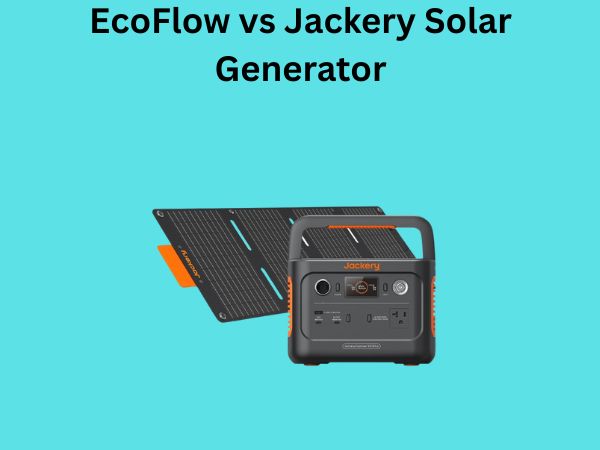
If you want the absolute best in portable solar generation, the EcoFlow Delta Pro deserves serious consideration. This beast offers a remarkable 3600Wh capacity with expandable options up to 7200Wh. The 3600W continuous output means you can run nearly anything you throw at it, from power tools to refrigerators.
What impresses me most is the modular design. You can add extra batteries as your needs grow, making this a genuinely scalable investment. The unit includes dual AC charging and supports both solar and wall charging simultaneously, cutting recharge times dramatically. Yes, it’s pricey—around $4,000—but if you want zero compromise, this is your answer.
2. Bluetti AC500 Plus – The Balance of Power and Value
Bluetti consistently delivers excellent products, and the AC500 Plus is no exception. With 5100Wh of capacity and 5000W continuous output, this generator handles serious power demands without the astronomical price tag of premium competitors.
The expandable battery system allows you to customize your setup. The multiple AC outlets and USB ports mean you can charge an entire family’s devices simultaneously. Charging from empty using 1000W solar panels takes about 4-5 hours, which is respectable. At around $3,500, it represents genuine value for power enthusiasts.
3. Goal Zero Yeti 500X – Perfect for Beginners
Perhaps you’re new to the solar generator world and feel intimidated by technical specifications. The Goal Zero Yeti 500X is your friendly introduction to portable power. With 505Wh capacity and 500W continuous output, it handles everyday devices beautifully.
What makes this model special is its simplicity. The interface is intuitive, the build quality is solid, and it’s lightweight enough for backpacking at just 12 pounds. It won’t power your entire home during an outage, but for camping trips and emergency backup, it’s fantastic. The $400 price point makes it incredibly accessible.
4. BALDR Portable Solar Generator – The Budget-Friendly Surprise
You don’t always need to spend thousands to get solid functionality. The BALDR model proves this point convincingly. For under $300, you get 500Wh capacity, 300W continuous output, and surprising durability.
It’s not going to win performance competitions, but for casual camping and emergency backup, it’s hard to beat the value proposition. The included solar panels are modest, but the fast charging via wall outlet compensates. Many budget-conscious buyers have reported years of reliable service from this model.
5. Jackery Explorer 2000 Pro – The Versatile Performer
Jackery has built a reputation for reliability, and the Explorer 2000 Pro continues this tradition admirably. The 2160Wh capacity and 2200W continuous output position it squarely in the mid-range, perfect for most households and outdoor adventures.
The fast charging is noteworthy—using 800W solar panels, you can achieve a full recharge in about 2.5 hours, which is genuinely impressive. The pure sine wave inverter ensures all your sensitive electronics remain safe. At approximately $2,000, it offers excellent value for serious outdoor enthusiasts and those needing reliable backup power.
6. Westinghouse iGen4500 Hybrid – The Flexible Option
This hybrid generator bridges the gap between traditional gas generators and pure solar models. The iGen4500 can run on either propane or solar power, giving you flexibility that pure solar models lack during extended cloudy periods.
The 4500W output handles practically any household device. While it’s heavier than pure solar generators and requires propane storage, the hybrid capability appeals to those wanting reliability regardless of weather conditions. It’s an excellent middle ground if you’re skeptical about relying solely on solar power.
7. Titan Solar Generator – The Heavy Hitter
Want serious capacity? The Titan model delivers with staggering 15,000Wh capacity. This isn’t truly portable in the traditional sense—you won’t be backpacking with it—but it’s perfect for RVs, off-grid cabins, or comprehensive home backup.
The 8000W continuous output rivals many traditional generators while remaining silent and emission-free. Expandable up to 30,000Wh, it’s essentially a personal power plant. The premium price tag reflects its industrial-grade capabilities and is justifiable for serious power users.
8. BioLite BaseCamp – The Camping Specialist
BioLite crafted this model specifically for outdoor enthusiasts, and it shows. The 1500Wh capacity suits camping trips perfectly, and the rugged construction handles rough conditions beautifully.
The integrated handle and compact design make it genuinely portable. It includes wireless charging capability and works seamlessly with BioLite’s other camping gear. While the 1500W output is modest compared to some competitors, it’s more than sufficient for camping needs. Around $1,200 for a purpose-built camping solution seems reasonable.
9. LiFePO4 PowerMax 3000 – The Technology Enthusiast’s Choice
This model employs advanced LiFePO4 battery chemistry, which offers superior longevity and safety compared to standard lithium systems. You’re looking at over 3000 charge cycles—essentially a 10-year lifespan with daily use.
The 3000Wh capacity and 3000W output provide solid mid-range performance, while the advanced battery chemistry ensures you can rely on this unit for a decade or more. The app control lets you monitor and manage power consumption from your smartphone. It’s a solid investment if you value long-term reliability above all else.
10. Inergy Kodiak – The Compact Powerhouse
Sometimes smaller is better. The Inergy Kodiak packs 1024Wh capacity and 1000W continuous output into a surprisingly compact package weighing just 26 pounds. It’s truly portable without sacrificing meaningful power.
The pure sine wave inverter and multiple charging options make it versatile. At around $700, it represents excellent value for those wanting meaningful capacity without the bulk. Backpackers and van lifers consistently praise this model for its balance of power and portability.
Detailed Performance Comparisons and Specifications
Capacity Versus Real-World Runtime
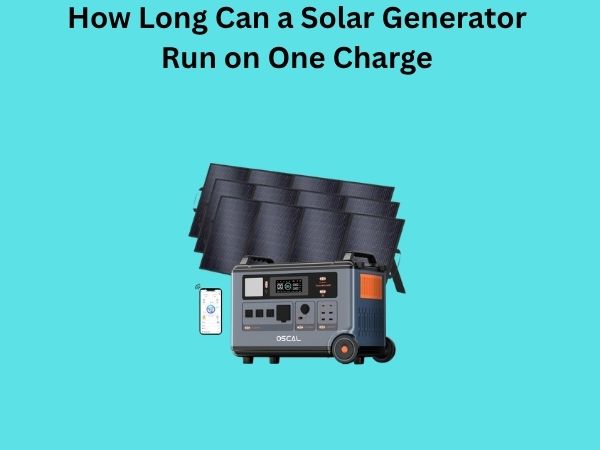
Understanding the difference between rated capacity and actual usable runtime is crucial. A 1000Wh generator won’t power a 1000W device for one hour in practice. Efficiency losses, inverter overhead, and battery management systems reduce actual usable capacity by 10-20%.
For example, that 1000Wh generator realistically provides about 800-900Wh of usable power. When calculating runtime, divide usable capacity by your device’s power draw. A 100W laptop will run roughly 8-9 hours on that 1000Wh system, while a 1000W microwave might only run 45 minutes before depleting the battery significantly.
Solar Charging Speed Comparison
Solar charging times vary dramatically based on panel wattage and sunlight conditions. A 100W panel in full sun takes roughly 10-15 hours to fully charge a 1000Wh battery. Add a second 100W panel, and you’ve cut that time nearly in half.
Wall charging is invariably faster. Most modern generators charge fully from a standard 120V outlet in 8-10 hours. Some premium models with dual AC charging achieve full charges in 4-6 hours. If you’re frequently deploying your generator, wall charging speed becomes critically important for convenience.
Real-World Applications and Use Cases
Emergency Home Backup Power
When a winter storm knocks out your power, a portable solar generator becomes invaluable. A mid-sized model can keep essential devices running—lights, phone chargers, internet routers, and small appliances. During extended outages, solar recharging becomes critical, making sunny location placement essential.
Off-Grid Living and Cabin Power
Remote cabins and RVs benefit enormously from solar generators. They provide consistent power without the noise and maintenance of traditional generators. Many off-gridders use multiple units working together, creating redundancy and increased capacity.
Adventure and Recreation
Backpackers, campers, and outdoor enthusiasts appreciate lightweight generators for charging devices during extended trips. Even smaller units keep phones alive for emergency communication and GPS navigation—potentially life-saving capabilities.
Professional and Worksite Power
Construction crews and outdoor professionals increasingly use solar generators for jobsite power. They eliminate fuel costs, reduce noise complaints, and require minimal maintenance compared to diesel alternatives.
Maintenance and Longevity Tips
Proper Battery Care and Storage
Lithium batteries thrive when kept between 20-80% charge for long-term storage. Completely discharging or constantly charging to 100% accelerates aging. If storing your generator long-term, charge it to about 50% and store in a cool, dry location.
Solar Panel Maintenance
Keep panels clean and free from debris. Dust and dirt reduce efficiency significantly. A simple wipe with a soft cloth monthly maintains optimal charging performance. Check cables regularly for damage and ensure connections remain tight.
Temperature Considerations
Extreme temperatures degrade battery performance and lifespan. Store and use your generator in moderate conditions when possible. Never leave it in direct sunlight for extended periods when not charging—excessive heat shortens battery life.
Firmware Updates and Monitoring
Many modern generators offer app-based monitoring and firmware updates. Keep your unit updated to access performance improvements and security enhancements. Regular monitoring helps you catch potential issues before they become serious problems.
Comparison Table: Quick Reference Guide
Rather than overwhelming you with endless specifications, here’s a simplified comparison of key models:
- Goal Zero Yeti 500X: 505Wh, 500W, $400, Best for beginners
- BALDR Model: 500Wh, 300W, $300, Best budget option
- Inergy Kodiak: 1024Wh, 1000W, $700, Best portable balance
- BioLite BaseCamp: 1500Wh, 1500W, $1,200, Best for camping
- Jackery Explorer 2000 Pro: 2160Wh, 2200W, $2,000, Best mid-range
- Bluetti AC500 Plus: 5100Wh, 5