Diesel Generator vs Solar Power: Which Is Better for Home & Long-Term Savings?
When you’re standing at the crossroads of choosing a power solution for your home, the decision can feel overwhelming. Should you go with a diesel generator that roars to life when you need it, or invest in silent solar panels that harness the sun’s energy? This question has become increasingly relevant as more homeowners seek independence from traditional grid power and want to reduce their energy bills.
Let me walk you through everything you need to know about both options so you can make an informed decision that aligns with your lifestyle, budget, and environmental values.
Understanding Diesel Generators: How They Work
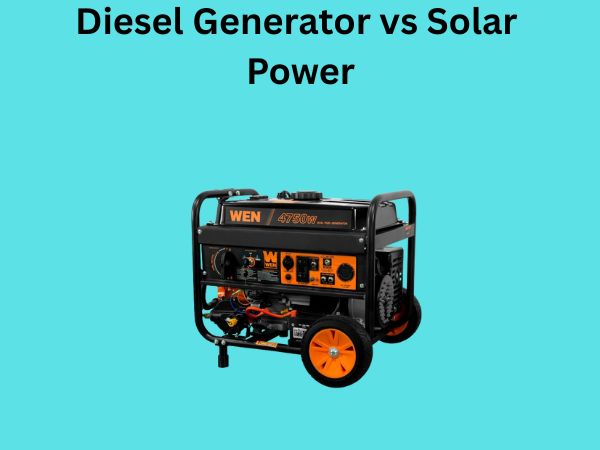
A diesel generator is essentially a backup power machine that converts diesel fuel into electricity. Think of it like a portable power plant for your home. When you need power, the engine cranks up, burns diesel fuel, and creates electrical energy that flows into your home’s electrical system.
The beauty of a diesel generator lies in its immediacy. The moment you flip a switch or the power goes out, it can start producing electricity within seconds. This makes it incredibly reliable for emergency situations and areas where power outages are frequent.
The Core Components
Diesel generators consist of several key parts working in harmony:
- The diesel engine that burns fuel
- An alternator that converts mechanical energy into electricity
- A fuel tank for storing diesel
- A control panel for managing operations
- Various safety features and regulators
Understanding these components helps you appreciate why generators require regular maintenance and why they need fuel to function continuously.
Solar Power Systems Explained
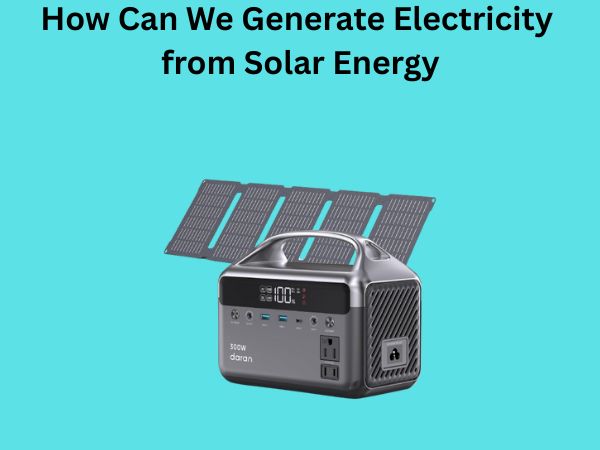
Solar power works on a completely different principle. Instead of burning fuel, solar panels capture photons from sunlight and convert them directly into electricity through the photovoltaic effect. It’s like having a tiny power plant on your roof that requires no fuel and produces zero emissions during operation.
A complete solar system includes photovoltaic panels, an inverter that converts DC electricity to AC electricity your home uses, batteries for energy storage, and a monitoring system to track performance.
How Solar Energy Reaches Your Home
The journey of solar energy to your appliances involves several steps. Sunlight hits the photovoltaic cells in your panels, creating an electrical current. This DC current flows to an inverter, which transforms it into AC electricity. From there, it powers your home immediately or gets stored in batteries for later use.
Initial Investment Comparison
This is where many homeowners get sticker shock. Let’s talk about upfront costs, because they’re significantly different between these two options.
Diesel Generator Costs
A quality residential diesel generator typically ranges from $3,000 to $15,000 depending on power capacity. Smaller units around 5-10 kW might cost $3,000 to $6,000, while larger 15-20 kW units can reach $10,000 to $15,000 or more. Installation costs are relatively modest, usually between $500 and $2,000, since these machines are fairly straightforward to set up.
Solar Power System Costs
A residential solar system with sufficient capacity to power an average home runs between $15,000 and $40,000 before incentives. A 5 kW system might cost $12,000 to $20,000, while a 10 kW system could reach $30,000 to $50,000. Adding battery storage (which is becoming increasingly popular) adds another $10,000 to $20,000 to the total investment.
Here’s the important part though: federal tax credits, state rebates, and local incentives can reduce your solar costs by 25 to 50 percent. A diesel generator rarely qualifies for these financial incentives.
Operating Costs and Fuel Expenses
This is where the true long-term economics come into play. Operating costs tell a completely different story than upfront investments.
Diesel Generator Operating Expenses
Diesel generators consume fuel at a rate that varies based on load and engine size. A typical residential generator might burn 0.5 to 2 gallons of diesel per hour during operation. With diesel prices fluctuating between $2.50 and $5.00 per gallon, running a generator for just 8 hours daily can cost $40 to $200 per day in fuel alone.
Let me put this in perspective. If you run your generator for 10 hours daily for 365 days, you could spend anywhere from $4,000 to $20,000 annually on diesel fuel. This doesn’t include maintenance, oil changes, filter replacements, and potential repairs.
Solar Power Operating Expenses
Once your solar system is installed, the fuel cost is literally zero. The sun doesn’t send you a bill. Your primary operating expenses are minimal and include occasional panel cleaning and inverter maintenance, which might total $200 to $500 annually.
The real advantage emerges over 15 to 25 years. While you’re spending thousands on diesel fuel, your solar panels are quietly generating free electricity.
Environmental Impact Analysis
The environmental argument heavily favors solar power, but let’s examine both sides honestly.
Diesel Generator Environmental Concerns
Diesel generators emit carbon dioxide, nitrogen oxides, and particulate matter. Running your generator consistently contributes to your household’s carbon footprint and air pollution. If you’re environmentally conscious, this is a significant drawback. Additionally, diesel spills during refueling pose pollution risks to your property and surrounding areas.
Solar Power Environmental Benefits
Solar panels produce zero emissions during operation. The manufacturing process does create some environmental impact through material extraction and energy use, but studies show this is offset within 1 to 3 years of operation. After that point, you’re generating clean energy for decades.
If you’re concerned about your carbon footprint and want to align your home with environmental values, solar power is the clear winner.
Maintenance Requirements and Lifespan
Diesel Generator Maintenance
Diesel generators demand regular care. They need oil changes every 100 to 150 hours of operation, fuel stabilizer additions if they’ll sit unused, filter replacements, coolant checks, and battery maintenance. If you run your generator frequently, maintenance becomes a recurring and sometimes expensive responsibility.
Most diesel generators last 10,000 to 20,000 operating hours, which translates to 10 to 20 years of occasional use or just 2 to 5 years with heavy daily operation. After that, major component failures become increasingly likely.
Solar Panel Maintenance
Solar panels are remarkably low-maintenance. You might wash them a couple times yearly to remove dust and debris, and that’s it. There are no moving parts to break down, no fluids to change, and no complex mechanisms to maintain.
Modern solar panels come with 25 to 30-year warranties and typically maintain 80 to 85 percent of their original efficiency after 25 years. Some panels have been operating flawlessly for 40+ years. That’s decades of virtually maintenance-free power generation.
Reliability and Performance
When Diesel Generators Shine
Diesel generators excel in emergency situations and areas with frequent power outages. They provide immediate, on-demand power regardless of weather conditions. If the grid goes down, your generator can restore power within seconds. This makes them invaluable in regions prone to storms, hurricanes, or unreliable grid infrastructure.
Another advantage is that generators work at full capacity whether you’re drawing a little power or a lot. They’re not affected by cloud cover, rain, or nighttime darkness.
When Solar Power Falls Short (And When It Doesn’t)
Solar power generation depends on sunlight availability. Cloudy days reduce output, and nighttime means zero generation. However, with battery storage, you can overcome nighttime limitations. Battery systems store excess daytime energy for use after sunset.
That said, in regions with consistent sunshine and proper battery sizing, solar systems can provide extremely reliable 24/7 power. The key is having adequate battery capacity for your daily needs.
Noise Levels and Quality of Life
This factor deserves more attention than many people give it. If you value peace and quiet, this could be the deciding factor.
Diesel generators are loud. They typically produce 70 to 90 decibels of noise, similar to a busy traffic intersection or a lawnmower. Running your generator during daylight might be bearable, but imagine running it at night. Your neighbors will notice. Your family will notice. Your sleep quality might suffer.
Solar panels, by contrast, are completely silent. They sit on your roof and generate power without making a sound. No rumbling engine, no mechanical noise, just quiet energy production.
Storage and Space Considerations
Diesel Generator Space Requirements
A residential diesel generator requires a designated outdoor location, typically mounted on a concrete pad. You need space for ventilation, fuel tank access, and maintenance clearance. Most units occupy roughly 4 to 8 feet of ground space. Some homeowners find this undesirable, especially on smaller properties or in tight suburban neighborhoods.
Solar Panel Space Requirements
Solar panels mount on your roof, utilizing space that’s otherwise unused. A typical residential system covers 300 to 400 square feet of roof space. If you don’t have south-facing roof space available (in the Northern Hemisphere), ground-mounted systems are an alternative, though they do require additional land.
Solar batteries, if added, require interior space, typically 5 to 10 cubic feet depending on capacity. This can go in a garage, basement, or utility room.
Scalability and Future Expansion
Expanding Your Diesel Generator Setup
If you decide you need more power after installing a diesel generator, you’re basically looking at replacing it with a larger unit. You can’t easily add capacity to an existing generator. This makes it important to choose the right size initially, which can be tricky to predict.
Expanding Your Solar System
Solar systems are beautifully scalable. If you install a 5 kW system and later decide you need more capacity, you can add additional panels and batteries. Your inverter might need upgrading, but the expansion process is much more flexible than replacing an entire generator.
This scalability matters if your power needs change over time—adding an electric vehicle, expanding your home, or installing new appliances.
Climate and Geographic Factors
Where you live dramatically influences which option makes more sense for you.
Geographic Suitability for Solar
Solar power works in virtually any climate, but efficiency varies. Arizona gets about 300 sunny days yearly, while Seattle gets around 150. That said, even cloudy regions like Germany and the UK have thriving solar industries. Modern panels generate power even on overcast days, just less efficiently.
The real limitation is latitude. Locations closer to the equator enjoy more consistent year-round sunshine. Northern regions experience significant seasonal variation, with long winter days producing less solar energy.
When Diesel Makes Sense Geographically
If you live somewhere with frequent, extended power outages, or in a region with unreliable grid infrastructure, a diesel generator provides valuable insurance. Similarly, if you live in a very cloudy climate and can’t afford sufficient battery storage, a diesel backup might be practical.
Real-World Scenarios and Use Cases
Scenario One: Rural Home With Frequent Outages
If you live in a rural area where power outages happen monthly, a diesel generator makes sense as a backup. Solar would be your primary power source, with the diesel generator providing emergency backup. This hybrid approach combines the best of both worlds.
Scenario Two: Urban Home Seeking Independence
In an urban setting where the grid is generally reliable, solar power with battery storage makes more sense. You gain energy independence, lower your electricity bills long-term, and improve your home’s value without disrupting neighbors with generator noise.
Scenario Three: Off-Grid Remote Property
For truly off-grid living, solar with substantial battery storage and a small diesel generator for emergency backup is the gold standard. You get primary power from clean solar energy while maintaining a fuel-based safety net.
Hybrid Solutions: The Best of Both Worlds
Here’s something I want to emphasize: you don’t have to choose one or the other. Many homeowners benefit from combining both systems.
The Optimal Hybrid Approach
Install solar panels as your primary power source with a battery system for nighttime and cloudy day usage. Then keep a smaller diesel generator on hand for true emergencies or extended periods of low solar production (like multiple cloudy days in winter).
This setup gives you the efficiency and long-term cost savings of solar, the independence of battery storage, and the security of a diesel backup. You get clean, quiet energy most of the time with an emergency fuel-based option when truly needed.
Cost of Hybrid Systems
A hybrid setup might cost $25,000 to $60,000 installed, depending on system sizes and battery capacity. While this is higher upfront than either option alone, it provides maximum flexibility and resilience.
Making Your Final Decision
Questions to Ask Yourself
Before deciding, honestly answer these questions:
- How often do power outages occur in my area?
- What’s my budget for the initial investment?
- How much space do I have available?
- How many hours of daily sunlight does my location receive?
- How important are long-term operating cost savings?
- Do environmental concerns influence my decision?
- How comfortable am I with maintenance responsibilities?
- Is generator noise a concern given my living situation?
- Might my power needs increase in the future?
- Am I willing to invest in battery storage?
Evaluation Matrix
Create a simple scoring system. Rate each option on factors that matter most to you: initial cost, operating cost, environmental impact, maintenance, reliability, noise, space requirements, and lifespan. Give each factor a weight based on importance, then tally your scores. This objective approach helps clarify which option aligns with your priorities.
Conclusion
The choice between