Do You Need a Transfer Switch for Generator?
Yes, you need a transfer switch for your generator if you want to power your home safely and legally. Without one, you risk deadly backfeeding that can electrocute utility workers and damage your electronics. A transfer switch is the only safe way to connect a portable generator directly to your home’s electrical panel.
We found that many homeowners skip this step, thinking extension cords are enough. But when a storm knocks out power, you want a solution that is safe, convenient, and up to code. A transfer switch makes powering your essential circuits as simple as flipping a breaker, and it protects your family and your appliances from serious harm.
- You need a transfer switch if you want to power hardwired appliances or your entire home.
- It prevents backfeeding, which is dangerous and illegal in most areas.
- Extension cords are fine for a few small devices, but they won’t run a furnace or well pump.
- A manual transfer switch is affordable and easy for an electrician to install.
- An automatic transfer switch runs your whole house but costs more and requires a permanent generator.
Below, we break down exactly how transfer switches work, what they cost, and how to choose the right one for your setup. Let’s walk through it so you can keep the lights on without putting anyone at risk.
Understanding Why a Transfer Switch Is Non-Negotiable
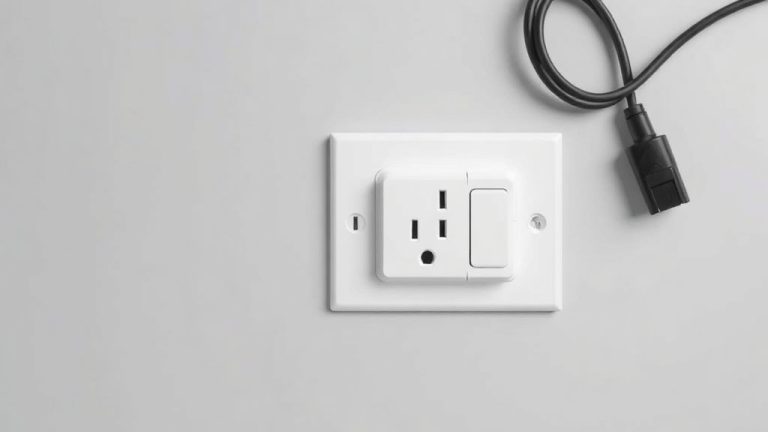
You might think plugging a generator into a wall outlet is a clever workaround. We found that this shortcut, known as backfeeding, is one of the most dangerous mistakes a homeowner can make. It sends electricity backward through your home’s wiring and out to the utility lines.
This reverse current can electrocute a lineman working to restore your power miles away. It can also cause a fire inside your walls or fry your expensive electronics. Many local codes and the National Electrical Code require a transfer switch for any generator connection to your panel (NEC guidelines).
What Backfeeding Does to Your Home and Grid
When you backfeed, your generator becomes a mini power plant pushing voltage where it shouldn’t go. The utility transformer on your street steps that voltage down for your house. But a generator feeding backward steps it up, creating a deadly surge on the line.
We found that most portable generators produce enough power to kill, even through a simple dryer outlet. The risk isn’t worth the few minutes you might save. A transfer switch physically disconnects you from the grid, so backfeeding becomes impossible.
Code Requirements You Should Know About
Building inspectors and electricians follow the National Electrical Code (NEC) to keep homes safe. The NEC Article 702 covers standby power systems and clearly states that a transfer switch is mandatory. Local jurisdictions adopt these rules, so skipping the switch is a code violation in nearly every US state.
If you sell your home later, an unpermitted generator hookup can fail the inspection and kill the sale. Many insurance companies also deny claims for damage caused by improper generator connections. One quick check with your local building department can save you a world of trouble.
How a Transfer Switch Actually Works
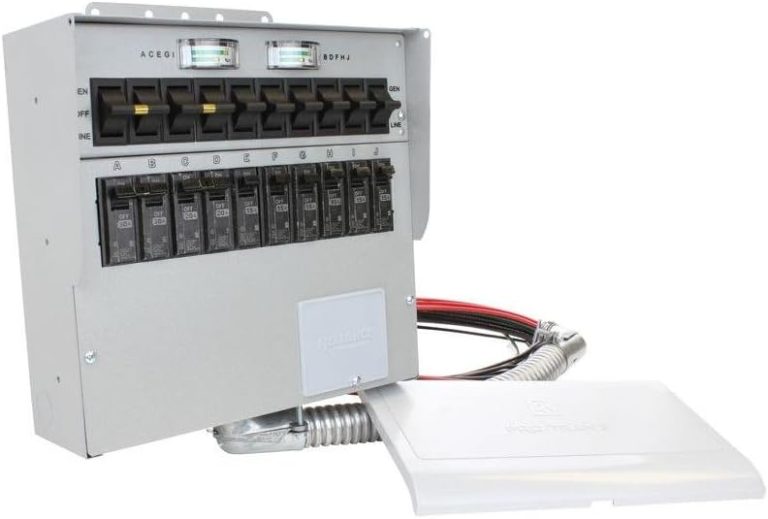
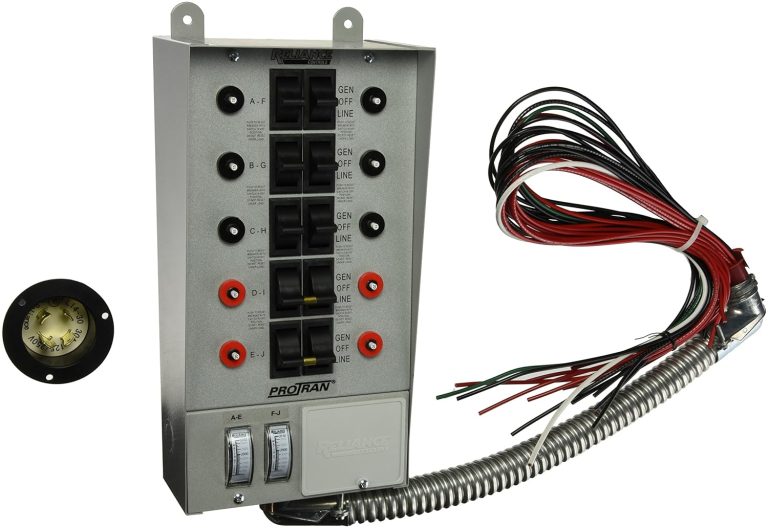
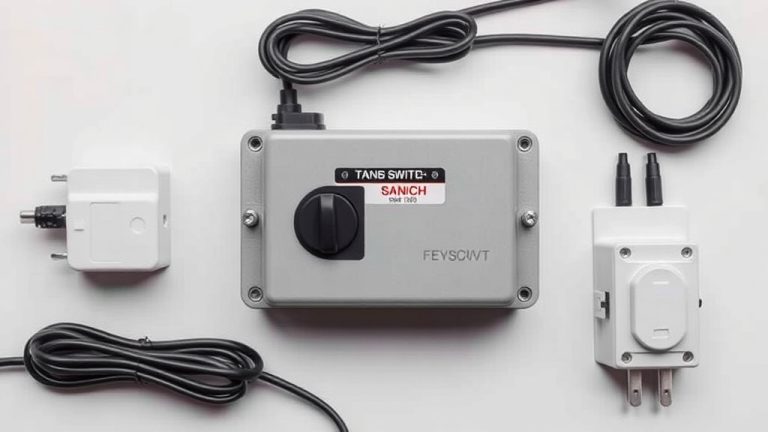
A transfer switch is a small box mounted next to your main electrical panel. Inside, it contains a manual or automatic mechanism that shifts your home’s power source. You flip it to “Generator” and your home draws power from the generator instead of the grid.
The switch creates a physical break between your home and the utility lines. That gap is what makes the system safe. Without it, there is always a path for electricity to flow the wrong way.
Manual Transfer Switches vs. Automatic Units
We found that most homeowners choose a manual transfer switch for its simplicity and lower price. With a manual switch, you walk over, flip the main breaker, and turn on the generator. It takes about 30 seconds and gives you total control.
An automatic transfer switch (ATS) does the job for you. It senses when utility power drops and starts your standby generator automatically. When power returns, it switches you back. This setup is common with whole-house generators that run on natural gas or propane.
Which Type Fits Your Daily Life?
Think about who is home during an outage. If you work long hours and want the lights on when you arrive, an ATS is worth the money. If you are retired or work from home, a manual switch is probably all you need.
Many experts say that an automatic transfer switch also protects your generator from carbon monoxide risks. It prevents the generator from running when nobody is home to monitor it. That is a real safety advantage, not just a convenience.
The Real Cost of Transfer Switches and Installation
Budget matters, so let’s talk numbers. We found that a manual transfer switch for a portable generator costs between $200 and $500 for the hardware. A licensed electrician will charge another $400 to $800 for installation, depending on your panel’s complexity.
An automatic transfer switch runs $800 to $2,000 or more. That price often includes the switch, wiring, and labor. Standby generators themselves add several thousand dollars on top of that.
| Component | Manual Switch | Automatic Switch |
|---|---|---|
| Hardware cost | $200–$500 | $800–$2,000+ |
| Installation labor | $400–$800 | Often included |
| Generator type | Portable | Standby/permanent |
| Effort to switch | Manual flip | Automatic |
That price tag looks big next to a $20 extension cord. But consider what you lose without it. A hospital bill from a house fire or a lawsuit from an injured lineman costs far more than any transfer switch.
What About a Generator Inlet Box Instead?
You may have seen a small metal box with a plug on the outside of a house. That is a generator inlet box, and it is not the same as a transfer switch. The inlet box is just a weatherproof connection point for your generator cord.
Many DIYers install an inlet box and wire it directly to a breaker. We found that this method is only safe if that breaker is interlocked with your main breaker. An interlock kit is a metal plate that prevents both breakers from being on at once. It is a cheaper alternative to a full transfer switch, but it still requires an electrician’s expertise.
When Extension Cords Are Actually Fine
You might not need a transfer switch at all if your needs are small. A transfer switch only matters when you connect a generator to your home’s wiring. If you plan to run a few lamps, a phone charger, and a small TV, heavy-duty extension cords work perfectly.
We found that this approach is safe and legal as long as you follow a few rules. Never plug a generator into a wall outlet. Always keep cords rated for the generator’s wattage. And run the generator at least 20 feet from any window or door.
When You Absolutely Need a Transfer Switch
If your home has a well pump, a sump pump, a furnace, or a septic system, you need a transfer switch. These appliances are hardwired into your panel, and you cannot plug them into an extension cord. Without power to your well pump, you have no running water. Without a furnace, your pipes can freeze in winter.
We also found that a transfer switch lets you power multiple circuits at once. Extension cords limit you to one outlet per cord. A switch lets you run lights, the refrigerator, and the internet simultaneously without tripping breakers.
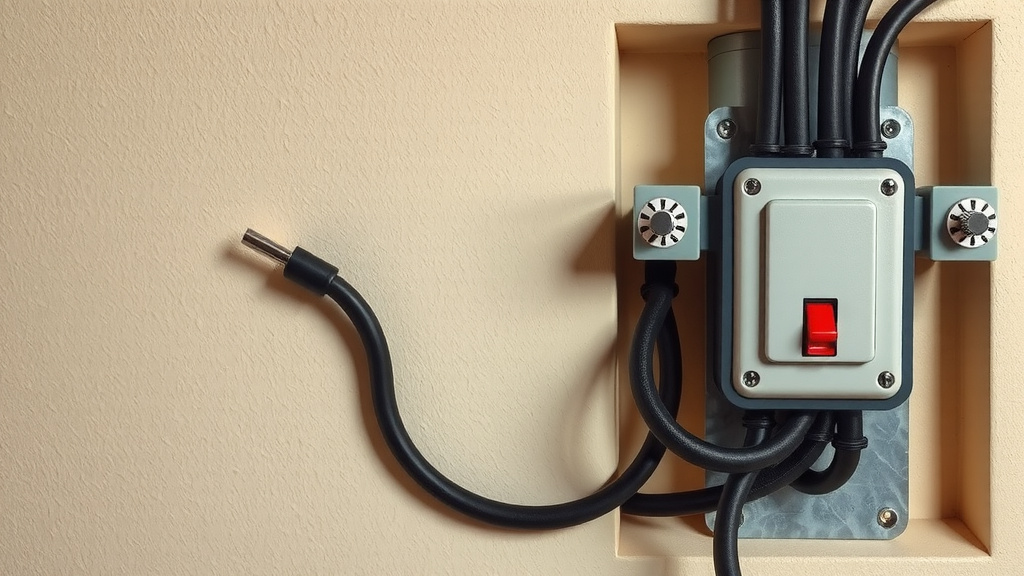
Choosing the Right Transfer Switch for Your Generator
Before you buy anything, check your generator’s wattage rating. A transfer switch must be sized to handle the load you plan to run. We found that most portable generators fall between 5,000 and 10,000 watts, so a 50-amp switch covers the majority of homes.
Count the circuits you want to power. A 6-circuit switch is great for essentials like lights and a fridge. A 10-circuit or larger switch gives you more flexibility. Many experts say to pick a switch with one or two extra slots for future needs.
Hiring a Licensed Electrician Is the Smart Move
We cannot stress this enough: do not attempt this install yourself unless you have serious electrical experience. Working inside a live panel is dangerous, and a single mistake can cause a fire or fatal shock. A licensed electrician will pull the permit and get the inspection done. For guidance on where to place the switch, see our guide to installing a transfer switch indoors.
Most pros charge a flat fee for transfer switch installation. We found that the labor is worth every penny because the job is done right the first time. You also get peace of mind knowing your setup meets local codes and insurance requirements.
Step-by-Step Plan for a Safe Generator Setup
Follow this simple checklist to protect your home and family during the next outage. We recommend printing it and keeping it with your generator.
- Pick the right switch sized to your generator’s wattage and your essential circuits.
- Hire a licensed electrician to install the switch and obtain any needed permits.
- Use a heavy-duty extension cord rated for outdoor use if you run small devices.
- Keep the generator outside at least 20 feet from your home, away from doors and vents.
- Test your setup once a month by running the generator for 10 minutes under load.
- Store fuel safely in approved containers, and never refuel a hot generator.
Once your transfer switch is installed, using your generator becomes a two-minute job. You flip the main breaker, connect the generator, and power up your essential circuits. No more tripping over cords or choosing which room gets electricity tonight.
Common Misconceptions About Transfer Switches
Some homeowners tell us they already have a generator and just want to “keep it simple.” We found that adding a transfer switch later is straightforward. An electrician can install one in about four hours, so you do not need to buy a new generator.
Another myth is that a transfer switch is only for whole-house generators. That is completely false. We found that portable generators pair beautifully with manual transfer switches. The switch simply gives you a safe, code-compliant way to connect your existing gear.
What Happens If You Skip the Switch
We have seen too many news stories about generator-related deaths from carbon monoxide poisoning. Backfeeding adds a second layer of risk that is completely avoidable. A transfer switch does not just protect your appliances; it protects the people who restore your power.
Think about it this way: a transfer switch is like a seatbelt. You might drive for years without a crash, but when you need it, it saves your life. The cost is small compared to the potential consequences. And when the next big storm hits, you will be glad you made the smart choice.
Conclusion
You need a transfer switch if you want to power your home safely, legally, and without tripping over extension cords. We covered why backfeeding is dangerous, how manual and automatic switches work, and what they cost to install. The bottom line is simple: a transfer switch protects your family, your appliances, and the utility workers who restore your power.
If you already own a portable generator, adding a manual transfer switch is the smartest upgrade you can make. It turns a chaotic outage into a simple two-minute routine. Contact a licensed electrician this week to get a quote and schedule your installation. You will sleep better knowing your home is ready for the next storm.
Frequently Asked Questions
Can I install a transfer switch myself to save money?
We strongly advise against DIY installation unless you have professional electrical experience. Working inside a live panel carries a serious risk of shock or fire. An electrician will also make sure your setup passes inspection and meets local codes.
Will a transfer switch work with my existing portable generator?
Yes, in most cases your current portable generator can pair with a manual transfer switch. You just need to match the switch amperage to your generator’s output. Most 5,000 to 10,000 watt generators work perfectly with a 50-amp switch.
What size transfer switch do I need for my house?
Start by counting the essential circuits you want to power, like your fridge, furnace, and lights. A 6-circuit switch covers most basic needs. If you want to run a well pump or larger appliances, choose a 10-circuit or 50-amp model instead.
Does a transfer switch increase my home insurance rates?
No, installing a transfer switch typically does not raise your premiums. In fact, it may help you avoid denied claims if your generator causes damage. Some insurers even offer a small discount for code-compliant safety features, so it is worth asking your agent.
Can I use a generator with a transfer switch during a power outage?
Absolutely, that is exactly what the system is designed for. When the power goes out, you flip the transfer switch to generator power, start your generator, and restore electricity to your selected circuits. When utility power returns, you flip it back and shut down the generator.