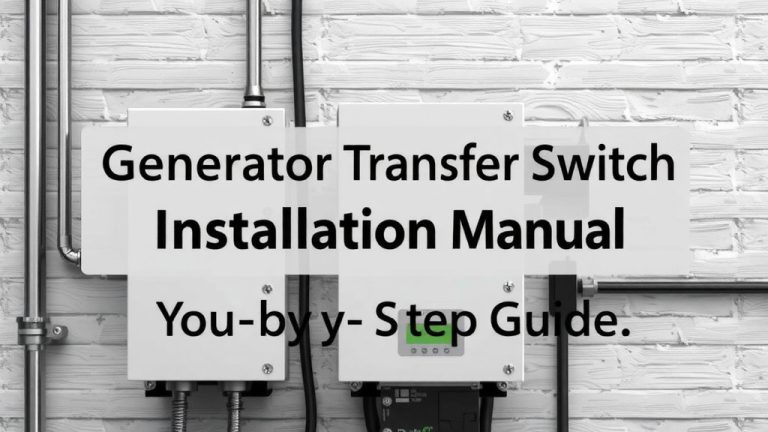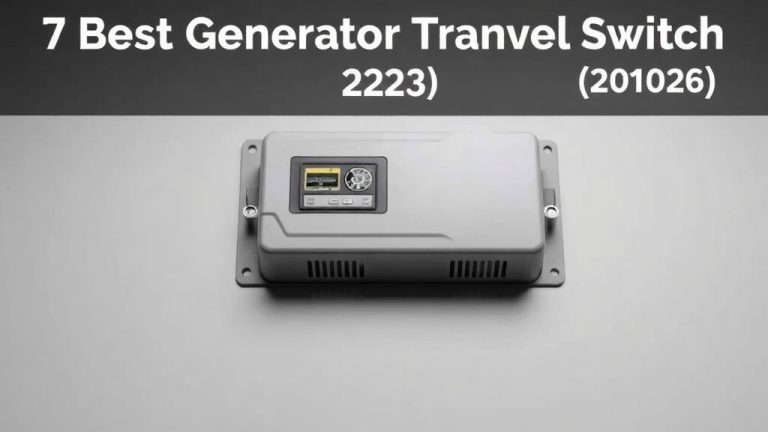
Generator Transfer Switch Safety: Install and Use Tips
Generator transfer switch safety starts with one simple rule: never connect a generator directly to your home’s wiring without a transfer switch. Doing so can send power back into the utility grid, which creates a deadly shock hazard for line workers and can fry your electronics. You also risk starting an electrical fire. That’s the short, honest answer, and it’s the most important thing to know before you ever plug anything in.
When the power goes out, a portable generator seems like a lifesaver. But how you hook it up matters just as much as the generator itself. We found that a proper transfer switch isolates your home from the grid and gives you a safe, code-compliant connection. Without one, you’re gambling with your family’s safety and your appliances. The switch also makes starting and stopping your generator a simple, foolproof process.
TL;DR — Your quick safety checklist:
- Always use a transfer switch — never backfeed your house with a double-ended cord.
- Hire a licensed electrician to install the switch if you aren’t 100% sure what you’re doing.
- Turn off the main breaker before starting your generator if you don’t have a switch yet.
- Keep the generator outdoors and at least 20 feet from doors and windows to avoid carbon monoxide poisoning.
- Use a heavy-duty, outdoor-rated extension cord that matches your generator’s wattage.
Below, we break down exactly how transfer switches work, the different types you can choose from, and the step-by-step process to stay safe every time the lights flicker. Let’s walk through it together.
Why a Transfer Switch Is Non-Negotiable for Generator Safety
You might think a heavy-duty extension cord running from your generator to a few appliances is enough. We found that this setup misses the biggest risk entirely. The danger isn’t just about your comfort; it’s about the lives of utility workers and the integrity of your home’s electrical system.
When you plug a generator into a wall outlet without a switch, you create a backfeed path. That means your generator sends electricity up the line, transforming the neighborhood grid into a live wire. The National Fire Protection Association and the CDC both stress that this practice is illegal and deadly. It’s not a gamble worth taking.
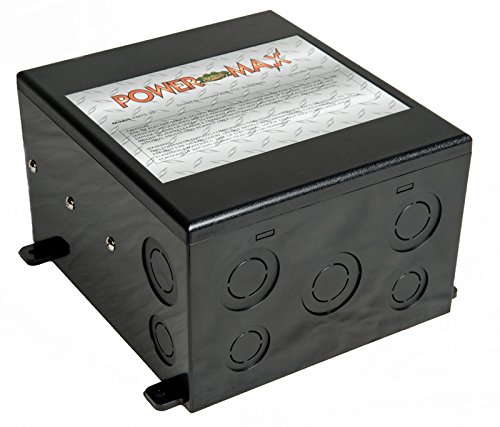
A transfer switch acts like a secure gate. It physically separates your home’s circuits from the utility power source. When you flip it, you choose where the power comes from—either the grid or your generator. There’s no overlap, no chance of backfeed, and no risk of shocking a line worker miles away.
Think of it this way: would you let two different drivers control the same car at the same time? Of course not. The transfer switch makes sure only one “driver” (power source) is in control of your home’s wiring at any moment. That clarity keeps everyone safe.
Beyond the safety factor, a transfer switch simplifies your life during an outage. You won’t be running extension cords through windows or doorways. You won’t be tripping over cables. You just start the generator, flip the switch, and your selected circuits come alive.
The Real Cost of Backfeeding Your Home
Backfeeding isn’t just risky; it can be expensive. Many experts say that plugging a generator into a wall socket can overload your circuits. This can melt wiring inside your walls, damage your generator, and destroy sensitive electronics like your TV, computer, or refrigerator control board.
Your homeowner’s insurance might even deny a claim if they find out an improper generator hookup caused a fire. We found that this small mistake can turn a minor inconvenience into a financial disaster. A transfer switch is a modest investment compared to the potential repair bills.
Choosing the Right Transfer Switch for Your Home
Not all transfer switches are the same. You have options, and the best one depends on your budget, your generator size, and how many circuits you want to power. Let’s break down the two main types so you can make a smart choice.
Before you buy anything, you should check your local electrical codes. Many jurisdictions require a specific type of switch or a permit for installation. A quick call to your local building department can save you a headache later.
Manual Transfer Switches: Simple and Reliable
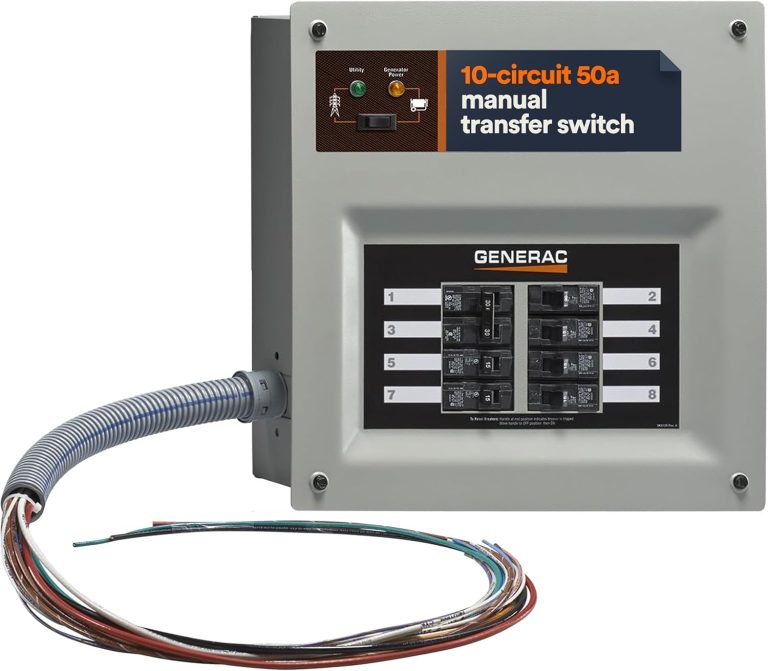
Manual transfer switches are the most common choice for portable generators. You physically flip a lever or switch to transfer your home’s power source. It’s a straightforward mechanical action that anyone can understand.
You’ll find two styles here: a single switch for the whole house or a panel with individual breakers. The panel style lets you pick which circuits get power. You might choose to run the fridge, the furnace, and a few lights, but not the water heater.
Many experts recommend manual switches for their simplicity and lower cost. They don’t rely on any automatic sensors or moving parts that could fail. You are in control, and that’s a good thing when you’re dealing with electricity.
Automatic Transfer Switches: Set It and Forget It
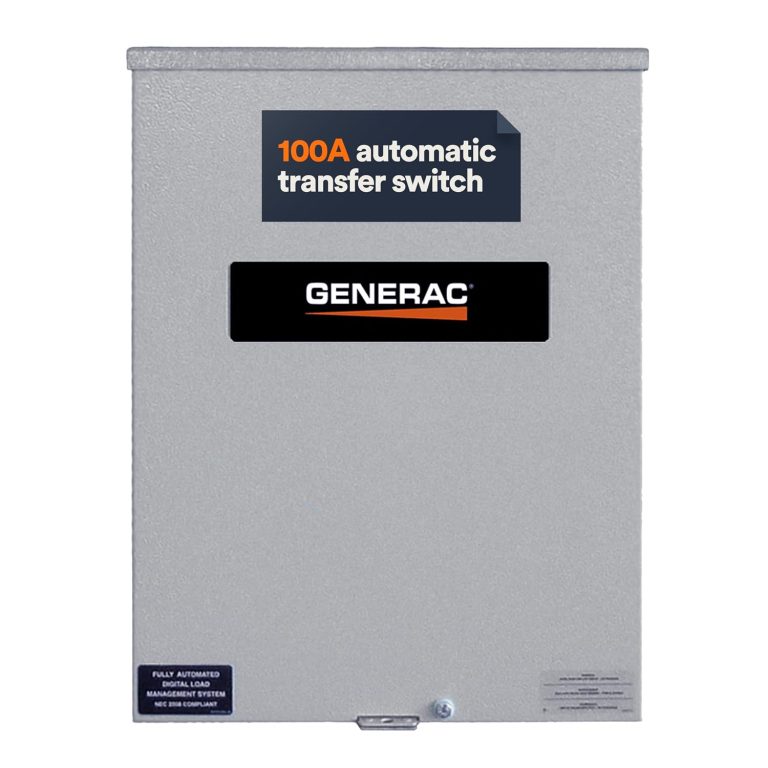
Automatic transfer switches (ATS) do the work for you. When the grid power drops, the ATS senses the loss and signals your generator to start. It then switches your home to generator power without you lifting a finger.
These are usually paired with standby generators that run on natural gas or propane. They are more expensive and require professional installation. But for someone who wants a seamless experience, an ATS is a fantastic upgrade. You come home to a warm, lit house even after a storm.
We found that automatic switches also add value to your property. Homebuyers see them as a premium feature. If you live in an area with frequent outages, this might be worth the extra money.
Understanding the Sub-Panel vs. Whole-House Setup
Within manual switches, you have another decision. A sub-panel setup powers only specific circuits you choose. A whole-house switch powers everything, but you need a generator large enough to handle the full load. Your electrician can help you calculate your wattage needs, but the rule of thumb is simple: bigger generator, bigger switch, bigger budget.
Step-by-Step Generator Transfer Switch Safety Process
Once your switch is installed, using it correctly is easy. But there’s a specific order to follow. Getting this wrong can trip breakers or, worse, cause arcing. Let’s walk through the routine so you’re ready before the storm hits.
We found that practicing this sequence once a month makes it muscle memory. You don’t want to be fumbling in the dark during an emergency. Run through it with your family so everyone knows what to do.
Before You Start the Generator
First, check your generator’s fuel and oil levels. Do this outdoors, away from any ignition sources. Then, position the generator on a dry, flat surface. Make sure it’s at least 20 feet from your house, doors, and windows. Carbon monoxide poisoning is a real threat, and the CDC reports hundreds of deaths each year from improper placement.
Next, connect the generator to the transfer switch with the proper cord. This cord should be rated for the wattage you plan to use. It should also be outdoor-rated and in good condition. Never use a frayed or damaged cord.
The Start-Up Sequence You Need to Know
Start your generator and let it run for a few minutes to warm up. This stabilizes the engine and the power output. While it warms, keep the main breaker on your transfer switch in the “Grid” or “Line” position.
Once the generator is running smoothly, flip the main breaker in the transfer switch to the “Generator” position. Then, turn on the individual circuits you want to power. Turn them on one at a time to avoid a sudden surge that could overload your generator.
We found that starting with the largest load, like your refrigerator, then working down to lights is the most efficient method. It prevents the generator from stalling under a heavy initial load.
Shutting Down Safely When Power Returns
When the grid power comes back, you need to reverse the process. Turn off all the individual circuits on your transfer switch. Then, flip the main switch back to the “Line” or “Grid” position. Finally, turn off your generator.
Wait a few minutes before you turn on your home’s breakers. This allows the grid power to stabilize. Then, switch your circuits back on one by one. This prevents a power surge from damaging your appliances.
Let the generator cool down before you refuel it. Gasoline on a hot engine is a fire hazard. Store the generator in a dry place, and you’ll be ready for the next outage.
Mistakes That Put Your Family at Risk
Even with the best intentions, people make errors. We found that a few common mistakes repeat themselves over and over. Avoiding these can mean the difference between a minor inconvenience and a trip to the emergency room.
One of the biggest mistakes we see is using an indoor-rated extension cord. These cords aren’t designed to handle the weather or the load. They can overheat and melt. Always check the cord’s rating before you plug anything in.
The Double-Ended Male Cord Nightmare
Some people think they can outsmart the system with a “suicide cord”—a cord with male plugs on both ends. This is incredibly dangerous. It exposes live prongs that you have to touch to connect. Many experts say this is one of the most reckless things you can do with a generator. It can kill you instantly.
Overloading Your Generator or Switch
Just because you have a transfer switch doesn’t mean you can run everything at once. Your generator has a maximum wattage. Your transfer switch also has a rated capacity. Add up the wattage of everything you plan to run. If it exceeds your generator’s output, you’ll trip breakers and potentially damage the generator.
Ignoring the Carbon Monoxide Risk
Generators produce carbon monoxide, a colorless, odorless gas that can be fatal. We cannot stress this enough: never run a generator in your garage, basement, or even near an open window. Even with the door open, fumes can seep inside. The CDC recommends keeping generators at least 20 feet away from your home. That’s a distance worth measuring.
DIY Installation: When to Call a Professional
You might be handy around the house, and that’s great. But wiring a transfer switch involves working with live electrical panels. One wrong move and you could get a lethal shock. We found that hiring a licensed electrician is the safest route for most homeowners.
An electrician will ensure your switch is properly grounded. They will also verify that your generator’s power is compatible with your home’s wiring. This is not a job for guesswork. The cost of installation is a small price for peace of mind.
Permits and Inspections
In many areas, installing a transfer switch requires a permit. Your electrician will pull the permit and schedule an inspection. This ensures your installation meets local codes. Skipping this step could void your home insurance. It’s a simple step that protects you in the long run.
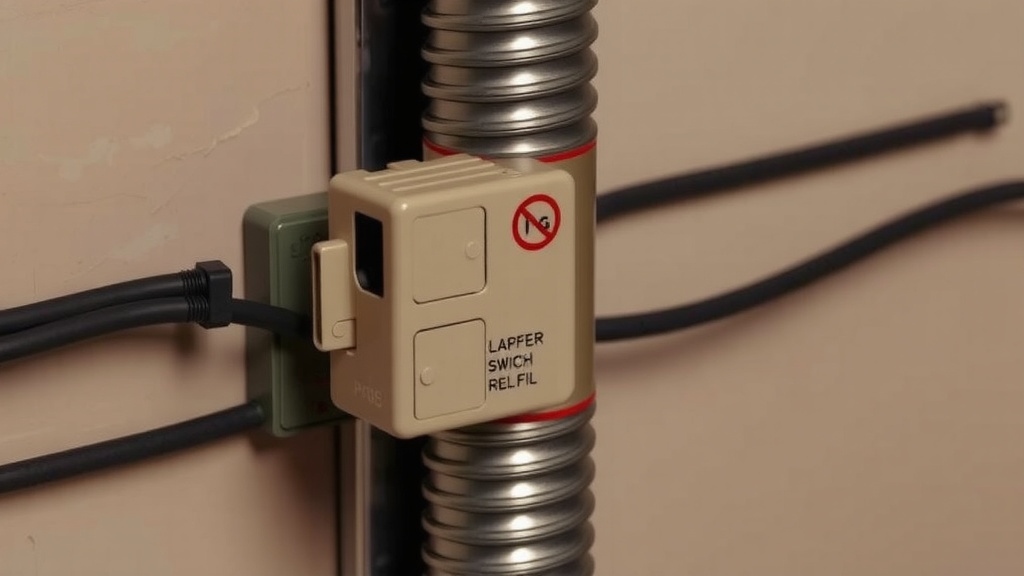
Quick Monthly Safety Checklist
We found that a quick visual inspection each month keeps everything in top shape. Set a reminder on your phone. It takes less than five minutes and can catch small problems before they become big ones.
- Check the transfer switch: Look for any signs of overheating, like discolored plastic or a burnt smell.
- Inspect all cords: Look for cuts, fraying, or exposed wires. Replace damaged cords immediately.
- Test the generator: Start it up and run it for 10-15 minutes to keep the engine lubricated.
- Verify the fuel: Top off the tank and add a fuel stabilizer to prevent gumming.
- Test the GFCI outlets: Press the test button on your generator’s outlets to make sure they trip.
- Check for pests: Look for nests or chewed wires in the generator housing.
Comparing Switch Types at a Glance
If you are still deciding between options, this comparison might help. We found that laying out the pros and cons makes the decision easier. Here is a quick breakdown of the main types.
| Feature | Manual Switch | Automatic Switch |
|---|---|---|
| Cost | Lower upfront cost | Higher cost plus installation |
| Operation | You flip a lever | It works on its own |
| Best For | Portable generators | Standby generators |
| Installation | Simpler, but still electrical work | Complex, requires a pro |
| Power Control | You choose the circuits | Automatic load management |
| Reliability | Mechanical, very reliable | Sensor-based, very reliable |
Your choice ultimately depends on your lifestyle and budget. A manual switch is a solid, dependable choice for most homes. An automatic switch is a premium convenience for those who want zero hassle.
The Bottom Line on Staying Safe
Generator transfer switch safety isn’t complicated. It comes down to using the right equipment the right way. You’ve got the knowledge now. The next step is making sure your home is set up properly.
We found that taking action before the storm hits is the key. Don’t wait until you’re sitting in the dark to figure out your wiring. Get your switch installed, practice your routine, and you’ll be ready for anything. Your family’s safety is worth the effort.
Conclusion
You don’t need to be an electrician to keep your family safe during an outage. You just need to respect the power you’re working with. A transfer switch is the only safe bridge between your generator and your home. We covered why backfeeding is dangerous, how to choose the right switch, and the exact steps to start and shut down safely.
Now it’s time to act. Check your current setup before the next storm hits. If you don’t have a transfer switch, call a licensed electrician this week for a quote. If you already have one, run through the monthly checklist and practice the start-up sequence with your family. Being prepared means you’ll stay calm, safe, and comfortable when the lights go out.
Frequently Asked Questions
Can I install a transfer switch myself to save money?
You can, but only if you have solid experience working with electrical panels. Most homeowners should hire a licensed electrician. A small mistake can cause a lethal shock or start a fire. The cost of professional installation is worth the peace of mind.
How much does it cost to have a transfer switch professionally installed?
You’ll typically pay between $300 and $900 for parts and labor. The final price depends on the type of switch and your home’s wiring setup. An automatic switch for a standby generator costs more, often $500 to $1,500 installed. Get at least two quotes from licensed electricians in your area.
What size generator do I need for a whole-house transfer switch?
You’ll need a generator that can handle your home’s peak wattage. Most homes need between 7,500 and 15,000 watts for whole-house coverage. Add up the wattage of your essential appliances to find your number. An electrician can help you calculate this accurately before you buy anything.
Why does my generator need to be 20 feet away from the house?
Because carbon monoxide is invisible and odorless. The CDC found that generator exhaust can seep into your home through windows, doors, and vents. Twenty feet is the minimum safe distance. You should also point the exhaust away from your home and any neighbor’s windows.
Is it safe to run a generator in the rain if I have a transfer switch?
No. Water and electricity are a deadly combination. If you must run a generator in wet weather, use a canopy or generator tent that doesn’t touch the unit. Make sure you’re standing on a dry surface when you start it. Never touch a generator with wet hands or while standing in water.