Generator Transfer Switch Maintenance Tips for November 2026
Generator transfer switch maintenance is all about keeping your home safe during a power outage. The most important step is to test the switch monthly by turning off the main power and running your generator. This simple check confirms the switch flips power correctly and keeps you from getting hurt.
We found that most people forget about this small but vital box. It sits there silently, but it controls the flow of electricity. If it fails, your generator could send power back into the grid, which is dangerous for you and for line workers. Regular upkeep prevents this risk and makes sure your lights come on when you need them most. A little care goes a long way in extending the life of your backup power system.
- Test your transfer switch monthly to ensure it works when you need it.
- Inspect for rust, loose wires, or signs of wear at least twice a year.
- Clean dust and debris from the switch box to prevent overheating.
- Exercise the switch with the generator running to confirm proper power transfer.
- Call a licensed electrician if you notice any burnt smells or odd sounds.
Below, we break down everything you need to know about caring for your transfer switch safely. Let’s walk through the simple steps you can do today to stay prepared for the next storm.
Caring for Your Generator Transfer Switch
Taking care of your transfer switch is simple. You don’t need to be an electrician to handle the basic checks. We found that a little regular attention prevents most problems.
Think of the switch as a bouncer for your home’s power. It decides who gets in and who stays out. If it gets lazy, things can go wrong fast.
Why This Small Box Matters So Much
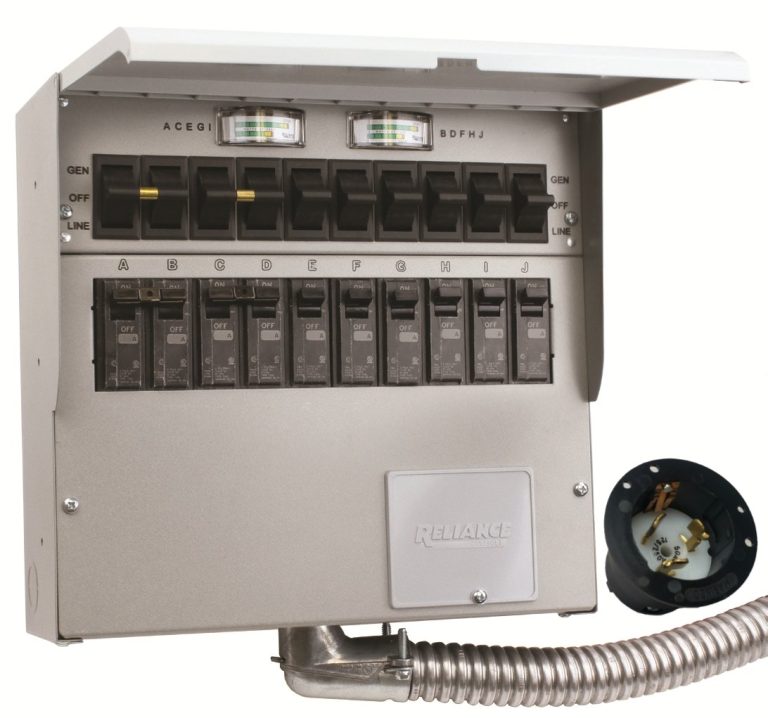
Your transfer switch is the safety barrier between your generator and the utility grid. When the power goes out, it isolates your home. This protects line workers who are fixing the poles outside.
We found that many homeowners overlook this part. They check the oil and fuel, but they forget the switch. That is a big mistake. A faulty switch can create a dangerous situation called backfeeding.
Backfeeding sends electricity out of your home and into the grid. It can seriously injure or kill a utility worker. Regular maintenance keeps everyone safe.
The Real Cost of Neglect
Skipping maintenance doesn’t just risk safety. It also costs you money. A broken transfer switch can fry your appliances or your generator. Replacing a switch is far cheaper than replacing a fridge full of food.
Many experts say that a well-maintained switch lasts decades. One that is ignored might fail in just a few years. The choice is pretty clear.
Monthly Checks You Can Do Yourself
You don’t need special tools for a monthly check. You just need a few minutes and a steady hand. We recommend doing this on the same day you pay your electric bill. That way, you won’t forget.
This routine is about testing, not fixing. If you find a problem, stop and call a pro. Do not try to repair live electrical parts.
Testing the Switch with the Generator Off
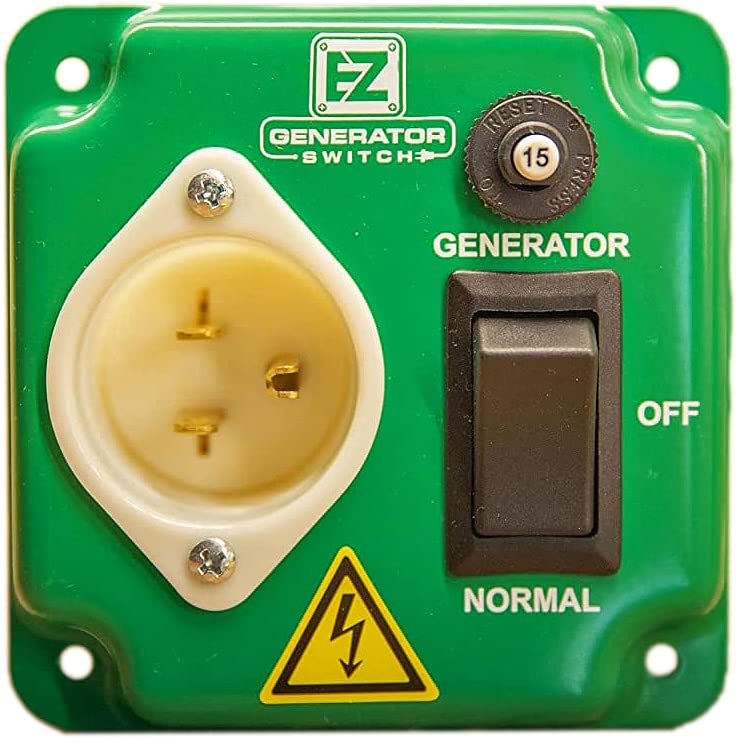
First, turn off your generator and unplug it from the house. Then, flip the main breaker on your panel to the “Off” position. Now, throw the transfer switch handle to the “Generator” position.
You should hear a firm click. That click means the contacts are connecting properly. Move the handle back and forth a few times. This simple exercise keeps the metal contacts from corroding.
We found that switches that sit idle for months get sticky. Moving the handle regularly prevents that. It is like wiggling a key in a lock to keep it smooth.
Running a Full Power Transfer Test
Now, let’s test it with power. Start your generator and let it warm up for a few minutes. Plug it into the inlet box, and then flip the transfer switch to “Generator.”
Step inside and check your panel. The generator power light should be green. Walk through your home and turn on a few lights. Make sure they run smoothly without flickering.
If your lights are dim or flickering, shut it down. You might have a loose connection or a generator issue. Safety first, always. Turn everything off and call an electrician.
Listening for Unusual Noises
When you flip the switch, listen closely. You should hear a clean click. If you hear a buzzing, humming, or crackling sound, something is wrong.
Those sounds often mean the contacts are arcing. Arcing is dangerous. It creates heat and can melt the switch. If you hear it, stop using the system immediately.
Seasonal Deep Cleaning and Inspection
Twice a year, you should give your switch a deeper look. We suggest doing this at the start of summer and before winter storm season. This is a good time to check for dust, bugs, and rust.
Always disconnect power before you open anything. Shut off the main breaker and turn off the generator. Never clean a live panel.
Blowing Out Dust and Debris
Dust and cobwebs can build up inside the box. They trap heat and cause parts to overheat. You can blow them out with a can of compressed air. We found that this simple step makes a big difference.
Look for bugs or nests. Mice and insects love warm, dark boxes. If you see signs of pests, you might need to seal the box better.
While you are in there, check for any discoloration. Dark spots or burn marks on the plastic are bad news. That is a sign of overheating.
Tightening Loose Connections
Vibration from the generator can loosen screws over time. With the power off, you can gently wiggle the wires. If any wire feels loose, you need to tighten the terminal screw.
Be careful not to over-tighten. Just snug them up with a screwdriver. A loose connection creates resistance. Resistance creates heat. Heat starts fires.
We recommend using a thermal camera or an infrared thermometer if you have one. Point it at the switch while it is under load. Hot spots will show up clearly. If you don’t have one, just use your hand carefully.
Checking for Rust and Corrosion
Rust is a killer for electrical equipment. Check the metal parts of the switch and the enclosure. Surface rust is common. Heavy rust means it is time for a replacement.
You can clean light rust with a wire brush. Work on the terminals and the contact points. Then, spray them with a contact cleaner. You can find this at any hardware store.
Signs You Need a Professional Electrician
Some problems are way too big for DIY. We found that trying to fix serious issues can be risky. Know your limits. It is always okay to call for backup.
Your nose and your ears are great diagnostic tools. Trust your instincts. If something feels off, it probably is.
Burning Smells or Scorch Marks
If you smell burning plastic or metal, act fast. Turn off the generator and the main breaker right away. Do not flip the switch again.
A burning smell indicates melting insulation or wires. This is a severe fire hazard. You need a licensed electrician to open the box and inspect it.
Physical Damage to the Box
Check the outside of the box for cracks or dents. Water can get inside through any opening. Water and electricity do not mix well.
If the door doesn’t close tightly, fix it. The seal is important for weather protection. A damaged box is an invitation for moisture.
Frequent Tripping of the Breaker
Does your generator breaker trip often? This could be a sign of a failing switch. It might also mean your generator is overloaded.
We found that a switch can wear out from normal use over time. If it needs to be reset constantly, it is struggling. Have an electrician test the switching mechanism.
A Simple Maintenance Checklist
Here is a quick list to keep you on track. Print it out and stick it near your panel. This makes it easy to stay organized. We found that checklists help people remember the steps.
- Turn off the generator and main breaker.
- Exercise the switch handle back and forth 3-4 times.
- Listen for clean clicks without buzzing or crackling.
- Open the box and inspect for rust, bugs, and burn marks.
- Blow out dust with compressed air.
- Tighten any loose wire connections gently.
What to Expect as Your Switch Ages
Nothing lasts forever, and your transfer switch is no different. With proper care, you can get 20 years or more from it. But the internal parts do wear down.
We found that older switches might need more attention. The springs that pull the contacts together get weaker. The metal contacts wear thin from arcing.
Contact Wear and Tear
Every time you flip the switch, it creates a tiny spark. Over thousands of flips, that spark eats away at the metal contacts. This is normal and expected.
If your lights flicker or you hear a buzz, the contacts might be worn out. A professional can clean or replace them. Sometimes, replacing the whole unit is actually cheaper.
Replacing vs. Repairing
When a switch fails, you have two choices. Repair the existing one or install a new one. We found that replacing is often smarter in the long run.
Labor costs add up quickly on repairs. A brand-new switch has a warranty and modern safety features. It is a smart investment for your home.
Modern Safety Upgrades
Newer switches are safer and easier to use. They have better weather seals and clearer labeling. Some even have built-in surge protection.
If your switch is over 15 years old, consider upgrading. Your generator might have different power needs too. A pro can help you pick the right model.
Protecting Your Switch from the Weather
Your switch is usually mounted on an outside wall. That means it faces rain, snow, and sun. Weather is one of the biggest threats to your equipment.
We found that simple weatherproofing goes a long way. A little silicone caulk can stop water from seeping in. Check the rubber gaskets around the handles.
If the switch is in direct sunlight, the plastic can turn brittle. Consider building a small cover or awning. Just make sure it doesn’t block airflow.
Maintaining the Generator Inlet Box
The inlet box is where you plug in your generator cord. It is just as important as the main switch. Keep the flip lid closed when not in use.
Check the prongs for bending or corrosion. Apply a dab of dielectric grease to the connections. This prevents moisture from causing shorts.
Building a Yearly Maintenance Routine
Now that you know what to do, let’s put it into a schedule. We found that a written routine keeps things from slipping by. Your family depends on this system.
A good routine has three parts: monthly, seasonal, and yearly. It sounds like a lot, but each task takes just minutes. It is quick and easy once you get the hang of it.
Quick Reference Schedule
| Frequency | Task | Time Needed |
|---|---|---|
| Monthly | Exercise the switch handle and run a load test | 10-15 minutes |
| Seasonal | Clean dust, inspect for rust and pests | 15-20 minutes |
| Yearly | Professional inspection and torque check | 1 hour |
Print this table out. Tape it to the inside of your electrical panel door. That way, everyone in the house can see it.
Why a Professional Inspection Matters
Once a year, hire a licensed electrician. They will check things you can’t easily see. They have special tools to test the load capacity.
They will check the torque on all the terminal screws. Loose terminals are a leading cause of switch failure. A quick per-torque check can prevent a meltdown.
We found that a yearly professional look is worth the cost. It gives you total peace of mind. You know that your system is strong before a storm hits.
Remember, your generator is only as good as its weakest link. The transfer switch is that link. Take care of it, and it will take care of you. Stay safe the next time the lights go out.
Conclusion
Your generator transfer switch is the quiet hero of your backup power setup. We found that a few minutes of care each month can prevent dangerous backfeeding, costly repairs, and unexpected failures. Test the switch regularly, keep it clean, and listen for warning signs like buzzing or burning smells.
You do not need to be an electrician to handle the basics. Simple checks and a yearly professional tune-up will keep your system ready for the next storm. Take action today. Print the checklist, mark your calendar, and give your switch the attention it deserves. Your family’s safety is worth the small effort.
Frequently Asked Questions
How often should a generator transfer switch be serviced?
We recommend a light monthly check and a deeper seasonal cleaning. A licensed electrician should do a full inspection once a year. This catches wear and tear you cannot see with your own eyes.
Can I use wd-40 on my transfer switch contacts?
No, you should avoid WD-40. It leaves an oily residue that attracts dust and can cause poor contact. Use a dedicated electrical contact cleaner instead. These products are made to evaporate quickly and leave no film behind.
What causes a transfer switch to fail?
Loose connections, corrosion, and moisture are the top culprits. Old contacts that have pitted from arcing also cause failure. Regular testing helps you catch these issues before they become emergencies.
How long does a generator transfer switch last?
With proper care, you can expect 20 years or more of reliable service. Ignoring maintenance shortens that lifespan dramatically. A switch that is exercised monthly and cleaned seasonally will outlast one that is neglected.
Should I turn off my main breaker when testing the transfer switch?
Yes, always turn off the main breaker before you test. This prevents any chance of backfeeding into the grid. It also simulates a real power outage so you know the switch is working correctly.