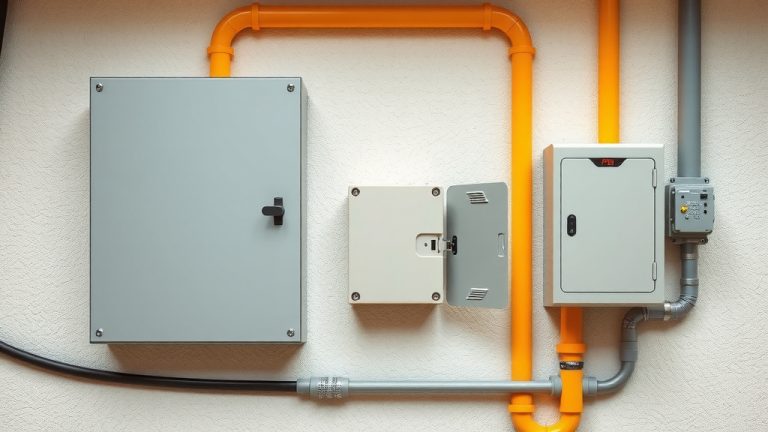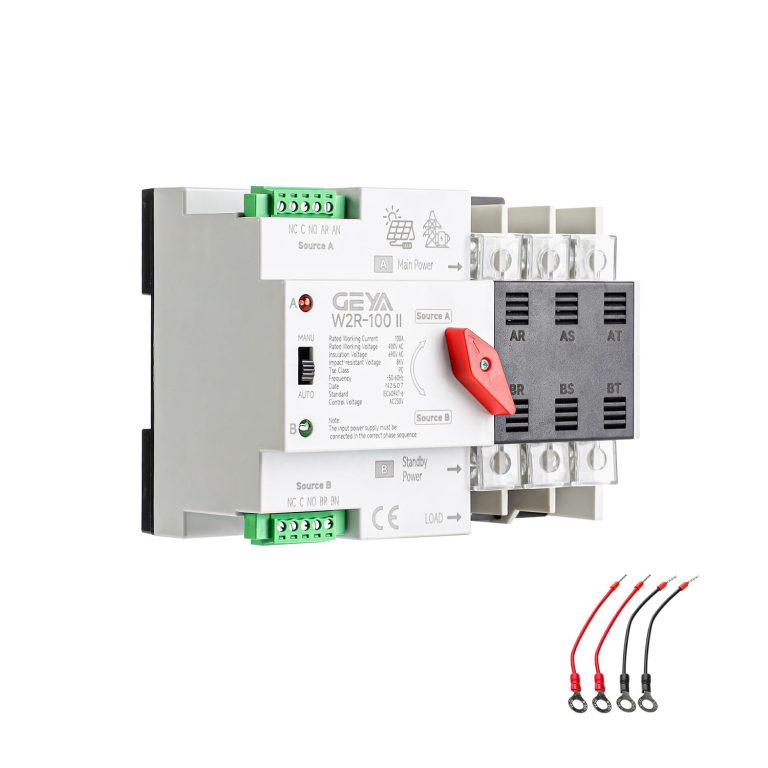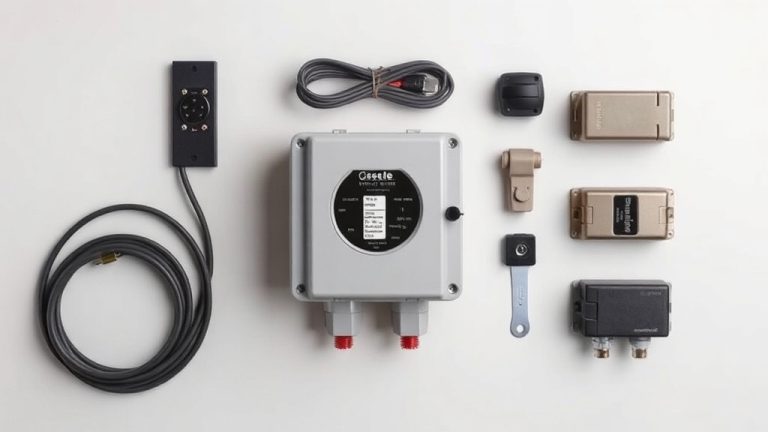
Generator Transfer Switch Troubleshooting: 7 Easy Fixes
If your generator transfer switch won’t start your home during an outage, the fix is usually a tripped breaker, a dead battery, or a blown fuse. Start by checking the main breaker in the transfer switch and make sure it’s in the “Generator” position. This simple step solves many common problems before you ever call a pro. If you’re still choosing a switch, our guide to the best generator transfer switch can help you pick the right model.
We’ve researched the most frequent issues homeowners face with their generator transfer switch. From a switch that won’t move to power that doesn’t flow, most problems have simple, safe fixes you can handle yourself. You don’t need to be an electrician to troubleshoot the basics, but you do need to be careful with high voltage.
- Check the breaker position in the transfer switch first.
- Make sure the generator is actually producing power.
- Look for blown fuses or tripped internal breakers.
- Verify the transfer switch handle is fully engaged.
- Test the generator’s outlet voltage with a multimeter.
Below, we break down the exact steps to diagnose and fix your transfer switch, plus when you should stop and call a licensed electrician. Let’s walk through this together so you can get your power back on safely.
How to Fix a Generator Transfer Switch That Won’t Work
You flip the switch and nothing happens. Or the generator runs but your lights stay dark. That’s frustrating, especially mid-outage. We found that most transfer switch issues fall into a few simple categories. Let’s work through them in order — from easiest and safest to more advanced checks.
What Your Transfer Switch Actually Does
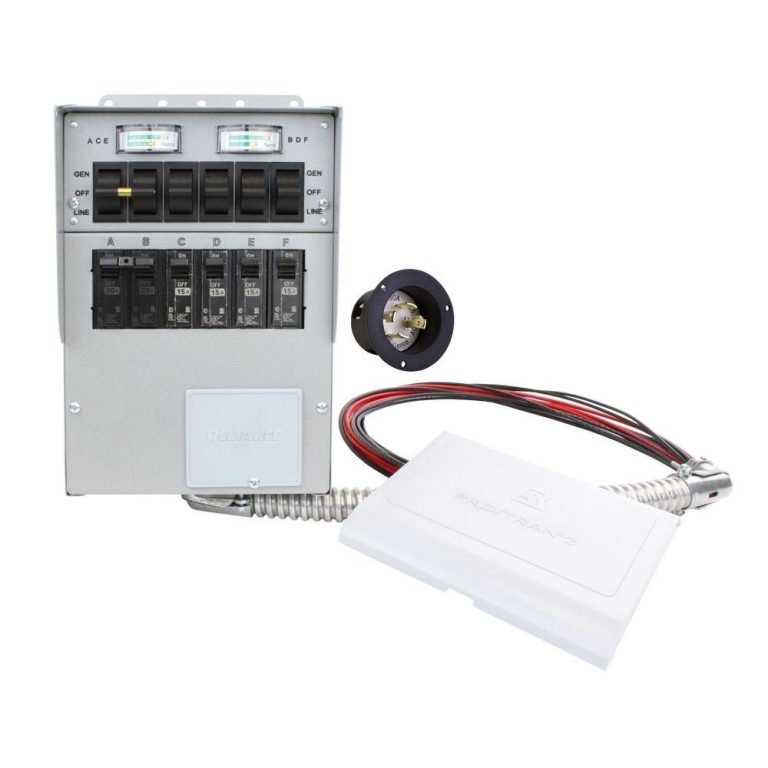
Think of your transfer switch as a traffic cop for electricity. It decides whether power flows from the utility grid or from your backup generator.
It also protects utility workers. When the switch is on Generator power, it physically isolates your home from the grid. This prevents dangerous backfeeding, according to safety guidelines from the US Department of Energy.
Knowing that helps you troubleshoot smarter. Every problem you face is about one thing: connection. Either the switch isn’t connected to a power source, or it’s connected to the wrong one.
First Checks to Run on Your Transfer Switch Setup
Start with the easiest possible fixes. We’ve seen homeowners panic over a switch that never had its generator breaker turned on. You’ll waste less time if you check the obvious things first.
Check the Break Position in the Switch
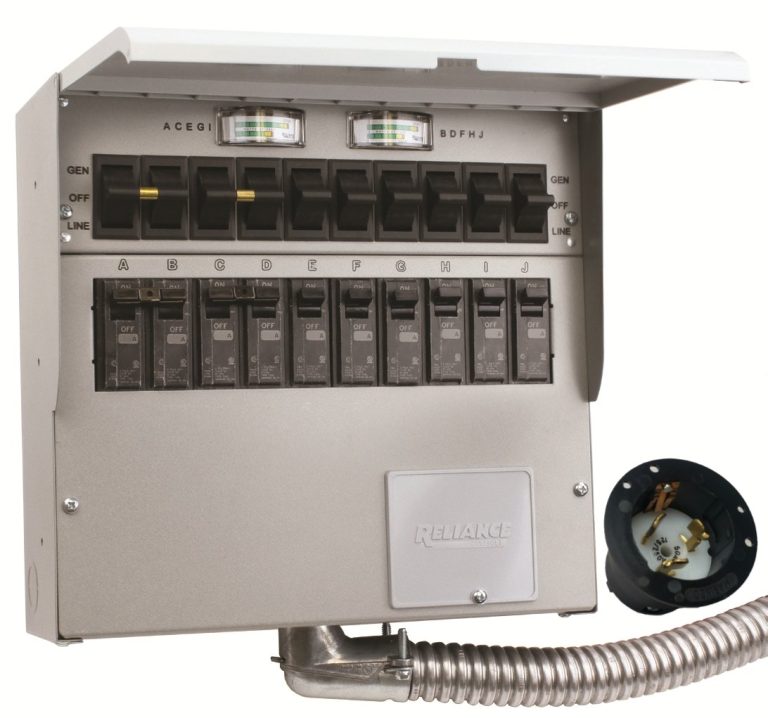
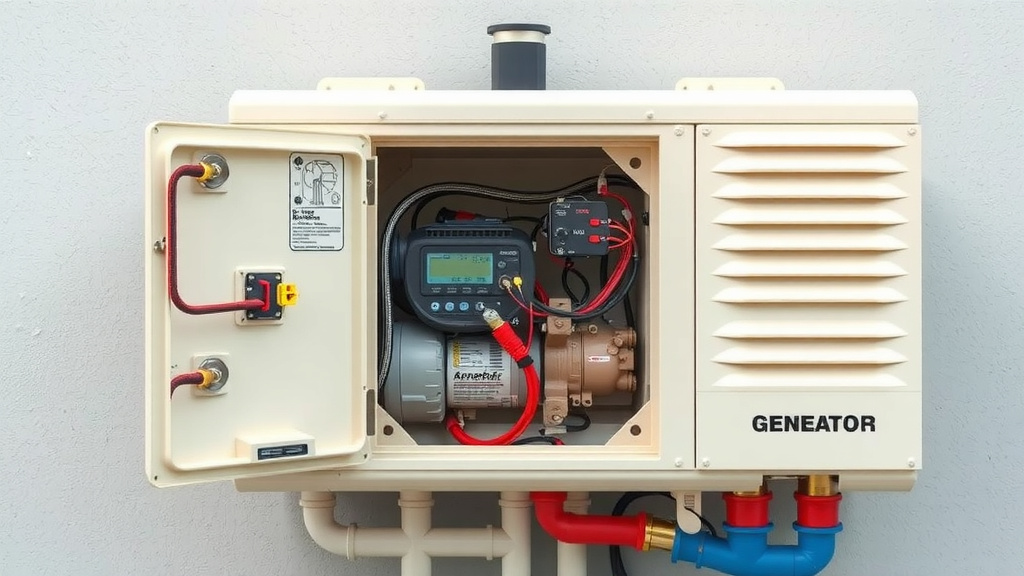
Open the cover on your transfer switch. Look at the main breaker handles. You should see two positions — Line or Generator. The breaker must be fully pushed to the Generator position when you’re on backup power. For a visual reference, our transfer switch installation diagram shows the correct wiring layout.
Sometimes the breaker sits halfway between positions. That’s a tripped breaker. It happens more often than you’d think, especially after a long outage with heavy loads.
Reset it by pushing it fully to Off, then firmly to Generator. If it trips again right away, you have a short circuit or an overloaded panel. We’ll cover that in a moment.
Look at the Generator’s Own Outlets
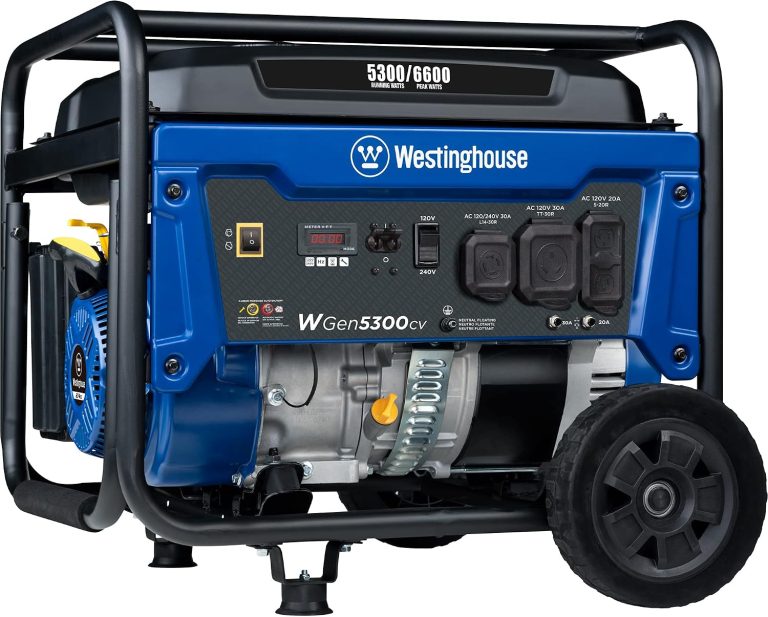
Your generator has its own breakers and outlets on the side of the unit. Many people forget these exist. Check that the generator’s main breaker is On and that the outlet feeding your transfer switch has no signs of damage.
We found that a generator outlet GFCI trips easily in damp conditions. Press the Reset button on the outlet if it’s popped out. That single action fixes a surprising number of transfer switch failures.
Verify the Transfer Switch Handle Position
Some switches use a handle that slides or rotates between Line and Generator. This handle must click into place. If it’s loose or halfway, the interlock inside won’t complete the circuit.
Try moving the handle back to Line, then firmly to Generator. Listen for a definitive click or feel a positive stop. No click means the mechanical interlock is jammed. We’ll discuss that next.
Generator Transfer Switch Power Flow Problems
If your switch is in the right position but power still isn’t flowing, the issue is likely the generator or the wiring between it and the switch. You can test many of these with simple tools.
Test the Generator Output with a Multimeter
You need to know if your generator is actually producing electricity. Grab a digital multimeter and set it to AC voltage (around 220-240V for most home setups).
Plug the probes into the generator outlet that feeds the transfer switch. You should read between 220V and 240V. A reading near zero means the generator has no output. A low reading (under 200V) means a failing alternator or a clogged fuel system causing low RPM.
Many experts suggest testing the generator under load, not just idle. The voltage may look fine while idling but drop when you turn on appliances. If that happens, your generator may be too small for the switch and the house loads.
What Voltage Numbers Mean for Your Switch
Here’s a quick cheat sheet for what your multimeter is telling you:
| Reading | What It Means | Next Step |
|---|---|---|
| 220-240V | Generator output is healthy | Move on to checking the switch’s internal connections |
| 180-219V | Generator is struggling or undervolt | Check fuel supply and engine load |
| 0-179V | Generator has a serious issue | Check breakers, GFCI, and the generator itself |
We found that a generator producing low voltage often gets misdiagnosed as a transfer switch problem. People replace switches when they just needed a carburetor cleaning. Save yourself that headache by testing the generator first.
Inspect the Interlock Kit and Wiring
The interlock plate connects the breaker handles and prevents both power sources from being on at once. Over time, this plate can warp or get debris stuck behind it. If it won’t slide fully, inspect it carefully.
Look at the wires connected to the switch lugs. Are they discolored or melted? That’s a sign of loose connections or overheating. Tighten them only if the power is off and you’re comfortable working near live terminals. When in doubt, call an electrician for this one.
Common Transfer Switch Failures and Their Fixes
Let’s run through the issues homeowners hit most often. Every situation is a little different, but the pattern shows up again and again in our research.
Switch Handle Won’t Move at All
This is usually a mechanical jam, not an electrical one. The interlock plate might be stuck on a wire or a screw. Or the switch contacts inside physically welded together after a massive overload.
Try gentle, steady pressure on the handle. Do not force it. If it won’t move easily, stop. Forcing it can snap the interlock plate and create an unsafe backfeed condition.
Research points out that internal contact welding often follows a short circuit or a failed appliance. You’ll need a licensed electrician to replace the switch in that case. The unit is likely not worth repairing.
Power Comes On in Half the House
This points to a single-pole breaker issue or an overloaded phase. Your house runs on two 120V legs. The transfer switch brings both legs from the generator.
If the generator is undersized, one leg may drop out. Plug a lamp into outlets on different sides of the house. If half works and half doesn’t, the generator is struggling to power both legs.
Reduce your electrical load. Turn off large appliances like electric water heaters or AC units. That often restores both legs quickly.
Switch Works but Breaker in the Panel Trips
If power gets to the panel but the main breaker trips, you have a dead short in your house wiring or a badly overloaded circuit. This is serious. Do not keep resetting it and trying again repeatedly.
Unplug every appliance in that circuit. Reset the breaker. If it stays on, slowly plug things back in — one item at a time. The culprit will reveal itself when the breaker trips again.
Safety Rules When Working Near Your Transfer Switch
You’re dealing with high voltage. There is no room for shortcuts here. We found that most household accidents happen when someone is tired, stressed, or in a hurry during an outage. You’ve been there — the house is dark and cold. Slow down anyway.
Turn Off Everything Before Opening Covers
Shut down the generator completely. Set the transfer switch to Line. Turn off the main breaker in your panel. Then wait five minutes for capacitors to discharge. Some components hold a charge longer than you’d expect.
Use only insulated tools rated for electrical work. Wear rubber-soled shoes and keep one hand in your pocket. If you’re unsure about any step, that’s your cue to step back and call a pro.
Signs You Need a Licensed Electrician Now
There’s no shame in calling for backup. You save time and avoid serious risk. We suggest contacting a pro when you see any of these signs:
- Burning smell in the panel or switch enclosure
- Discolored wires, melted insulation, or scorch marks
- Switch handle that won’t move without excessive force
- Breakers that trip instantly after reset, even with everything unplug
- Voltage readings that bounce randomly or drop to near zero
- Any sparking, buzzing, or arcing sounds at the switch
Those are not DIY moments. They point to internal damage or degraded wiring. An electrician will identify the root cause and repair it correctly.
Quick Checklist Before You Give Up
Run through this list one final time when you’re stuck. It takes less than five minutes and catches the most overlooked problems.
- Generator breaker is in the ON position
- Generator outlet GFCI is reset and not tripped
- Transfer switch main breaker is fully set to Generator
- Generator has enough fuel and isn’t in low-oil shutdown
- Switch handle is fully engaged with a positive click
- Voltage at generator outlet reads 220-240V with a multimeter
You’d be surprised how many “broken” switches are actually a generator that ran out of gas or a GFCI that needed a reset. We’ve heard those stories more times than we can count.
Take your time, stay safe, and work through the steps in order. Most homeowners find the fix in the first few checks. And for what you can’t fix yourself, a qualified electrician will have you back on generator power in no time.
Conclusion
You don’t need to be an electrician to fix most generator transfer switch problems. Start with the easy stuff — breaker positions, GFCI resets, and fuel levels. Then test the generator output before you ever open the switch enclosure.
We walked you through the most common failures and their fixes. You now know how to spot a mechanical jam, a struggling generator, or an overloaded panel. You also know when to stop and call a licensed pro.
Your next step is simple. Go run through the five-minute checklist we gave you before the next outage hits. Grab your multimeter and confirm your generator output now, not when the lights go out. A little prep today saves you from a cold, dark house later.
Frequently Asked Questions
Why does my generator transfer switch smell like burning plastic?
A burning smell is a serious warning sign. It usually means loose wire connections inside the switch are overheating. Turn everything off immediately and call a licensed electrician.
Do not use the switch again until it’s inspected. Loose connections can melt insulation and start a fire inside your wall.
Can I run my generator transfer switch without a ground rod?
No, you should not operate a transfer switch without proper grounding. The ground rod protects you and your equipment from electrical surges and faults.
If your generator or transfer switch isn’t grounded, hire an electrician to install the ground rod correctly. It’s a code requirement in most US jurisdictions.
Is it normal for my transfer switch to make a humming noise?
A soft hum when the switch is under load is often normal in some models. However, a loud buzzing or rattling sound usually means loose parts or a failing contactor.
Check the cover screws and mounting hardware first. If the noise gets louder or changes pitch with load, call an electrician to inspect the internal contacts.
What size generator do I need for a 200-amp transfer switch?
A 200-amp transfer switch doesn’t mean you need a 200-amp generator. You need a generator that can handle your actual electrical load, not the switch’s rating.
Most homes run comfortably on a 10,000 to 15,000-watt generator. We suggest adding up the wattage of appliances you want to run during an outage first.
Can a generator transfer switch fail from lack of use?
Yes, switches can corrode and stick when they sit idle for years. The contacts inside can oxidize, causing poor connections when you finally need them.
We recommend cycling your transfer switch between Line and Generator positions once a month. This keeps the mechanical parts moving and the contacts clean.