How Long Will a Solar Generator Run Your Appliances? The Complete Guide to Solar Power Duration
Have you ever wondered what would happen if the power went out at your house? Or maybe you’re planning a camping trip and want to know if a solar generator can actually keep your devices charged throughout the day? I used to ask myself the same questions before diving deep into the world of solar energy.
The truth is, figuring out how long a solar generator will run your appliances isn’t as simple as looking at one number. It’s more like solving a puzzle where multiple pieces need to fit together perfectly. In this guide, I’m going to walk you through everything you need to know about solar generator runtime, capacity, and how to calculate exactly what you’re working with.
Understanding Solar Generator Basics: What You Really Need to Know
Before we jump into the specifics of runtime, let’s establish a foundation. Think of a solar generator like a water tank. The tank’s capacity tells you how much water it can hold, but how long that water lasts depends on how quickly you’re using it. The same principle applies to solar generators.
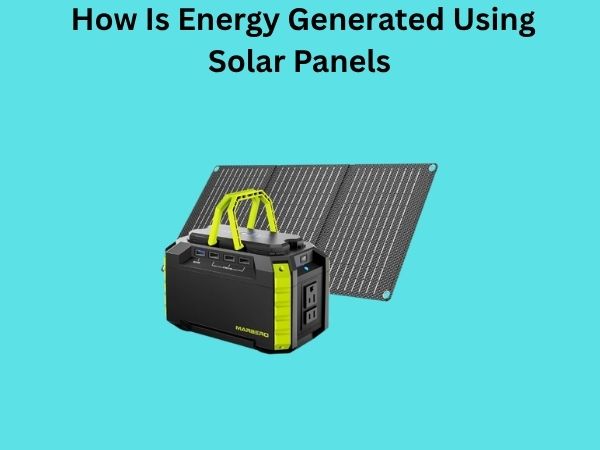
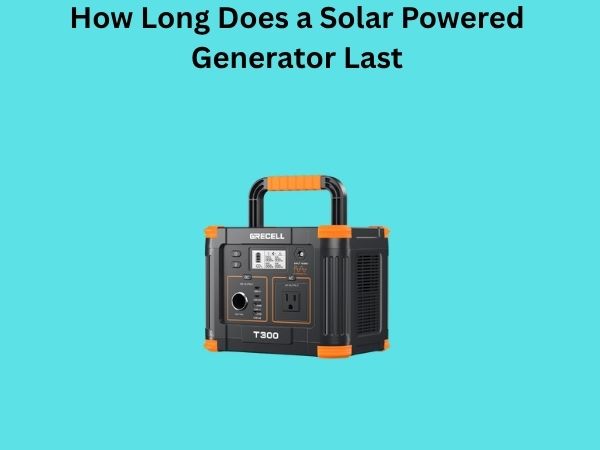
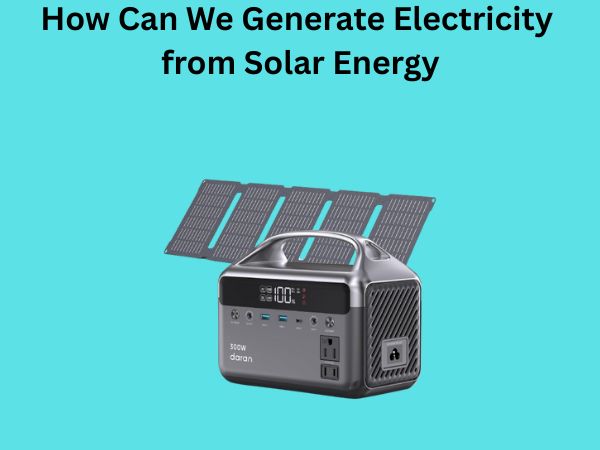
A solar generator has three main components working together: the battery system, the inverter, and the solar panels. The battery is your storage tank. The inverter is what converts the stored energy into usable electricity for your devices. And the solar panels? They’re constantly refilling your tank, but only when the sun is shining.
The Role of Battery Capacity in Runtime
The battery capacity is measured in watt-hours, often written as Wh. This number tells you the total amount of energy your solar generator can store. A 1000Wh battery sounds impressive, but what does it actually mean for your everyday use?
Let’s say you have a device that uses 100 watts of power. Mathematically, 1000Wh divided by 100W would give you 10 hours of runtime. But here’s where things get real: most solar generators don’t let you drain the battery completely. Many manufacturers recommend keeping at least 20 percent in reserve to protect the battery’s lifespan. This means your actual usable capacity might be closer to 800Wh, which reduces your runtime to 8 hours with the same 100-watt device.
Calculating Your Solar Generator Runtime: The Formula That Actually Works
Here’s the basic formula I use, and it’s changed how I think about solar power:
Runtime (in hours) = Battery Capacity (Wh) × Usable Percentage ÷ Device Power Draw (W)
Let me break this down with a real-world example. Imagine you have a 2000Wh solar generator with 80 percent usable capacity, and you’re running a mini refrigerator that draws 150 watts.
- Battery Capacity: 2000Wh
- Usable Capacity: 2000 × 0.80 = 1600Wh
- Device Power Draw: 150W
- Runtime: 1600 ÷ 150 = approximately 10.7 hours
See? It’s not rocket science, but it does require you to know your device’s power consumption. This is where most people get stuck.
Finding Your Device’s Power Consumption
Your device’s power draw is crucial information, and thankfully, it’s usually easy to find. Most appliances have a label on the back or bottom that lists wattage. If you can’t find it, you can calculate it using the voltage and amperage listed on the label using the formula: Watts = Volts × Amps.
Some devices are tricky though. Refrigerators and air compressors have what we call “starting watts” or “surge watts,” which is much higher than their running watts. A refrigerator might run at 150 watts but require 600 watts to start. Your solar generator needs to handle that surge, or it simply won’t power on the device.
How Solar Panel Output Affects Your Runtime
Here’s something that surprised me when I first started learning about solar generators: the solar panels attached to your system actually extend your runtime significantly. It’s like having a faucet refilling your water tank while you’re using it.
During daylight hours, your solar panels are generating electricity. Depending on the sun’s intensity, time of year, and panel efficiency, a typical 100W solar panel might generate anywhere from 300 to 600Wh in a full day. This means while you’re using power, the panels are simultaneously charging the battery.
Real-World Scenario: Daytime vs. Nighttime Usage
Let’s say you’re using your solar generator during the day with full sunlight. You have a 3000Wh battery and 200W of solar panels attached. You’re running a laptop that draws 65 watts.
Without solar input, your 3000Wh battery would run the laptop for approximately 46 hours. But with 200W of solar panels generating power on a sunny day, you might be getting an additional 150-200W of charging power during peak hours. This could theoretically run your laptop indefinitely if the sun keeps shining.
However, nighttime is completely different. Once the sun sets, you’re entirely dependent on your battery capacity. This is why understanding the distinction between daytime and nighttime usage is absolutely critical.
Common Appliances and Their Runtime on Solar Generators
Let me give you some practical examples using a standard 2000Wh solar generator with 80 percent usable capacity (1600Wh):
Small Electronics and Devices
- Smartphone: 5-10 watts – approximately 160 to 320 hours of charging time
- Laptop: 60-100 watts – approximately 16 to 26 hours of runtime
- Tablet: 10-15 watts – approximately 106 to 160 hours of runtime
- LED Light Bulb: 10 watts – approximately 160 hours of runtime
Kitchen Appliances
- Electric Kettle: 1500-2000 watts – approximately 0.8 to 1 hour of runtime
- Microwave: 600-1200 watts – approximately 1.3 to 2.6 hours of runtime
- Coffee Maker: 800-1200 watts – approximately 1.3 to 2 hours of runtime
- Mini Refrigerator: 100-150 watts – approximately 10.6 to 16 hours of runtime
Climate Control and Comfort
- Portable Fan: 50-100 watts – approximately 16 to 32 hours of runtime
- Electric Heater: 1000-1500 watts – approximately 1 to 1.6 hours of runtime
- Humidifier: 20-50 watts – approximately 32 to 80 hours of runtime
Notice something interesting here? The high-wattage appliances like electric kettles and heaters drain your battery incredibly fast. This is why most people use solar generators for backup power or camping rather than as a complete home solution.
The Impact of Battery Degradation on Long-Term Runtime
Here’s something manufacturers don’t emphasize enough: your solar generator’s runtime will decrease over time. Lithium-ion batteries, which power most modern solar generators, gradually lose capacity with each charge cycle.
Most quality solar generators are rated for 3,000 to 5,000 charge cycles. A charge cycle means charging from empty to full. If you use your solar generator daily and fully charge it, you might go through one cycle per day. That means after about 10 years of daily use, your generator might retain only 80 to 85 percent of its original capacity.
If you started with 2000Wh of capacity, you’d be down to 1600-1700Wh. This might not sound like much, but it translates to a noticeable reduction in runtime, especially if you were already pushing the limits of what your generator could handle.
Proper Maintenance to Preserve Runtime
Taking care of your solar generator is like maintaining a car. Small actions prevent big problems down the road. Here’s what actually matters:
- Store your generator in a cool, dry place when not in use
- Avoid letting the battery completely drain regularly
- Keep the solar panels clean and free from dust and debris
- Check connections periodically to ensure they’re secure
- Use the built-in battery management system if your generator has one
Temperature and Environmental Factors That Reduce Runtime
You might not realize this, but environmental conditions dramatically affect how long your solar generator runs. Cold weather is particularly problematic. Lithium-ion batteries perform poorly in temperatures below 50°F. Your 2000Wh battery might effectively deliver only 1500Wh of usable power in freezing conditions.
Similarly, heat accelerates battery degradation. Storing your solar generator in direct sunlight or in a hot car will reduce its lifespan and operational efficiency significantly. The sweet spot for battery performance is typically between 50°F and 95°F.
Seasonal Variations in Solar Input
If you’re depending on your solar panels to extend runtime, seasonal changes matter tremendously. During summer with long daylight hours and high sun angles, a 200W solar panel system might generate 1200Wh or more per day. In winter, that same system might only generate 300-400Wh per day.
This means your daytime runtime possibilities change with the seasons. What works perfectly in summer might require careful power management in winter.
Combining Multiple Solar Generators for Extended Runtime
What if you need more runtime than a single solar generator can provide? You have options. Some solar generators can be daisy-chained or connected in parallel to increase total capacity.
Connecting two 2000Wh generators doesn’t give you 4000Wh of usable power in all cases though. You need to make sure your system is designed to handle this configuration. When done correctly, you can double your runtime by doubling your battery capacity.
However, this approach has drawbacks. It’s more expensive, takes up more space, and adds complexity. Before going this route, honestly assess whether you really need that much capacity.
Choosing the Right Solar Generator Based on Your Runtime Needs
Now that you understand how runtime works, how do you choose the right generator? Start by listing everything you want to power and calculate the total watt-hours you’d use in a typical day or night.
Let’s say you want to run a laptop (65W for 8 hours = 520Wh), a mini fridge (150W for 8 hours = 1200Wh), and some lights (30W for 6 hours = 180Wh). Your daily needs are 1900Wh. To have safety margin and account for inefficiencies, you’d want at least a 3000Wh generator, preferably 4000Wh.
This calculation changes dramatically if you include high-wattage appliances. Adding an electric space heater (1500W for 2 hours) jumps your daily needs to 4900Wh, requiring a much larger system.
Budget Considerations vs. Runtime Needs
Here’s the honest truth: solar generators aren’t cheap. A 1000Wh system costs around $500-$800. A 5000Wh system can cost $2000-$3500. The cost-per-watt-hour is actually more favorable with larger systems, so if you can afford it, buying more capacity than you think you need is often the smart play.
However, bigger isn’t always better if you won’t use the capacity. A single person on occasional camping trips probably doesn’t need a 10,000Wh beast that costs $5000 and weighs 80 pounds. The practicality of moving and maintaining the system matters too.
Real-World Testing: What Manufacturers Don’t Always Tell You
Here’s something I discovered through experience: manufacturers’ runtime estimates are often optimistic. They test under ideal conditions with perfect weather, optimal temperatures, and carefully controlled device loads. Real life is messier.
I tested a 2000Wh solar generator that claimed to run a 300W load for about 6.5 hours. In actual testing under average conditions, I got closer to 5.5 hours. The difference came from inverter inefficiencies (they don’t convert power 100 percent efficiently), slightly depleted battery capacity, and the device not running at exactly constant wattage.
My advice? Take manufacturer runtime claims, subtract 15-20 percent, and use that as your realistic expectation. This gives you a safety buffer and prevents disappointment.
Maximizing Your Solar Generator’s Runtime in Practice
Want to squeeze more runtime out of your system? I’ve learned several practical tactics:
- Use devices during daylight hours when solar panels are actively charging
- Consolidate your power needs into the most efficient appliances
- Avoid high-wattage devices that drain batteries quickly
- Prioritize essential loads and eliminate unnecessary power draw
- Use battery-powered or hand-crank alternatives for low-energy tasks
- Monitor your battery percentage and charge when panels have good sunlight
These aren’t just tips from reading a manual. These are strategies I’ve actually used during extended off-grid stays.
The Future of Solar Generator Runtime Technology
The solar generator market is evolving rapidly. New battery technologies like lithium iron phosphate (LiFePO4) offer better cycle life, meaning more total runtime over the generator’s lifetime. Some newer models include smart power management systems that optimize energy distribution.
Efficiency improvements in solar panels mean future systems will generate electricity faster, reducing charging times and improving daytime runtime potential. As technology improves, the trade-off between weight, capacity, and cost keeps getting better for consumers.
Conclusion
So how long will a solar generator run your appliances? The answer depends on understanding your battery capacity, your devices’ power consumption, and the environmental conditions you’re operating in. It’s not one magic number—it’s a calculation that changes based on your specific situation.
The key takeaway is this: a solar generator is like a financial budget. You have income (solar charging), savings (battery capacity), and expenses (power draw). Managing these three elements effectively determines how long you can sustain your power needs.
Start by honestly assessing what you want to run and for how long. Use the formula I shared to calculate realistic expectations. Account for real-world inefficiencies and environmental factors. Then choose a system with enough capacity to comfortably handle your needs with a safety margin.
Whether you’re preparing for emergencies, planning extended camping trips, or exploring off-grid living, understanding solar generator runtime empowers you to make smart decisions about your energy independence. The technology is more accessible than ever, and with the knowledge in this guide, you’re ready to make the most of it.
Frequently Asked Questions About Solar Generator Runtime
Can a solar generator run all night on a single charge?
This depends