Generator vs Solar Backup: Pros, Cons & Real-World Cost Comparison
When the power goes out, you’ve got two main players in the game: traditional generators and solar backup systems. But which one actually makes sense for your home or business? That’s the question we’re diving into today, and honestly, the answer isn’t as straightforward as you might think.
I’ve spent considerable time researching both technologies, and what I’ve discovered is that each option has a distinct personality. Some situations absolutely demand a generator, while others are perfectly suited for solar. Let me walk you through everything you need to know to make an informed decision.
Understanding the Basic Differences
Think of a traditional generator like a car engine that runs on fuel—it creates electricity on demand whenever you need it. A solar backup system, on the other hand, works more like a battery that charges during the day and powers your home when the grid goes down. These are fundamentally different approaches to the same problem.
What Is a Traditional Generator?
A generator is essentially a machine that converts fuel into electricity. You’ve probably seen them before—they sit outside, they’re loud, and they smell like gasoline or diesel. When your power cuts out, you flip a switch, and boom, you’ve got electricity flowing through your home again.
Generators come in various sizes, from small portable units perfect for camping to massive standby generators that can power an entire house. Most residential generators run on either gasoline, propane, or diesel fuel.
What Is a Solar Backup System?
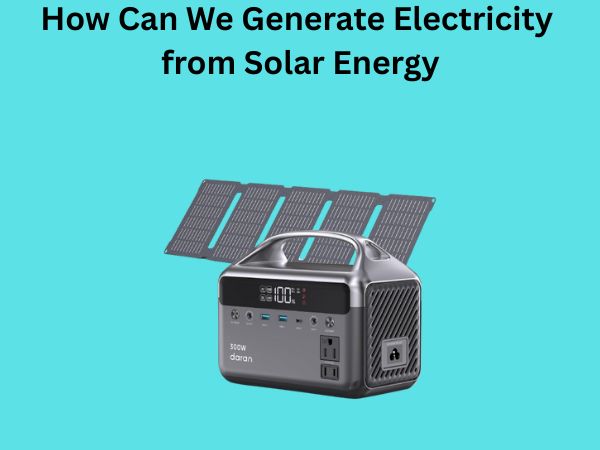
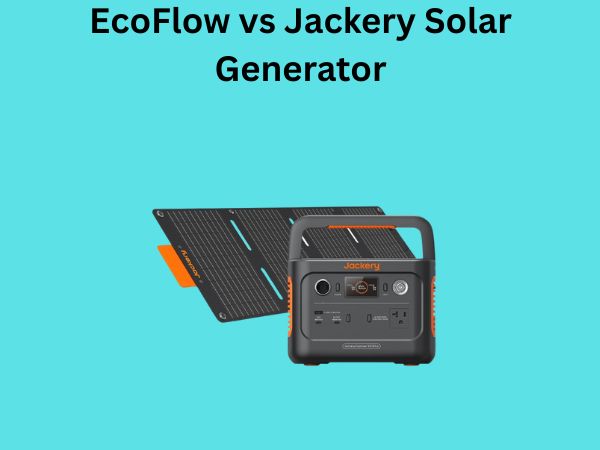
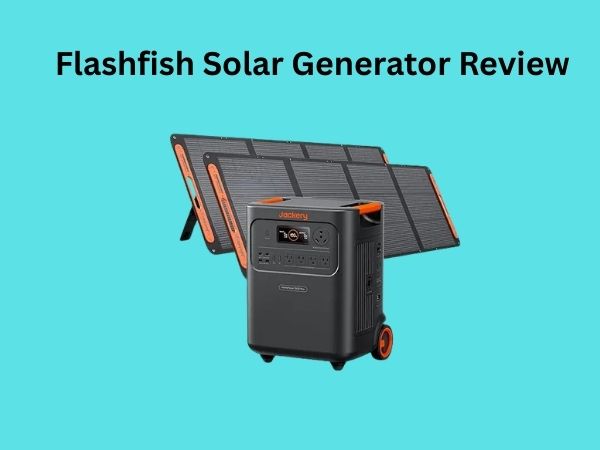
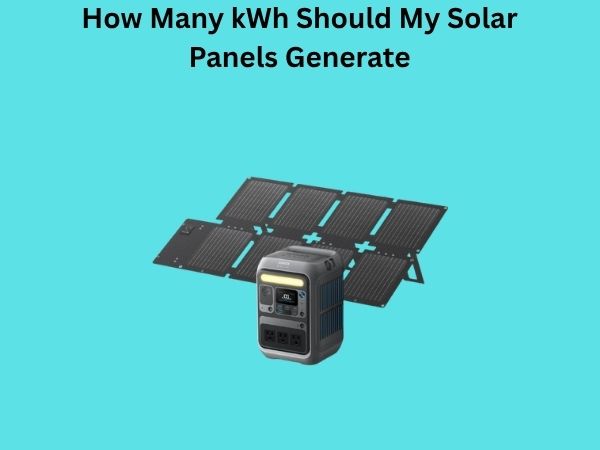
A solar backup system is really a package deal. You’ve got solar panels that generate electricity during daylight hours, a battery storage system that holds that energy, and an inverter that converts DC power into usable AC electricity. When the grid fails, your system automatically switches to battery power and keeps your lights on.
It’s like having your own personal power plant that runs on sunshine—pretty neat when you think about it.
The Pros and Cons of Traditional Generators
Why Generators Are Actually Pretty Great
Let’s start with the advantages because generators have earned their popularity for solid reasons.
- Unlimited Runtime: As long as you have fuel, a generator keeps running. You’re not limited by daylight or battery capacity. During a week-long power outage, your generator can keep going if you keep feeding it fuel.
- Lower Upfront Cost: A decent portable generator can cost anywhere from $500 to $2,000. Even a standby generator that’s permanently installed typically runs $3,000 to $6,000. Compare that to solar systems, and the wallet impact is significantly lighter initially.
- Instant Power: When you need electricity, generators deliver it immediately. There’s no waiting for the sun to come up or relying on stored battery capacity. Flip the switch, and you’re good to go.
- Weather Independent: Rain, snow, clouds—doesn’t matter. Your generator will work regardless of weather conditions. This is crucial in regions with unpredictable climates.
- No Installation Complexity: Portable generators require virtually zero installation. Standby models need professional installation, but the process is straightforward compared to solar systems.
- Proven Technology: Generators have been around forever. The technology is mature, reliable, and well-understood. When something goes wrong, any technician can fix it.
The Real Drawbacks of Generator Ownership
But generators aren’t perfect, and their downsides can be pretty significant depending on your situation.
- Ongoing Fuel Costs: Every hour your generator runs costs you money in fuel. During extended outages, these expenses pile up quickly. A generator running 24/7 can consume $10 to $20 in fuel daily, depending on the model and fuel prices.
- Maintenance Requirements: Generators need regular maintenance. You’ve got to change oil, replace spark plugs, run them periodically to keep them in working condition, and store fuel properly. It’s an ongoing responsibility.
- Noise Pollution: Most generators are loud—we’re talking 70 to 90 decibels. If you live close to neighbors, you’re going to have some uncomfortable conversations. It’s one of the main complaints people have after purchasing a generator.
- Environmental Concerns: Generators emit carbon dioxide, nitrogen oxides, and particulate matter. They contribute to air pollution, and if you care about your environmental footprint, this is a legitimate drawback.
- Fuel Storage Issues: You need to keep fuel on hand, which requires proper storage containers, takes up space, and has a shelf life. Gasoline goes bad after a few months, and storing large quantities can be risky.
- Limited Lifespan: Generators have moving parts that wear out. Most portable generators last 1,000 to 2,000 hours, while standby models might reach 10,000 to 20,000 hours before major repairs become necessary.
- Carbon Monoxide Risk: Never run a generator indoors. Carbon monoxide is a deadly, odorless gas, and generator accidents happen more often than people realize, especially during emergencies when people panic and make poor decisions.
The Pros and Cons of Solar Backup Systems
Why Solar Backup Is Gaining Popularity
Solar backup systems represent a fundamentally different approach, and they’re becoming increasingly attractive as technology improves and costs drop.
- Zero Fuel Costs: Once installed, your system runs on free sunshine. You never buy fuel again. Over a 25-year lifespan, this represents massive savings compared to generators.
- Silent Operation: Solar panels make no noise whatsoever. Neither do batteries. This is huge if you’re concerned about disturbing neighbors or simply want a peaceful experience during an outage.
- Environmental Benefits: Solar energy is clean and renewable. You’re not producing any emissions, and you’re reducing your overall carbon footprint. This appeals strongly to environmentally conscious homeowners.
- Low Maintenance: Solar panels occasionally need cleaning, and that’s about it. Batteries require minimal maintenance compared to generators. This is genuinely convenient.
- Energy Independence: A solar system reduces your reliance on the grid even when it’s functioning normally. Many homeowners use their systems to lower their electricity bills, not just for backup.
- Improved Technology: Modern solar batteries like Tesla Powerwalls and LG Chem units are incredibly efficient and reliable. They’re not the clunky technology of five years ago.
- Long Lifespan: Solar panels last 25 to 30 years, and many batteries come with 10 to 15-year warranties. You’re investing in something that will work for decades.
- Scalability: You can start small and expand your system over time. Add more panels or batteries as your needs change or your budget allows.
The Significant Challenges of Solar Backup
Solar systems aren’t perfect either, and their limitations can be deal-breakers in certain scenarios.
- Enormous Upfront Cost: A complete solar backup system with batteries can easily cost $15,000 to $25,000 or more before incentives. For many people, this is a significant financial barrier that generators simply don’t present.
- Weather Dependent: On cloudy days or during winter months when the sun hangs lower in the sky, your system generates less power. Extended periods of bad weather can drain your battery reserves quickly.
- Limited Storage Capacity: Batteries have finite capacity. A typical residential battery can provide 10 to 15 kilowatt-hours of storage. If your outage lasts longer than your battery can sustain, you’re in trouble.
- Complex Installation: Installing solar systems requires professional work. It involves electrical connections, roofing work, permit applications, and inspections. The process takes time and expertise.
- Space Requirements: You need adequate roof space to install panels. Some properties don’t have suitable south-facing exposure or enough unshaded area to make a system worthwhile.
- Battery Degradation: Over time, batteries lose capacity. After 10 years, your battery might only hold 80% of its original capacity. This gradual decline means your system becomes less reliable as it ages.
- Permitting and Regulations: Many jurisdictions require permits and inspections for solar installations. This adds complexity, cost, and time to the project.
- Not Ideal for Heavy Users: If you have electric heating, electric vehicles, or other high-demand appliances, solar backup alone might not meet your needs during extended outages.
Real-World Cost Comparison
Initial Investment Analysis
Let’s talk numbers because cost is often the deciding factor for most people.
A portable generator suitable for backing up essential circuits costs around $1,000 to $2,000. A standby generator that handles whole-house backup runs $4,000 to $6,000 for the unit, plus $1,000 to $3,000 for installation. So you’re looking at $5,000 to $9,000 for a complete generator solution.
A solar backup system with adequate battery capacity typically costs $15,000 to $25,000 installed. A minimal system with smaller battery capacity might be $12,000, while a robust system could exceed $30,000.
On paper, the generator wins decisively. You’re looking at roughly one-third the upfront cost.
Long-Term Operating Costs
Here’s where the story changes direction.
A generator running during a typical power outage—let’s say 24 hours—consumes fuel. Depending on the model and load, you might spend $10 to $30 on fuel for that single outage. Over a 20-year period, assuming an average of three or four outages per year lasting 24 hours each, you’re looking at fuel costs between $600 and $2,400.
Add maintenance costs—oil changes, spark plug replacements, annual servicing—and you’re another $100 to $300 per year, or $2,000 to $6,000 over 20 years.
Solar systems have essentially zero fuel costs and minimal maintenance. You might spend $50 annually on occasional panel cleaning, so roughly $1,000 over 20 years.
The total cost to own a generator over 20 years: $7,000 to $15,000
The total cost to own a solar system over 20 years: $15,000 to $25,000 initially, plus $1,000 in maintenance
Interesting, right? The playing field isn’t as tilted as it initially seems.
Return on Investment Considerations
Solar systems offer something generators don’t: they can reduce your electricity bills even when the grid is functioning normally. This is a form of return on investment that generators simply can’t provide.
A typical residential solar system generates enough power to reduce electricity bills by $100 to $200 monthly, depending on your location and energy usage. Over 20 years, that’s $24,000 to $48,000 in electricity savings. Suddenly, your $20,000 solar investment looks pretty smart.
Additionally, federal tax credits can reduce your solar costs by 30% (as of current regulations), which significantly improves the financial picture.
Choosing Based on Your Specific Situation
When a Generator Makes More Sense
Generators are your best bet if you:
- Experience frequent, extended power outages lasting days or weeks
- Have limited upfront capital and need backup quickly
- Live in a region with frequent cloudy weather or limited sun exposure
- Have a small property without suitable roof space
- Don’t want to deal with battery replacement down the road
- Need maximum flexibility and don’t want to rely on weather conditions
When Solar Backup Is the Better Choice
Solar backup systems make more sense if you:
- Want to reduce your overall electricity costs long-term
- Care about environmental impact and minimizing your carbon footprint
- Live in an area with reliable sunlight and relatively short outages
- Have adequate roof space with good sun exposure
- Prefer quiet, low-maintenance backup power
- Are willing to invest significantly upfront for long-term savings
- Want energy independence and to reduce grid reliance
The Hybrid Approach: Why Many Experts Recommend Both
Here’s something that might surprise you: plenty of smart homeowners use both systems together. It sounds expensive, but it’s actually quite sensible.
You’d use your solar system as your primary backup, handling your battery capacity for several hours of outage. When your battery depletes, your generator kicks in automatically. This gives you the best of both worlds—clean, silent power during the first hours of an outage, and unlimited backup if things extend longer.
A hybrid system costs more upfront, but it’s more resilient than relying on either technology alone.
Important Practical Considerations
Fuel Storage and Shelf Life
If you choose a generator, you need to think about fuel storage. Gasoline stored improperly becomes stale and gummy, damaging your generator’s engine. You’ll need fuel stabilizers, proper containers, and a rotation system to keep fuel fresh. This is an ongoing hassle that many new generator owners underestimate.
Installation and Permitting
Solar installations require permits and inspections in most jurisdictions. This adds 4 to 8 weeks to the timeline and requires professional electricians. Generators are simpler but still require proper installation, grounding, and sometimes permit applications depending on your local codes.
Reliability During Emergencies
Generators have proven reliability but only if they’re properly maintained. A generator you haven’t run in six months might not start when you need it most. Solar systems are more reliable because they have no moving parts to fail, though they depend on sunshine and battery health.
How Climate and Location Impact Your Decision
Geography matters enormously. If you live in Florida or Arizona with abundant sunshine and short, infrequent outages, solar backup is ideal. You’ll generate plenty of power and rarely need extended battery reserves.
If you live in the Pacific Northwest with frequent cloudy days, or if you’re in an area prone to multi-day winter storms, generators are more practical. They’re not weather-dependent, and they provide unlimited runtime.
Your location’s outage patterns matter too. Areas with well-maintained infrastructure and rare outages? A generator might be unnecessary overkill. Areas with frequent, unpredictable outages? You need something more reliable than hoping the sun shines during an outage.
Examining Battery Technology Advances
Battery technology is evolving rapidly. Lithium-ion batteries like those in modern Powerwalls are far superior to older lead-acid batteries. They’re more efficient, last longer, and require virtually no maintenance.
Emerging technologies like iron-air batteries and solid-state batteries promise even better performance in the coming years. If you’re considering solar backup, the technology you’re buying today will look dated in five years, and something better will likely be available—though this cuts both ways since you’d already have a working system.