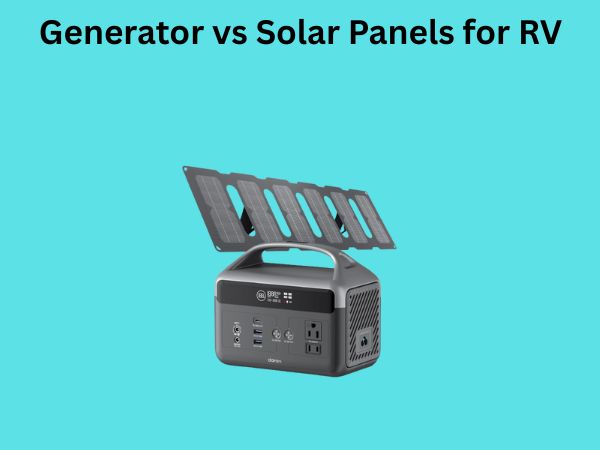
Generator vs Solar Panels for RV: Quiet Power vs Fuel Power Compared
When you’re living the RV life, one of the most critical decisions you’ll make is figuring out how to power your home on wheels. Should you go with a traditional generator that runs on fuel, or should you invest in solar panels that harness the sun’s energy? It’s like choosing between two completely different lifestyles, and each comes with its own set of advantages and trade-offs. Let me walk you through everything you need to know to make the right choice for your unique situation.
Understanding Your Power Needs First
Before we dive into the nitty-gritty of generators versus solar panels, you need to understand what you’re actually trying to power. Are you running a full-time RV that requires constant electricity for air conditioning, refrigeration, and multiple appliances? Or are you a weekend warrior who just needs to keep your lights on and charge your devices? Your power consumption directly influences which option makes the most sense for your lifestyle.
Think of it this way: powering an RV is similar to managing a household budget. You need to know your expenses before you can decide how much money to earn. In this case, your expenses are kilowatt-hours, and you need to figure out exactly how many you’re using daily.
What Is a Generator and How Does It Work?
A generator is essentially a portable power plant that converts fuel into electricity. When you pour gasoline, diesel, or propane into a generator, an internal combustion engine fires up and creates mechanical energy. This mechanical energy then drives an alternator, which produces electrical current that powers your RV’s appliances and systems.
The beauty of generators is their simplicity and reliability. They’ve been around for over a century, and the technology is well-proven. No matter where you are or what time of day it is, as long as you have fuel, you can generate power on demand.
Types of RV Generators
There are generally two main types of generators used in RVs:
- Portable Generators: These are standalone units that you can place outside your RV. They’re typically smaller and less powerful, ranging from 2,000 to 7,500 watts. They’re perfect if you want flexibility or don’t want to permanently mount equipment to your vehicle.
- Built-in Generators: Also called onboard generators, these are permanently installed in your RV during manufacturing or retrofit installation. They can range from 5,000 to 15,000 watts or more. They’re integrated into your RV’s systems and usually run on propane.
What Are Solar Panels and How Do They Generate Power?
Solar panels work on a completely different principle. They contain photovoltaic cells made from semiconductor materials, typically silicon. When sunlight hits these cells, it excites electrons and creates an electrical current. No combustion, no moving parts, no fuel consumption—just pure conversion of light energy into usable electricity.
The electricity generated by solar panels flows through an inverter, which converts the direct current (DC) into alternating current (AC) that your RV appliances can use. Any excess power gets stored in batteries for later use, allowing you to have electricity even after the sun sets.
Components of a Complete Solar System
A functional solar setup for your RV isn’t just about slapping some panels on your roof. Here’s what you actually need:
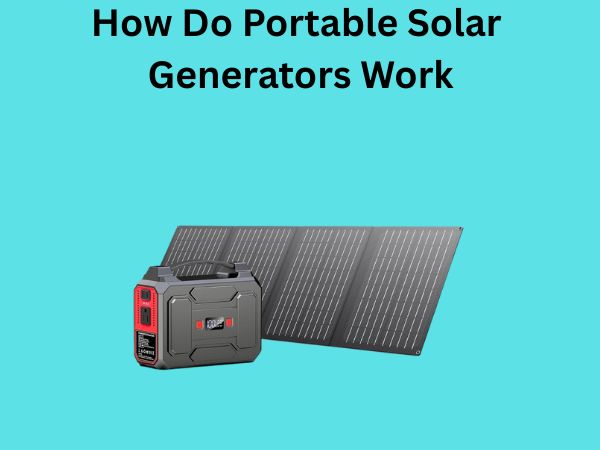
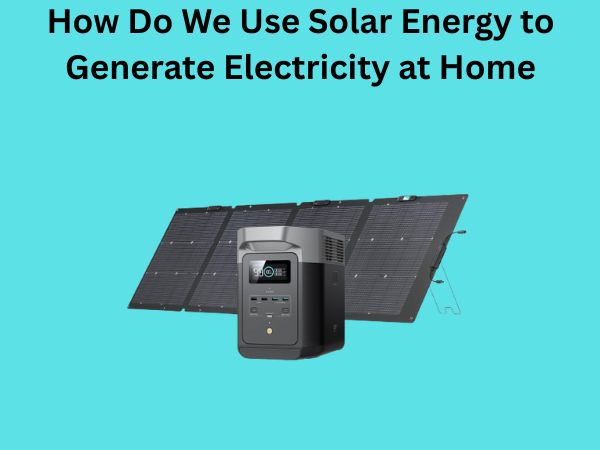
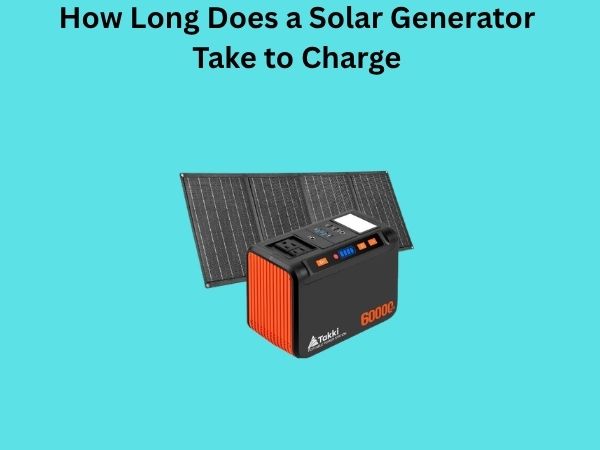
- Solar Panels: These do the work of capturing sunlight and converting it to electricity. Most RVers use between 400 to 800 watts of solar capacity.
- Charge Controller: This regulates the power flowing from your panels into your battery bank, preventing overcharging and damage.
- Battery Bank: This stores the energy your panels generate during the day so you can use it at night or on cloudy days. Lithium or AGM batteries are common choices.
- Inverter: This converts DC power from your batteries into AC power that your appliances need.
- Wiring and Breakers: These components safely distribute power throughout your system.
Cost Comparison: Initial Investment
Let’s talk about money because this is often the deciding factor for many RV owners. When you’re looking at upfront costs, generators are typically much cheaper initially. You can pick up a decent portable generator for anywhere between 500 to 2,000 dollars. A built-in onboard generator might run you 3,000 to 8,000 dollars if you’re installing it in an existing RV.
Solar panels, on the other hand, require a more substantial upfront investment. A complete solar system with panels, batteries, inverter, and installation can easily cost 5,000 to 15,000 dollars or more, depending on the size and quality of components. That’s a significant chunk of change that might make you gulp when you first hear it.
However—and this is important—you need to consider the full financial picture over time, not just the initial purchase price.
Ongoing Operating Costs
This is where the comparison gets really interesting. Generators require fuel, and fuel costs money. When you’re running a generator regularly, especially during hot summer months when you might be using air conditioning, your fuel consumption can be substantial. On average, RVers spend 200 to 500 dollars or more per month on fuel for generator operation, depending on usage patterns and current fuel prices.
Beyond fuel, generators also require maintenance. You’ll need regular oil changes, spark plug replacements, and periodic servicing to keep them running smoothly. These maintenance costs add up over time and can be expensive if something breaks down while you’re in a remote location.
Solar panels, conversely, have virtually no operating costs. Once they’re installed, the sun provides free energy indefinitely. You might spend a little money replacing an inverter after 10 or 15 years, but that’s about it. No fuel, no oil changes, no spark plugs to replace.
When you do the math over five years, solar panels often pay for themselves through fuel savings alone. Over a decade, they become significantly cheaper than generators.
Noise Levels: A Major Lifestyle Factor
If you’ve ever been camping near someone running a generator at full throttle, you know it’s not exactly a peaceful experience. Generators produce noise—typically anywhere from 60 to 100 decibels depending on the model and load. To put that in perspective, a normal conversation is about 60 decibels. A running generator is similar to standing next to a lawn mower or a busy highway.
This noise affects not just you, but your neighbors at a campground. Many campgrounds now have quiet hours or noise restrictions, and you might find yourself being asked to shut your generator down during certain times of day. Some premium campgrounds and quiet retreats might even prohibit generators altogether.
Solar panels make zero noise. They sit silently on your roof, generating electricity without making a sound. If you value peace and quiet—or if you want to be a considerate neighbor—this is a major advantage.
Environmental Impact and Emissions
Let’s be honest: generators burn fossil fuels and produce emissions. They release carbon dioxide and other pollutants into the atmosphere every time they run. If environmental responsibility matters to you, this is a significant downside to generator use.
Solar panels produce zero emissions during operation. They generate clean energy from the sun without contributing to air pollution or climate change. If you’re concerned about leaving a smaller environmental footprint, solar is clearly the winner here.
That said, manufacturing solar panels does have some environmental cost, but this is offset relatively quickly through years of clean operation. The net environmental benefit of solar panels is substantial compared to years of fossil fuel combustion.
Reliability and Weather Dependence
Generators are reliable in almost any circumstance. Rain, snow, clouds, night—it doesn’t matter. As long as you have fuel, your generator will produce power. This reliability makes them perfect for RVers who want a guarantee that they’ll have electricity whenever they need it.
Solar panels are weather-dependent. Cloudy days reduce their output significantly. Rainy periods can be problematic. And of course, they don’t work at night at all. However, most RV solar systems include battery storage, which means you can still have electricity during cloudy periods and nighttime—as long as your battery bank is adequately sized and you’ve managed your power consumption wisely.
Think of it like this: generators are like having a job that guarantees steady income, while solar with batteries is more like running your own business where income fluctuates with conditions but averages out nicely over time.
Performance in Different Climates
Geography and climate dramatically affect both systems. RVers in sunny southwestern states will get fantastic solar production year-round. Those in northern climates or regions with frequent clouds might struggle with solar during winter months. Conversely, generators perform equally well everywhere, though you might use more fuel in colder climates due to increased heating needs.
Space and Installation Requirements
Generators take up space but don’t have to be on your RV itself. You can mount a portable generator outside, which uses minimal RV real estate. Built-in generators take up engine bay space or undercarriage room, which could be valuable depending on your RV design.
Solar panels are mounted on your roof, which is otherwise unused space for most RV owners. This is incredibly efficient from a space perspective. The challenge is that your roof has limited square footage, which constrains how many panels you can install. If you need more power than your roof can accommodate, you’ve hit a ceiling with solar.
Some RVers solve this with portable solar panels that can be positioned outside to catch more sunlight, but that adds complexity and setup time.
Maintenance and Lifespan
Generators are mechanical devices with moving parts, which means they wear out eventually. The typical lifespan of an RV generator is around 10,000 to 15,000 hours of operation. Depending on how much you use it, that could be 10 to 20 years. During those years, you’ll need regular maintenance: oil changes, filter replacements, fuel system cleaning, and potentially major repairs.
Solar panels are remarkably durable. Most manufacturers warrant their panels for 25 years or more. The actual lifespan is often 30 to 40 years or beyond. They degrade very slowly—typically around 0.5 percent per year. An inverter might need replacement after 10 to 15 years, and batteries will need replacement every 5 to 10 years depending on type and usage.
The maintenance advantage clearly goes to solar. You’re not checking oil levels or taking your system to a mechanic for service.
Flexibility and Scalability
Once you buy a generator, its power capacity is fixed. If you need more power, you need a bigger generator or a second unit. There’s not much flexibility once you’ve made your purchase.
Solar systems are highly scalable. You can start with a modest setup and expand it over time. Add more panels next year, upgrade your battery bank the year after that. This makes solar perfect for RVers who want to ease into the technology or gradually increase their energy independence without a huge upfront commitment.
Which Should You Choose?
The honest answer is that it depends on your specific situation. Here’s how to think about it:
Choose a Generator If:
- You camp primarily at developed campgrounds with hookups where you don’t rely heavily on your onboard power system
- You need maximum power immediately and don’t want to invest heavily upfront
- You live in a climate with limited sunlight or frequent overcast conditions
- You run high-power appliances like air conditioning regularly
- You’re boondocking but also need the flexibility to quickly generate power as needed
Choose Solar Panels If:
- You’re planning to boondock frequently in sunny locations
- You want minimal noise and consider yourself environmentally conscious
- You’re comfortable with moderate energy management and have realistic expectations about power consumption
- You spend significant time in one location where generator noise would be problematic
- You want to minimize ongoing fuel costs over a 5 to 10 year period
The Hybrid Approach
Here’s a secret many experienced RVers know: you don’t have to choose just one. Many RVers use a hybrid approach with both solar panels and a generator. Solar handles your baseline power needs during the day, and the generator kicks in during cloudy weather or when you need extra power for high-demand appliances. This gives you the best of both worlds: reliability and fuel savings, quieter operation most of the time with a backup when you need it.
This hybrid approach requires more upfront investment but provides maximum flexibility and ensures you’ll never be without power regardless of weather or circumstances.
Real-World Scenarios
Let me paint a few pictures to help you visualize this:
Scenario One: Sarah is a digital nomad who works remotely and stays in different campgrounds for a few months at a time. She has solar panels and a small lithium battery bank. During sunny days, she works productively and has plenty of power. On rainy weeks, she either parks at a campground with hookups or runs her small backup generator sparingly. Her monthly fuel cost is under 50 dollars, and she loves the quiet experience of working with just the sound of birds and wind.
Scenario Two: Mike and his family enjoy spontaneous weekend trips to various campgrounds, many with full hookups. They have a portable generator and rarely camp off-grid. Their generator uses minimal fuel because they’re usually plugged in. They save money by not investing in solar, which they wouldn’t fully utilize given their camping patterns.
Scenario Three: The Johnson family loves extended boondocking in the Arizona desert. They installed a 1,200-watt solar system with lithium batteries and a 5,000-watt hybrid generator. The solar handles 95 percent of their power needs, but they have the generator available for high-demand days or when they run the air conditioning. They’ve eliminated their fuel costs by about 80 percent compared to generator-only operation.
Conclusion
Choosing between a generator and solar panels for your RV is a significant decision that affects your camping experience, budget, and lifestyle. Generators offer reliable, immediate power without weather concerns, making them ideal for certain RVing styles. Solar panels provide quiet, economical, environmentally-friendly power that improves with time as fuel costs accumulate and are recouped.
There’s no universally correct answer—only the right answer for your specific situation. Consider your camping patterns, budget, environmental values, and power needs. Many experienced RVers find that combining both systems creates the most satisfying experience. Whatever you choose, you’re making a smart investment in your RV lifestyle. The important thing is that you now have the knowledge to make an informed decision that you’ll be happy with for years to come.
Frequently Asked Questions
How much does it cost to run an RV generator monthly?
Monthly costs vary significantly based on usage, fuel prices, and whether you’re running air conditioning. Most RVers report spending between 200 to 500 dollars per month on generator fuel, with some paying even more during peak summer months. This assumes regular use; occasional users might spend substantially less. The expense increases in remote areas where fuel prices are higher.
Can solar panels work on cloudy days?
Yes, solar panels continue generating electricity on cloudy days, though at reduced capacity—typically 10 to 25 percent of their sunny-day output depending on cloud density. This is why battery storage is important for RV solar systems; it allows you to store excess power from sunny days for use during cloudy periods. However, if you’re experiencing several consecutive days of heavy cloud cover, you might need to supplement with a generator or reduce power consumption.