
Automatic vs Manual Transfer Switch: Key Differences
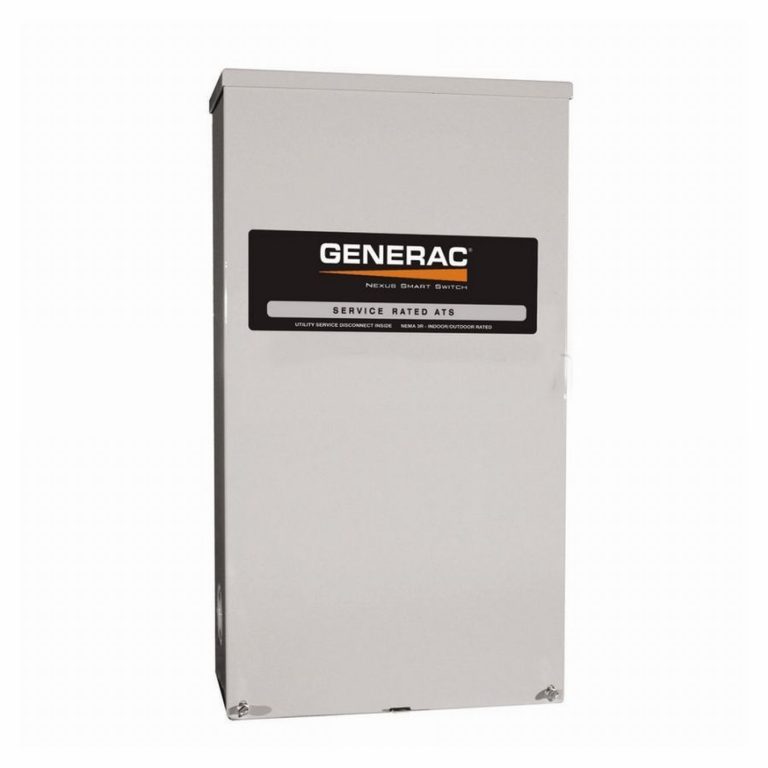
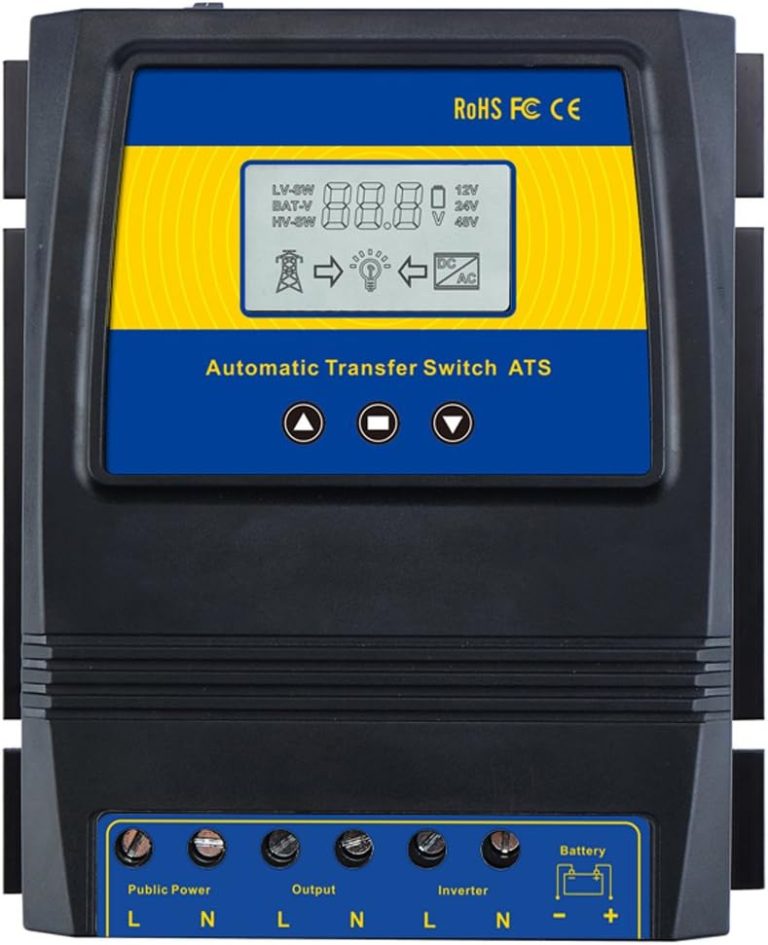
An automatic transfer switch (ATS) is the better choice for most homes because it starts your backup generator instantly during a power outage, with no action needed from you. A manual transfer switch requires you to walk to the unit and flip it yourself. If you want power without lifting a finger, the automatic option wins every time.
We found that your choice really comes down to two things: your budget and how much convenience you need. A manual switch costs less and is simpler to install, but it leaves you in the dark until you act. An automatic switch costs more but gives you that seamless power transition even when you’re asleep or away from home. Both keep your family safe, but they handle the job very differently.
- Automatic switches detect outages and start your generator on their own.
- Manual switches require you to flip a lever and start the generator yourself.
- Automatic models cost roughly twice as much as manual ones upfront.
- Manual switches are easier to install and work with any generator size.
- Your final pick depends on your budget, your physical mobility, and how often storms hit your area.
Below, we break down exactly how each switch works, what they cost, and which one fits your specific situation. Let’s walk through the details so you can make the right call before the next storm rolls in.
Automatic vs. Manual Transfer Switches: The Core Differences
When the power goes out, your transfer switch decides how fast your lights come back on. We found that the biggest difference between the two types is simple: one acts for you, and the other waits for you.
An automatic transfer switch (ATS) senses the outage, tells your generator to start, and moves your home over to backup power. This whole process takes about 10 to 15 seconds. You might miss a blink of the lights. That is it.
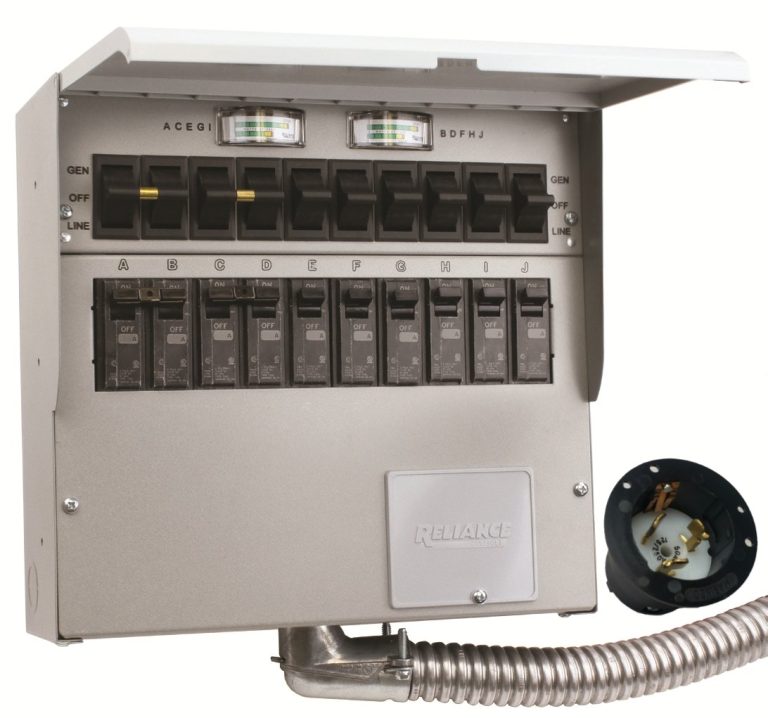
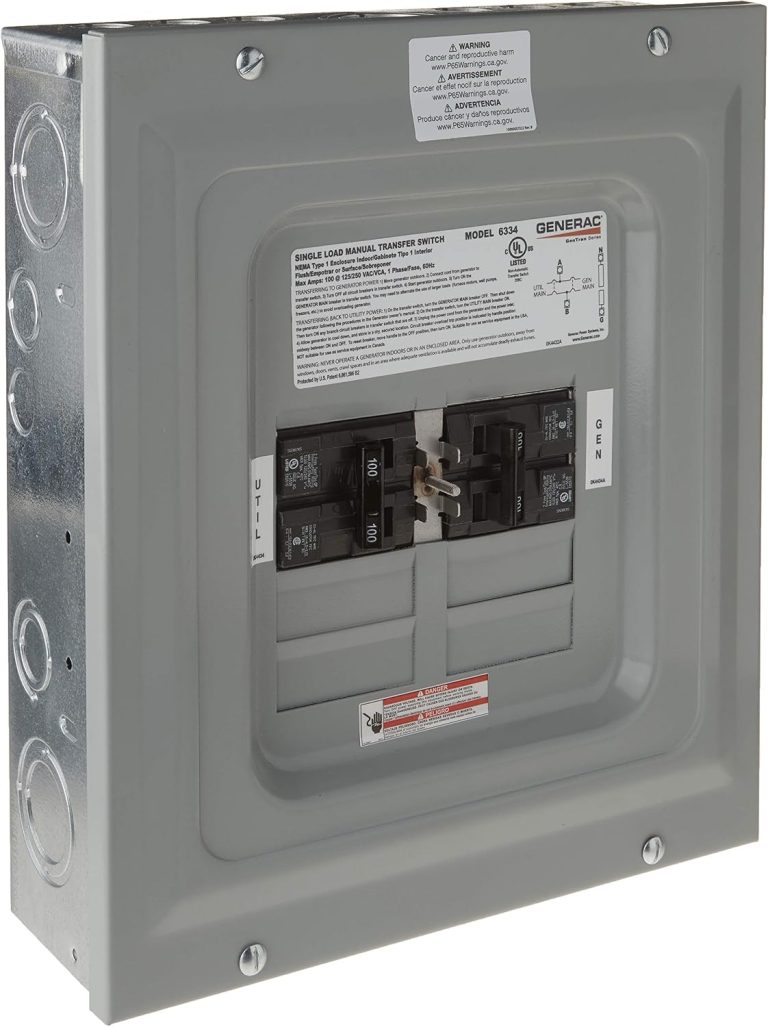
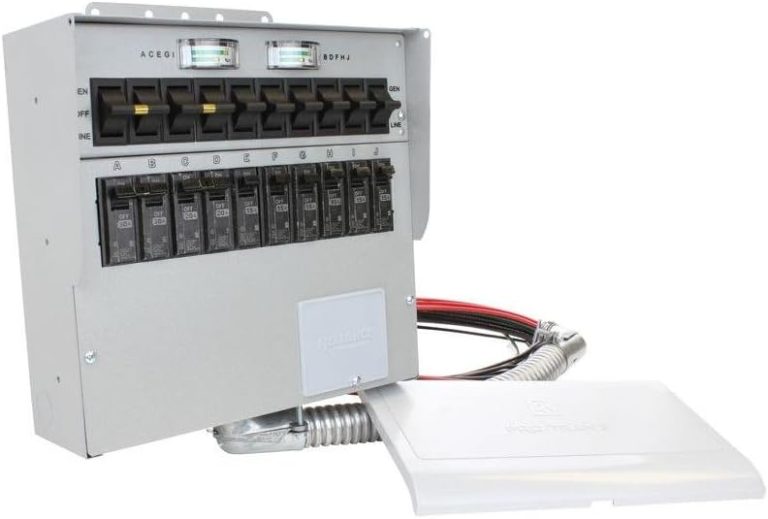
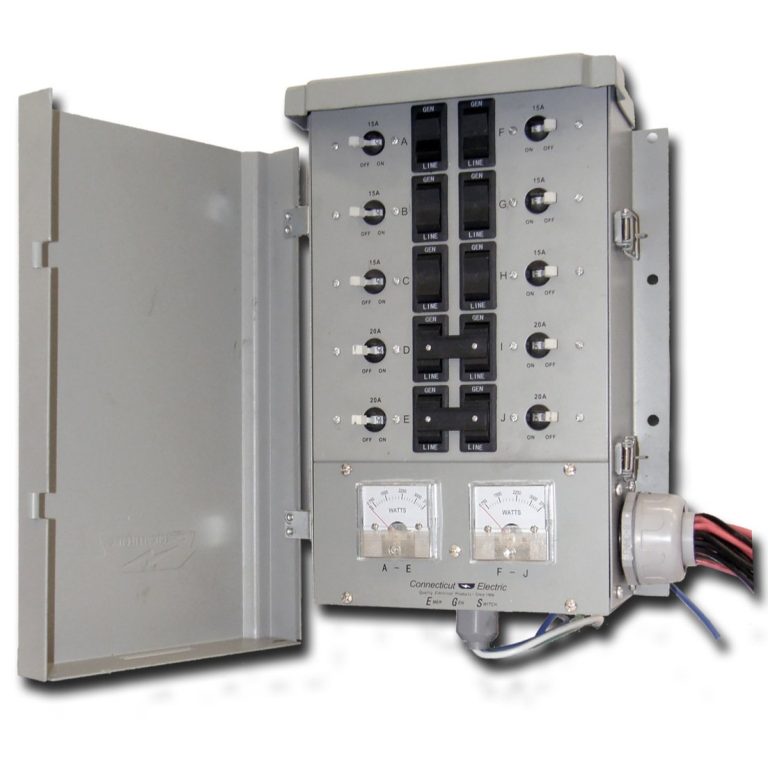
A manual transfer switch puts you in charge. You have to walk outside, start the generator, and flip the switch. If you are not home, your fridge stays warm and your sump pump stays quiet until you get back.
How an Automatic Transfer Switch Works
The ATS is always watching your utility power. It monitors the voltage coming into your home. When that voltage drops below a safe level, the switch sends a start signal to your generator.
Once the generator is running and stable, the ATS transfers your home’s electrical load from the grid to the generator. When utility power returns, the ATS waits a few minutes to make sure it is steady. Then it switches you back to the grid and shuts the generator down.
This all happens without you touching anything. That is the real value of an ATS. We found that homeowners who travel frequently or work long hours feel the most peace of mind with this setup.
How a Manual Transfer Switch Works
Manual switches are simpler machines. They are basically a big lever and a breaker panel. When the power goes out, you do the thinking and the work.
You have to go to your generator, start it, and let it warm up. Then you walk to your transfer switch and flip the main power breaker to “Generator.” You pick which circuits you want to power and flip those breakers on.
It takes a few minutes and requires you to be physically present. But many people actually prefer this hands-on approach. It gives you total control over what gets power and when.
Comparing the Cost of Each Transfer Switch Type
Your budget plays a huge role in this decision. We found that the price gap between the two options is significant, and it affects more than just the purchase price.
Here is what you can expect to pay for the equipment alone:
- Manual transfer switch: $200 to $500 for the unit itself
- Automatic transfer switch: $400 to $1,200 depending on your panel size
But the equipment is only half the story. Installation costs differ too. An ATS needs a licensed electrician and often a separate control panel. Manual switches are easier to wire, so labor costs run lower.
Total Installed Cost Comparison
When you add up parts and labor, the gap widens. A manual switch installation typically lands between $500 and $900 total. An automatic setup usually runs $1,200 to $2,500 or more.
That is a real difference. For some families, that extra money is a dealbreaker. For others, it is a small price for the convenience and safety they get in return.
Think about it this way: the ATS is paying for itself every time you are not home when the power fails.
Convenience and Safety: Which Switch Wins?
Let us be honest here. Convenience is the main reason people choose an automatic switch. It is like having a co-pilot for your home’s electrical system.
But safety is a close second. Here is what the research shows:
Many experts say that a transfer switch is the only safe way to connect a generator to your home (Consumer Product Safety Commission). Without one, you risk backfeeding electricity into the grid. That can hurt utility workers and damage your generator.
Safety Features of Automatic Switches
An ATS has built-in protections that a manual switch simply does not have. It constantly monitors power quality. It will not switch you over to generator power unless the voltage and frequency are stable.
That matters because unstable power can damage your appliances. Your HVAC system, refrigerator, and medical devices are sensitive to power fluctuations. The ATS protects them from dirty power.
Manual Switch Safety Considerations
Manual switches are safe too, as long as you follow the right sequence. The lever mechanically prevents you from connecting to both power sources at once. That is a critical safety feature.
However, you are the one managing the timing. If you switch over too early, while the generator is still warming up, you can send uneven power to your home. That can cause issues with sensitive electronics.
Reliability in Different Outage Scenarios
Think about the last big storm that hit your area. Were you home? Were you sleeping? Were you out of town?
Your answer to that question tells you which switch you really need. We found that reliability is not about the equipment failing. Both types of switches are dependable. The difference is in how they perform when you are not there to act.
When the Outage Happens at Night
With an ATS, you stay asleep. The generator fires up, your sump pump keeps running, and your furnace fan keeps spinning. You wake up and wonder if the power even went out.
With a manual switch, you are awake. You are pulling on boots and grabbing a flashlight. You are heading outside in the rain or snow to get the generator going. Some people do not mind this. Others really hate it.
When You Are Away From Home
This is where the automatic switch becomes a hero. A frozen pipe can cause tens of thousands of dollars in damage. A flooded basement from a failed sump pump is just as bad.
An ATS keeps your home protected when you are at work, on vacation, or visiting family. A manual switch leaves your home vulnerable until you physically return. For seasonal residents or frequent travelers, this is the deciding factor.
Generator Compatibility: What Works With Your Setup
Your generator size and type play a big role in which switch you can use. This is a practical consideration that many people overlook.
Manual transfer switches work with portable generators of almost any size. As long as you match the wattage, you are good to go. This flexibility is a big reason people choose manual switches for camping or job site use.
Automatic transfer switches are more demanding. They work best with permanently installed standby generators. These generators are wired directly into your home and run on natural gas or propane.
Can You Use an ATS with a Portable Generator?
Yes, but with some caveats. You need a portable generator with an electric starter. You also need a way to trigger that starter from the ATS. Many modern portable generators support this, but older ones do not.
We found that this hybrid setup is becoming more popular. It gives you the automation of an ATS with the lower cost of a portable generator. Just check your generator’s manual for remote start capability before you buy an ATS.
Installation Complexity and Requirements
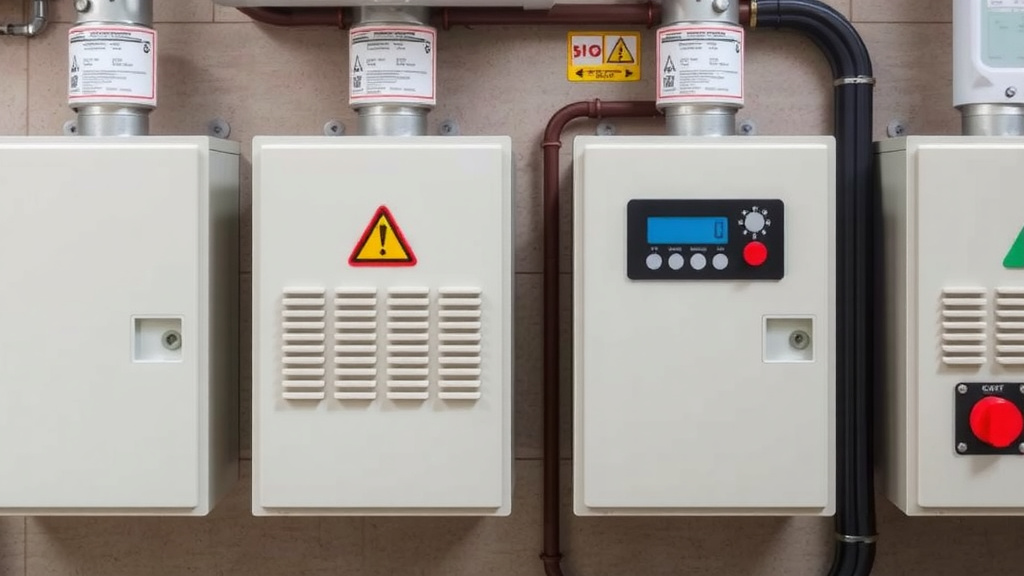
Unless you are a licensed electrician, you should not install either switch yourself. This is not a weekend DIY project. The risk of electrical shock or fire is simply too high.
We found that installation time differs significantly between the two. A manual switch usually takes an electrician 3 to 4 hours to install. An ATS can take a full day or more, especially if it needs a separate control panel and conduit.
You will also need a permit in most jurisdictions. Your electrician will handle this, but you should know it is part of the process. The inspection ensures your setup meets local electrical codes.
Maintenance and Long-Term Costs
Both switches require very little maintenance. They are mechanical devices that either work or they do not. But there are some differences in what you should expect.
Manual switches have a simple lever mechanism. It might need a squirt of lubricant once a year to keep moving smoothly. That is about it.
Automatic switches have more moving parts and electronics. They benefit from an annual inspection. The control board and relays should be checked for wear. Many experts say this is worth the $100 to $150 service call to prevent bigger problems later.
Exercise Cycles and Generator Health
Here is a small but important benefit of an ATS. Many automatic switches run your generator weekly for about 15 minutes. This is called an exercise cycle.
It keeps the engine lubricated and the battery charged. It also ensures the generator actually starts when you need it. Manual switch owners have to remember to do this themselves, and most people simply forget.
Choosing the Right Switch for Your Home
So which one should you buy? We found that your answer depends on three personal factors: your budget, your schedule, and your physical ability.
Ask yourself these questions:
- How often does your area lose power?
- Are you usually home when outages happen?
- Do you have medical devices that need continuous power?
- Can you safely go outside to start a generator in bad weather?
- Is your family comfortable following the manual startup sequence?
Choose an Automatic Switch If…
You travel for work or vacation often. You have a sump pump in a basement. You want power during the night without being disturbed. You have the budget for a standby generator system.
An ATS is also the right choice if anyone in your home uses life-sustaining medical equipment. The continuous power it provides is not just convenient. It can be life-saving.
Choose a Manual Switch If…
You are on a tight budget. You have a portable generator that you use for camping and tailgating. You enjoy the hands-on process of firing up the generator. You are almost always home when storms hit.
Manual switches are also great for smaller homes or cabins. If you only need to power a few circuits, there is no reason to pay for the automation of an ATS.
Quick Checklist Before You Buy
Before you make your final decision, run through this quick checklist. It will help you avoid costly mistakes and pick the right switch the first time.
- ☐ Measure your generator’s wattage output and compare it to your essential circuits.
- ☐ Decide which circuits are must-haves: fridge, furnace, sump pump, lights, internet.
- ☐ Check if your generator has an electric starter for ATS compatibility.
- ☐ Get at least two quotes from licensed electricians in your area.
- ☐ Check your local building codes for permit requirements.
- ☐ Think about your future needs — will you add solar or a bigger generator later?
Taking these steps now saves you headaches later. We found that homeowners who plan ahead are happiest with their choice, whether they go automatic or manual.
| Feature | Manual Switch | Automatic Switch |
|---|---|---|
| Cost (installed) | $500 – $900 | $1,200 – $2,500+ |
| Startup Time | 3–5 minutes of your time | 10–15 seconds, hands-free |
| Works with Portable Generators | Yes, almost all sizes | Only with remote start capability |
| Works While You Are Away | No | Yes |
| Installation Time | 3–4 hours | Full day, often more |
| Maintenance Needs | Very low | Annual inspection recommended |
You now have the full picture. Both switches keep you safe and get your power back on. The real question is whether you want to be the one who makes it happen, or whether you want your home to handle it for you. There is no wrong answer. There is only the right answer for your home, your budget, and your lifestyle.
Conclusion
You now have the full picture. Both switches keep you safe and get your power back on. The real question is whether you want to be the one who makes it happen, or whether you want your home to handle it for you. There is no wrong answer. There is only the right answer for your home, your budget, and your lifestyle.
If you travel often, want hands-free operation, or need to protect a basement sump pump, the automatic transfer switch is worth the extra cost. If you are usually home during storms and want to save money, a manual switch gets the job done. We found that homeowners who match their choice to their actual habits are happiest with their decision.
Your next step is simple. Get at least two quotes from licensed electricians in your area. Tell them about your generator and your power needs. They will help you confirm which switch fits your setup. Do this before the next storm warning, and you will be ready when the lights go out.
Frequently Asked Questions
Can I install a transfer switch myself to save money?
We do not recommend it. This is not a DIY project. You are working with live electrical panels and generator power. A licensed electrician understands local codes and safety requirements. The cost of professional installation is worth protecting your home and your family.
Will a transfer switch work with solar panels?
Yes, but you need to plan carefully. Your transfer switch needs to work with your solar inverter and battery system. Some setups require a special type of switch. Talk to your electrician about your solar configuration before you buy anything.
How long does a transfer switch last?
Both manual and automatic switches are built to last for decades. Most units have a life expectancy of 20 to 30 years. The moving parts in an automatic switch may need service over time. But the switch itself is not usually the first component to fail in a generator system.
Do I need a transfer switch if I only run extension cords?
You can use extension cords without a transfer switch. But we found that this is not the safest approach. Extension cords limit how much of your home you can power. They also create trip hazards and can overload circuits. A transfer switch gives you a safer, more permanent connection.
Can a transfer switch damage my generator?
No, a properly installed transfer switch protects your generator. It prevents backfeeding and keeps your generator from overloading. The switch also ensures your generator connects to your home at the right time. This protects your appliances and your generator from damage.