Can I Install a Generator Transfer Switch Myself?
Yes, you can install a generator transfer switch yourself, but only if you are comfortable working inside your main electrical panel. The biggest factor is whether you choose a manual or automatic transfer switch. We found that a manual transfer switch is a safe and legal DIY project for many homeowners, while an automatic one almost always requires a licensed electrician.
Installing a transfer switch involves connecting it to your home’s breaker box. This is serious work that deals with high voltage. Your local building codes and your utility company’s rules will also play a big part in what you are allowed to do. It is not just about plugging in a cord; it is about keeping you and the lineworkers safe.
TL;DR — Key takeaways:
- Yes, a manual transfer switch is a realistic DIY project for a careful homeowner.
- You must turn off the main breaker before you start to avoid lethal shock.
- Most local codes require a permit and an inspection for this type of work.
- An automatic transfer switch is far more complex and is best left to a professional.
- Getting it wrong can cause backfeeding, which is dangerous for utility workers.
Below, we break down exactly what the installation process involves, the tools you will need, and the safety rules you absolutely cannot skip. Let’s walk through this step by step so you can decide if this is a job for you or a call to a pro.
Is a DIY Transfer Switch Installation Realistic for You?
You can absolutely do this yourself. We found that a manual transfer switch installation is one of the most rewarding electrical projects for a confident homeowner. It saves you hundreds of dollars in labor costs. But it demands respect for the power inside your panel.
Before you buy anything, you need a clear picture of your own skill level. Are you the type who watches a video twice and then just does it? Or do you feel a knot in your stomach when you see exposed wires? Be honest with yourself here. That honesty could prevent a serious accident.
Understanding the Two Main Types of Switches
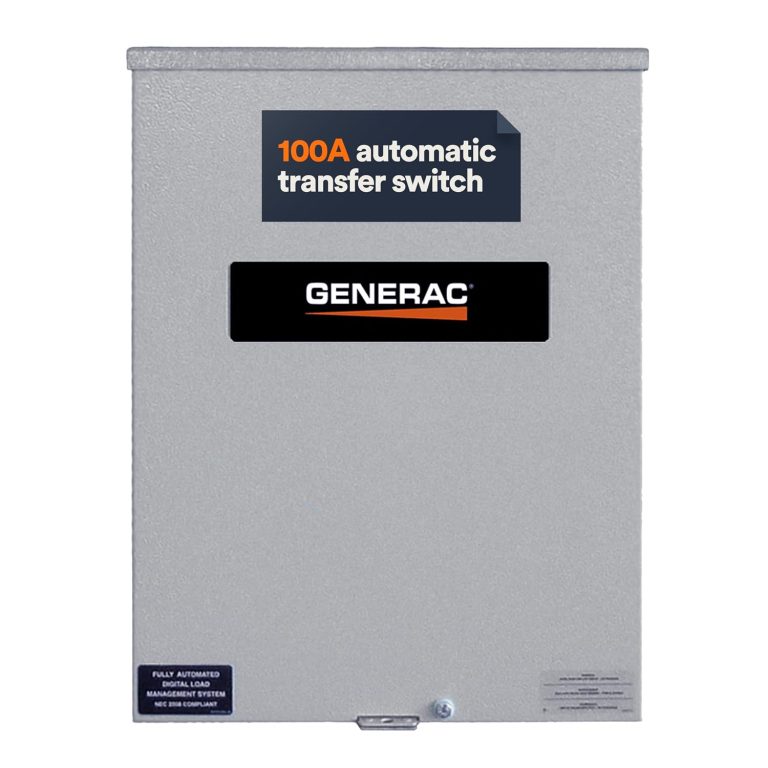
Your choice comes down to how much you want the generator to do automatically. The manual switch is simple. You flip it when the power goes out. The automatic switch senses the outage and starts the generator all by itself. That convenience comes with a much higher price tag and complexity.
We found that manual switches are the sweet spot for DIYers. They cost less, use simpler wiring, and give you total control. Automatic switches involve a separate control panel, a battery charger, and complex logic circuits that talk to your generator. That is a different beast entirely.
Why Automatic Switches Are a Different Story
Automatic transfer switches (ATS) do more than just switch power. They monitor voltage and frequency constantly. They also need to communicate with your generator to start and stop it. This requires low-voltage wiring that must be routed through your house. Many experts say that an ATS installation is a job for a licensed electrician. The risk of a logic error is too high for a novice.
Reading Your Local Rules and Building Codes
Your local building department has the final say on this project. We found that most jurisdictions require a permit for any work inside your main breaker panel. This is not about being difficult. It is about ensuring your work meets the National Electrical Code (NEC). The NEC exists to keep you and your family safe.
Call your local building office before you start. Ask them directly if a homeowner can pull a permit for this work. Many places allow it. Some cities require a licensed electrician to do the actual wiring. It is a five-minute phone call that saves you from a failed inspection later.
The Permit and Inspection Process
Pulling a permit is usually cheap. It might cost you thirty to fifty dollars. The inspector will come out after you finish to check your work. They look for proper grounding, secure connections, and correct wire sizes. Passing the inspection gives you peace of mind that your family is safe.
We found that skipping the permit is a bad idea. If you have a fire and the insurance company finds out you did unpermitted electrical work, they might deny your claim. That is a risk no one should take. The inspection is your safety net.
What You Need to Know About Backfeeding
Backfeeding is the most dangerous mistake you can make. It happens when you plug a generator directly into a wall outlet. The power travels backward through your house wiring and out to the utility lines. This can electrocute a lineworker who is trying to restore your power. It is a deadly mistake.
A transfer switch prevents this completely. It physically breaks the connection between your house and the grid. That is the whole point of the device. You are not just protecting your appliances; you are protecting the people who keep the lights on for everyone else.
How the Switch Keeps Everyone Safe
Think of the transfer switch like a railroad track switch. It routes the power in one direction only. When you are on generator power, the switch blocks the utility feed. When you are on utility power, it blocks the generator feed. There is never a moment when both sources are connected. This is a mechanical interlock that cannot fail.
The Tools and Materials You Will Need
You do not need a toolbox full of specialized gear. We found that most homeowners already have the basics. The key is having the right wire connectors and a torque screwdriver. A torque screwdriver ensures you tighten the connections to the exact specification. Loose connections cause heat and fires.
Your transfer switch kit will include the switch box and the breaker. You will also need a heavy-duty extension cord rated for your generator’s wattage. Make sure the cord is long enough to reach from the generator to the switch without stretching.
| Essential Tool | Why You Need It |
|---|---|
| Torque Screwdriver | Prevents loose connections that cause arcing and heat |
| Wire Strippers | Cleanly removes insulation without nicking the copper |
| Voltage Tester | Confirms the panel is dead before you touch anything |
| Flashlight | Your panel is often in a dark basement or garage |
| Safety Glasses | Protects your eyes from debris and accidental sparks |
Step-by-Step: How the Installation Actually Works
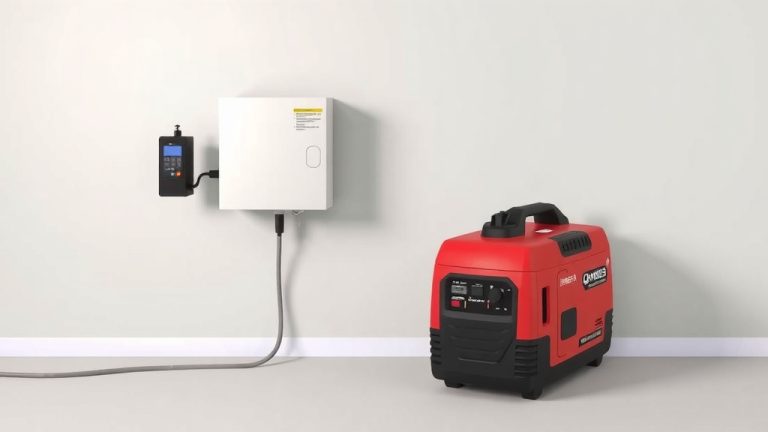
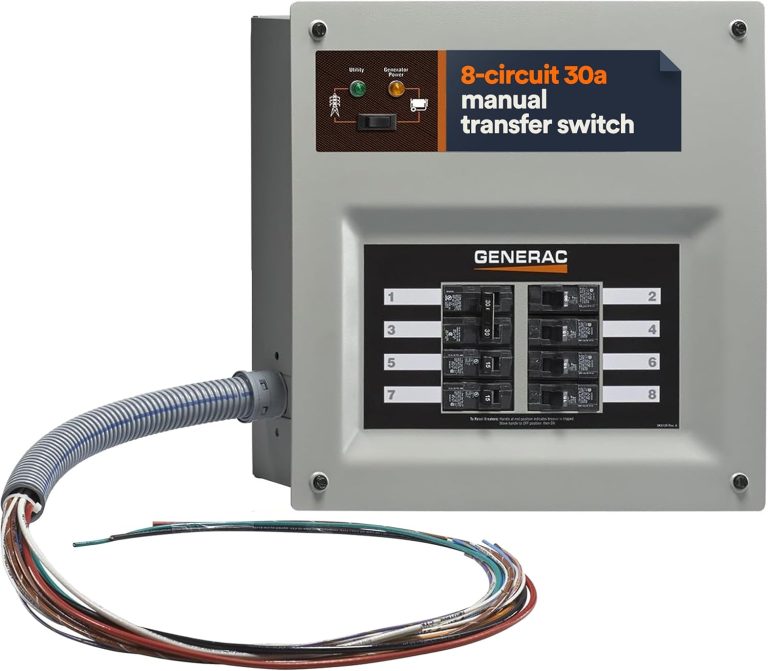
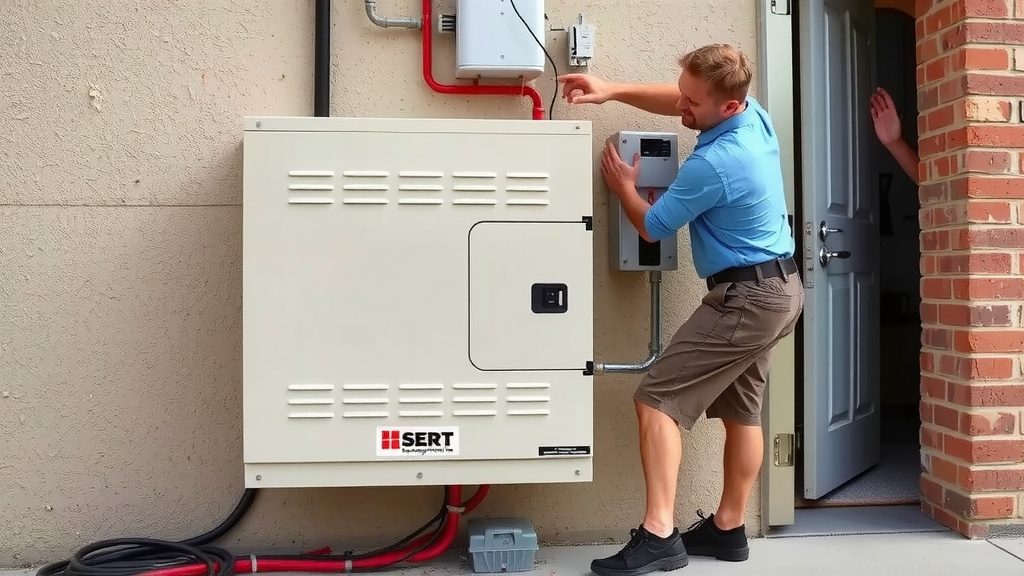
The process is straightforward but requires patience. First, you turn off the main breaker. Then you remove the panel cover. You will mount the transfer switch next to the panel. The wiring connects specific circuits in your panel to the switch. It is like adding a small sub-panel for your essential circuits.
You will choose which circuits to power. Most people pick the refrigerator, furnace, well pump, and a few lights. You do not need to power the whole house. A portable generator cannot handle that load anyway. Pick the essentials that keep life comfortable during an outage.
Wiring the Chosen Circuits
Each circuit you choose gets moved from your main breaker to the transfer switch. You will run a short wire from the switch to a new breaker in your panel. This is meticulous work. You must match the wire gauge to the breaker size. A 15-amp circuit uses 14-gauge wire. A 20-amp circuit uses 12-gauge wire.
We found that labeling everything as you go is a lifesaver. Use a marker to write which breaker goes to which switch position. It makes the inspection easier and future troubleshooting much simpler. Do not rely on memory.
Grounding and Bonding Rules
The ground wire is your safety net. It gives stray electricity a path to the earth. Your transfer switch must connect to the same grounding system as your main panel. Many experts say that a proper ground connection is more important than any other wire in the system. Double-check this before you power up.
A Safety Checklist Before You Turn It On
You have finished the wiring. Now you need to verify everything before you flip that main breaker back on. This is the moment where a slow, methodical review pays off. Rushing here is how mistakes happen.
- Verify the power is off with a voltage tester on every wire you touched.
- Check every connection for tightness with your torque screwdriver.
- Confirm the interlock mechanism works smoothly and cannot be bypassed.
- Review your work against the diagram that came with the switch.
- Call for the inspection before you connect the generator.
- Test the system after the inspector approves it.
When You Should Definitely Hire an Electrician
There is no shame in calling a pro. In fact, it is the smartest decision in some cases. If your panel is old and has no room for additional breakers, you might need a sub-panel. That adds significant complexity. If your panel uses aluminum wiring, that is a different skill set entirely.
We found that some people are just not comfortable working around high voltage. That is a perfectly valid reason to hire someone. The cost of a professional installation typically runs between three hundred and eight hundred dollars. That is a small price for peace of mind.
Signs Your Panel Is Not DIY-Friendly
Look for signs of previous amateur work. Burnt marks, melted insulation, or double-tapped breakers are red flags. If you see any of these, stop. You have a pre-existing problem that needs professional attention. Fixing that first is the priority before you add anything new.
Your comfort level is the ultimate deciding factor. Many guidelines point to hiring a professional if you feel any hesitation about working inside a live panel (NEC guidelines). The panel is not a place for guesswork. One wrong move can be fatal.
Conclusion
You can absolutely install a generator transfer switch yourself. The key is sticking with a manual transfer switch and being brutally honest about your comfort level around electrical panels. The project rewards careful planning, patience, and a strict commitment to safety protocols.
We found that the process comes down to three things. First, you need to check your local codes and pull the proper permit. Second, you must be meticulous with your wire connections and torque specs. Third, you have to respect the power in that panel and never rush the job.
Your next step is simple. Call your local building office tomorrow morning. Ask if homeowners can pull a permit for this work in your area. That one phone call tells you everything you need to know about whether this project is yours to tackle or a job for a licensed pro.
Frequently Asked Questions
How much money will I save by installing a transfer switch myself?
You will typically save between $200 and $500 in labor costs. A professional installation runs $300 to $800 total, while the switch kit itself costs around $150 to $300. That leaves you with significant savings if you do the work yourself. Just remember to factor in the permit fee, which usually runs $30 to $50.
Can I install a transfer switch without pulling a permit?
You can, but you absolutely should not. An unpermitted installation voids your safety net. If something goes wrong and causes damage, your homeowners insurance can deny the claim. The inspection is not a hassle; it is a free safety check from a trained professional.
What size generator transfer switch do I need for my house?
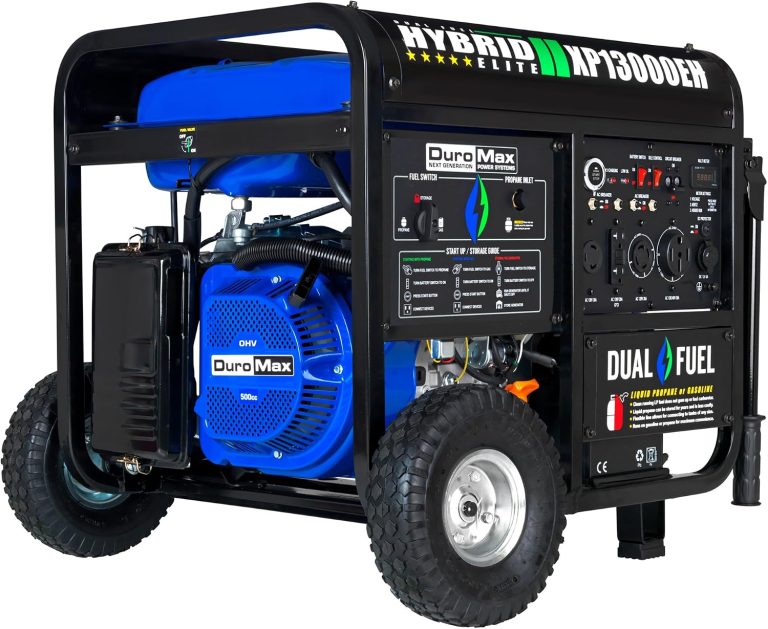
You need to match the switch to your generator’s wattage. A 5,000 to 7,500-watt portable generator pairs well with a 30-amp transfer switch. If you have a larger generator, look at a 50-amp switch. We found that most homes do just fine with a 30-amp unit powering the essentials.
Can I add more circuits to my transfer switch later?
Yes, but only if you have open slots in the switch. A standard transfer switch has a set number of circuits, like 6, 8, or 10. If you want to add more later, you must buy a larger switch upfront or install a second one. Plan ahead and choose a switch with a few spare slots.
What happens if I connect the generator before turning off the main breaker?
You risk creating a dangerous backfeed situation. The generator power will travel out to the utility lines and can electrocute a lineworker. Your transfer switch has a mechanical interlock that prevents this. That is why you must always use the switch and never plug a generator directly into a wall outlet.