Generac Generator Safety: Transfer Switch Guide
Yes, a Generac generator transfer switch is essential for safely powering your home during an outage. It prevents dangerous backfeeding, which can electrocute utility workers and damage your generator. You should never connect a portable generator to your home’s wiring without one.
We found that using a transfer switch is the only code-compliant and safe way to connect your generator to your household circuits. It acts as a traffic cop, safely switching your power source between the utility grid and your generator. This protects your appliances, your home, and the people working on the power lines outside.
- Safety first: A transfer switch stops deadly backfeeding that can harm you and lineworkers.
- Legal requirement: Most building codes require a transfer switch for any generator hookup.
- Two main types: You can choose between a manual switch or an automatic one that kicks in when the power goes out.
- Protects your gear: It prevents power surges that can fry your electronics and your generator.
- Easy to use: With a manual switch, you just flip a few breakers to get your lights and fridge running again.
Below, we break down everything you need to know about choosing, installing, and using a Generac generator transfer switch. Let’s walk through the process step by step so you can feel confident and prepared for the next blackout.
Understanding the Core Purpose of a Generator Transfer Switch
Think of a transfer switch as the gatekeeper between your generator and your home’s electrical panel. Without it, you are taking a serious risk every time you fire up your portable generator during an outage. We found that this small device is the single most important safety component you can buy for your backup power setup.
Your home’s wiring is connected to the utility grid. When the power goes out, that line is still there. If you plug a generator directly into a wall outlet, you send electricity backward through that line. This is called backfeeding, and it is extremely dangerous. You could electrocute a lineworker fixing the grid miles away from your house.
How Backfeeding Puts Everyone at Risk
We found that backfeeding is the number one cause of generator-related fatalities. It turns your generator into a mini power plant that energizes a dead utility line. Many experts say that a simple mistake like this can have fatal consequences for utility workers (Occupational Safety and Health Administration).
It also damages your own equipment. Without a transfer switch, your generator can overload and fry its internal components. You might think you are saving money by skipping the switch, but you are risking thousands of dollars in damage to your appliances and your generator.
Why Your Appliances Hate Direct Hookups
When the power comes back on while your generator is still connected, you get a surge. This surge can destroy your refrigerator’s compressor or your television’s circuit board. The transfer switch prevents this by isolating your generator from the grid completely. It creates a safe barrier that protects your gear and your family.
We always tell homeowners to think of it like a door. The door is either open to the grid or open to the generator. It is never open to both at the same time. This simple logic keeps everyone safe and sound.
Choosing Between Manual and Automatic Transfer Switches
You have two main choices when it comes to hooking up your generator. We found that your lifestyle and budget usually dictate which one is right for you. Let’s break down the differences so you can make a smart call.
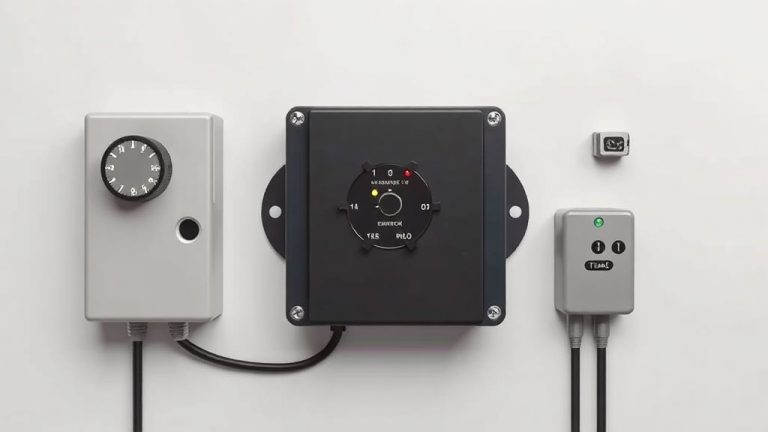
A manual transfer switch requires you to walk over and flip a few breakers. An automatic transfer switch does everything for you when the power drops. Both are safe, but they serve very different needs.
Manual Transfer Switches: Simple and Cost-Effective
We found that manual switches are the most popular choice for portable generator owners. They are easy to install and much cheaper than their automatic counterparts. You just start your generator, let it warm up, and then flip the main switch to “Generator.”
You will then select which circuits you want to power. Most manual switches let you choose between 6, 10, or 16 circuits. This gives you total control over where your power goes.
What Can You Run on a Manual Switch?
You can run your fridge, lights, and a few outlets. You cannot run your central air conditioner on a small manual switch. That is perfectly fine for most emergencies. You are looking at comfort, not luxury, during a blackout.
We found that homeowners appreciate the simplicity. There are no motors or sensors to fail. It is just a heavy-duty mechanical switch that does its job every single time.
Automatic Transfer Switches: Set It and Forget It
If you have a standby generator that runs on natural gas or propane, you need an automatic transfer switch. This device monitors your utility power constantly. The moment it senses an outage, it signals your generator to start. Within seconds, your home switches over to generator power without you lifting a finger.
This is a huge benefit if you travel often or if someone in your home relies on medical equipment. It is also great for keeping your sump pump running during a heavy storm. We found that this type of switch adds significant convenience and peace of mind.
Essential Safety Features to Look For
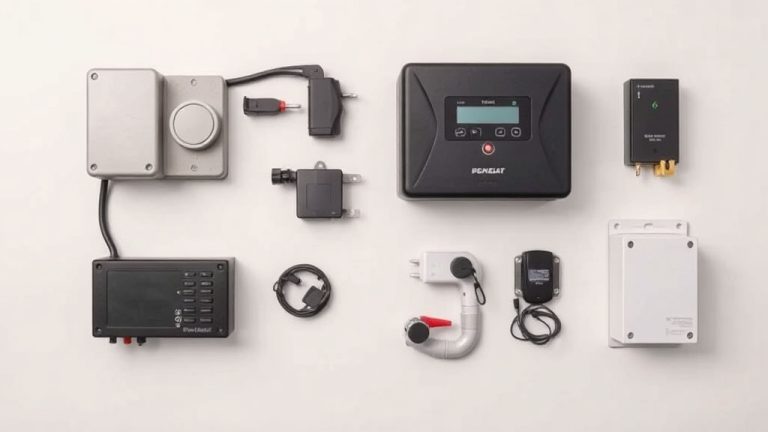
Not all transfer switches are created equal. We found that certain features are non-negotiable for safety and longevity. Before you buy, make sure the switch you choose includes these key components.
A good switch will have overload protection. This stops your generator from being pushed too hard. It will also have a clear, visible indicator so you know which power source is active at all times.
- Voltage monitoring: Prevents damage if the generator output is unstable.
- Double-throw design: Physically makes it impossible to connect both power sources.
- Weather-resistant casing: Essential for outdoor installation.
- Clear labeling: Makes it easy for you to identify circuits.
- Service disconnect: Allows an electrician to work on your panel safely.
Why Double-Throw Design Matters Most
We found that the double-throw mechanism is what makes a switch safe. It is a mechanical interlock that ensures the generator and the grid can never be connected at the same time. You physically cannot create a path for backfeeding.
Many experts say that this mechanical barrier is more reliable than any electronic sensor. It is a simple, foolproof design that has been used in industrial settings for decades. You want that same rugged reliability in your home.
Step-by-Step Guide to Using Your Manual Transfer Switch
Once your switch is installed by a licensed electrician, using it is surprisingly easy. We found that most people master it in under five minutes. Here is the exact process you will follow when the lights go out.
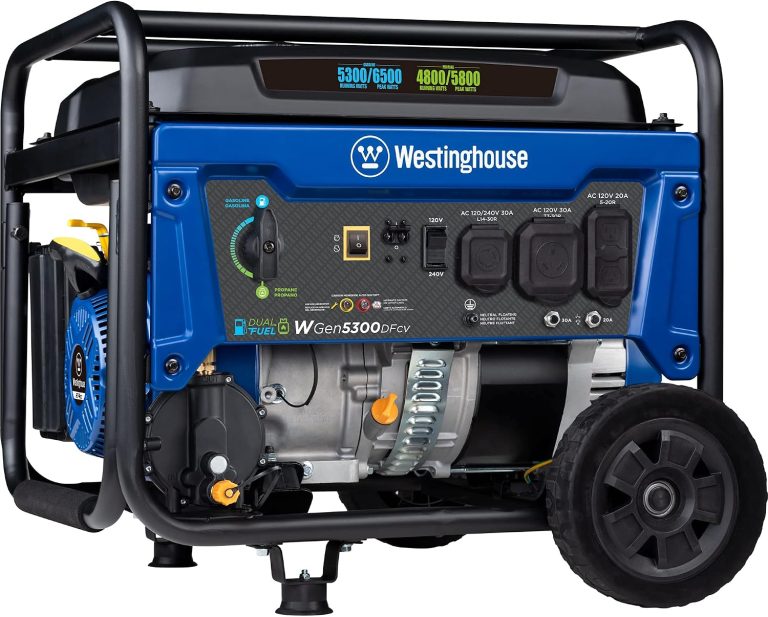
First, you need to connect your generator to the switch using a heavy-duty power cord. Make sure the generator is outside and dry. Never run a generator in your garage or near an open window.
Starting the Generator Safely
Start your generator and let it run for about five minutes to stabilize. You want to check that it is producing a steady output. Plug the generator cord into the transfer switch inlet box.
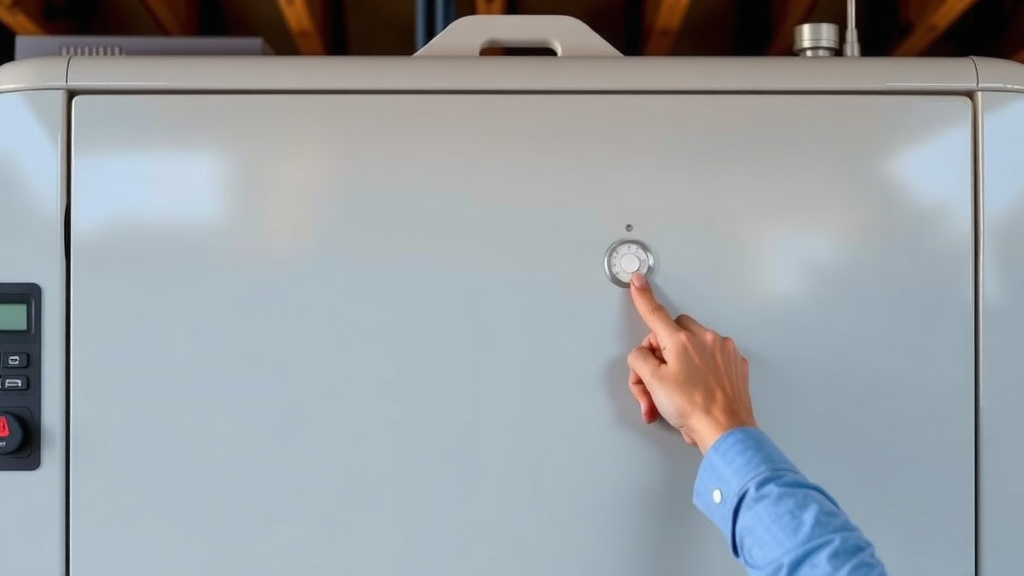
Then, go to your transfer switch panel. You will see a main switch with two positions: “Line” and “Generator.” Flip it to “Generator.” This disconnects you from the grid.
Selecting Your Circuits
Now you flip the individual breakers for the circuits you want to power. Start with the essentials like your refrigerator and lights. You can add more circuits one by one, but watch your generator’s load meter.
We recommend a checklist for your first time. This helps you avoid confusion during a stressful outage.
- Turn off all heavy appliances like heaters and AC units.
- Start the generator and let it warm up for five minutes.
- Connect the power cord to the generator and the inlet box.
- Flip the main switch from “Line” to “Generator.”
- Turn on your essential circuit breakers one at a time.
- Check that your fridge is running and lights are on.
Installation Requirements and Local Codes
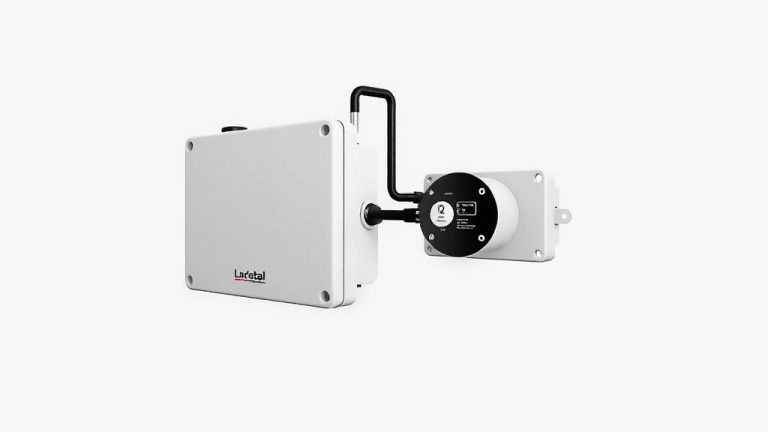
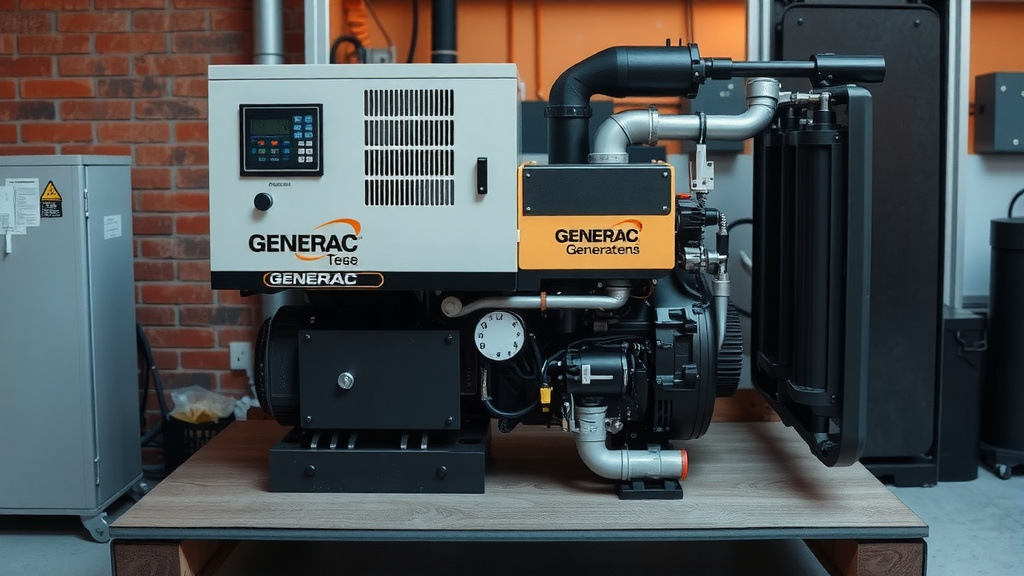
You cannot just buy a transfer switch and wire it in yourself. This is a job for a licensed electrician. We found that most local building codes require a permit for this type of work. This is not a suggestion; it is a legal requirement in most areas. For a visual walkthrough, our automatic transfer switch installation diagram guide shows the wiring steps.
An electrician will ensure that the switch is properly grounded and that the amperage ratings match your generator. We found that mismatched amperage is a common DIY mistake that leads to equipment failure.
Understanding Your Generator’s Capacity
Your transfer switch must be rated for the same amperage as your generator. A 5,000-watt generator typically uses a 30-amp switch. A 10,000-watt generator needs a 50-amp switch. Using the wrong size can cause overheating and fires.
We found that checking the generator’s manual is the best way to confirm the correct amperage. You can also ask your electrician to calculate your home’s load requirements. This ensures you have enough power for your essential circuits without overloading the system.
| Generator Size | Typical Switch Rating | What You Can Power |
|---|---|---|
| 3,000 – 5,000 watts | 30-amp | Fridge, lights, small electronics |
| 7,500 – 10,000 watts | 50-amp | Fridge, lights, well pump, window AC |
| 15,000+ watts | 100-amp | Most of the home, including central AC |
Common Mistakes to Avoid with Your Transfer Switch
Even with the right equipment, people make mistakes. We found that most of these errors are easy to fix if you know what to look for. Here are the top pitfalls we see homeowners run into.
The biggest mistake is using a “suicide cord.” This is a double-ended plug that goes into the generator and a wall outlet. It is extremely dangerous and illegal. You should never use one, even temporarily.
Overloading Your Selected Circuits
Just because you have a transfer switch does not mean you can run everything. You still have a finite amount of power. We found that people often forget to turn off large loads before switching back to generator power.
Always check your generator’s wattage capacity. Add up the wattage of everything you plan to run. If you exceed the limit, your generator will stall or trip its breaker. This is annoying and can cause damage to your sensitive electronics.
We found that the safest approach is to start small and add circuits gradually. Give your generator time to adjust to each new load. This reduces the strain on the engine and keeps your power stable.
Conclusion
Your Generac generator transfer switch is the single most important safety device in your backup power setup. It protects your home, your appliances, and the utility workers who keep your neighborhood running. We found that skipping this vital component is never worth the risk.
You now know the difference between manual and automatic switches, and you understand why a double-throw design is non-negotiable. You also know the exact steps to power your home safely and the common mistakes to avoid.
Your next move is simple: call a licensed electrician to assess your generator and recommend the right switch for your home. Get a quote this week. That way, you will be fully prepared and completely safe when the next storm rolls through.
Frequently Asked Questions
Can I install a Generac transfer switch myself?
We strongly advise against DIY installation. This work involves your main electrical panel and local building codes. A licensed electrician will ensure everything is wired correctly and safely.
How much does it cost to install a Generac transfer switch?
The switch itself usually costs between $200 and $600, depending on the model. Installation labor typically runs $300 to $800. You will get an exact quote from your electrician based on your home’s setup.
What size transfer switch do I need for my generator?
Match your switch to your generator’s output. A 30-amp switch works for most portable generators up to 5,000 watts. A 50-amp switch is for larger units. Your electrician can help you confirm the right size.
Will a transfer switch work with any brand of generator?
Yes, transfer switches are universal in most cases. You can use a Generac switch with other generator brands. Just make sure the amperage and voltage ratings match your generator’s output.
Do I need a transfer switch for a small inverter generator?
Yes, even a small inverter generator needs a transfer switch if you want to power your home’s circuits. You can use a manual switch with a few selected circuits. It keeps you safe and compliant with local codes.