
Automatic Transfer Switch vs Switchgear: Key Differences
An automatic transfer switch (ATS) and switchgear are not the same thing. An ATS is a single device that automatically switches your power source to a backup generator during an outage. Switchgear is a larger system of controls and breakers that protects your entire electrical setup. You use an ATS to keep the power on; you use switchgear to manage and protect that power safely.
When the lights go out, you need to know which piece of equipment handles the job. Many homeowners and business owners get these two confused when shopping for a backup power solution. We found that picking the right one comes down to your building’s size, your power needs, and how much safety gear your local electrical code requires. Understanding the difference helps you budget correctly and avoid buying the wrong equipment.
- An ATS is one device that flips your load between utility power and generator power automatically.
- Switchgear is a whole system of circuit breakers, switches, and controls that manages and protects your power distribution.
- You usually need both for a safe and fully functional backup power setup.
- An ATS is simpler and cheaper, while switchgear is more complex and expensive.
- Your electrician decides what you need based on your building’s total electrical load and local code requirements.
Below, we break down exactly how these two systems work, where they overlap, and which one (or both) your property needs to stay safe and powered up.
Comparing Automatic Transfer Switches and Switchgear Systems
So, which one do you actually need? The short answer: probably both. We found that thinking of an ATS as your power source’s traffic cop and switchgear as the entire road system helps clarify things. One handles the switchover moment; the other protects everything connected to the grid.
What Exactly Does an Automatic Transfer Switch Do?
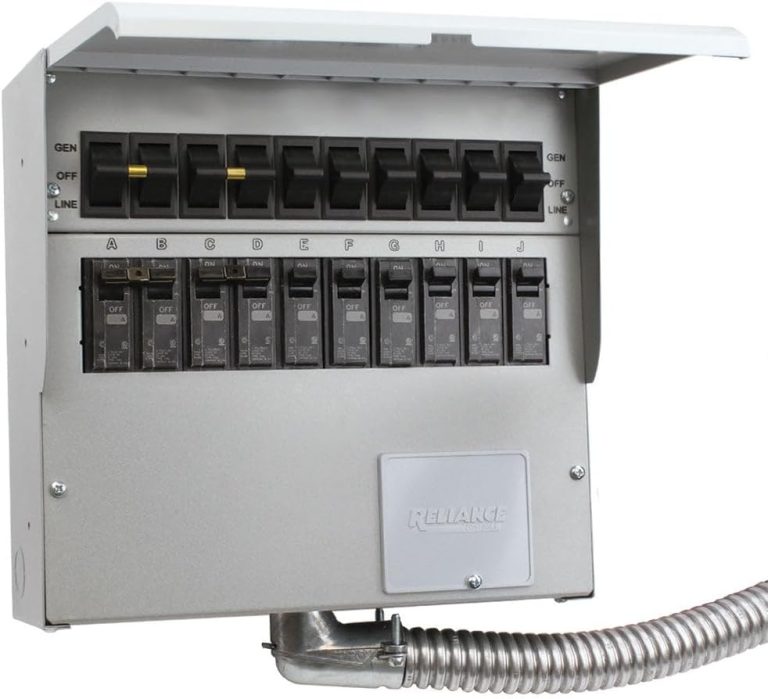
An ATS is a smart, dedicated device. It constantly monitors your utility power. When the grid fails, it sends a signal to your generator to start. Once the generator is ready, the ATS flips your electrical load over to it. This all happens automatically, usually within 10 to 30 seconds. For boats, our guide to marine automatic transfer switches explains the unique requirements.
Think of it like a valet. When your usual driver (the grid) gets sick, the valet quickly brings the backup car (the generator) around and gets you moving again. The valet only has one job, and it does it well. Without an ATS, you would have to go outside in the dark and manually throw a switch. That is not fun.
What Is Switchgear in Plain English?
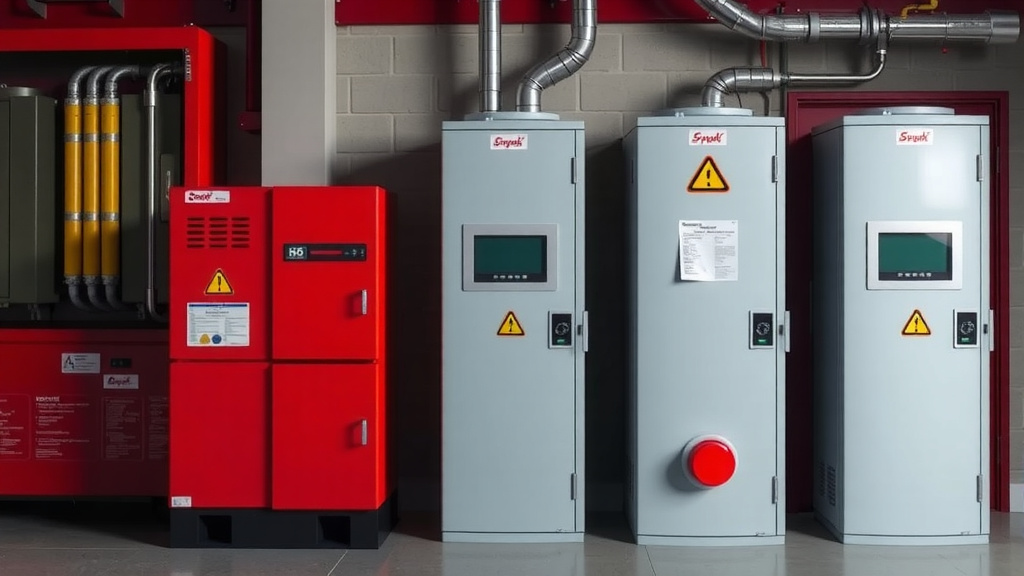
Switchgear is the heavy-duty control center for your building’s electricity. It is a combination of circuit breakers, fuses, and disconnect switches. These components work together to isolate faulty equipment and protect your wiring from overloads. You will usually find it in a metal cabinet near your main electrical service entrance.
If the ATS is the valet, switchgear is the entire garage and security team. It manages the flow of power to different areas, shuts things down safely during a fault, and keeps your electrical system from catching fire or frying expensive equipment. It is the safety net for your entire electrical setup.
Key Components Inside a Switchgear Unit
We found that most switchgear units contain the same basic parts, even if they look different. You have main breakers to cut all power, feeder breakers for individual circuits, and metering to track usage. Some advanced units also include surge protection and relays for detecting abnormal conditions.
- Circuit breakers stop the flow of power when they detect a problem.
- Disconnect switches let you manually shut off power for maintenance.
- Control relays communicate with other systems, like your ATS.
- Bus bars distribute power to different circuits.
How They Work Together in a Backup Power Setup
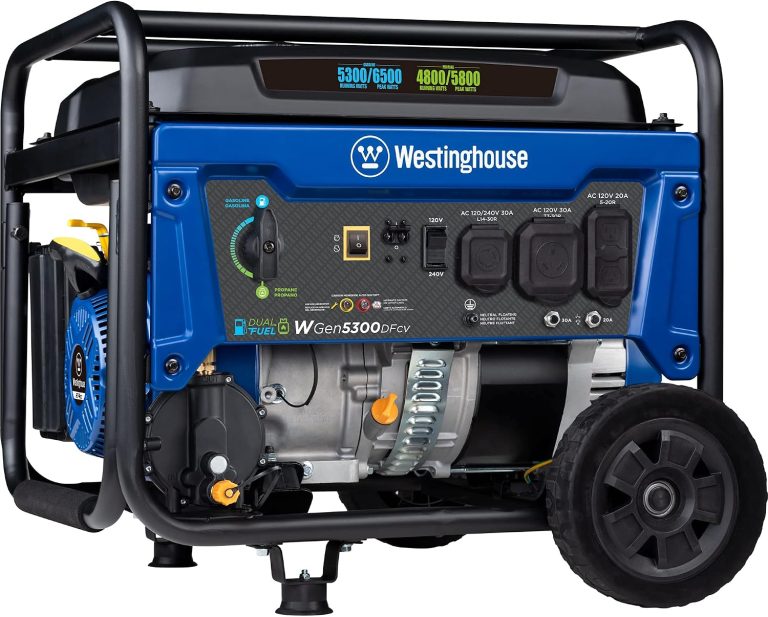
Many homeowners assume they can just buy a generator and plug it in. That is dangerous. Your generator needs to connect to your electrical panel safely. That connection requires both an ATS and switchgear. They are not competing products. They are teammates with different roles.
The generator feeds power into the ATS. The ATS then sends that power to the switchgear. The switchgear distributes it to the circuits that need it most. If there is a short circuit in one room, the switchgear isolates that problem. It keeps the rest of your home or business running without shutting everything down.
Where the ATS Fits Into the Bigger Picture
Your ATS sits between the generator and the switchgear. It is the bridge. This placement matters because the ATS needs to know the generator’s status before it switches the load. It checks voltage and frequency to make sure the backup power is stable. Only then does it connect the two systems.
Without the ATS, you risk connecting your building to a generator that is not ready. That can cause voltage spikes that damage your electronics. Many experts say the ATS is the most critical safety device in your backup power chain (NEC guidelines).
The Biggest Differences: Cost, Size, and Function
Let us get down to the practical stuff. Your wallet and your wall space care about these differences. We compared the two systems based on typical installations and found the gaps are pretty wide.
| Feature | Automatic Transfer Switch | Switchgear |
|---|---|---|
| Primary job | Switches between power sources | Protects and distributes power |
| Typical cost | $500 to $5,000 | $5,000 to $50,000+ |
| Size | Small box, wall-mounted | Large cabinet or multiple units |
| Installation | Simple, few hours | Complex, requires engineering |
| Smart features | Basic monitoring and control | Advanced metering and protection |
That cost difference shocks most people. A simple ATS for a home generator is a few hundred dollars. Switchgear for the same home is rarely needed. However, if you have a large commercial building, the switchgear cost becomes necessary for safety and code compliance.
Why You Might Only Need an ATS
For a typical American home, your existing main breaker panel usually acts as basic switchgear. It has breakers that protect your circuits. Adding an ATS gives you the automatic backup power feature without needing a whole new switchgear system. This is the most common setup we see.
If you have a smaller generator (under 20kW) and a standard electrical panel, you can likely skip the dedicated switchgear. Your ATS plus your existing panel is enough. This keeps costs down and installation simple. Your electrician can verify if your current panel has enough capacity.
When Switchgear Becomes a Must-Have
Larger properties need switchgear. If you have a hospital, a data center, or a large manufacturing plant, the stakes are higher. You need to manage multiple generators, complex loads, and strict uptime requirements. A single ATS cannot handle the coordination needed for that scale.
Switchgear allows you to prioritize circuits. You can keep life-safety equipment running while shutting off non-essential loads. It also gives you remote monitoring and diagnostics. This helps you spot problems before they cause outages. Many guidelines point to the importance of proper coordination in critical facilities (NFPA 70).
Code Requirements and Safety Rules You Should Know
Local building codes often dictate what you need. Your electrical inspector is the final authority. We found that most residential installations only require an ATS if you have a standby generator. The switchgear rules mostly apply to commercial and industrial projects. Ignoring these codes can result in failed inspections and safety hazards.
It is always worth checking your local codes before you buy anything. The National Electrical Code (NEC) has specific sections about transfer switches and switchgear. Your electrician will know these requirements. Do not skip this step. It protects you legally and physically.
Understanding Your Existing Electrical Panel
Your main breaker panel already contains some switchgear elements. It has a main breaker and branch breakers. For many homes, this is enough. You just need an ATS to automate the generator connection. Your panel does the rest of the protecting.
If your panel is old or at capacity, you might need an upgrade. An electrician can evaluate this. They check your amp rating and the condition of your breakers. Upgrading your panel adds cost, but it is worth it for safety.
Signs Your Current Setup Is Outdated
- Your panel is over 25 years old.
- You see signs of rust or corrosion.
- Breakers trip frequently.
- You have added many new appliances recently.
Making the Right Choice for Your Property
Start by knowing your total electrical load. That means adding up all the wattage you might run at once. Then, decide if you want to power everything or just essential circuits. This decision drives your generator size and your equipment needs.
If you are installing a whole-house generator, plan for an ATS. For most homes, that is the end of the story. For businesses, plan for both. A professional electrical contractor can help you design the right system. This is not a DIY project for the main power equipment.
Getting Professional Help Is Worth It
We cannot stress this enough. Messing with high-voltage electricity is dangerous. A licensed electrician will ensure your system meets code and works safely. They will also handle the permits and inspections. That peace of mind is priceless.
Ask your electrician for a clear quote before work starts. They should explain exactly what equipment you need and why. If they recommend expensive switchgear, ask them to justify it. They should be able to point to specific code requirements or load calculations.
Final Checklist Before You Buy Backup Power Equipment
Use this quick checklist to guide your conversation with an electrician. It covers the basics so you do not forget anything important. Print it out or save it on your phone.
- Calculate your essential loads first.
- Check your local building codes for transfer switch rules.
- Get a load calculation from a licensed electrician.
- Verify your existing panel has enough capacity.
- Ask if your generator needs a separate breaker.
- Confirm the ATS matches your generator’s voltage and amperage.
You are now equipped to have a smart conversation about your backup power needs. Remember, the ATS handles the automatic switching, and switchgear handles the protection. Most homes only need the ATS. Larger buildings need both. Do your homework, ask questions, and you will get the right setup for your situation.
Conclusion
So, you now know the real difference: an ATS is your automatic backup switch, and switchgear is your whole safety and distribution system. Most homes just need the ATS with their existing panel. Commercial buildings almost always need both working together.
Don’t let the fancy terms scare you. Your next step is simple: get a load calculation from a licensed electrician. Tell them what you want to keep running during an outage. They will tell you exactly what equipment you need and what it will cost.
Buying the right gear the first time saves you money and headaches later. You have the knowledge now, so go have that conversation with confidence.
Frequently Asked Questions
Can you use a manual transfer switch instead of an automatic one?
Yes, you can. A manual transfer switch saves you money upfront. You just have to walk outside and flip it yourself when the power goes out. We recommend the automatic version if you want backup power without getting out of bed.
Does a generator need both a transfer switch and a breaker panel?
Your generator needs a transfer switch to connect to your home safely. Your existing breaker panel already handles the circuit protection. Most homes do not need a separate switchgear system. Your generator is basically an additional power source feeding into your panel.
Will switchgear work without a transfer switch?
Yes, but not for automatic backup power. Switchgear can manage your electrical load without an ATS. You just will not get automatic switching during an outage. You would have to manually connect your generator, which defeats the purpose of having a standby system.
How long does an automatic transfer switch last?
Most ATS units last 20 to 30 years with proper maintenance. They are mechanical devices, so the contacts can wear out over time. Your electrician should inspect it during your generator’s annual service. That keeps it reliable when you need it most.
Is a transfer switch required by law for a home generator?
Yes, for most places in the US. The National Electrical Code requires a transfer switch for permanently installed generators. It prevents dangerous backfeeding into the utility lines. Check your local codes too, since some areas have stricter rules than others.