How Do You Charge a Solar Generator? All Methods Explained
If you’re standing in front of a solar generator wondering how to actually get it working, you’re not alone. Many people invest in these incredible devices but feel a bit lost when it comes to charging them. Here’s the good news: charging a solar generator isn’t rocket science. In fact, once you understand the basics, you’ll realize there are multiple ways to keep your power station topped up and ready for action.
Think of a solar generator like a rechargeable battery for your home or adventures. Just as your smartphone needs charging, so does your solar generator. But unlike your phone, you have several options to bring it back to life. Whether you’re relying on sunshine, plugging into the wall, or using alternative power sources, we’re going to walk you through every single method available.
Understanding What a Solar Generator Actually Is
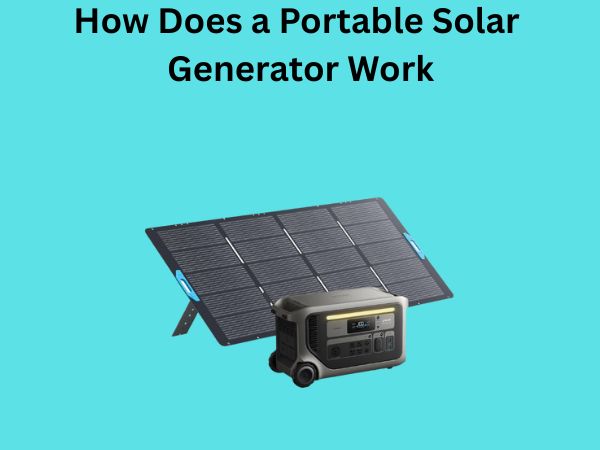
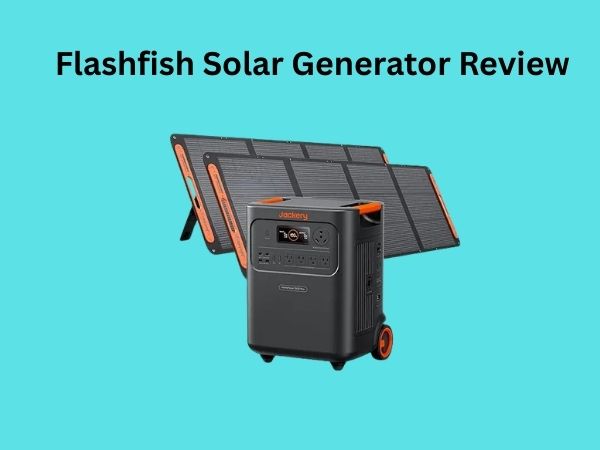
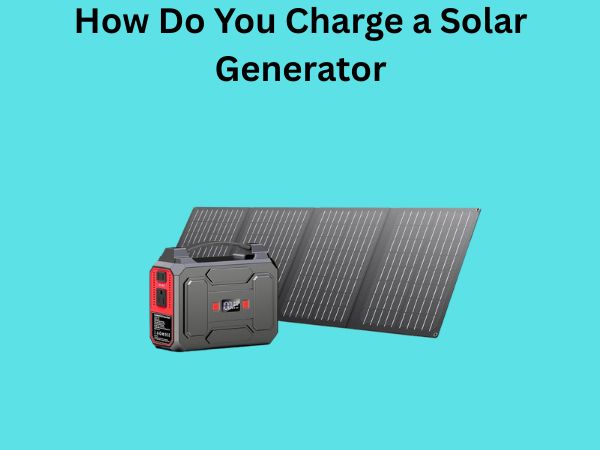
Before we dive into the charging methods, let’s clarify what we’re actually talking about. A solar generator is essentially a combination of three main components working together: a battery pack that stores energy, a charge controller that manages how power flows, and an inverter that converts stored energy into usable electricity for your devices.
These devices have become increasingly popular because they’re portable, quiet, and don’t produce emissions. Whether you’re camping in the wilderness, dealing with a power outage, or simply want backup energy, understanding how to charge your solar generator properly will extend its lifespan and keep you powered up.
Method One: Solar Panel Charging
Why Solar Panels Are the Most Popular Choice
When people think about solar generators, they immediately picture solar panels soaking up sunshine. And for good reason. Solar panel charging is the most sustainable, cost-effective method in the long run. Once you’ve invested in quality solar panels, the sun provides free energy indefinitely. It’s like having a natural power source that never stops giving.
How Solar Panel Charging Works
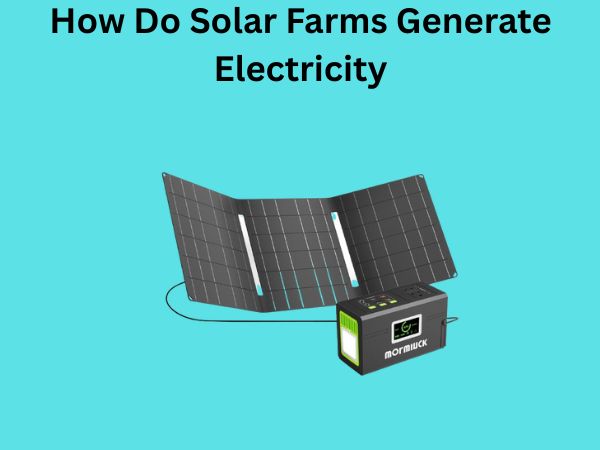
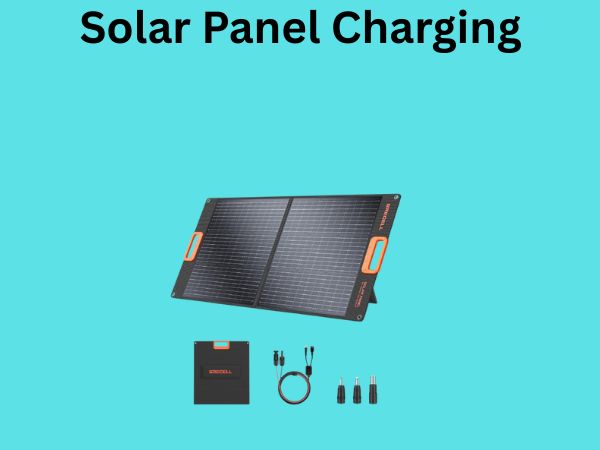
Solar panels contain photovoltaic cells that convert sunlight directly into electrical current. This current flows through a charge controller to your solar generator’s battery. The charge controller is crucial because it regulates the voltage and current, preventing your battery from overcharging or getting damaged. Without proper regulation, you’d be like trying to pour an entire ocean into a cup.
Factors That Affect Solar Charging Speed
- The wattage of your solar panels
- The angle and direction they’re facing
- Weather conditions and cloud coverage
- The time of day and season
- The capacity of your battery
- The efficiency of your charge controller
A 100-watt solar panel system might fully charge a modest generator in one sunny day, while a 400-watt system could do it in just a few hours. But if you’re charging during winter or in a cloudy climate, expect significantly longer timeframes.
Tips for Maximizing Solar Charging Efficiency
Position your solar panels to face the sun directly at a forty-five degree angle during peak hours. Clean your panels regularly because dust, dirt, and leaves can reduce efficiency by up to twenty-five percent. Use high-quality cables with proper gauge ratings to minimize energy loss. And whenever possible, charge during midday when the sun is at its strongest.
Method Two: Wall Outlet Charging
The Fastest Charging Option Available
If you need your solar generator charged quickly, plugging it into a standard wall outlet is your answer. This method is straightforward and works anywhere you have access to household electricity. Most modern solar generators come with an AC charging cable specifically designed for this purpose.
Understanding AC Input Specifications
When you charge from a wall outlet, you’re using alternating current, or AC. Your solar generator needs to convert this AC power to direct current, or DC, to charge the battery safely. The charge controller handles this conversion. Most solar generators accept input between 100-240 volts, which covers standard household outlets in virtually every country.
The charging speed depends on the wattage capacity of the charging port. A 1000-watt charger will fill your battery much faster than a 300-watt charger. If your generator has a 2000-watt-hour battery and you’re using a 500-watt charger, you’re looking at roughly four to five hours for a complete charge.
When to Use Wall Outlet Charging
This method makes sense when you’re at home, at a campground with power hookups, or staying somewhere with reliable electricity. It’s also practical during rainy seasons when solar charging isn’t viable. Think of it as your backup plan when the sun isn’t cooperating.
Method Three: Car Charger Connection
Charging While on the Road
Here’s a clever option many people overlook: you can charge your solar generator using your car’s electrical system. Most modern vehicles have a twelve-volt DC outlet, commonly called a cigarette lighter or power socket. By using a car charger cable designed for your specific generator model, you can top up your battery while driving to your next destination.
The Reality of Vehicle Charging
Let’s be honest though. Charging from a car is slow. Your vehicle’s electrical system provides limited amperage, so this method works best for topping off rather than doing a complete charge. If your solar generator is completely depleted and you’re desperate, car charging can help, but don’t expect miracles. It’s more of an emergency option than a primary charging method.
One important consideration: make sure your vehicle’s charging system can handle the load. Running the engine while charging is generally safer than attempting to charge from the battery alone. Some people drive around for thirty minutes to an hour to give their generator a moderate charge boost.
Method Four: Portable Power Station Charging
Chaining Power Sources Together
This might sound unusual, but you can actually charge one solar generator from another portable power station or larger battery system. While this isn’t generating new power, it’s transferring stored energy from one device to another. This works best if you have multiple generators and need to balance their charge levels.
This method is useful in specific scenarios. If you have a larger stationary battery bank at base camp and portable generators at various locations, you could charge the smaller units from the larger one during evening hours when solar charging isn’t happening.
Method Five: Wind Turbine Integration
Combining Multiple Renewable Sources
While less common than solar, wind turbines can also charge your solar generator. Many modern generators with MPPT charge controllers can accept input from wind turbines just as effectively as solar panels. If you live in a consistently windy location, adding a small wind turbine to your charging setup provides energy even when the sun isn’t shining.
Wind turbines and solar panels complement each other beautifully. Solar works best during sunny days, while wind often picks up during cloudy weather or evening hours. Together, they create a more reliable renewable energy system.
Understanding Charge Controllers and Their Role
The Unsung Hero of Charging
Whether you’re charging from solar panels, the wall, or your car, the charge controller is working behind the scenes to protect your battery. Think of it as the traffic controller directing energy flow. Without proper control, too much power rushing into your battery would damage it permanently.
PWM vs. MPPT Controllers
Most solar generators use one of two controller types. PWM, or Pulse Width Modulation, is simpler and less expensive but less efficient. MPPT, or Maximum Power Point Tracking, is more sophisticated and can extract up to thirty percent more power from your solar panels. If you’re planning to use solar charging extensively, look for a generator with MPPT technology.
Charging Speed Comparison Across Methods
Let’s break down realistic charging times for a typical 2000-watt-hour solar generator:
- Wall outlet at 1500 watts: approximately 1.5 to 2 hours
- Solar panels at 400 watts in ideal conditions: approximately 5 to 7 hours
- Car charger: approximately 8 to 12 hours for a full charge
- Wind turbine: varies greatly depending on wind conditions
These times assume full discharge and ideal conditions. Partial charges happen much faster.
Safety Considerations When Charging
Protecting Your Investment
Proper charging practices extend your solar generator’s lifespan significantly. Never expose your unit to water or extreme temperatures while charging. Keep the area around your generator well-ventilated because batteries generate heat during the charging process. This is especially important when using wall outlet charging, which generates more heat than solar charging.
Monitoring Battery Health
Check your generator’s display regularly while charging. Most modern units show charging speed, estimated time to full charge, and battery temperature. If charging seems unusually slow or the battery is getting too hot, disconnect immediately and let it cool before resuming. Lithium batteries, which are common in quality solar generators, have built-in protection circuits, but it’s still good practice to monitor them.
Cable Quality Matters
Always use cables and connectors designed specifically for your generator. Cheap, poorly-made charging cables can cause voltage drops, slow charging, or even damage your unit. It might seem like a small detail, but quality cables are an investment that pays dividends in reliability and safety.
Seasonal and Climate Considerations
Adapting Your Strategy to Your Environment
Solar charging efficiency varies dramatically with seasons. During summer, your panels might generate peak power by nine in the morning and maintain it until four in the afternoon. During winter, this window shrinks considerably. If you live somewhere with long, dark winters, supplementing solar with wall outlet charging becomes essential.
Cloud coverage also plays a massive role. In consistently cloudy climates, solar panels still generate electricity but at reduced capacity. A panel rated at 100 watts might only produce thirty to forty watts on an overcast day. Planning your charging strategy around your local climate is smart energy management.
Maintaining Your Solar Generator for Optimal Charging
Simple Maintenance Extends Performance
Your solar generator isn’t a set-it-and-forget-it device. Regular maintenance ensures charging remains efficient. Clean the charging ports occasionally with a dry cloth to prevent corrosion. Check cables for damage or wear. Update your generator’s firmware if the manufacturer releases updates, as these often improve charging efficiency and safety.
Store your generator in a cool, dry place when not in use. Extreme temperatures can affect battery performance and charging speed. If you’re storing your unit for extended periods, charge it to about fifty percent capacity rather than leaving it completely full or empty.
Choosing the Right Charging Method for Your Situation
Consider Your Lifestyle and Location
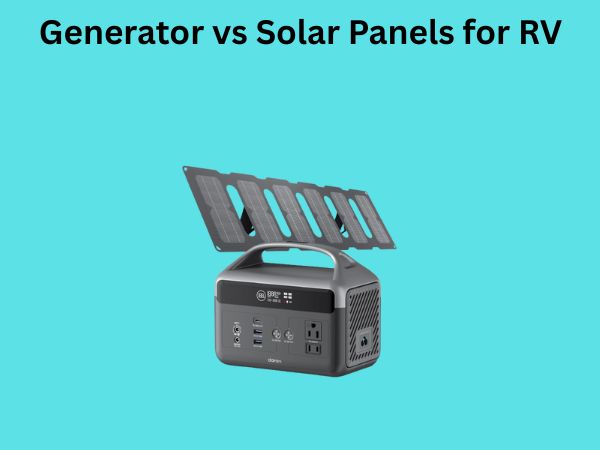
If you’re a full-time camper with consistent sunny days, solar panel charging is perfect. If you’re using your generator at home during power outages, wall outlet charging is most practical. If you’re traveling by vehicle, a combination approach makes sense: wall charging when available and solar panels when stationary.
Your choice ultimately depends on how you use your generator, where you use it, and how quickly you need to recharge. There’s no one-size-fits-all answer, which is actually good news because it means you can customize your charging strategy.
Common Charging Mistakes to Avoid
Don’t Let These Errors Damage Your Unit
- Using damaged or frayed charging cables
- Charging in extreme temperatures
- Blocking ventilation while charging
- Ignoring temperature warnings from your unit
- Leaving your generator in direct sunlight while plugged in
- Attempting to charge with incompatible power sources
- Overcharging by leaving it plugged in indefinitely after reaching full capacity
Modern generators have automatic shutoffs that prevent overcharging, but it’s still better to disconnect once your unit reaches full capacity to reduce unnecessary heat generation.
Future Charging Technologies to Watch
What’s Coming Next in Solar Generator Charging
The solar generator industry is evolving rapidly. Wireless charging capabilities are beginning to appear in newer models. Improved battery chemistry promises faster charging times and longer lifespans. Some manufacturers are experimenting with hybrid charging systems that automatically switch between solar, AC, and other sources based on availability and efficiency.
As technology improves, expect solar generators to charge faster, store more energy, and do so more efficiently. Staying informed about these advances helps you make smart purchasing decisions.
Conclusion
Charging a solar generator doesn’t have to be complicated. You have multiple methods at your disposal, each with distinct advantages depending on your circumstances. Solar panel charging offers sustainability and long-term savings. Wall outlet charging provides speed and convenience. Car charging works when you’re traveling. Wind turbines add reliability to renewable charging strategies.
The key is understanding your options and matching them to your lifestyle. If you spend most of your time outdoors, invest in quality solar panels. If you’re mostly at home, wall charging combined with solar panels creates an excellent backup system. If you travel frequently, a portable system with multiple charging capabilities gives you flexibility.
Remember that your solar generator is an investment in independence and reliability. Treating it properly by using appropriate charging methods, maintaining your equipment, and understanding the technology behind it ensures years of dependable service. Whether you’re preparing for emergencies, embracing renewable energy, or seeking adventure off the grid, your solar generator will be there to power your world when you charge it correctly.
Frequently Asked Questions
Can I charge my solar generator in the shade?
Yes, you can charge in shade, but expect significantly reduced charging speeds. Solar panels still generate electricity from diffuse light, even without direct sunlight. However, you’ll only get a fraction of the rated wattage. If your 100-watt panel is in direct sun, it might produce 100 watts. In full shade, it could produce just five to fifteen watts. For practical purposes, always position your panels in direct sunlight whenever possible for optimal charging.
How long does a full charge typically take with solar panels?
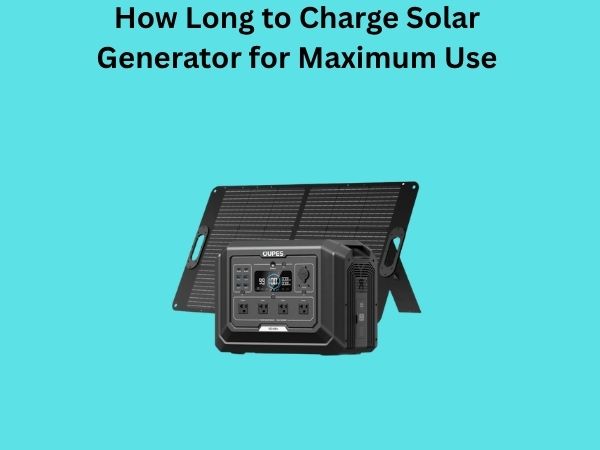
For a typical 2000-watt-hour solar generator, expect five to eight hours of charging with quality 400-watt solar panels in ideal conditions. However, this varies dramatically based on panel wattage, sunlight intensity, angle, temperature, and battery capacity. A smaller 1000-watt-hour generator with 200-watt panels might charge in a single sunny day, while a large 5000-watt-hour system might need two to three days. Start with the manufacturer’s specifications for your specific model.
Is it bad to charge a solar generator from a wall outlet frequently?
Not at all. Wall outlet charging is completely safe when done properly and doesn’t damage your battery. In fact, many battery management experts suggest that using wall charging occasionally extends lithium battery lifespan by reducing stress from incomplete charging cycles. The key is using the correct charging cable and not exposing your unit to extreme temperatures during the process. Most modern generators have intelligent charging systems that optimize battery health regardless of charging method.
Can I charge my solar generator while it’s being used?
Yes, most solar generators support simultaneous charging and discharging. This is incredibly useful for continuous power needs. Imagine plugging in solar panels while your generator powers your fridge—the panels provide power while also topping up the battery. This works with any charging method, though the net charging speed is reduced since some power is being diverte