How Does a Portable Solar Generator Work? A Beginner-Friendly Guide
Have you ever wondered what happens when sunlight hits those sleek solar panels on top of a portable generator? It’s like capturing lightning in a bottle, except the bottle is your backpack and the lightning is actually free energy from the sun. If you’re curious about how these compact powerhouses function, you’re in the right place. I’m going to walk you through every step of the journey—from the moment photons hit the panels to when you’re charging your phone in the middle of nowhere.
Understanding the Basics of Solar Energy
Before we dive into how a portable solar generator works, let me explain the fundamental principle behind it all. Solar energy is essentially the sun’s radiation converted into heat or electricity. Think of it as nature’s power plant, sitting about 93 million miles away, constantly sending energy our way whether we use it or not.
The sun produces energy through nuclear fusion in its core, and a tiny fraction of that energy reaches Earth. Despite traveling through space and our atmosphere, enough solar energy arrives at Earth’s surface every hour to power human civilization for an entire year. Pretty remarkable, right? A portable solar generator is simply a tool that captures a small portion of this abundant resource and makes it usable for your everyday devices.
Why Solar Energy Matters Today
We’re living in an era where traditional energy sources are becoming increasingly expensive and environmentally questionable. Solar energy offers a clean, renewable alternative that doesn’t produce greenhouse gases or contribute to climate change. For someone like you—whether you’re a camper, traveler, or someone interested in sustainable living—a portable solar generator represents independence from the grid.
The Anatomy of a Portable Solar Generator
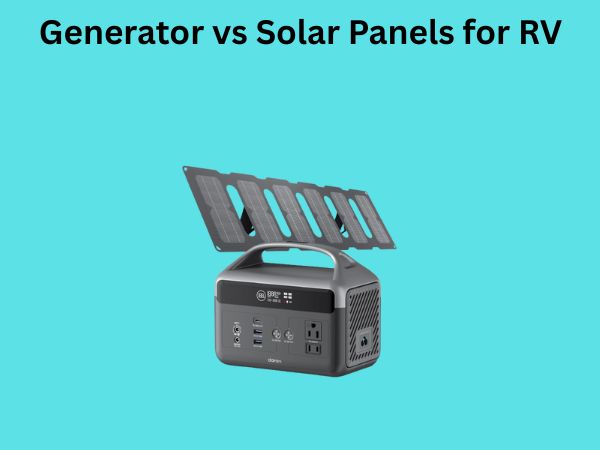
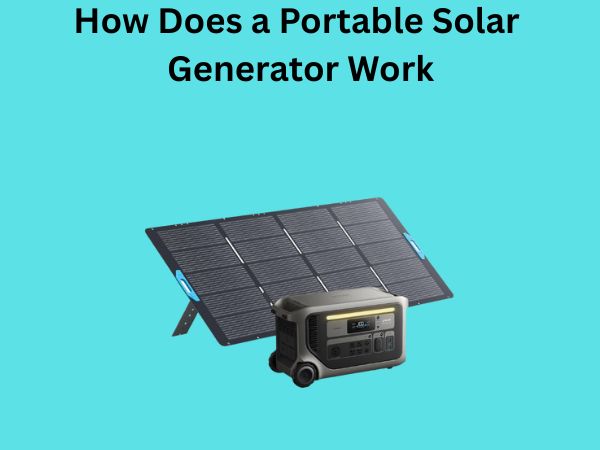
A portable solar generator isn’t a single device but rather a system of components working together harmoniously. Imagine it as an orchestra, where each instrument plays a specific role to create beautiful music. Here are the main players:
- Solar panels: The collectors that transform light into electricity
- Charge controller: The traffic cop managing power flow
- Battery: The storage vault for electrical energy
- Inverter: The translator converting DC to AC power
- Housing and cables: The protective shell and connective tissue
Each component serves a distinct purpose, and understanding their individual roles helps you grasp how the entire system functions as a cohesive unit.
How Solar Panels Capture Sunlight
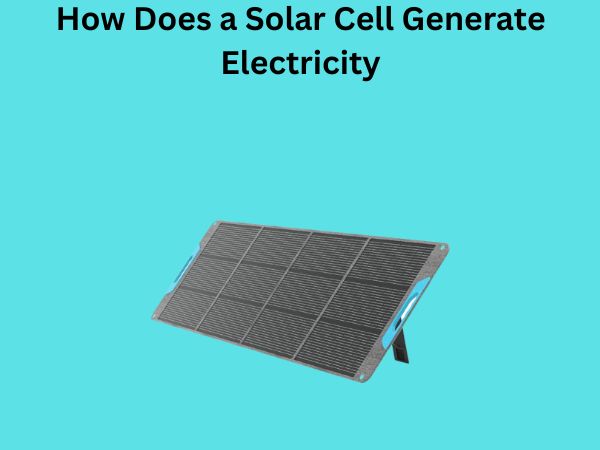
Let’s start at the beginning of the journey. Solar panels are where the magic happens. They’re made up of photovoltaic cells—tiny semiconductors that have been engineered to respond to light in a specific way.
The Photovoltaic Effect Explained
Here’s where physics gets interesting. When photons from sunlight strike the photovoltaic cells, they transfer their energy to electrons in the material. This energy causes the electrons to break free from their atoms, creating what we call “electron-hole pairs.” The semiconductor material is specially designed with an electric field that separates these electrons and holes, pushing them in opposite directions. This movement of electrons creates an electric current—and boom, you’ve got electricity.
Most portable solar generators use monocrystalline or polycrystalline silicon panels. Monocrystalline panels are more efficient but typically more expensive, while polycrystalline panels cost less but need more surface area to generate the same power. It’s like choosing between a sports car and an SUV—one is sleek and efficient, the other is practical and affordable.
Panel Efficiency and Light Conditions
Not all sunlight produces the same amount of electricity. The angle of the sun, cloud cover, and dust on the panels all affect output. On a clear day, a quality panel might achieve 18 to 22 percent efficiency, meaning it converts that percentage of incoming solar energy into usable electricity. Cloudy days? You’re looking at significantly reduced output. That’s why location matters when using a portable solar generator.
The Charge Controller’s Critical Role
Once the solar panels generate electricity, that raw power can’t just flow directly into your battery. That would be like pouring water from a fire hose into a cup—it’s going to overflow and cause problems. This is where the charge controller steps in.
What Does a Charge Controller Do?
A charge controller regulates the voltage and current coming from the solar panels before it reaches the battery. Think of it as a bouncer at an exclusive club, only allowing the right amount of power through to prevent overcharging. Two main types exist:
- PWM (Pulse Width Modulation) controllers: More affordable and suitable for smaller systems
- MPPT (Maximum Power Point Tracking) controllers: More efficient and better for larger portable solar generators
MPPT controllers are smarter. They continuously monitor the solar panel’s output and adjust the electrical load to ensure maximum power is being extracted. It’s the difference between a manual transmission and an automatic—one requires constant adjustment, the other optimizes itself.
Battery Storage: Your Power Reserve
Now we’re getting to the heart of the system. The battery is where potential energy is stored. Without it, you could only use power when the sun was shining. The battery gives you the freedom to use your generator day or night.
Types of Batteries in Portable Solar Generators
Most modern portable solar generators use lithium-ion batteries, similar to what’s in your smartphone or laptop. These are lightweight, have a long lifespan (often 5-10 years), and can handle rapid charging and discharging cycles without degradation. Some older models might use lead-acid batteries, which are heavier and less efficient but more affordable upfront.
Lithium iron phosphate (LiFePO4) batteries are becoming increasingly popular in high-end portable generators. They’re safer, last longer, and handle extreme temperatures better than traditional lithium-ion batteries.
Understanding Battery Capacity
Battery capacity is measured in watt-hours (Wh). A 500Wh battery can theoretically power a 100-watt device for 5 hours, or a 500-watt device for 1 hour. It’s important to understand this because it helps you match the generator to your needs. Someone who needs to charge a couple of phones and a laptop might be fine with a 300Wh unit, while someone powering a mini-fridge and multiple devices simultaneously would need 1000Wh or more.
The Inverter: Converting Power Types
Here’s another crucial component that often gets overlooked: the inverter. This device does something that seems like magic but is actually elegant electrical engineering.
DC to AC Conversion
Solar panels and batteries generate direct current (DC) power, which flows in one direction. However, most of your household devices and appliances—your laptop, microwave, television—require alternating current (AC), which changes direction back and forth.
The inverter’s job is to convert DC power from the battery into AC power that your devices can use. It does this hundreds of times per second, creating a smooth alternating current that mimics what comes from your wall outlet. Without an inverter, you’d only be able to charge devices using USB ports and DC connections.
Pure Sine Wave vs. Modified Sine Wave
Not all inverters are created equal. A pure sine wave inverter produces the smoothest, most stable AC power—essentially identical to grid electricity. It costs more but is gentler on sensitive electronics. A modified sine wave inverter is cheaper but produces a blockier approximation of AC power. For most devices, it works fine, but sensitive equipment like medical devices or high-end audio systems might prefer pure sine wave power.
The Complete Charging Process: Step-by-Step
Now let’s follow the entire journey of a photon from the sun to powering your devices. Understanding this flow helps you troubleshoot issues and optimize usage.
Step 1: Solar Panels Capture Sunlight
The process begins when photons strike the silicon cells in your solar panels. The photovoltaic effect generates DC electricity with a voltage typically between 20-50 volts, depending on the panel configuration.
Step 2: Power Flows to the Charge Controller
The raw power from the panels travels through cables to the charge controller. The controller measures the current voltage and current, comparing it to the battery’s state of charge. If the battery isn’t full, it permits power to flow through. If it’s full, the controller stops the flow to prevent overcharging.
Step 3: Battery Receives and Stores Energy
Power enters the battery, where chemical reactions occur that store the electrical energy. The battery gradually accumulates this energy until it reaches full capacity. A fully charged portable solar generator can maintain this energy for weeks or months, depending on the battery technology.
Step 4: Power Available for Use
When you need power, you draw from the battery. For DC devices (USB phone chargers, LED lights), power flows directly from the battery. For AC devices, power flows through the inverter first, which converts it to usable alternating current.
Step 5: Monitoring and Management
Most modern portable solar generators have a built-in battery management system (BMS) that continuously monitors temperature, voltage, and current. If anything goes outside safe parameters, the BMS can disconnect the battery to protect it from damage.
Using Your Portable Solar Generator
Understanding how the system works is one thing. Using it effectively is another. Let me share some practical insights.
Optimal Positioning and Angle
The angle at which solar panels face the sun dramatically affects charging speed. Ideally, panels should face directly toward the sun with no shadows. In the Northern Hemisphere, facing panels south at an angle equal to your latitude provides optimal year-round performance. During summer, a slightly flatter angle works better; in winter, a steeper angle is preferable.
Managing Power Consumption
Your portable solar generator is not unlimited power. Be strategic about what you charge. High-power devices like space heaters or hair dryers will drain the battery quickly. Prioritize essential items and lower-power devices. A phone charger might use 5 watts, while a laptop charger could use 50-65 watts.
Efficiency Factors and Limitations
While portable solar generators are remarkable, they’re not perfect. Several factors affect their real-world performance.
Weather Conditions
Cloudy skies reduce solar panel output by 50-80 percent. Rain also reduces efficiency, though some water actually helps by cleaning dust off the panels. Snow is particularly problematic—it blocks sunlight entirely and adds weight to panels.
Temperature Effects
Interestingly, solar panels are slightly less efficient when it’s very hot. While this might seem counterintuitive, the physics shows that extreme heat reduces the voltage output. Conversely, cold weather actually improves panel efficiency, though it reduces battery efficiency.
System Losses
Energy is lost at each conversion step. From solar panel to battery might involve 5-15 percent losses in the charge controller. From battery to AC power through the inverter might involve another 5-10 percent losses. These losses are cumulative, meaning a portable solar generator operates at about 70-80 percent overall efficiency in real-world conditions.
Maintenance and Care Tips
To keep your portable solar generator running optimally, follow these maintenance practices:
- Clean solar panels regularly with a soft cloth and water
- Store the unit in a cool, dry place when not in use
- Charge the battery fully before extended storage
- Avoid exposing the generator to extreme temperatures
- Check cables and connectors for wear or damage
- Use appropriate chargers designed for lithium batteries
- Avoid deep discharges—keep the battery above 20 percent when possible
Real-World Applications
Portable solar generators shine in specific scenarios. Camping trips become more comfortable with power for lights and fans. Emergency preparedness becomes practical with backup power for essential devices. Digital nomads and remote workers gain independence from finding power outlets. Outdoor events, emergency response, and off-grid living all benefit from this technology.
Cost Considerations
Pricing ranges dramatically. Entry-level units with 100-300Wh capacity might cost $150-300. Mid-range portable solar generators with 500-1000Wh capacity typically run $400-900. High-capacity units exceeding 2000Wh can easily surpass $2000-4000. Add solar panels, and you’re looking at additional $200-1500 depending on wattage and quality. While the upfront investment seems significant, when spread over 10+ years of reliable use, the cost per day becomes quite affordable.
Comparing Different Models
When shopping for a portable solar generator, consider these factors:
- Battery capacity in watt-hours
- Number and type of output ports
- AC power capability and wattage
- Panel efficiency and included wattage
- Build quality and warranty
- Weight and portability
- Charging speed options
- Safety certifications
Don’t just chase the biggest battery. Match the system to your actual needs. A smaller, lighter unit you’ll actually carry is more valuable than a larger one that stays home.
Environmental Benefits
Using a portable solar generator reduces your carbon footprint. You’re not burning fossil fuels or contributing to air pollution. Over its lifespan, a single portable solar generator can avoid hundreds of pounds of CO2 emissions compared to using a traditional gas-powered generator. It’s a tangible way to vote with your wallet for a cleaner future.
Common Misconceptions
Let me address some myths I’ve heard repeatedly:
Myth 1: Portable Solar Generators Work at Night
False. Without stored battery power, they won’t generate electricity at night. However, a fully charged generator provides many hours of power during darkness. Plan accordingly.
Myth 2: They Work in Any Weather
Not entirely true. While they function in cloudy and cold conditions, output is significantly reduced. Snow and heavy storms can halt charging completely.
Myth 3: One Panel Works as Well as Multiple
Incorrect. Multiple panels charge faster and provide redundancy. If one panel