Generator Transfer Switch Use: A Complete Guide
A generator transfer switch is the safe, legal way to connect a portable generator to your home’s electrical system. It lets you power hardwired appliances like your furnace, water heater, or well pump without running dangerous extension cords through windows. You need one if you ever plan to power your house during an outage, because it prevents deadly backfeeding that can harm you and utility workers.
We found that most homeowners choose between a manual transfer switch and an automatic model. The right pick depends on your budget, your generator size, and how often you lose power. Understanding the basics before you buy saves you money and keeps your family safe when the lights go out.
- A transfer switch isolates your home from the grid during an outage.
- It prevents backfeeding, which is a serious electrocution and fire hazard.
- Manual switches are affordable and simple, while automatic ones start without you.
- You must match the switch amperage to your generator’s output.
- Hiring a licensed electrician is the safest way to install one.
Below, we break down exactly how these switches work, what to look for, and the steps you need to take to get your home ready for the next blackout.
Using a Generator Transfer Switch the Right Way
You bought a portable generator, but you still need the missing link: a transfer switch. This device safely connects your generator to your home’s electrical panel. Without it, you risk starting a fire or shocking a utility worker.
This guide walks you through the entire process, from understanding how the switch works to picking the right size and using it safely. We found that homeowners who learn these basics before a storm hits avoid costly mistakes and stay much safer.
Why You Shouldn’t Skip a Transfer Switch
Many people try to skip the transfer switch by using a “suicide cord.” That is a double-ended extension cord plugged into both the generator and a wall outlet. It is extremely dangerous and potentially fatal.
The National Fire Protection Association and most local electrical codes require a transfer switch for generator hookups. When you connect a generator directly to a wall outlet, you create a path for electricity to flow backward through your home’s wiring and out to the utility lines.
This backward flow is called backfeeding. It can electrocute a lineman working to restore your power. It can also cause a fire inside your walls because the wiring isn’t rated for that kind of load.
Research shows that backfeeding is the leading cause of generator-related home fires (National Fire Protection Association). A transfer switch physically prevents this dangerous condition.
How Backfeeding Damages Your Electronics
Backfeeding also wreaks havoc on your sensitive electronics. The electricity coming from your generator is not perfectly clean. It can surge and fluctuate.
Without a transfer switch, those surges travel through your entire home. Your TV, computer, and refrigerator could get fried. A transfer switch isolates your generator power to just the circuits you choose, protecting the rest of your home.
Manual vs. Automatic Transfer Switches
You have two main choices when buying a transfer switch. Each one serves a different type of homeowner and budget. We found that the decision comes down to how often you lose power and whether you are home during outages.
Manual Transfer Switches: Simple and Affordable
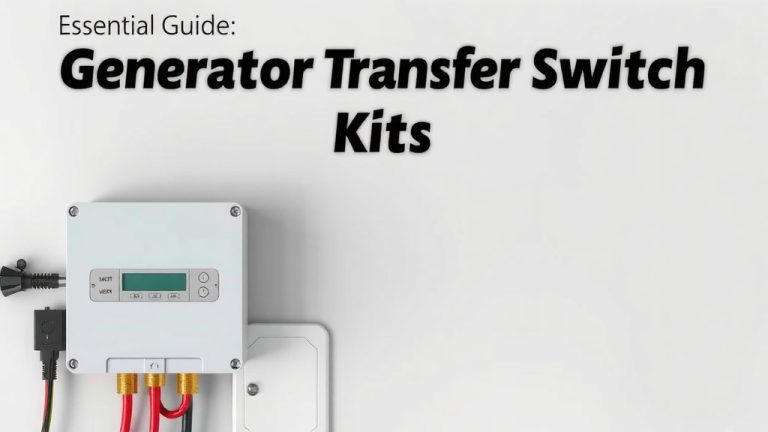
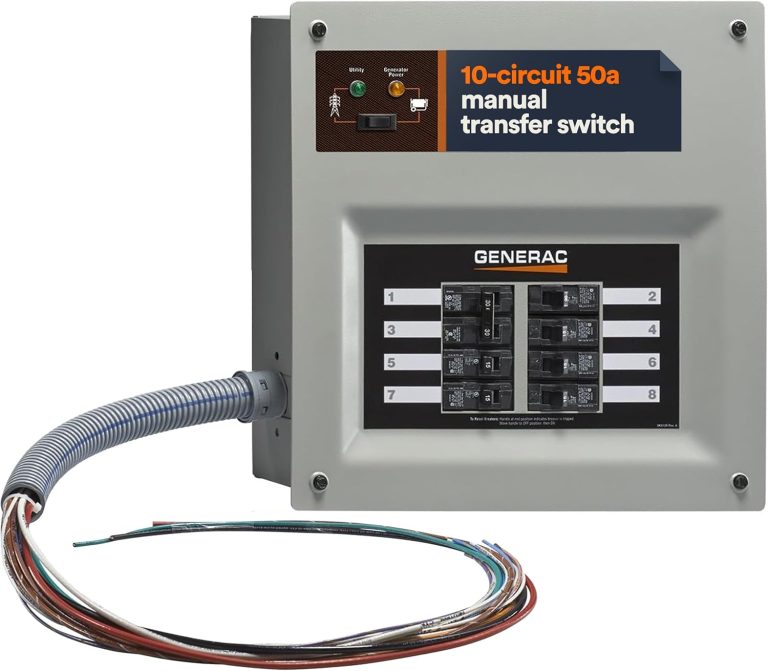
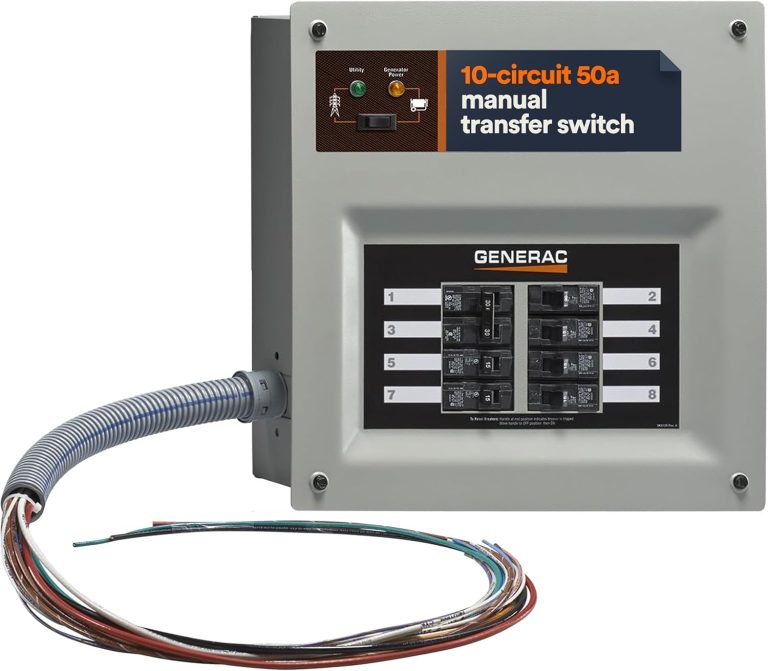
A manual transfer switch requires you to physically flip a switch when the power goes out. You walk to the unit, turn off the main breaker, start your generator, and then flip the switch to “Generator Power.”
This is the most popular choice for portable generators. They are easier to install and cost less. If you lose power a few times a year, a manual switch is all you really need.
Automatic Transfer Switches: Set It and Forget It
An automatic transfer switch (ATS) does all the work for you. It constantly monitors your utility power. When the electricity goes out, the switch automatically starts your generator and connects your home to it.
When power returns, it switches you back and shuts the generator down. This is a great option if you travel frequently or have medical equipment that needs power. The downside is that these systems cost significantly more and usually require a permanently installed standby generator.
Many experts say that if you already own a portable generator, a manual transfer switch is the best value.
Choosing the Right Size Transfer Switch
Buying the wrong size switch is a common mistake. The switch must match the wattage of your generator and the amperage of your electrical panel. Here is a simple breakdown:
- Most homes have a 100-amp or 200-amp main electrical panel.
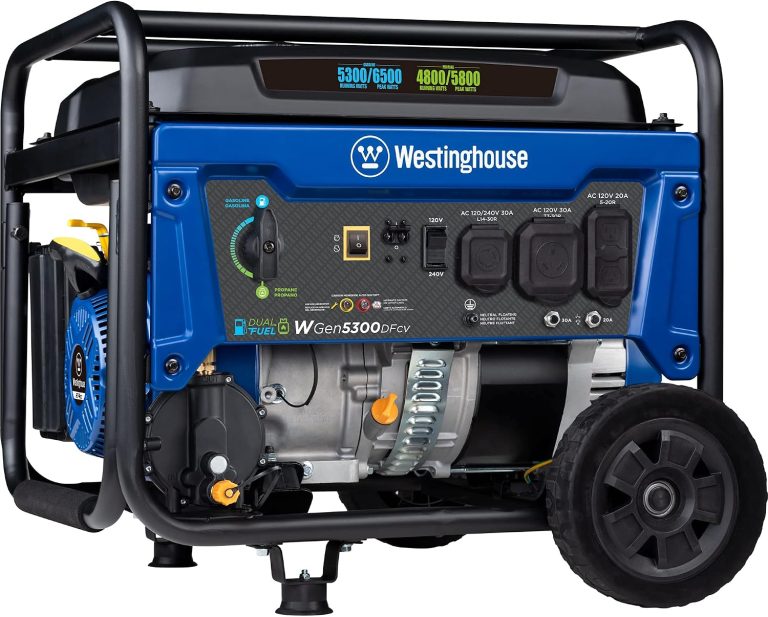
- Most portable generators produce between 3,000 and 10,000 watts.
- You choose a transfer switch rated for the circuits you want to power, not your whole house.
For a typical portable generator, you will likely need a 30-amp or 50-amp transfer switch. A 30-amp switch is common for generators up to 7,500 watts. It powers about 6 to 8 circuits.
A 50-amp switch handles larger generators and can power more circuits, like an electric water heater or a larger AC unit.
| Switch Type | Amperage | Best For |
|---|---|---|
| Manual | 30-Amp | Portable generators, small homes, basic circuits |
| Manual | 50-Amp | Larger portable generators, more appliances |
| Automatic | 50-Amp | Standby generators, whole-home backup |
You also need to check the voltage. Most homes use 120/240-volt systems. Your generator and switch must match this rating.
What Circuits Should You Power?
You cannot power your entire house with a portable generator. You need to prioritize. Think about what you truly need to stay safe and comfortable for 24 to 48 hours.
We recommend focusing on these essentials:
- Refrigerator and freezer to keep food cold.
- Furnace fan or boiler controls for heat.
- Well pump if you have private water.
- Lights in the main living areas and hallway.
- Sump pump to prevent basement flooding.
- One outlet for your phone charger and internet router.
You should not power large electric heaters, central air conditioners, or electric ovens. These pull too much power and will overload your generator.
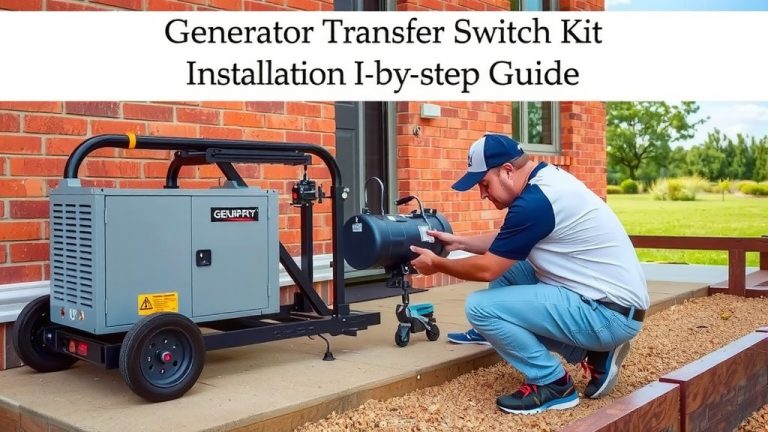
How a Transfer Switch Is Installed
Installing a transfer switch is not a DIY weekend project unless you are an experienced electrician. It involves working inside your main electrical panel, which carries lethal voltage.
You will need a permit from your local building department. A licensed electrician will pull the permit, do the work, and get it inspected. This is a safety step you should not skip.
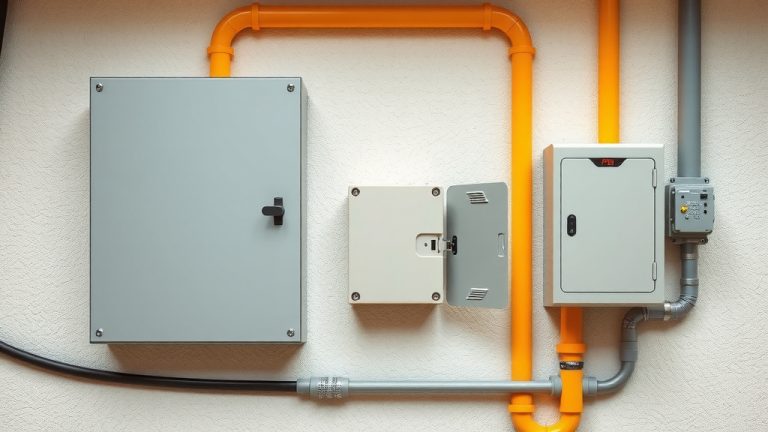
The installation process involves mounting the transfer switch box next to your main panel. The electrician then runs wires from specific circuits in your panel to the switch. This is why you decide which circuits you want to power before installation.
Preparing Your Home for Installation
Before the electrician arrives, you can do a few things to make the process smoother. First, make a list of the appliances you want to power. Second, clear the area around your electrical panel.
Finally, decide where your generator will sit outside. The transfer switch will have a power inlet box mounted on the outside wall. Your generator plugs into this box with a special heavy-duty cord.
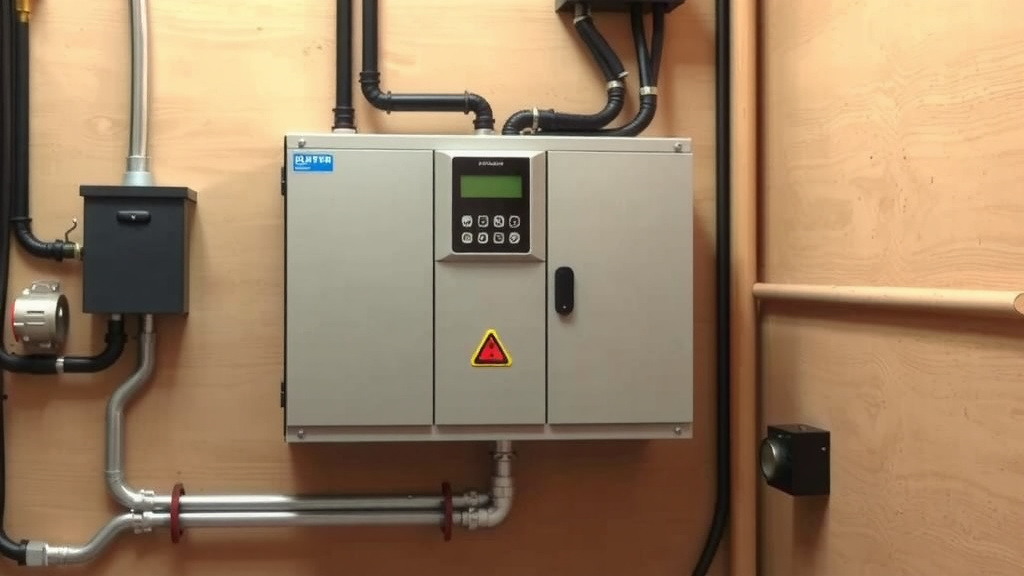
Step-by-Step Safety Checklist for Using Your Switch
Once your switch is installed, you must use it correctly every time. Mistakes happen when people are stressed and tired during a blackout. Here is a simple checklist to follow:
- Make sure the generator is outside and at least 20 feet from doors and windows.
- Check the generator’s oil and fuel levels before starting.
- Turn off the main breaker on your transfer switch.
- Start the generator and let it run for a few minutes to warm up.
- Plug the generator cord into the outside power inlet box.
- Switch on the individual circuits you want to power, one at a time.
When power comes back, reverse the steps. Turn off the generator, unplug the cord, and switch back to utility power. Doing this correctly prevents accidents every single time.
Testing Your Transfer Switch Before an Outage
Do not wait for a storm to test your setup for the first time. We found that practicing once a month keeps you ready and ensures the switch works. It only takes about 10 minutes.
Plug in your generator, start it, and go through the steps. Let it run for a few minutes to confirm everything works. This practice also keeps the generator’s engine lubricated and ready to go.
Many homeowners also test by turning off their main breaker to simulate a power outage. This confirms your switch is wired correctly without waiting for the real thing.
Common Mistakes to Avoid
Even with the best equipment, people make mistakes. Here are the top ones we see and how to avoid them.
Overloading the Generator
You can plug too many things into your switch. Watch the wattage meter on your generator if it has one. If the generator starts to strain or the lights dim, turn something off.
Using the Wrong Extension Cord
The cord between your generator and the inlet box must be rated for the amperage. A regular extension cord will melt and cause a fire. Use a heavy-duty cord with the correct locking plug.
Running the Generator Indoors
Generators produce carbon monoxide, a deadly gas you cannot smell. Many safety organizations, including the Centers for Disease Control and Prevention, report that generator exhaust kills people every year. Always run it outside, far from any open windows.
Final Thoughts on Making the Smart Choice
Getting a transfer switch is one of the smartest home upgrades you can make. It protects your family, your appliances, and the utility workers who restore your power.
You now know the difference between manual and automatic, how to size it, and how to use it safely. Next time the lights flicker, you will be ready to act quickly and confidently. Just remember to hire a licensed electrician and practice your routine before an emergency strikes.
Conclusion
You now have everything you need to safely connect your portable generator to your home. A transfer switch protects your family from backfeeding, keeps your appliances safe from power surges, and helps you stay comfortable during an outage.
Your next step is simple. Make a list of the circuits you want to power, then call a licensed electrician to get a quote for installation. Getting this done before the next storm hits means you will be ready when the lights go out.
Do not wait until an emergency to figure this out. Take action this week, and you will have peace of mind all year long.
Frequently Asked Questions
Can I install a transfer switch myself to save money?
You can if you are a licensed electrician. If you are not, this is a job best left to a professional. Working inside your main electrical panel is dangerous and requires a permit and inspection in most areas. The cost of hiring an electrician is worth protecting your home and your life.
What is the difference between a transfer switch and a generator interlock kit?
A transfer switch is a dedicated box that physically reroutes power through specific circuits. An interlock kit is a metal plate that prevents your main breaker and generator breaker from being on at the same time. Interlock kits are cheaper, but transfer switches offer better protection for your electronics and are easier to use.
How long does it take to install a generator transfer switch?
Most licensed electricians can complete the job in four to six hours. The exact time depends on how many circuits you want to power and how accessible your electrical panel is. You should also budget time for the local building inspection, which usually happens within a few days after installation.
Will a transfer switch work with any portable generator?
You need to match the switch amperage to your generator’s output. A 30-amp switch works with generators up to 7,500 watts. A 50-amp switch works with larger generators. Check your generator’s wattage and plug type before you buy a switch to make sure they are compatible.
What happens if the power comes back on while I am using the generator?
Your transfer switch will prevent the generator power from flowing back into the utility lines. When you are ready to switch back, you simply reverse the steps. Turn off the generator, unplug the cord, and flip the main breaker back on. The switch makes this process completely safe and straightforward.