Built to Last? How Long Do Solar Powered Generators Last in the Long Run
Have you ever wondered if investing in a solar powered generator is actually worth it? I mean, if it’s only going to last a couple of years, what’s the point, right? Well, I’ve got some great news for you. Solar powered generators are actually designed to be some of the most durable pieces of equipment you can own. Let me walk you through everything you need to know about their lifespan and longevity.
Understanding Solar Powered Generators and Their Components
Before we dive into how long these systems last, it’s important to understand what we’re actually talking about. A solar powered generator isn’t just one single product—it’s really a system made up of several different components, each with its own lifespan. Think of it like a car. The engine might last 200,000 miles, but the battery might only last 100,000. It’s the same concept here.
What Makes Up a Solar Generator System?
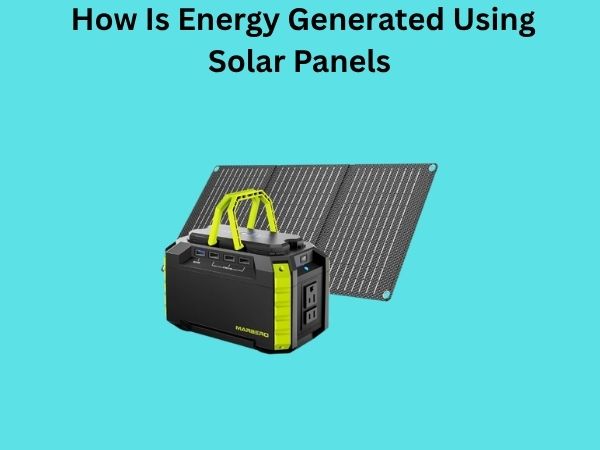
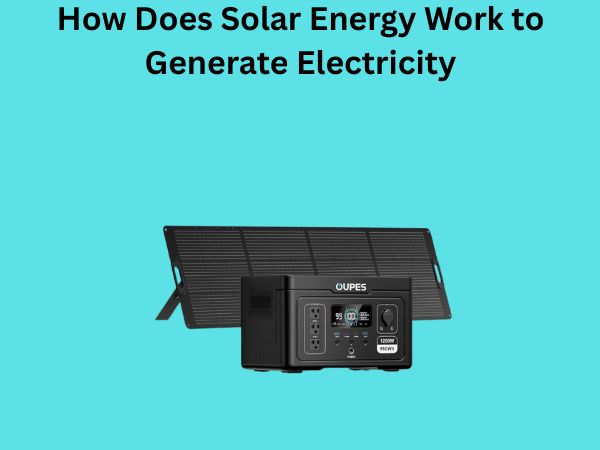
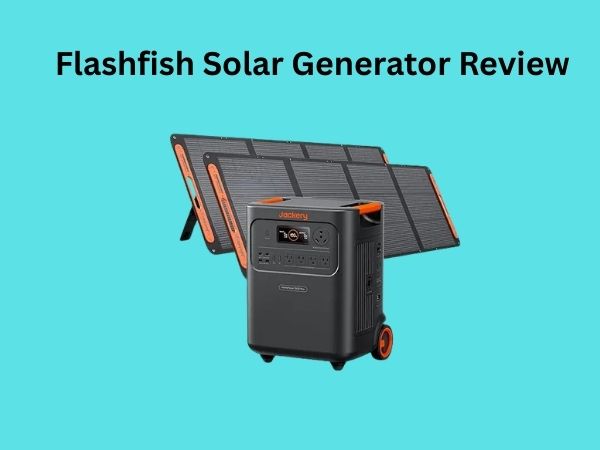
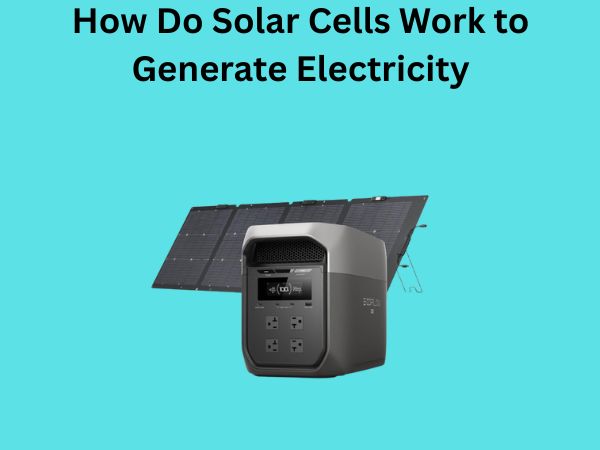
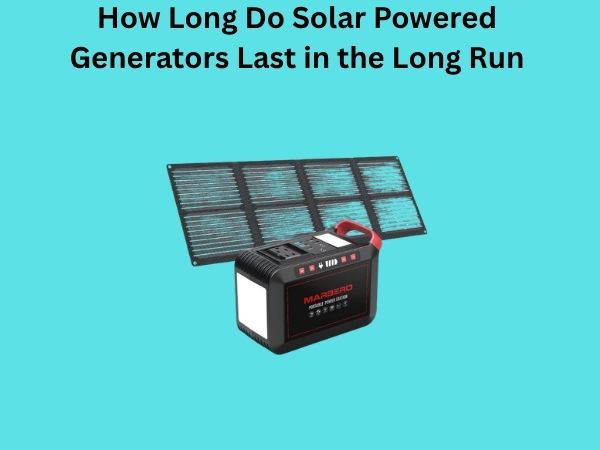
Your solar powered generator consists of three main parts: the solar panels, the battery storage system, and the inverter. Each of these components plays a crucial role in how long your entire system will function effectively. The solar panels collect energy from the sun, the battery stores that energy for later use, and the inverter converts the stored energy into usable electricity for your devices. Understanding each component helps you grasp why they have different lifespans.
How Long Do Solar Panels Really Last?
Let’s start with the most visible part of your solar powered generator: the solar panels. This is probably what you’re most curious about, and I don’t blame you. After all, panels are typically the most expensive component of the system.
The Lifespan of Modern Solar Panels
Modern solar panels are built tough, and they’re meant to stick around for a long time. Most reputable manufacturers guarantee their solar panels for 25 to 30 years. Yes, you read that right—25 to 30 years! In reality, many panels continue working well beyond this timeframe, often lasting 40 years or more. That’s longer than many marriages, I’d say.
The reason they last so long is that solar panels have no moving parts. There’s nothing spinning, nothing heating up excessively, and nothing that needs constant maintenance. It’s just silicon doing what it does best: converting sunlight into electricity. The most common failure mode is simply a gradual degradation in efficiency, not a complete failure.
Efficiency Degradation Over Time
Here’s where things get interesting. Solar panels don’t suddenly stop working after 25 years. Instead, they slowly lose their efficiency at a rate of about 0.5% to 0.8% per year. So if your panel is operating at 100% efficiency today, it might be at 99.2% efficiency next year. It’s a slow, gradual decline, almost imperceptible on a day-to-day basis.
After 25 years, a typical solar panel might only be operating at about 80% to 85% of its original efficiency. Is that a problem? Not really. It’s still producing plenty of electricity. You’ll notice a slight decrease in energy production, but nothing that would make you rush to replace the panels.
Understanding Battery Storage and Its Lifespan
Now let’s talk about the heart of your solar powered generator system: the battery. This is where things get a bit more complex because batteries are the component most likely to need replacement before the rest of your system.
Different Battery Types and Their Durability
Not all batteries are created equal, and this is crucial to understand. There are several types of batteries used in solar systems, and each has a different lifespan. Let me break this down for you:
- Lithium-ion batteries: These are the gold standard of solar storage. They typically last 10 to 15 years or even longer. Many manufacturers offer warranties of 10 to 12 years, and real-world experience shows they often exceed these guarantees. They’re expensive upfront, but they’re incredibly reliable.
- Lead-acid batteries: The older technology you’ll see in some systems. These usually last 5 to 10 years, depending on how well you maintain them. They’re cheaper than lithium-ion, but they require more care and attention.
- Saltwater batteries: A newer option that’s becoming more popular. These typically last 10 to 15 years and don’t require the same maintenance as lead-acid batteries.
- Flow batteries: An emerging technology that can last 20 to 25 years. They’re not as common yet, but they’re incredibly durable.
Battery Degradation and Cycle Life
Batteries don’t just fail randomly. Instead, they degrade gradually with each charge and discharge cycle. This is measured in something called “cycle life.” A single cycle is when you charge your battery fully and then discharge it fully. Lithium-ion batteries can typically handle 3,000 to 5,000 full cycles before they degrade to about 80% of their original capacity.
Here’s the math: if you run one full cycle per day, that’s about 3,000 to 5,000 days, or roughly 8 to 14 years of daily use. But most people don’t run a full cycle every single day. Some days you might only use 20% of your battery capacity. In these cases, your battery could last significantly longer because you’re accumulating cycles more slowly.
The Inverter: The Unsung Hero
The inverter is the component that often gets overlooked, but it’s absolutely essential to your system. It’s the device that converts the direct current (DC) electricity stored in your battery into alternating current (AC) electricity that your devices can use.
How Long Do Inverters Last?
Good quality inverters typically last 10 to 15 years. Some can even go longer with proper maintenance. However, inverters are more likely to fail than solar panels because they have electronic components that can degrade or fail. Think of it like a computer—sometimes things just go wrong.
The lifespan of your inverter depends heavily on the quality of the unit and the operating conditions. If your inverter is well-ventilated and not subjected to extreme temperatures, it will last longer. Overheating is one of the primary causes of inverter failure, so proper installation and ventilation are key.
How Long Can You Realistically Expect From Your Entire System?
Now that we’ve covered each component, you might be wondering: so what’s the bottom line? How long will my solar powered generator actually work?
The Overall System Lifespan
When you put it all together, a well-designed and properly maintained solar powered generator system can realistically last 25 to 30 years. Some components will need replacement during this time—most likely the battery—but the core solar panels will keep chugging along for decades.
It’s kind of like owning a house. You might need to replace the roof, the HVAC system, and the plumbing over the years, but the foundation and the walls are meant to last for generations. Your solar system works the same way.
Component Replacement Timeline
- Years 0-10: Your system should operate at peak efficiency with minimal maintenance needed.
- Years 10-15: Your battery might start showing signs of degradation. This is typically when you’d consider replacing it.
- Years 15-20: Your inverter might need replacement around this time. Solar panels continue to work well.
- Years 20-25: Your panels are still going strong, though at slightly reduced efficiency. A new battery could be in order if not already replaced.
- Years 25+: Many original panels still function well. You might be on your third battery and second inverter, but the system is still producing power.
Factors That Influence How Long Your System Lasts
The lifespan I’ve described isn’t guaranteed. Several factors can either extend or shorten how long your solar powered generator actually lasts. Let me share the ones that matter most:
Climate and Weather Conditions
Your location plays a huge role in system longevity. Solar panels in sunny, dry climates tend to last longer than those in areas with extreme weather. High humidity, salt spray in coastal areas, and frequent temperature fluctuations can all accelerate degradation. If you live in a harsh climate, you might want to budget for earlier component replacement.
Installation Quality
How your system is installed matters tremendously. A properly installed system will outlast a poorly installed one every time. Make sure your installer knows what they’re doing. Poor installation can lead to water damage, electrical issues, and premature failure of components. This is where you shouldn’t skimp on quality.
Regular Maintenance and Care
Just like your car needs oil changes, your solar system benefits from regular care. Cleaning your solar panels a couple of times a year can improve efficiency and prevent buildup that could cause damage. Checking battery connections, ensuring proper ventilation around your inverter, and monitoring your system’s performance can add years to its lifespan.
Quality of Components Used
Not all solar panels are created equal, and not all batteries are the same. Premium brands with solid reputations tend to last longer than budget options. Yes, you’ll pay more upfront, but it’s an investment that pays dividends over the decades your system operates.
Signs Your Solar System Might Be Failing
How do you know if your solar powered generator is nearing the end of its life? There are several warning signs to watch for:
Decreased Energy Production
If you’re suddenly producing significantly less electricity than you used to, something’s up. Now, a slight decrease over years is normal, but if your production drops 20% or more in a short period, it’s time to investigate. This could indicate panel degradation, battery issues, or inverter problems.
Battery Not Holding Charge
If your battery charges up but then quickly discharges without using any electricity, your battery is probably failing. This is one of the most common signs of battery degradation and usually means replacement time is near.
Inverter Display Shows Errors
Modern inverters display error codes when something goes wrong. If you’re seeing error messages on your inverter display, consult the manual or contact your installer. These codes can tell you exactly what’s failing.
Extending the Life of Your Solar Powered Generator
Want to squeeze every last year out of your system? Here are some practical steps you can take:
Keep Your Panels Clean
Dust, dirt, bird droppings, and leaves can reduce your panel output significantly. Cleaning them a couple of times per year with water and a soft cloth is all you need. In rainy climates, natural rainfall might do most of the cleaning for you.
Maintain Proper Ventilation
Make sure your inverter and batteries have plenty of airflow. Overheating is a killer for electronic components. If your inverter is in a confined space, consider adding a small fan or relocating it to a better-ventilated area.
Monitor Your System
Most modern solar systems come with monitoring apps that track performance. Check these regularly. They’ll alert you to problems before they become serious, giving you time to plan for repairs or replacements.
Avoid Deep Discharges With Batteries
If you’re using lead-acid batteries, try not to discharge them completely every time. Keeping them between 20% and 80% charged extends their lifespan significantly. Lithium-ion batteries are more forgiving, but this practice still helps.
The Cost of Replacing Components
Let’s talk about the financial side of things. Eventually, you’ll need to replace some components. What will that cost you?
Battery Replacement Costs
Battery replacement is usually the most expensive single maintenance item. Lithium-ion batteries can cost $5,000 to $15,000 or more depending on capacity. Lead-acid batteries are cheaper, typically $2,000 to $5,000. It’s a significant expense, but remember you’re potentially getting another 10 to 15 years of service from a new battery.
Inverter Replacement Costs
A quality inverter replacement typically runs $2,000 to $8,000 depending on capacity and brand. It’s less expensive than a battery but still a meaningful investment. The good news is that inverter replacement doesn’t disrupt your entire system—once it’s swapped out, you’re back to normal operation.
Comparing Solar Generators to Traditional Power Options
I think it’s worth stepping back and comparing solar powered generators to other backup power options you might consider. A traditional gas generator might cost less upfront, but what about over 25 years? You’ll need to buy fuel constantly, perform regular maintenance, and eventually replace the engine. Solar systems have higher upfront costs but virtually no fuel costs and minimal maintenance. Over the long term, solar often wins out financially, plus you’re not burning fossil fuels.
Real-World Examples and Success Stories
I’ve researched numerous cases of solar systems that have been operating for 20+ years. Most report that their panels are still working well, though they’ve typically replaced batteries once or twice and inverters once. One homeowner reported that their system installed in 1998 is still producing about 85% of its original output. That’s over 25 years of reliable service. These aren’t anomalies—they’re becoming increasingly common.
Conclusion
So, how long do solar powered generators last? The answer is: a very long time. Your solar panels will likely outlive most other components, operating reliably for 25 to 40 years or beyond. Your battery will probably need replacement in 10 to 15 years, and your inverter might need attention around the 15-year mark. But the beauty of a modular system is that you replace components as needed while keeping the core functioning.
Think of your solar powered generator as a long-term investment in energy independence. Yes, you’ll eventually replace some parts, just like you maintain any major system in your life. But the foundation—your solar panels—will keep working for decades. When you consider the thousands of dollars you’ll save on electricity costs over that time, plus the environmental benefits and peace of mind that comes with energy independence, the investment absolutely makes sense. You’re not just buying a power solution; you’re building a system that will serve you and potentially your family for generations.
Frequently Asked Questions
What’s the average lifespan of a solar powered generator battery?
Most solar powered generator batteries last between 10 to 15 years, depending on the type and how well you maintain them. Lithium-ion batteries tend to last on the longer end of that range, while lead-acid batteries might only reach 10 years. The lifespan depends on charge cycles, temperature management, and regular monitoring. Many manufacturers offer warranties that back up these timelines, and batteries often exceed their warranty periods with proper care.
Do solar panels really last 30 years?
Yes, quality solar panels absolutely can and often do last 30 years or longer. Manufacturers typically warrant them for 25 to 30 years, and real-world data shows many panels continue producing electricity well beyond this timeframe. While they may lose about 0.5% to 0.8% efficiency per year, they’re still producing useful power even after 30 years. This gradual