How Does Solar Generate Energy? Explained in Simple Words
Ever wonder why your neighbor’s roof looks like it’s covered in shiny black panels that somehow power their entire home? You’re not alone. Solar energy has become one of the most talked-about renewable energy sources, yet many people still scratch their heads trying to understand how sunlight transforms into electricity that runs their refrigerator, charges their phone, and powers their Netflix binges.
The truth is, solar energy generation isn’t some complicated magic trick reserved for scientists in white coats. It’s actually a fascinating process that happens right above your head, day after day. Let me break it down for you in a way that makes sense, without all the confusing jargon.
Understanding the Basics: What Is Solar Energy?
Before we dive into the nitty-gritty of how solar panels work, let’s start with the fundamentals. Solar energy is essentially energy that comes directly from the sun. Think of it as the sun’s gift to us—a constant, reliable source of power that’s been fueling life on Earth for billions of years.
The sun produces an enormous amount of energy through nuclear fusion in its core. This energy travels to Earth in the form of light and heat. Every single day, the sun delivers enough energy to our planet to power the entire world multiple times over. The challenge has always been figuring out how to capture and convert that energy into something we can actually use in our homes and businesses.
The Main Components of a Solar Energy System
Solar energy generation isn’t just about slapping some panels on your roof and calling it a day. There’s actually a team of components working together to make the whole system function properly. Let me introduce you to the key players.
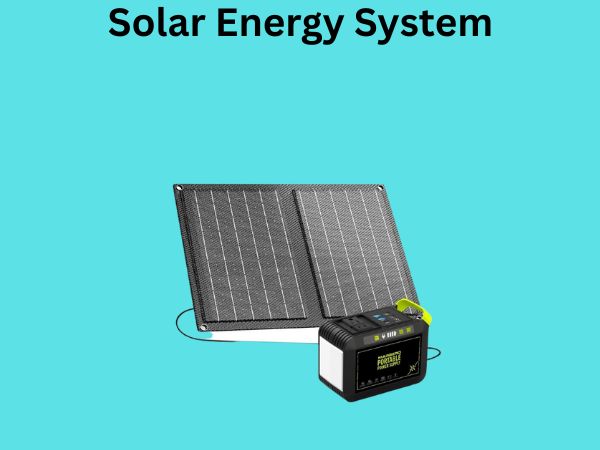
Solar Panels: The Workhorses
Solar panels are the most visible part of any solar energy system. These rectangular devices sit on your roof or in an open area where they can soak up as much sunlight as possible. But what exactly are they made of?
Inside each solar panel are hundreds of smaller units called solar cells, which are typically made from silicon, a material that’s excellent at converting light into electricity. When sunlight hits these cells, something magical happens at the atomic level that we’ll explore shortly.
The Inverter: The Translator
Here’s where things get interesting. Solar panels naturally produce what’s called direct current electricity, or DC electricity. However, your home runs on alternating current electricity, or AC electricity. Think of it like having a conversation in Spanish when everyone around you speaks English. You need a translator, right?
That’s exactly what an inverter does. It takes the DC electricity produced by your solar panels and converts it into AC electricity that your home can actually use. Without the inverter, your solar panels would be completely useless, no matter how much sunlight they captured.
Battery Storage Systems
In some solar setups, especially in areas with unreliable grid connections, batteries play a crucial role. These are rechargeable units that store excess energy your panels produce during sunny days so you can use it when the sun goes down or clouds roll in.
It’s like saving money for a rainy day, except you’re saving electricity instead. Modern battery systems, like lithium-ion batteries, are becoming increasingly affordable and efficient, making them a popular choice for homeowners who want energy independence.
The Science Behind Solar Energy Generation
Now let’s get into the fascinating science of how sunlight actually becomes electricity. Don’t worry—I’ll keep it simple and digestible.
The Photovoltaic Effect Explained
At the heart of solar energy generation is something called the photovoltaic effect. This is a scientific term that simply means “light produces electricity.” When photons, which are tiny particles of light, strike the silicon cells in your solar panel, they energize electrons within the material.
Imagine electrons as tiny dancers standing still on a stage. When the music of sunlight starts playing, they get excited and start moving around. These moving electrons create an electric current, which is exactly what we need to power our devices.
The Role of Silicon and Its Structure
Silicon is a semiconductor, which is a fancy way of saying it sits right between being a conductor and an insulator. Solar panels typically use two types of silicon layers working together: n-type silicon (negative) and p-type silicon (positive).
When these two layers are placed together, they create something called a junction. This junction is where the real action happens. When photons hit the junction, they knock electrons loose from their atoms, and these free electrons naturally want to flow toward the positive layer, creating an electric current in the process.
Creating the Electric Field
The magic really happens because of something called an electric field that exists at the junction between the two silicon layers. This field acts like a one-way street for electrons, pushing them in a specific direction and preventing them from flowing backward.
Think of it like a mountain with a river flowing downhill. The river naturally flows one way because of gravity. Similarly, the electric field naturally pushes electrons in one direction, creating a steady, usable electric current.
From Sunlight to Your Home: The Complete Journey
Step One: Sunlight Hits the Panel
It all begins when photons from the sun strike your solar panel. These panels are designed to be highly reflective of certain wavelengths of light and absorb others efficiently. The best solar panels capture somewhere between fifteen and twenty percent of the sunlight that hits them, though research is constantly pushing these efficiency numbers higher.
Step Two: Electrons Get Excited
As we discussed, the photons knock electrons loose from their atoms in the silicon. These newly freed electrons are full of energy and want to move. However, they don’t move randomly—they’re directed by the electric field we talked about earlier.
Step Three: DC Electricity Is Generated
All these moving electrons create a direct current of electricity within the solar panel. Metal contacts on the surface of the panel collect this current and channel it out through wires.
Step Four: The Inverter Converts to AC
The DC electricity flows to your inverter, which converts it into AC electricity. This is essential because every appliance in your home is designed to run on AC electricity. Your refrigerator, air conditioning system, lights, and television all expect AC power.
Step Five: Power Is Distributed
The AC electricity from your inverter flows into your home’s electrical panel, also called a breaker box. From there, it’s distributed throughout your home, powering everything you need. Any excess electricity might charge your batteries, feed back into the grid if you’re connected to one, or simply be wasted if you’re not capturing it.
Different Types of Solar Energy Systems
Not all solar systems are created equal. Depending on your situation, location, and goals, you might choose a different type of setup.
Grid-Tied Solar Systems
This is the most common type of residential solar installation. Your solar panels are connected to your home’s electrical system and also connected to the public electrical grid. When your panels produce more electricity than you’re using, the excess automatically feeds back into the grid, and your meter actually runs backward. During nighttime or cloudy days, you simply draw power from the grid as needed.
It’s like having a two-way relationship with the power company. You help them when you can, and they help you when you need it.
Off-Grid Solar Systems
Off-grid systems are completely independent from the public electrical grid. These are common in remote areas or for people who want complete energy independence. These systems almost always include battery storage because you need a way to bank energy for nighttime and cloudy periods.
Off-grid living requires careful energy management because you only have whatever energy you’ve stored in your batteries. It’s challenging but incredibly rewarding for those who value self-sufficiency.
Hybrid Solar Systems
Hybrid systems offer the best of both worlds. You’re connected to the grid for backup power when needed, but you also have battery storage for energy independence and protection against power outages. As battery technology continues to improve and become more affordable, hybrid systems are becoming increasingly popular.
Factors That Affect Solar Energy Generation
Solar panels won’t generate the same amount of electricity all the time. Several factors influence how much power your system produces on any given day.
Sunlight Intensity and Angle
Direct sunlight produces more energy than diffuse sunlight. On a clear, sunny day, your panels will perform at their peak. On overcast days, they’ll still produce electricity, but at a reduced rate. The angle of the sun also matters—panels perform best when the sun is shining directly perpendicular to their surface.
Temperature Effects
Here’s something that might surprise you: solar panels actually work more efficiently when they’re cool. High temperatures can reduce efficiency by one-half to one percent per degree Celsius above 25 degrees Celsius. So while a scorching hot day seems ideal, your panels would actually perform better on a sunny but cooler day.
Shading and Obstructions
If your panels are shaded by trees, buildings, or other obstructions, their output will drop significantly. Even partial shading on just one panel can affect the entire system’s performance. This is why proper installation location is so crucial.
Panel Cleanliness
Dust, dirt, bird droppings, and other debris can reduce the amount of sunlight reaching the solar cells. While modern panels are quite durable and self-cleaning to some extent, occasional cleaning can help maintain optimal performance.
The Efficiency Question: How Efficient Are Solar Panels?
When we talk about solar panel efficiency, we’re referring to what percentage of the sunlight hitting the panel gets converted into usable electricity. As I mentioned earlier, most modern residential solar panels have efficiency ratings between fifteen and twenty percent.
Now, you might think that sounds pretty low. After all, that means eighty-five percent of the sunlight is wasted, right? But here’s the thing: that’s actually pretty remarkable when you consider what’s happening at the atomic level. Plus, the sun delivers so much energy that even capturing a small percentage can power an entire home.
For comparison, the efficiency of other energy sources varies widely. Some coal power plants operate at about thirty-five percent efficiency, and even then, they require fuel that needs to be mined, transported, and burned. Solar panels require sunlight, which is free and infinite.
Solar Energy Generation vs. Other Renewable Sources
Solar vs. Wind Power
Wind turbines are another popular renewable energy source, but they have different advantages and disadvantages. Wind power is often more reliable in certain geographic locations and can generate electricity twenty-four hours a day if there’s wind. However, wind turbines require significant space and can face aesthetic and wildlife concerns.
Solar panels, on the other hand, are quieter and take up less vertical space, though they do need unobstructed access to sunlight.
Solar vs. Hydroelectric Power
Hydroelectric power is incredibly efficient and reliable, but it’s geographically limited to areas with flowing water and significant elevation changes. Solar power can be deployed almost anywhere, making it more universally accessible.
The Economic Side of Solar Energy
Let’s talk about the financial reality of solar energy generation. The initial investment in solar panels and installation can be substantial, often ranging from fifteen thousand to twenty-five thousand dollars for a residential system before incentives.
However, many governments offer tax credits, rebates, and other incentives to offset these costs. Additionally, the cost of solar technology has dropped dramatically over the past decade. Panels that cost several dollars per watt a decade ago now cost less than a dollar per watt in many markets.
When you factor in the electricity your system generates over its twenty-five to thirty-year lifespan, the return on investment becomes quite compelling. Many homeowners find that their solar system pays for itself within five to eight years, and then they enjoy free electricity for the remainder of the panel’s lifespan.
Common Misconceptions About Solar Energy
Myth: Solar Panels Don’t Work on Cloudy Days
This is partially true but misleading. While solar panels definitely produce less electricity on cloudy days, they still generate power. Diffuse light can still energize electrons in the silicon. You’ll get maybe twenty to thirty percent of the energy on a cloudy day compared to a sunny day, but it’s not zero.
Myth: You Need to Live in a Sunny Climate for Solar to Work
While sunny climates certainly have an advantage, solar systems work in many different climates. Germany is a leader in solar energy adoption despite its relatively cloudy weather. As long as you get a reasonable amount of daylight, solar can work for you.
Myth: Solar Panels Stop Working in Winter
Cold weather doesn’t stop solar panels from working—remember, it actually makes them more efficient. Shorter days and lower sun angles reduce output in winter, but the panels continue to generate electricity throughout the year.
The Future of Solar Energy Generation
Solar technology is constantly evolving. Researchers are developing perovskite solar cells that could be cheaper and more efficient than traditional silicon panels. Thin-film solar technology continues to improve, offering flexibility and lighter weight compared to conventional panels.
Building-integrated photovoltaics (BIPV) are emerging technologies that integrate solar cells directly into building materials like windows, roofing tiles, and walls. Imagine your entire house being a power generator.
Innovations in energy storage are equally exciting. Battery technology is improving rapidly, with solid-state batteries and other next-generation storage solutions on the horizon. These advances will make off-grid living and greater energy independence increasingly practical for more people.
Installing and Maintaining Your Solar System
If you’re considering installing solar panels, you’ll want to understand the process. First comes a site assessment to determine your home’s solar potential. Next, you’ll get a system design tailored to your energy needs and roof configuration.
Installation involves mounting the panels, running electrical wiring, installing the inverter and any battery systems, and connecting everything to your electrical panel. This typically takes a day or two for most residential installations.
Maintenance is refreshingly simple. Most solar systems require very little upkeep beyond occasional cleaning and making sure nothing is blocking the panels. The inverter may need replacement after ten to fifteen years, which is a manageable expense.
Getting Started with Solar Energy
If you’re interested in harnessing solar energy for your home, start by getting a professional energy audit. This will show you exactly how much electricity your home currently uses and help determine what size solar system you need.
Next, research local installers, compare quotes, and ask about incentives available in your area. Many utility companies, states, and the federal government offer programs to help make solar more affordable.
Conclusion
Solar energy generation isn’t nearly as complicated as it might initially seem. At its core, it’s a beautiful process where photons from the sun knock electrons loose from silicon atoms, creating an electric current that’s converted from direct current to alternating current, and then distributed throughout your home to power everything from your morning coffee maker to your evening entertainment system.
The sun has been providing energy to our planet for billions of years, and now we finally have the technology to harness that energy reliably and affordably. Whether you’re motivated by environmental concerns, economic savings, or energy independence, solar power offers a practical solution that’s becoming increasingly accessible.
The future of energy is becoming clearer every day, and solar is undoubtedly a major part of that future. By understanding how solar energy generation works, you’re taking the first step toward making an informed decision about whether this renewable energy source is right for