How a Solar Generator Works: Complete Beginner-Friendly Explanation
Have you ever wondered what happens when sunlight hits those shiny solar panels on a roof? Or maybe you’ve been curious about whether a solar generator could power your home during a blackout? You’re not alone. Solar generators have become increasingly popular, and for good reason. They’re like having your own personal power plant that runs on free energy from the sun.
In this guide, I’m going to walk you through exactly how solar generators work, breaking down the process into digestible chunks so that even if you’ve never thought about renewable energy before, you’ll understand the complete picture. By the end, you’ll know what happens from the moment sunlight touches the panels all the way to powering your devices.
Understanding the Basic Concept of Solar Generators
Let me start with the fundamentals. A solar generator isn’t actually a generator in the traditional sense—it doesn’t have spinning turbines or burn fuel. Instead, think of it as a sophisticated system that captures energy from the sun and stores it for you to use whenever you need it. It’s more like a bridge between the sun’s unlimited energy and your everyday power needs.
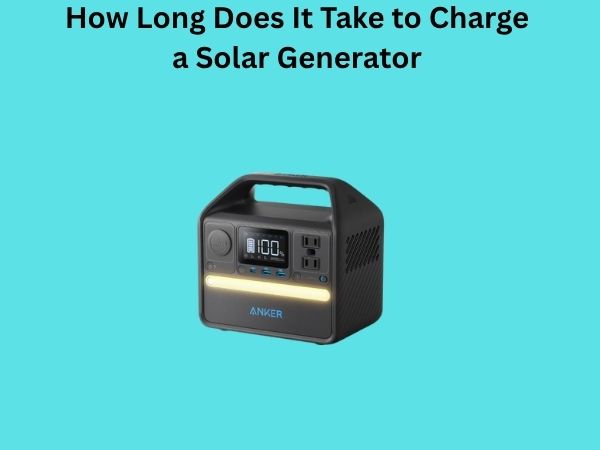
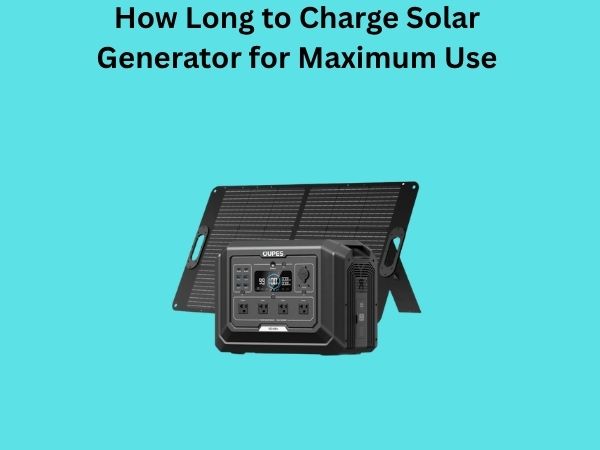
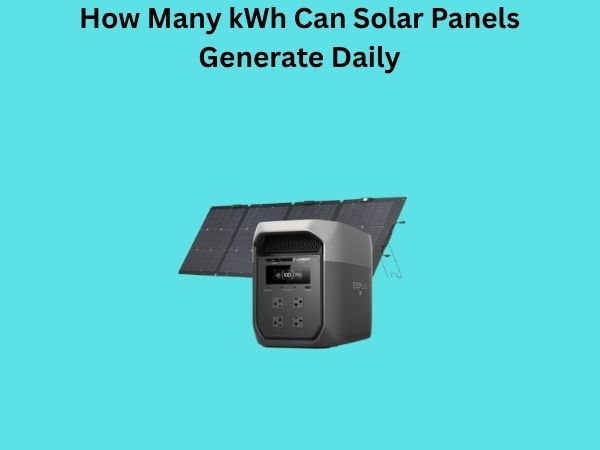
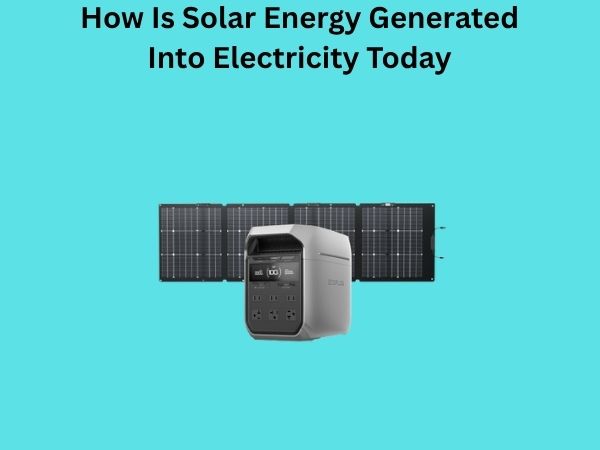
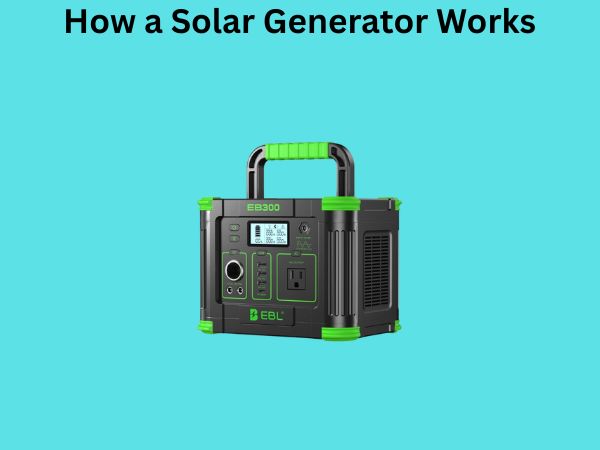
At its core, a solar generator consists of three main components working together in harmony: solar panels that capture sunlight, a battery that stores the energy, and an inverter that converts stored energy into usable electricity. Each piece plays a critical role in this energy transformation process.
Why Solar Generators Matter Today
In our world where power outages happen unexpectedly and electricity bills keep climbing, having an independent power source makes sense. Solar generators offer freedom from grid dependency, lower long-term energy costs, and environmental benefits. They’re versatile enough for camping trips, backup power during emergencies, or even off-grid living.
The Three Essential Components of a Solar Generator
Before we dive into how these components work together, let’s understand what each one does individually. It’s like learning about the instruments in an orchestra before listening to a symphony.
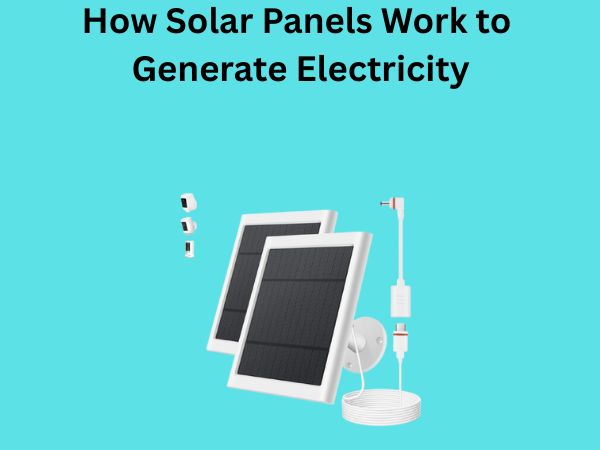
Solar Panels: The Energy Collectors
Solar panels are the visible part of the system—those blue or black rectangular modules you see on roofs. Their job is straightforward: grab energy from sunlight and convert it into electrical energy. But how exactly do they accomplish this feat?
Inside each solar panel are thousands of tiny cells made from a special material called silicon. Silicon has a unique property: when sunlight hits it, the photons (particles of light) knock electrons loose from the silicon atoms. This creates what physicists call the photovoltaic effect. Imagine bumping into someone and causing them to move—that’s essentially what photons do to electrons.
How Photons Create Electricity
When photons strike the silicon cells, they transfer energy to electrons, giving them enough power to escape their atoms. These free electrons want to flow from one place to another, creating an electrical current. To keep them moving in the right direction, solar cells are designed with two layers of silicon—one with extra electrons (negative) and one missing electrons (positive). This creates an electric field that pushes electrons in one direction, generating a steady current.
Types of Solar Panels Used in Generators
You’ll typically find two types of solar panels used with generators:
- Monocrystalline panels are made from a single silicon crystal and are more efficient but more expensive
- Polycrystalline panels contain multiple silicon fragments, are less efficient but more affordable
For portable solar generators, monocrystalline panels are often preferred because they deliver more power in a smaller, lighter package—crucial when you’re moving your generator around.
The Battery: Your Energy Storage Tank
Here’s where the magic of independence happens. The battery is like a savings account for solar energy. During sunny days when your panels produce more power than you need, excess energy gets stored in the battery. During nighttime or cloudy days, you can withdraw that stored energy and use it.
Most modern solar generators use lithium-ion batteries, the same technology powering your smartphone and electric vehicles. These batteries are superior to older lead-acid batteries because they’re lighter, store more energy in a smaller space, last longer, and charge more efficiently.
How Battery Storage Works
Inside a lithium-ion battery, energy storage happens through chemical reactions. The battery contains two terminals called electrodes (a positive end and a negative end) separated by a chemical medium. When your panels produce electricity, it flows into the battery where it powers a chemical reaction that stores energy in the materials. When you need power, reversing this process releases the stored energy back out as electricity.
Battery Capacity and What It Means
You’ve probably seen solar generators labeled with numbers like “1000Wh” or “3000Wh.” That “Wh” stands for watt-hours, which measures how much energy the battery can store. A 1000Wh battery can deliver 1000 watts of power for one hour, or 500 watts for two hours. Understanding this helps you choose the right generator for your needs.
The Inverter: Converting DC to AC Power
Here’s something that often confuses people: the electricity generated by solar panels and stored in batteries is called direct current (DC), but most of your household devices need alternating current (AC). The inverter is the translator that converts DC power into AC power.
Think of it like converting between currencies when traveling internationally. Your panels produce “solar dollars,” but your laptop needs “household dollars.” The inverter exchanges one form of currency for another.
Understanding AC versus DC Power
Direct current (DC) flows in one direction, like water flowing downstream. Alternating current (AC) reverses direction many times per second, oscillating back and forth. This alternating pattern is what allows AC to be transmitted efficiently over long distances, which is why utility companies use it for the electrical grid.
How Inverters Perform Their Function
Modern inverters use electronic switching to rapidly reverse the direction of the DC current, creating the alternating pattern needed for AC power. High-quality inverters do this smoothly thousands of times per second, ensuring stable, reliable power for sensitive electronics like computers and televisions.
The Journey of Energy: From Sun to Your Device
Now that you understand the three components, let’s trace the path energy takes in a solar generator system.
Stage One: Capture and Initial Conversion
On a sunny afternoon, photons from the sun strike your solar panels. The silicon cells inside immediately begin the photovoltaic process, converting light energy into direct current electricity. This DC electricity flows out of the panels through connecting wires toward the battery.
But the electricity doesn’t go directly into your devices. That’s where the controller comes in—a small device that regulates the flow of electricity. It prevents overcharging the battery (which would damage it) and ensures the right voltage reaches the battery. Think of it as a traffic controller managing the flow of vehicles on a busy road.
Stage Two: Storage and Waiting
The regulated electricity enters the battery, where it powers those chemical reactions we discussed. The energy gets stored as chemical potential, waiting patiently to be used. Meanwhile, you can continue using electricity from the panels directly through the inverter if you’re drawing power during sunny hours.
Stage Three: Conversion and Delivery
When you plug in a lamp or device that needs power, a few things happen instantly. First, power is drawn from either the panels (if they’re generating enough) or the battery (if the panels aren’t producing enough or you’re using it at night). That DC power flows to the inverter, which converts it to AC power. Finally, this converted power travels through your device’s power cord and brings your lamp to life.
Efficiency: Why You Don’t Get 100% of the Sun’s Energy
You might wonder why your generator doesn’t convert all the sun’s energy. The simple answer is that energy conversion always involves losses. It’s like trying to pour water from one container to another—some always splashes out or sticks to the sides.
Where Efficiency Losses Occur
Several factors reduce the amount of usable power you get from sunlight:
- Solar panels typically convert 15-22% of sunlight into electricity; the rest becomes heat
- Wiring and connections lose a small amount of power through resistance
- The charge controller loses a bit of energy regulating the flow
- Battery charging and discharging is about 95% efficient, meaning 5% of energy converts to heat
- The inverter is typically 85-95% efficient, depending on quality
When you multiply all these together, an average solar generator system achieves about 75-80% overall efficiency. That means if the sun delivers 100 units of energy, you’ll be able to use roughly 75-80 units for your devices. That’s still remarkably good considering the complexity of the process.
Environmental Factors That Affect Performance
Solar generators don’t perform identically in all conditions. Several environmental variables influence how much energy your system generates.
Sunlight Intensity and Angle
The angle at which sunlight hits your panels matters tremendously. Panels work most efficiently when the sun’s rays are perpendicular to them. Early morning and late afternoon sun, which hits panels at an angle, produces less power than midday sun that’s more direct. Cloudy days reduce output significantly—even on overcast days, panels still generate power, just not at maximum capacity.
Temperature Effects
This surprises many people, but solar panels actually work better in cooler temperatures. Hot panels lose efficiency—it’s counterintuitive but scientifically accurate. On a scorching summer day, panels might operate at 10-15% less efficiency than on a cool spring day with the same amount of sun. This is why desert solar installations sometimes include cooling systems.
Seasonal Variations
The sun’s angle in the sky changes with seasons. During winter, the sun stays lower on the horizon, limiting the angle at which rays can strike the panels. In northern climates, winter solar output might be 50% or less compared to summer. This is why many people pair solar generators with batteries—to store summer energy for winter use.
Different Types of Solar Generator Systems
Solar generators aren’t one-size-fits-all. Different configurations serve different purposes.
Portable Solar Generators
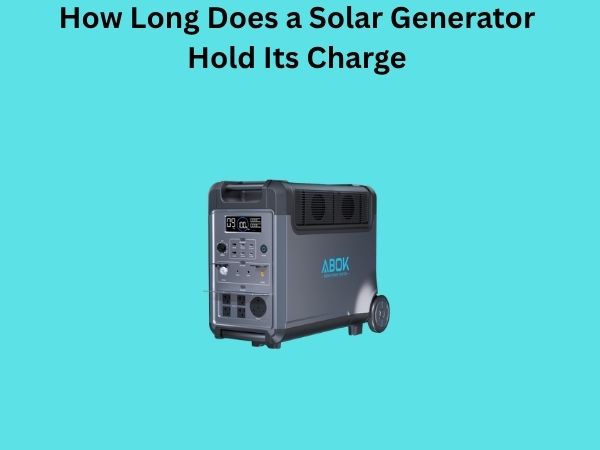
These are compact units combining panels, battery, inverter, and controller in one integrated package. They’re designed for camping, emergency backup, or travel. They’re convenient and require minimal setup, but usually have smaller capacities—typically 500Wh to 3000Wh.
Expandable Solar Generator Systems
These modular systems let you add more panels or batteries as your needs grow. You buy the core unit and expand it over time. This approach suits people wanting to gradually invest in solar power without committing to a massive upfront cost.
Full-Scale Off-Grid Systems
Serious off-grid living or backup power for entire homes requires larger installations. These systems might have dozens of panels and battery banks with 10,000Wh or more capacity. They’re more complex, permanently installed, and require professional setup.
Maintenance and Longevity
One of the best aspects of solar generators is that they require minimal maintenance. Unlike fossil fuel generators that need regular servicing, oil changes, and tune-ups, solar systems are remarkably durable.
Panel Care
Solar panels themselves have no moving parts. Occasionally cleaning them with soft brushes and water removes dust and debris that might block sunlight. In most climates, rain naturally cleans panels regularly. That’s it—no complicated maintenance required.
Battery Management
Modern lithium-ion batteries last 10-15 years or longer with proper care. Avoid deep discharges regularly (though occasional deep discharges are fine), keep them in moderate temperatures, and avoid leaving them discharged for extended periods. Many solar generators include battery management systems that handle these concerns automatically.
Inverter Durability
Quality inverters typically last 10-20 years. They have no moving parts and are generally reliable. Heat is their primary enemy, so ensuring good ventilation around your generator helps maximize inverter lifespan.
Real-World Applications and Use Cases
Understanding how solar generators work helps you see their practical value across different situations.
Emergency Backup Power
When the power grid fails due to storms or other emergencies, a solar generator keeps essential devices running. You can charge phones, power lights, operate medical equipment, and keep refrigerators running if your generator is large enough.
RV and Camping Adventures
Portable solar generators let travelers enjoy power on the road without relying on campground hookups. You can run lights, charge devices, operate small cooking appliances, and maintain comfortable living conditions while off the grid.
Off-Grid Homesteading
People choosing off-grid lifestyles use larger solar systems to power their entire homes. Combined with proper battery storage and efficient appliances, they achieve energy independence from utility companies.
Choosing the Right Solar Generator for Your Needs
Now that you understand how they work, how do you choose one? Consider these factors:
- Calculate your power needs by adding up the wattage of devices you want to run simultaneously
- Determine how many hours per day you need power
- Consider your climate and how many sunny days you typically get
- Think about whether you want portability or a permanently installed system
- Calculate your budget and whether you prefer to invest all at once or expand gradually
The Future of Solar Generator Technology
Solar technology continues advancing rapidly. Next-generation panels are becoming more efficient, batteries are getting cheaper and holding more charge, and inverters are becoming smarter with built-in monitoring and management systems. Some exciting developments include flexible solar panels, solid-state batteries with even better energy density, and AI-optimized power management that learns your usage patterns.
As technology improves and costs decrease, solar generators become accessible to more people. What once seemed like a luxury technology is becoming practical for average households.
Conclusion
Understanding how a solar generator works transforms it from mysterious technology to a logical, elegant system. From photons striking silicon cells to inverters converting electricity types, every step serves a specific purpose in bringing solar energy to your devices.
The process is genuinely impressive when you consider what happens in those seconds between sunlight hitting panels and powering your phone. The sun, 93 million miles away, sends energy that gets captured, stored, converted, and delivered for your use. No moving parts, no emissions, no fuel consumption—just physics and chemistry working together.
Whether you’re considering a solar generator for emergency backup, weekend camping, or comprehensive off-grid living, you now understand the fundamentals of how it accomplishes its task. Solar generators represent a practical, sustainable way to access power independently. As technology continues improving and prices continue declining, they’ll likely become increasingly common in homes and vehicles worldwide.
The best part? The sun will keep shining, ready to power your generator for decades to come, asking nothing in return except a little occasional panel cleaning.
Frequently Asked Questions
How long does it take for a solar generator to fully charge?
Charging time depends on several factors: the battery capacity, the number of solar panels you have, and sunlight intensity