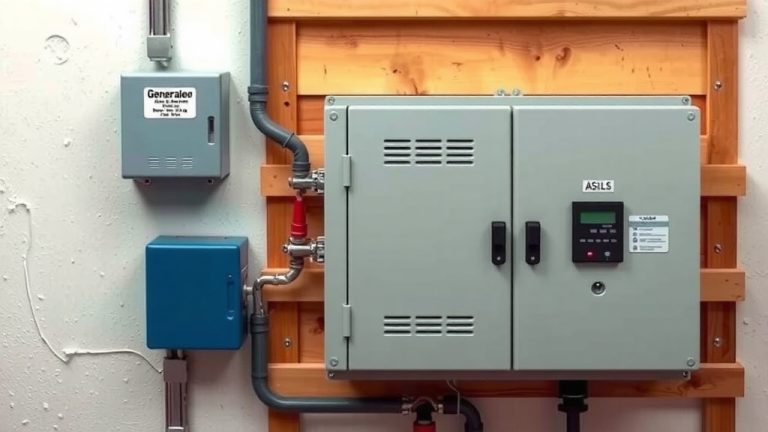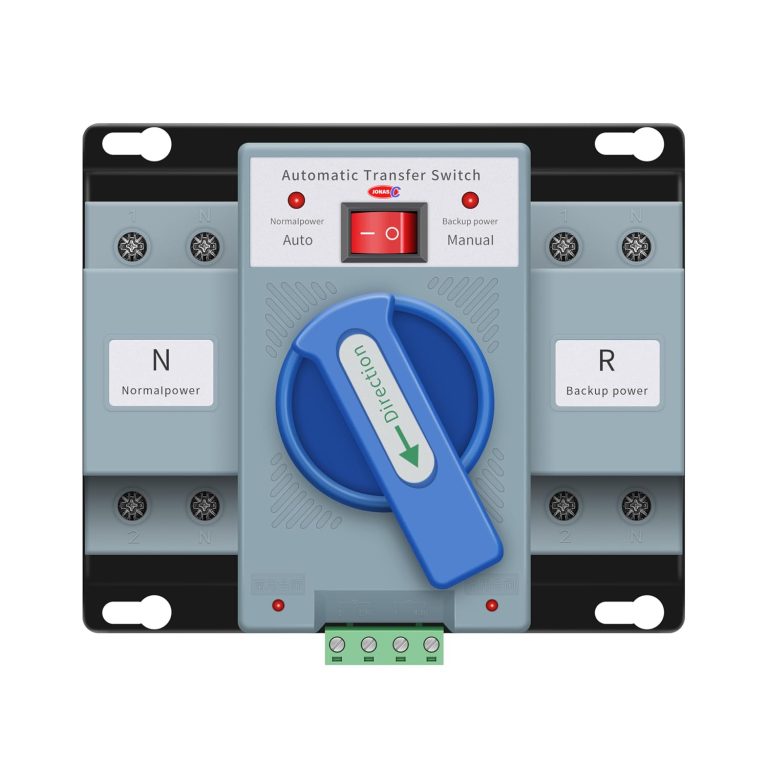
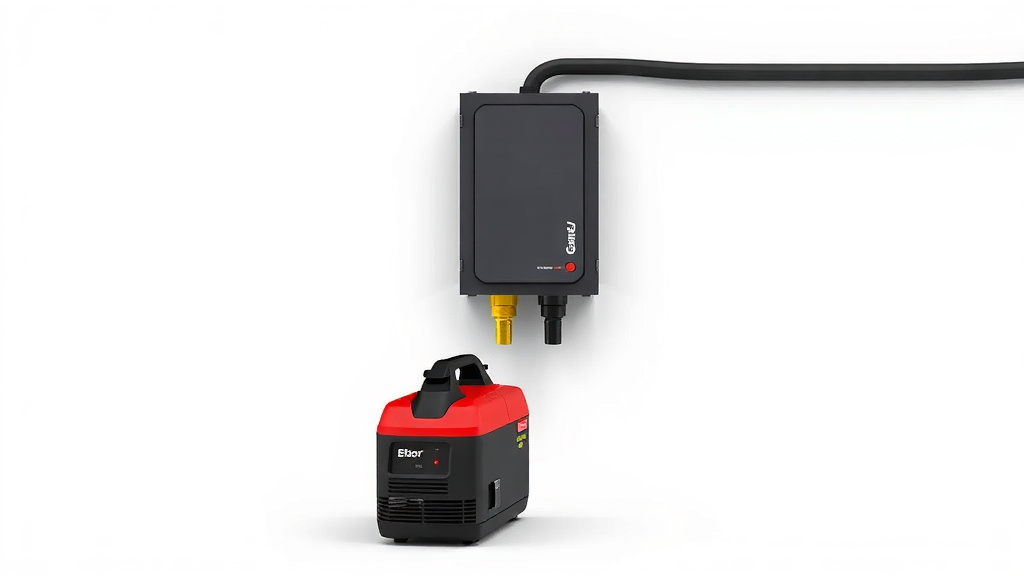
Using an Automatic Transfer Switch with Portable Generators
Yes, you can use an automatic transfer switch with a portable generator, but it requires careful setup and the right equipment. An automatic transfer switch (ATS) lets your home switch to generator power automatically when the grid goes down. However, most portable generators need a special connection kit and manual startup, so you will still need to start the generator yourself.
The key is matching your generator’s wattage to the switch’s capacity and hiring a licensed electrician for installation. We found that many homeowners prefer this setup because it safely powers hardwired appliances like your furnace, well pump, or sump pump without running extension cords. It also prevents dangerous backfeeding into utility lines, which protects line workers and your equipment.
- Yes, it is compatible — but you need a generator with electric start and a compatible inlet box.
- An ATS is not fully automatic with a portable unit; you must start the generator and let it warm up.
- Professional installation is a must for safety and to meet local electrical codes.
- Sizing matters — your generator must produce enough watts to handle your essential circuits.
- Costs vary — expect to pay between $500 and $1,500 for parts and labor, depending on your home.
Below, we break down exactly how this setup works, what you need to buy, and the safety steps you cannot skip. Let’s walk through it together so you can keep your home powered with confidence.
Setting Up an Automatic Transfer Switch With a Portable Generator
You can absolutely pair an automatic transfer switch with a portable generator. The setup works well for many homes. We found that the key is understanding what the switch can and cannot do for you.
Think of it this way: the transfer switch is the brain of your home’s power routing. The generator is still the muscle that does the heavy lifting. You will need to wake that muscle up yourself when the lights go out.
How an ATS Works With a Portable Unit
An automatic transfer switch monitors your home’s utility power constantly. When it detects an outage, it signals the generator to start. But here is the catch — most portable generators need a push of a button or a pull of a cord.
This means you lose the “automatic” part unless you buy a specific setup. You need a generator with electric start and a compatible control module. Even then, you will likely need to add a remote start kit that talks to your switch.
We found that many homeowners accept this small manual step. You still get the big safety benefits of an ATS. Your home switches over without you having to flip breakers or drag out extension cords in the rain.
What You Need for a Smooth Hookup
Before you buy anything, take stock of what you already own. The installation requires several key components. Here is what we recommend gathering:
- A portable generator with electric start and enough wattage for your needs
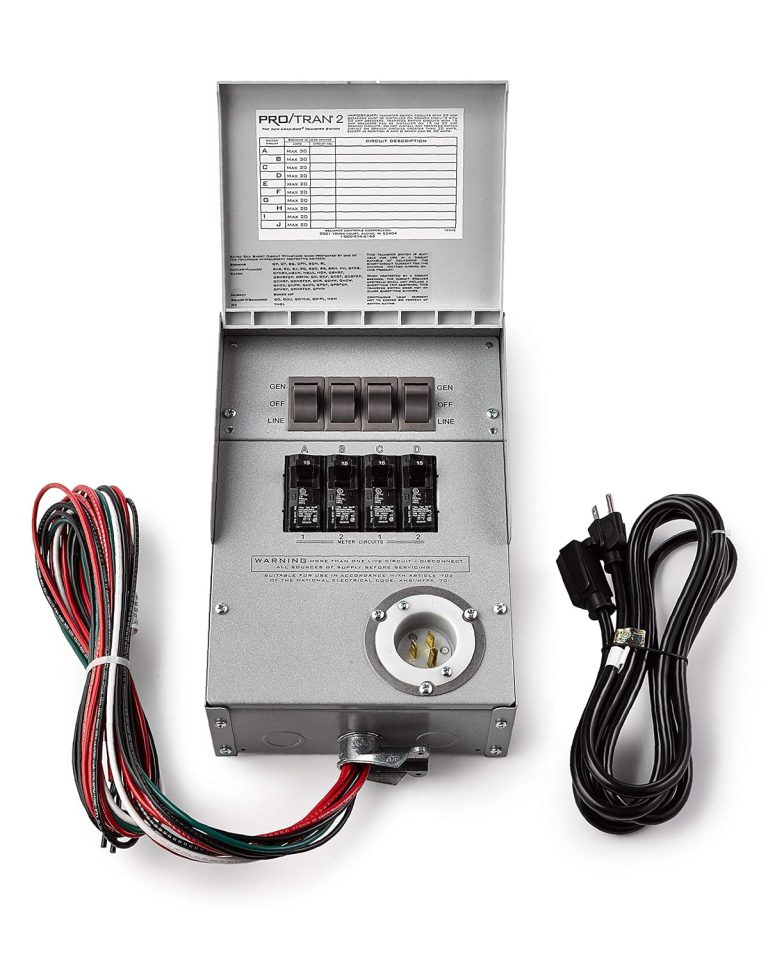
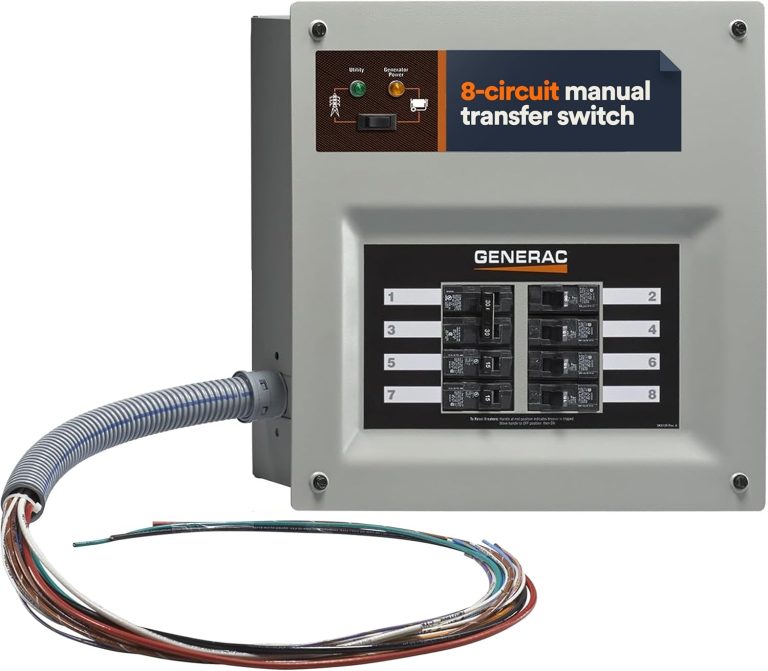
- A transfer switch rated for your generator’s output and your essential circuits
- A power inlet box mounted outside your home for the generator cord
- A generator cord rated for the amperage you plan to pull
- A licensed electrician to connect everything safely and legally
Most experts agree that mixing brands can create compatibility headaches. The safest choice is to stick with one manufacturer for the switch and any control modules. This ensures seamless communication between parts.
Why Homeowners Choose an ATS Over Manual Switches
Manual transfer switches have been around for decades. They work fine, but they require you to think and act during a stressful event. An automatic switch takes that pressure off your shoulders.
Imagine waking up at 3 AM to a silent house in the middle of winter. With a manual switch, you stumble outside in the dark to connect cables and flip breakers. With an ATS and electric-start generator, you still go outside — but only for a moment to press the start button.
Many people also appreciate that an ATS protects their hardwired appliances. Your furnace, well pump, and security system stay connected. You do not have to decide which room gets power and which one freezes.
Safety First: Protecting Line Workers and Your Home
Backfeeding is a serious danger with portable generators. If you plug a generator into a wall outlet, power can travel back up the line. Utility workers repairing the grid could be electrocuted.
An automatic transfer switch physically isolates your home from the grid. This creates a safe barrier that keeps everyone protected. Many local codes now require this setup for any generator connection (NEC guidelines).
Your equipment also stays safer. The switch manages power delivery carefully. It prevents surges that can fry sensitive electronics like your TV or computer. That alone can save you hundreds of dollars in repairs.
When a Full ATS Setup Makes Sense
This setup is not for everyone. We found that it works best for homes with specific needs. If you rely on medical equipment or work from home, the convenience is worth every penny.
The cost also matters. A full installation runs between $500 and $1,500. If you only need to power a few devices during an outage, a manual switch and some extension cords might be plenty.
But if losing power means losing food, water, or heat, an ATS is a wise investment. You are paying for peace of mind and convenience, not just electricity.
Matching Generator Size to Your Transfer Switch
Sizing is where many homeowners stumble. You cannot just pick any switch and hope it works. The switch must match your generator’s output and the loads you want to power.
Start by listing everything you want to run during an outage. Add up the wattage of each item. This total tells you the minimum generator size you need.
Then check the transfer switch rating. It must handle at least that same wattage. If your generator produces 5,000 watts, you need a switch rated for 5,000 watts or more. Undersizing the switch creates a fire hazard.
Essential Circuits vs. Whole-Home Power
Most portable generators cannot power an entire house. They simply do not produce enough wattage. That is why transfer switches come with a set of critical circuits.
Typical essential circuits include:
- Refrigerator and freezer to protect your food
- Furnace fan and boiler controls to keep you warm
- Well pump so you have running water
- Sump pump to prevent basement flooding
- Internet router and phone charger to stay connected
You will skip heavy loads like electric water heaters, central air, and electric ovens. These draw too much power and will overload your generator. Your electrician can help you choose the right circuits.
Understanding Wattage Ratings
Generators have two wattage numbers you need to know. The starting watts handle the brief surge when motors turn on. The running watts keep things going steady.
Your refrigerator might need 1,200 starting watts but only run on 600. Add up both numbers for every appliance. Your generator must handle the highest combination you might run at once.
We found that giving yourself a 20 percent buffer is smart. If your total comes to 4,000 watts, get a 5,000-watt generator. This headroom prevents overload and extends your generator’s life.
The Installation Process: What to Expect
Professional installation is non-negotiable for safety reasons. A licensed electrician ensures everything meets local codes. They also obtain any necessary permits for the work.
The process typically takes three to five hours. Your electrician will mount the switch near your main breaker panel. They run wires from the switch to the essential circuits you selected.
Then they install the outdoor inlet box. This is where you plug in your generator cord. Finally, they connect the control wiring that lets the switch talk to your generator’s starting system.
Testing Your System Before You Need It
Do not wait for a storm to discover problems. Test your system once a month. This simple routine catches issues when they are easy to fix.
Start the generator and let it warm up for a few minutes. Then simulate a power outage by turning off your main breaker. Watch the switch engage and restore power to your essential circuits.
Check that all your chosen circuits work properly. Listen for any unusual noises from the generator. If something seems off, call your electrician right away.
Cost Breakdown for an ATS and Portable Generator
Let us talk real numbers so you can budget wisely. The transfer switch itself usually costs between $200 and $600. The price depends on how many circuits it handles and the brand you choose.
Professional installation adds another $300 to $900. This covers labor, permits, and any extra materials. Your total project cost lands between $500 and $1,500 for the switch setup alone.
Keep in mind that the generator is a separate expense. A quality portable unit runs $500 to $2,000 depending on wattage and features. Electric start models cost a bit more but are worth it for this setup.
| Component | Cost Range | Notes |
|---|---|---|
| Transfer switch | $200 – $600 | Price scales with circuit count |
| Professional installation | $300 – $900 | Includes permit and labor |
| Portable generator | $500 – $2,000 | Electric start recommended |
| Inlet box and cord | $100 – $300 | Must match generator amperage |
Hidden Costs to Watch For
Some homes need electrical panel upgrades before installation. Older panels may not have room for a new transfer switch. This adds $500 to $1,500 to your project.
Your electrician will tell you during the estimate phase. Do not skip this inspection. Finding out during installation could leave you without power for days.
You also need to factor in generator maintenance. Oil changes, fuel stabilizer, and occasional tune-ups keep it ready when you need it. Budget about $100 per year for these expenses.
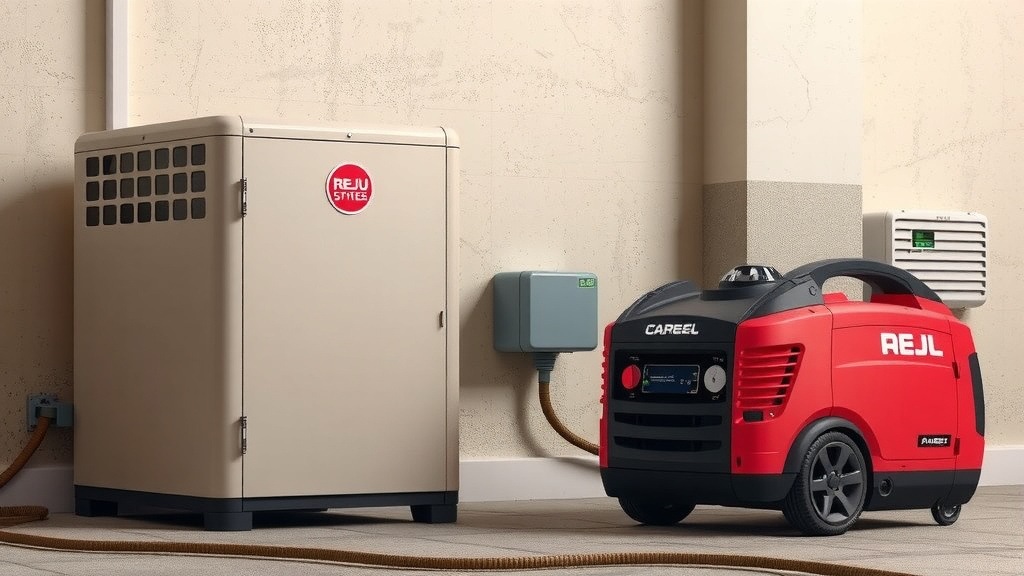
Maintenance Checklist for Your Portable Generator Setup
Regular upkeep keeps your system reliable. Create a simple routine and stick to it. Here is a practical checklist we recommend:
- Test the transfer switch monthly by simulating an outage
- Run the generator for 15 minutes each month under load
- Change the oil every 50-100 hours of operation
- Use fuel stabilizer to keep gas fresh between outages
- Check all cords and connectors for wear before each storm season
- Schedule a professional inspection yearly to catch small issues early
Storing Fuel Safely
Gasoline goes bad in about 30 days. That means your emergency fuel could be useless when you need it most. Rotate your supply and use fresh gas regularly.
Store fuel in approved containers away from your home’s foundation. Never keep gasoline inside your living space. The fumes pose a serious fire risk that is not worth taking.
Many homeowners switch to propane for longer storage life. Propane stays viable for years with proper storage. The trade-off is that propane generators cost more upfront.
When a Portable Generator ATS Is Not the Best Choice
Honesty matters here. A whole-house standby generator is more convenient in many ways. These units start automatically without any manual steps and run on natural gas or propane.
Standby generators cost $5,000 to $15,000 installed. They also require professional maintenance and annual servicing. For many people, this is simply out of budget.
We found that portable generators with ATS hit a sweet spot. You get most of the convenience at a fraction of the cost. You just accept the small task of pressing the start button when the power goes out.
Rental or Apartment Living Limitations
If you rent, this setup probably will not work for you. Permanent wiring changes require property owner approval. You also may not have access to the main electrical panel.
Stick with a portable generator and extension cords for now. Use a carbon monoxide detector inside your home whenever the generator runs. This is a life-saving habit that everyone should follow regardless of their setup.
When you own your home, revisit this option. The investment pays off during the first long outage when your family stays comfortable and connected.
Hiring the Right Professional for the Job
Not all electricians have experience with transfer switches. Ask potential contractors about their generator installation history. Look for someone who has done this specific type of work before.
Get three quotes before committing. Compare the scope of work, not just the price. A slightly higher quote might include better materials or a longer warranty.
Many states require a special license or certification for generator installations. Ask to see credentials. A qualified professional will gladly show you their qualifications without hesitation.
Questions to Ask Before Hiring
You want a contractor who communicates clearly. Come prepared with questions that reveal their expertise. We suggest asking the following:
- How many ATS installations have you completed? This gauges their hands-on experience
- Will you pull the necessary permits? This protects you legally and ensures code compliance
- What brand of switch do you recommend and why? This shows their knowledge of current products
- Do you offer a workmanship warranty? This gives you recourse if something goes wrong
Conclusion
Pairing an automatic transfer switch with your portable generator is a smart move for many homeowners. You get the safety of grid isolation and the convenience of automatic power routing at a fraction of standby generator costs. The trade-off is simple: you press the start button, and the switch handles everything else.
Before you buy anything, talk to a licensed electrician. They will confirm your panel can handle the switch and help you size everything correctly. Your next step is to get three quotes and pick a professional with real ATS experience. This small investment of time today means your family stays warm, fed, and connected when the next storm rolls through.
Frequently Asked Questions
Can I install an automatic transfer switch myself to save money?
We strongly advise against DIY installation of an ATS. This work involves your main electrical panel and permanent wiring changes. Most local codes require a licensed electrician to pull permits and inspect the final connection. Mistakes here can cause fires, electrocution, or dangerous backfeeding conditions.
Will my portable generator’s battery die if it sits for months?
Yes, generator batteries lose charge over time, especially in cold weather. We recommend using a battery maintainer or trickle charger when the unit is parked. Check the battery monthly and replace it every two to three years to keep your electric start reliable.
Do I need a specific brand of generator to work with my transfer switch?
You do not need to match brands for the basic power connection. The inlet box and cord use standard plugs that work across manufacturers. However, if you are using a remote start module to get closer to full automation, sticking with one brand is safer for compatibility.
How long can I run my portable generator continuously during an outage?
Most portable generators can run for 8 to 24 hours straight, but they need breaks. You should let the engine cool down and check oil levels every 8 to 12 hours. Always follow the manufacturer’s recommended run times for your specific model to avoid overheating.
What happens to my generator power if the transfer switch fails?
If the switch fails, your home will not receive power from the generator safely. You will notice lights staying off or the generator struggling under load. Turn off the generator immediately and call your electrician. Do not try to bypass the switch with extension cords, as this creates serious safety risks.