Do You Need a Transfer Switch for Your Generator
Yes, you need a transfer switch for your generator in most cases. It is the safe and legal way to connect a portable generator to your home’s electrical system. Without one, you risk dangerous backfeeding that can injure utility workers and damage your electronics.
We found that the type of transfer switch you need depends on how you plan to power your home. You can choose a manual switch for simple, budget-friendly control or an automatic one for hands-free operation. The key is matching the switch to your generator’s wattage and your home’s electrical panel.
- The short answer: Yes, a transfer switch is required for safely connecting a generator to your home wiring.
- The danger: Without a switch, you can create backfeed, which is a serious electrocution and fire hazard.
- Your options: You can install a manual transfer switch for basic needs or an automatic switch for convenience.
- The cost factor: A transfer switch adds around $200 to $500 to your generator setup, but it is worth the safety.
- The simple alternative: If you only need to power a few appliances, extension cords are a safe, switch-free workaround.
Now, let’s walk through the details so you can figure out exactly which setup is right for your home and your budget. We’ll cover how they work, what they cost, and how to make the safest choice.
Figuring Out if a Transfer Switch Is a Must-Have
You have a generator. Maybe you just bought it. Maybe you are pulling it out of storage for the first time this season.
Now you are staring at your breaker panel and wondering if you really need to spend more money on a transfer switch. We get it. That extra cost stings.
But here is the deal. If you want to plug your generator directly into your home’s wiring, a transfer switch is not optional. It is the only safe way to do it. Many experts say this is non-negotiable for homeowner safety.
Let’s break down exactly why this small box matters so much and what happens if you skip it.
What Backfeeding Does to Your Home and the Grid
Backfeeding is when your generator sends power backward through your house wiring and out to the utility lines. It sounds technical, but the concept is simple.
Your generator wants to push electricity where it is needed. If you rig a cord from your generator to a wall outlet, that power flows through your panel and out to the transformer on the pole. That is dangerous.
A utility worker fixing a downed line down the street could be electrocuted by your generator’s power. They expect lines to be dead. Your generator makes them live.
That is not just a theory. The U.S. Consumer Product Safety Commission has documented cases of line workers injured by backfeeding. It is a serious, life-threatening risk.
Why Your Electronics Are at Risk Without a Switch
Backfeeding is not just a danger to utility workers. It is a danger to your TV, your computer, and your refrigerator’s control board.
When you backfeed through a dryer outlet or a stove outlet, you are forcing power through a circuit that was not designed for that flow. The voltage can surge or fluctuate.
Most modern appliances have sensitive microprocessors. A dirty power wave can fry those boards in seconds. We found that repair costs for a single appliance can easily exceed the price of a transfer switch.
Your generator also produces power that is not as clean as what the utility company sends you. A transfer switch helps isolate your generator’s power to specific circuits, protecting the rest of your home from surges.
How a Transfer Switch Actually Works
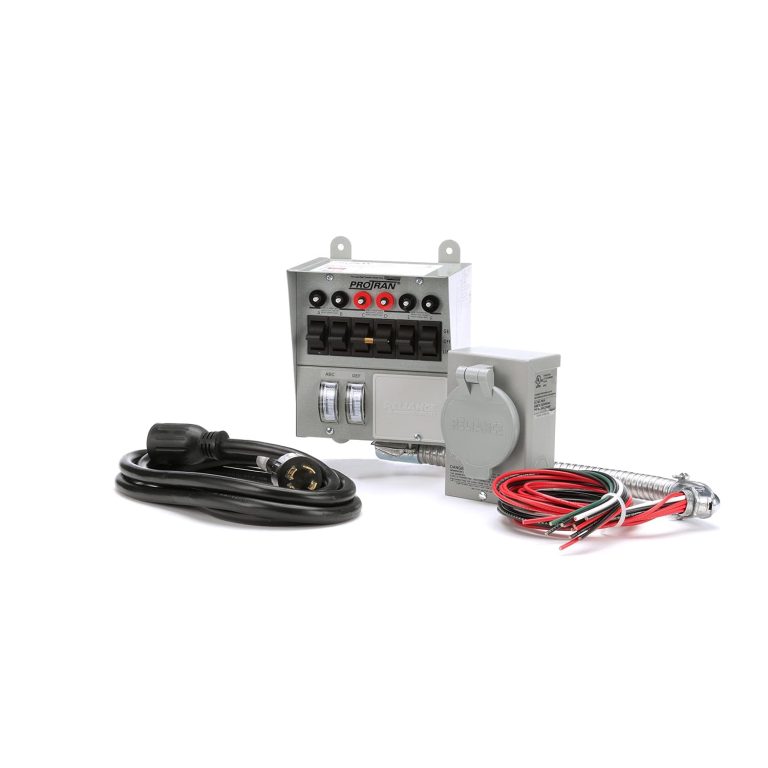
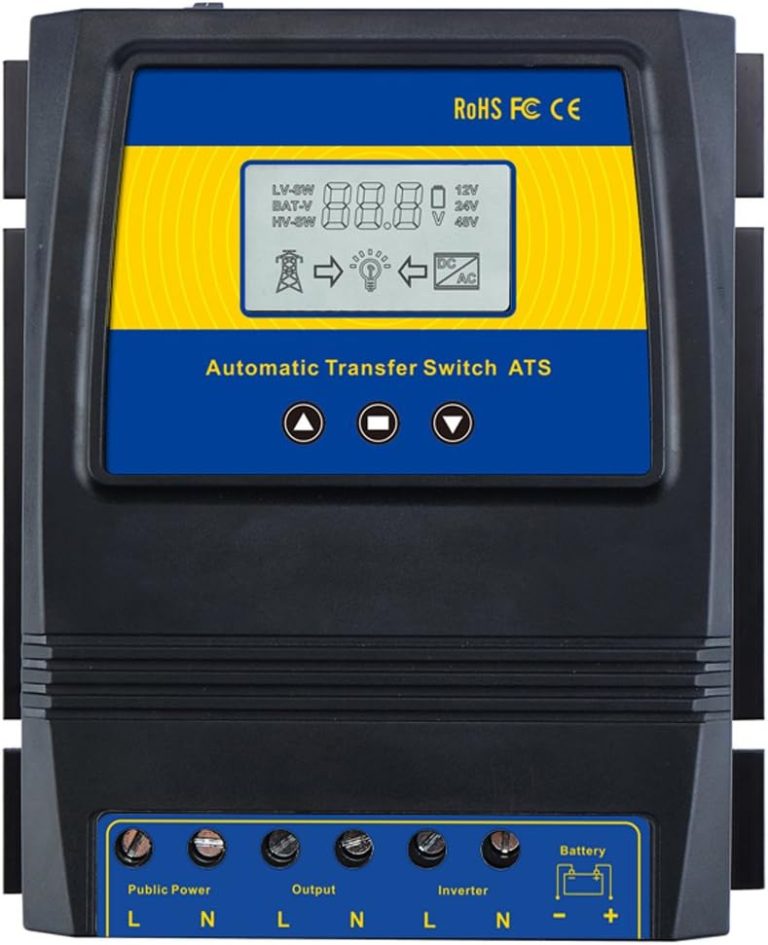
Think of a transfer switch as a traffic cop for electricity. It directs power to exactly where it needs to go and blocks it from going anywhere else.
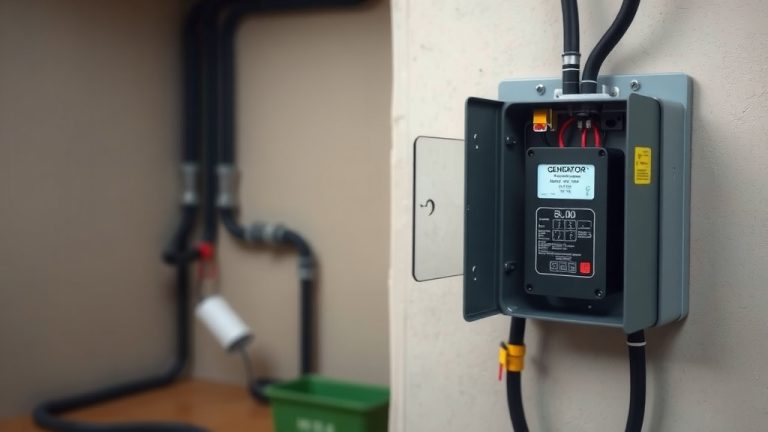
The switch physically disconnects your home from the utility grid. Then it connects your generator to the circuits you choose. There is no overlap. No chance of mixing power sources.
This is what makes it safe. Your generator powers your selected circuits. The grid stays completely isolated. No backfeed. No surprises.
Manual Transfer Switches for Budget-Minded Homeowners
Manual transfer switches are the workhorses of the generator world. They are simple, reliable, and affordable.
You flip the switch when the power goes out. Then you start your generator. Then you flip the breakers you want to power.
It takes about 30 seconds to do this. You have to be home to do it. You have to be awake and aware.
But that is a small price to pay for the safety and control you get. Many homeowners prefer this hands-on approach because they know exactly which circuits are running.
What a Manual Switch Costs
Expect to pay between $200 and $400 for a quality manual transfer switch. That price includes the unit itself, but not installation.
If you hire an electrician, labor will add another $300 to $500. Total cost lands around $600 to $900 for a professionally installed manual setup.
That might sound like a lot. Compare it to replacing a refrigerator motherboard at $400 plus a fried TV at $700. The math works out fast.
Automatic Transfer Switches for Hands-Free Power
Automatic transfer switches do all the thinking for you. The power goes out. The switch senses it. It starts your generator. It transfers your home to generator power.
You do nothing. You just sit there and wait for the lights to come back on. This is a huge convenience if you travel, work long hours, or have medical equipment that needs constant power.
The downside is cost. Automatic switches are more complex. They require more wiring and a more sophisticated generator setup.
The Price of Automatic Convenience
An automatic transfer switch can cost $500 to $1,000 just for the unit. Professional installation adds another $500 to $1,000.
You also need a generator with electric start and an auto-start feature. Not all portable generators have this capability.
We found that most homeowners with portable generators choose manual switches. Automatic units are more common with permanently installed standby generators.
Choosing Between a Transfer Switch and Extension Cords
Here is a big secret. You might not need a transfer switch at all. If your needs are small, extension cords are a perfectly safe alternative.
You can run a heavy-duty cord from your generator directly to a refrigerator. Another cord to a space heater. Another to a lamp or phone charger.
This method has zero risk of backfeeding because you are not connecting to your home’s wiring. You are just plugging appliances directly into the generator.
When Extension Cords Are the Better Choice
If you only need to power a few essentials for a few hours, cords are your best bet. They are cheap. They are portable. They require no installation.
You can buy a quality 25-foot heavy-duty extension cord for $30 to $50. You can store them in a bin with your generator and pull them out when needed.
This is the perfect solution for tailgating, camping, or powering a single appliance during a brief outage.
When You Need a Transfer Switch Instead
If you want to power hardwired appliances like a well pump or a furnace, cords will not work. Those items have no plug. They are wired directly into your panel.
If you need to power multiple circuits throughout your home, cords become a tangled mess. You end up running cords through windows and doors, which is a safety hazard.
If you have a larger generator, say 5,000 watts or more, you are wasting its potential with cords. A transfer switch lets you use your generator’s full capacity safely.
What You Need to Know About Installation
Installing a transfer switch is not a beginner DIY project. It involves working inside your breaker panel. That is dangerous territory.
We recommend hiring a licensed electrician. They will pull the permit, do the work safely, and make sure everything passes inspection.
The installation process takes about four to six hours for a typical home. The electrician will mount the switch next to your panel, run the wiring, and connect the circuits you choose.
Sizing Your Transfer Switch Correctly
You cannot just buy any transfer switch. It has to match your generator’s wattage and your home’s electrical needs.
Look at your generator’s running watts and starting watts. A 5,000-watt generator needs a different switch than a 10,000-watt unit.
Your electrician will help you decide which circuits to connect. Common choices include the refrigerator, furnace, well pump, and a few lights and outlets.
Building a Circuit Priority List
Before installation, sit down and make a list of what you absolutely need during an outage. This helps your electrician wire the right circuits.
Most homeowners prioritize the refrigerator first. Then heating or cooling. Then lights and communication devices. Then the sump pump or medical equipment.
Your generator has limits. You cannot power everything at once. A transfer switch makes you choose, which is actually a good thing.
Table Comparing Transfer Switch Options
Here is a quick side-by-side look at your three main options. Use this to narrow down what fits your situation best.
| Feature | Extension Cords | Manual Switch | Automatic Switch |
|---|---|---|---|
| Safety level | Safe for direct plug-in | Safe for home wiring | Safe for home wiring |
| Installation cost | None | $300 to $500 labor | $500 to $1,000 labor |
| Equipment cost | $30 to $100 | $200 to $400 | $500 to $1,000 |
| Ease of use | Simple plug-in | Manual flip of switches | Fully automatic |
| Best for | Small loads, short outages | Portable generators | Standby generators |
Your Pre-Purchase Checklist
Before you spend any money, work through this checklist. It will save you time, money, and frustration down the road.
- Calculate your generator’s running and starting watts.
- List the circuits you want to power during an outage.
- Decide if you are okay with manual operation or want automatic.
- Check if your generator has the right outlets for a transfer switch.
- Get quotes from at least two licensed electricians.
- Confirm your local building code requirements for permits.
Common Mistakes People Make With Transfer Switches
Even with good intentions, people mess this up. Here are the mistakes we see most often.
Buying a switch that is too small for the generator is a big one. You need a switch rated for at least your generator’s wattage. Oversizing is always safer than undersizing.
Another mistake is trying to connect the generator to the switch with a weak cable. You need a proper generator cord rated for the amperage. A cheap cord will melt under load.
People also forget to ground their generator properly. Your owner’s manual has specific grounding instructions. Follow them exactly.
Ignoring Local Building Codes
Your city or county may have specific rules about generator connections. Many require a permit and an inspection.
We found that homeowners who skip this step end up with failed inspections later, which costs more money to fix. Do it right the first time.
Your utility company may also have requirements. Some require a visible disconnect switch so their workers can verify your home is isolated from the grid.
Making the Final Call on Your Generator Setup
You now have the full picture. The choice comes down to how much power you need and how much convenience you want.
If you just need to keep the fridge cold and charge your phone, extension cords are perfect. No switch needed. No electrician needed.
If you want to power your well pump, furnace, and lights throughout the house, a manual transfer switch is your best value. It costs less than a new appliance and protects your investment.
If you want zero hassle and have the budget, an automatic switch gives you peace of mind even when you are not home.
Whichever route you choose, remember this. Your generator is a powerful tool. Respect it. Wire it properly. And you will have a safe, reliable backup plan for years to come.
Conclusion
You have all the facts now, and the verdict is clear. If you plan to connect your generator to your home’s wiring, you need a transfer switch. It is the only safe and legal option that protects your family, your appliances, and utility workers.
You have three solid paths forward. Use extension cords for small loads. Pick a manual transfer switch for the best value with a portable generator. Choose an automatic switch only if you want total hands-free convenience.
Your next step is simple. Make your circuit priority list today. Then call a licensed electrician for a quote. Getting this setup right now means you will be fully prepared and safe when the next storm rolls in.
Frequently Asked Questions
Can I plug a generator directly into a wall outlet?
No, you should never plug a generator directly into a regular wall outlet. This creates a dangerous backfeed condition that can electrocute utility workers and damage your electronics.
The only safe way to connect a generator to your home wiring is through a properly installed transfer switch. If you only need to power individual appliances, use extension cords instead.
Will a generator damage my refrigerator without a transfer switch?
Yes, it can. When you backfeed through a wall outlet, the power flow can surge and spike. Refrigerator control boards are sensitive and can fry in seconds.
Replacing a refrigerator motherboard often costs more than a transfer switch. A transfer switch delivers a steady, isolated power flow that is much gentler on your appliances.
How many watts can a transfer switch handle?
Transfer switches are rated for specific wattage ranges. Common sizes include 30-amp switches for generators up to about 7,500 watts and 50-amp switches for larger units.
You should always match the switch rating to your generator’s output. Check your generator’s running watts before buying a switch so you do not overload the system.
Do I need an electrician to install a transfer switch?
We strongly recommend hiring a licensed electrician. Working inside your breaker panel is dangerous and requires knowledge of local electrical codes.
An electrician will also pull required permits and make sure your inspection passes. The installation takes a few hours and protects your home for years.
Can I use a transfer switch with a small inverter generator?
Yes, you can, as long as the switch is rated for your generator’s wattage. Many smaller inverter generators in the 2,000 to 4,000-watt range work well with a manual transfer switch.
Just keep your circuit list realistic. A smaller generator can only power a few essentials at once, so prioritize the refrigerator, lights, and communication devices first.