Do You Need a Transfer Switch for a Portable Generator
Yes, you absolutely need a transfer switch for a portable generator if you plan to power your home’s electrical circuits. Without one, you risk dangerous backfeeding, which can electrocute utility workers and damage your electronics.
Using extension cords is a safe, simple alternative for powering a few appliances directly. But if you want your generator to connect to your house wiring, a transfer switch is the only safe and legal way to do it. We found that many homeowners skip this step, not realizing the serious safety risks involved.
- Safety first: A transfer switch prevents deadly backfeeding into the power grid.
- Code compliant: It is required by the National Electrical Code (NEC) for generator hookups.
- Protects your gear: It safely isolates your generator from utility power, preventing voltage spikes.
- Easy to use: A manual transfer switch lets you switch between utility and generator power with a simple lever.
- Extension cords work: For small setups, you can skip the switch and just plug appliances directly into the generator.
Below, we’ll walk you through exactly how transfer switches work, when you can skip them, and how to choose the right setup for your home. Let’s clear up the confusion so you can stay safe and powered up. Our guide to the best generator transfer switch compares top-rated models for different needs.
Understanding Why a Transfer Switch Matters for Your Portable Generator
You might think plugging your generator into a wall outlet is a quick fix. That is a dangerous mistake. We found that this method, called backfeeding, puts you and utility workers at serious risk.
When you backfeed, electricity flows backward through your home’s wiring and out to the power lines. Linemen repairing those lines could get electrocuted by your generator’s power. They expect lines to be dead, not energized by your backyard machine.
The National Electrical Code (NEC) requires a transfer switch for any permanent generator connection. This isn’t just a suggestion. It’s a legal safety standard designed to protect lives. Many experts say this code exists because of real accidents that happened before it was enforced.
What a Transfer Switch Actually Does
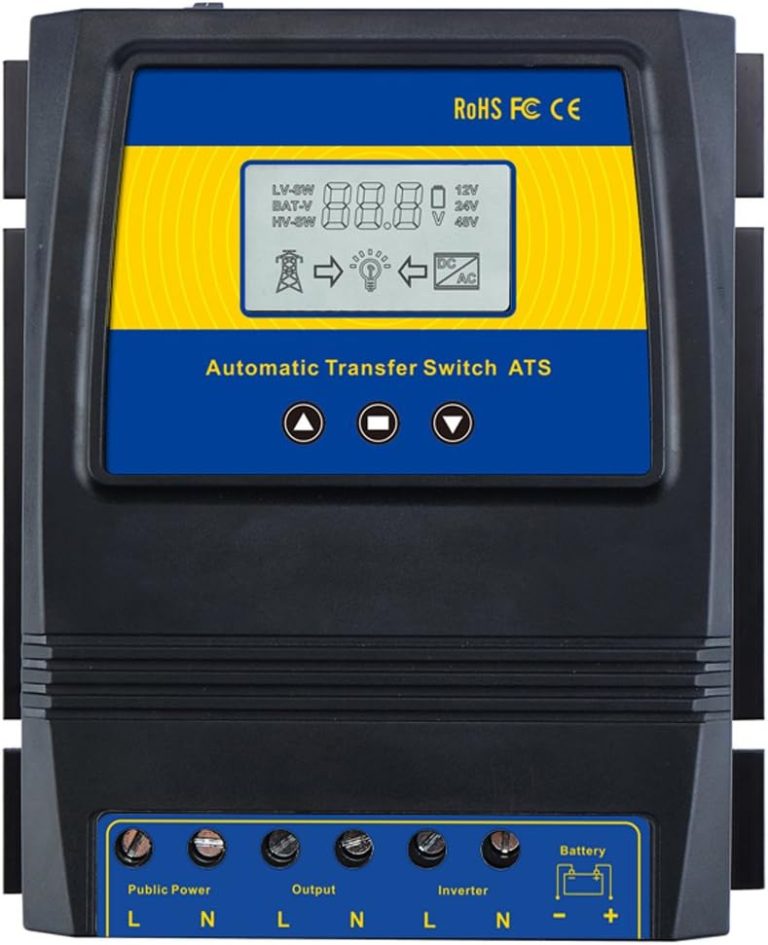
Think of a transfer switch as a traffic cop for electricity. It directs power from only one source at a time. You either use utility power or generator power, never both together.
The switch physically separates your generator from the grid. This separation is what stops backfeeding cold. It also protects your generator from surges when utility power returns.
The Mechanical Isolation Principle
Inside the switch, a mechanical lever moves between two positions. One position connects to utility power. The other connects to your generator. There is no neutral middle ground.
This design is simple and foolproof. Even if you forget to switch it, the mechanical interlock prevents both sources from connecting at the same time. That built-in safety is why codes require it.
When You Can Skip the Transfer Switch Entirely
There is one safe situation where you don’t need a transfer switch. That’s when you run extension cords directly from the generator to your appliances. This is called a cord-and-plug setup.
You plug your fridge, lights, or phone charger straight into the generator’s outlets. No connection to your home’s wiring happens. Your house stays isolated from the generator, and the grid stays safe.
How to Use the Extension Cord Method Correctly
First, pick heavy-duty extension cords rated for outdoor use. Check the wattage rating on the cord. Make sure it can handle what you plug into it.
Run the cords through a door or window that you can seal. Use a door seal kit to keep bugs and weather out. Never run cords under rugs or through walls.
What You Can Power With Cords
- A refrigerator or chest freezer
- A few LED lamps or a work light
- Your phone and laptop chargers
- A space heater or a window AC unit (one at a time)
- A sump pump
- A small TV or radio for news updates
We found that most people can get by with this method for short outages. It’s perfect for camping, tailgating, or powering tools at a job site. Just remember that you can’t power your furnace, water heater, or multiple rooms this way.
What Happens When You Skip the Switch
If you decide to connect your generator to your house without a transfer switch, you face real consequences. We found that many people don’t realize how severe the risks are until it’s too late.
Backfeeding can start a fire in your home’s wiring. The current can overload circuits designed for lower loads. Your generator could also send power out through your dryer outlet or stove connection.
Utility workers have died from exactly this scenario. The Occupational Safety and Health Administration (OSHA) documents incidents where backfeeding caused fatalities. This isn’t a theoretical risk. It’s a proven danger with real victims.
The Hidden Damage to Your Electronics
Beyond the electrocution risk, backfeeding creates dirty power. When your generator fights with utility power, voltage spikes occur. Those spikes fry circuit boards in TVs, computers, and smart appliances.
You might think you’re saving money by skipping the switch. Then you replace a $2,000 refrigerator compressor instead. Many experts say the repair costs far exceed the price of a proper transfer switch.
Types of Transfer Switches for Portable Generators
You have two main options: a manual transfer switch or an interlock kit. Both are safe and code-compliant. The right choice depends on your budget and your comfort with electrical work.
We found that manual transfer switches are the most popular for homeowners. They’re straightforward to use and relatively affordable. Interlock kits are cheaper but require careful installation by a licensed electrician.
| Feature | Manual Transfer Switch | Interlock Kit |
|---|---|---|
| Cost | Higher ($300-$700 installed) | Lower ($50-$150 plus labor) |
| Installation | Requires a licensed electrician | Requires a licensed electrician |
| Number of circuits | Typically 6-10 circuits | All circuits available |
| Ease of use | Simple lever for each circuit | Must flip main breaker off first |
| Safety level | High with automatic isolation | High if used correctly |
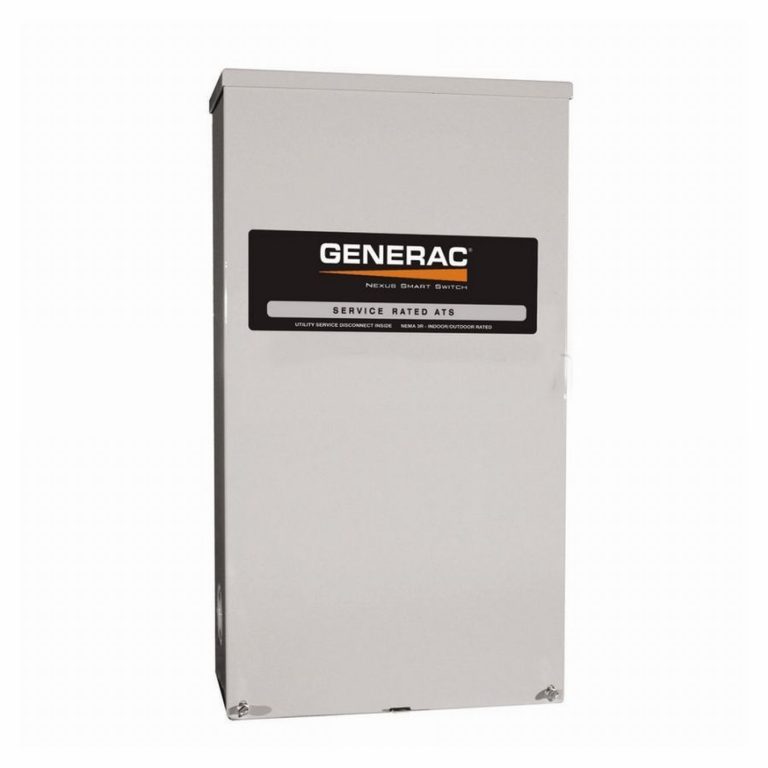
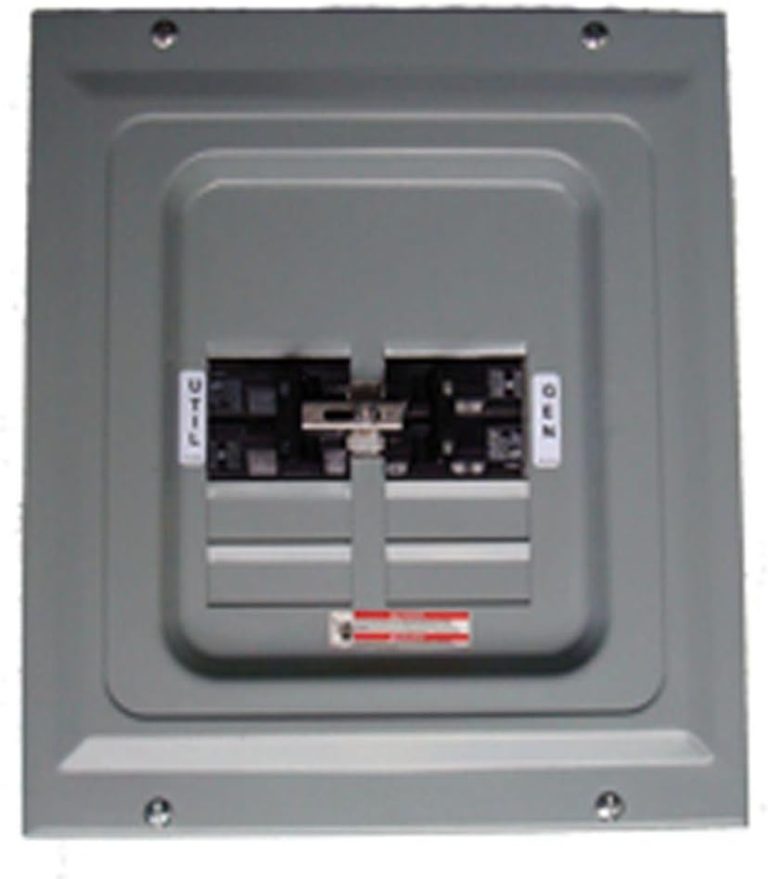
Manual Transfer Switch: The Safer, Easier Choice
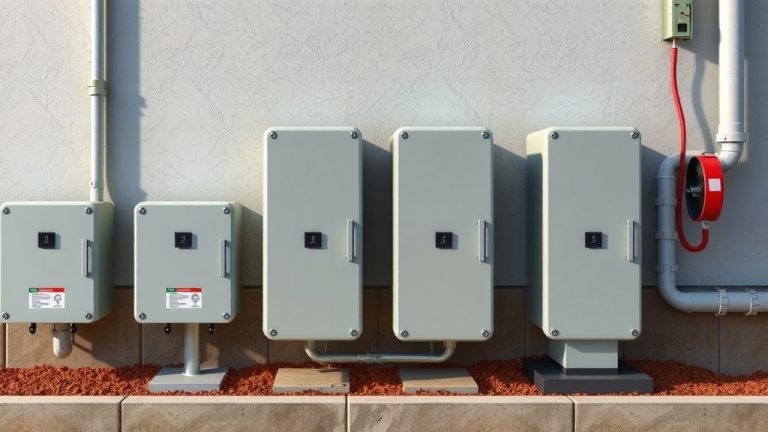
A manual transfer switch is a small box mounted next to your main breaker panel. You choose which circuits you want to power before the outage happens. Then you flip individual breakers inside the switch box.
When the power goes out, you start your generator. You plug it into the switch’s inlet box outside. Then you switch over each circuit you need.
This setup gives you a clean, organized way to power your essentials. No extension cords running through windows. No guessing which outlet is rated for what load.
Choosing Your Circuits Wisely
Pick circuits that cover your most critical needs. We found that most homeowners choose the fridge, furnace, well pump, and a few lights. Add your internet router and a bathroom outlet for hygiene items.
Don’t try to power your whole house with a portable generator. That’s what standby generators are for. A 5,000-watt portable unit can handle about 20 to 30 amps of load. That’s roughly four to six circuits.
Interlock Kit: A Budget-Friendly Alternative
An interlock kit is a metal bracket that fits over your main breaker panel. It physically prevents the main breaker and the generator breaker from being on at the same time. You can’t accidentally backfeed because the mechanics won’t allow it.
This option is cheaper but less convenient. You have to manually switch off the main breaker first. Then you turn on the generator breaker. Then you flip individual breakers in your panel to power selected circuits.
Many experts say interlock kits are safe when installed correctly. But they require more effort from you during an outage. And you must remember the correct sequence every time.
How to Choose the Right Transfer Switch Size
Your transfer switch must match your generator’s wattage output. Too small, and you’ll trip breakers constantly. Too large, and you’re wasting money on capacity you don’t need.
Check your generator’s rated wattage and running wattage. The running wattage is what matters for continuous use. Most portable generators range from 3,000 to 10,000 watts.
For a 5,000-watt generator, a 50-amp transfer switch works well. For smaller 3,000-watt units, a 30-amp switch is sufficient. When in doubt, consult the switch manufacturer’s compatibility chart.
Calculating Your Power Needs First
Before buying anything, list every appliance you want to run. Write down its wattage. You can find this on the label or in the owner’s manual. Add them all up to get your total load.
Remember that motors draw extra power at startup. A fridge might run at 500 watts but surge to 1,500 watts when the compressor kicks on. Your switch must handle these surges without tripping.
Installation: Leave It to a Pro
You might be handy around the house. But wiring a transfer switch is not a DIY weekend project. It involves working inside your main breaker panel where live wires carry lethal voltage.
We found that most local building codes require a permit and a licensed electrician for this work. That’s because mistakes can cause fires, electrocution, or code violations. The cost of hiring a pro is worth every penny.
What to Expect From an Electrician
Your electrician will first inspect your main panel. They’ll confirm your generator’s specs match the switch. Then they’ll install the switch box beside the panel and wire it in. Learn the rules for installing a transfer switch indoors before your electrician starts.
The whole job typically takes two to four hours. You’ll get a manual showing which circuits are connected to the switch. Your electrician should also show you how to operate the system before they leave.
Final Safety Checklist for Your Generator Setup
You want to be prepared for the next outage without cutting corners. We found that a simple checklist helps homeowners stay organized and safe. Run through this list before you ever need to use your generator.
- Install a carbon monoxide detector inside your home near sleeping areas
- Place your generator at least 20 feet from any door, window, or vent
- Use a weatherproof generator cover to keep rain and snow off
- Store fuel in approved containers away from living spaces
- Test your generator every month with a load attached
- Keep a fire extinguisher rated for electrical fires nearby
Your generator setup is only as safe as its weakest link. A transfer switch closes the most dangerous gap. Pair it with these basic precautions, and you’re ready for whatever the weather brings.
Conclusion
You need a transfer switch if you want to safely power your home’s circuits with a portable generator. Skipping this step risks deadly backfeeding, fires, and fried electronics. For small loads, extension cords are a perfectly safe alternative.
We recommend starting with a manual transfer switch installed by a licensed electrician. It is the easiest and safest way to protect your family and your appliances. Get a few quotes from local pros and plan your essential circuits today. You will sleep better knowing your setup is code-compliant and ready for the next storm.
Frequently Asked Questions
Can I plug my generator into a dryer outlet to power my house?
No, you should never do this. It is a form of backfeeding that creates serious electrocution and fire risks. You also risk damaging your generator and appliances when utility power returns.
What is the difference between a transfer switch and a generator interlock?
A transfer switch is a dedicated box that manages specific circuits you choose ahead of time. An interlock kit is a metal plate on your main panel that blocks both breakers from being on at once. Both are safe, but a transfer switch is easier to operate during an outage.
Do I need a transfer switch for a small inverter generator?
Only if you plan to connect it to your home’s wiring. If you use extension cords to plug appliances directly into the generator, you do not need a switch. The size of the generator does not change the safety requirements.
How much does it cost to have a transfer switch installed?
Most homeowners pay between $300 and $700 for a manual transfer switch plus professional installation. The price depends on the number of circuits you want to power and local labor rates. It is a small price compared to the risk of electrocution or fire.
Will my generator damage my appliances without a transfer switch?
Yes, it can. When you backfeed, your generator produces dirty power with voltage spikes that can fry circuit boards. Appliances like refrigerators, TVs, and computers are especially vulnerable to this damage. A transfer switch keeps your generator isolated and your electronics safe.