Does a Generator Transfer Switch Disconnect the Neutral?
No, a standard generator transfer switch does not disconnect the neutral conductor. In most residential setups, the neutral stays connected and bonded through the switch, which is both normal and safe for typical home backup power.
You might wonder if this is a problem, especially if you have a bonded or floating neutral generator. We researched this topic and found that the answer depends on how your home is wired and whether you’re using a manual or automatic transfer switch. This distinction matters for safety and for following electrical codes, especially if you want to power your whole house.
- Most standard transfer switches keep the neutral connected.
- You only need a switched neutral for certain generator types.
- Your generator’s bonding style (bonded vs. floating) dictates the setup.
- Getting this wrong can create a dangerous shock hazard.
- Local electrical codes usually require a specific neutral configuration.
Below, we break down exactly how your neutral works with a transfer switch, when you actually need to switch it, and how to make sure your setup is safe and code-compliant. Let’s walk through this together.
Understanding Neutral Wires and Generator Transfer Switches
Let’s get one thing straight right away: your neutral wire is not the same as your ground wire, even though they often end up connected somewhere. The neutral carries return current back to the source. The ground is a safety path for stray electricity.
In your home, the neutral and ground are bonded together at the main service panel. That’s the first place power enters your house. This bond is what gives electricity a clear path to trip a breaker if something goes wrong.
When you add a generator to the picture, the neutral gets more complicated. Your generator has its own neutral. The question is whether that neutral should stay connected to your home’s neutral during a power outage. We researched this and found the answer is almost always yes, but there are exceptions.
Why Your Home Relies on a Connected Neutral
Your house was wired with a continuous neutral path from the panel to every outlet. That path must stay intact for 120-volt circuits to work. If you break that neutral, you get weird voltage fluctuations. Lights might get brighter or dimmer randomly. Appliances could get damaged.
A standard transfer switch simply keeps that neutral path unbroken. It only switches the hot wires. That’s why most electricians recommend standard transfer switches for homes. It’s simpler, cheaper, and works with most residential generators.
The Bonded Versus Floating Neutral Question
Here’s where things get interesting. Generators come in two flavors: bonded neutral and floating neutral. A bonded neutral generator connects its neutral to its ground frame internally. A floating neutral generator keeps them separate.
Many portable generators have a bonded neutral from the factory. That means the generator’s neutral and ground are tied together inside the machine. This is fine when you use extension cords directly from the generator.
But when you connect a bonded neutral generator to a home with a standard transfer switch, you can create a problem. You end up with two neutral-to-ground bonds. One at your home’s main panel and one inside the generator. That’s a code violation and a safety hazard.
What Happens With a Double Bond
With two bonds, the neutral and ground become parallel paths for current. Some electricity flows through the ground wire when it shouldn’t. That means metal appliance housings could carry current. If you touch one, you could get shocked.
Many experts say the solution is simple. You either float the generator’s neutral or use a transfer switch that switches the neutral too. It depends on your specific setup and local codes.
When You Actually Need a Switched Neutral Transfer Switch
You only need a transfer switch that disconnects the neutral in specific situations. Let’s break those down so you can figure out which category you fall into.
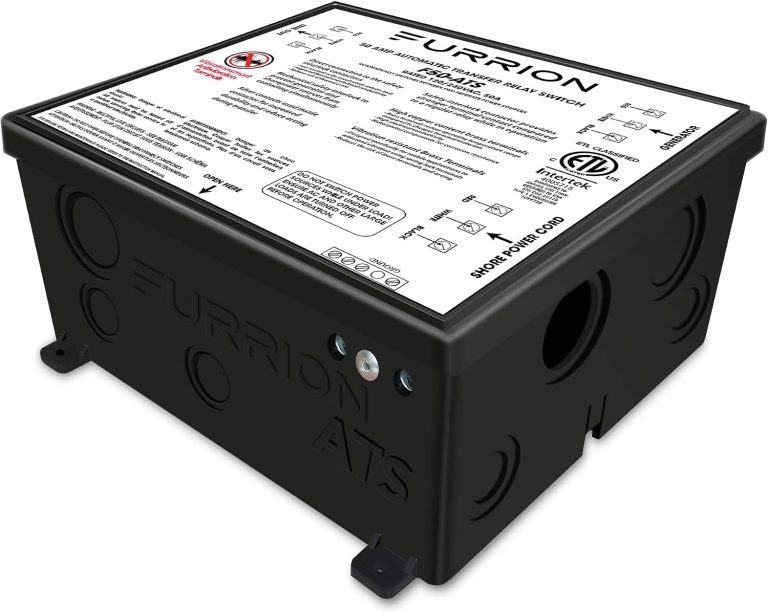
If you have a bonded neutral generator and a whole-house transfer switch, you likely need a switched neutral. This type of switch lifts the generator’s neutral bond when it’s connected to your home. It prevents that dangerous double bond we talked about.
Whole-House Generators and Neutral Switching
Automatic standby generators are usually installed with a transfer switch that handles the neutral. These generators are permanently wired into your home. The transfer switch disconnects the utility neutral and connects the generator neutral.
This is important because standby generators are typically bonded neutral. The transfer switch acts as a bridge. It makes sure only one neutral-to-ground bond exists at any time. That’s the safe way to do it.
Portable Generators With Extension Cords
If you’re just using a portable generator with extension cords, you don’t have a transfer switch at all. Your generator’s neutral bond is fine. You’re not connecting to your home’s wiring system. No neutral switching needed.
But if you have a portable generator connected to a manual transfer switch, check your generator’s manual. Some portable generators have a floating neutral. Those work fine with standard transfer switches. For portable generators, our guide to the best manual transfer switch kits can help you choose one that matches your neutral setup.
How to Check Your Generator’s Neutral Type
You can look for a sticker or tag on your generator. It often says “bonded neutral” or “floating neutral.” If you can’t find it, check the manual or contact the manufacturer.
Another way is to use a multimeter. With the generator off, test continuity between the neutral prong on an outlet and the generator frame. If you get a reading, it’s bonded. No reading means floating.
Electrical Codes and Neutral Requirements
The National Electrical Code (NEC) has specific rules about this. Many local codes follow the NEC. Understanding these rules helps you stay safe and pass inspections.
The NEC requires that the neutral and ground be bonded at only one point in a separately derived system. A generator is a separately derived system. That means you must have exactly one bond between neutral and ground.
What the NEC Says About Transfer Switches
According to NEC Article 702, optional standby systems have specific requirements. The transfer switch must be listed for the purpose. Some transfer switches are listed for use with bonded neutral generators. Others require a floating neutral generator.
Many inspectors will ask about your generator’s neutral configuration before approving an installation. It’s not just a technical detail. It’s a safety requirement.
Why Some People Ignore This and Get Away With It
We found that many homeowners have run bonded neutral generators with standard transfer switches for years without issues. That doesn’t mean it’s safe. It just means the problem hasn’t manifested yet.
The danger is subtle. A double bond can cause small amounts of current on ground wires. Over time, that can corrode wires or cause nuisance tripping. In a worst-case scenario, someone gets a shock.
Practical Steps to Check Your Setup
You don’t need to be an electrician to figure this out. You just need to do a little homework. Here’s a simple process we recommend to anyone with a generator and transfer switch.
Step-by-Step Checklist for Your Neutral Configuration
- Find your generator’s manual and check if it says “bonded” or “floating” neutral.
- Check your transfer switch model number and look up its specifications online.
- Look for a label on your transfer switch that mentions neutral switching or solid neutral.
- If you have a bonded neutral generator, see if the manufacturer includes instructions for floating it.
- Call a licensed electrician if you’re unsure about any of these steps.
- Schedule a quick inspection to confirm your setup is code-compliant.
That last step is important. A licensed electrician can verify your setup in minutes. It’s a small investment for peace of mind.
Common Transfer Switch Types and Their Neutral Handling
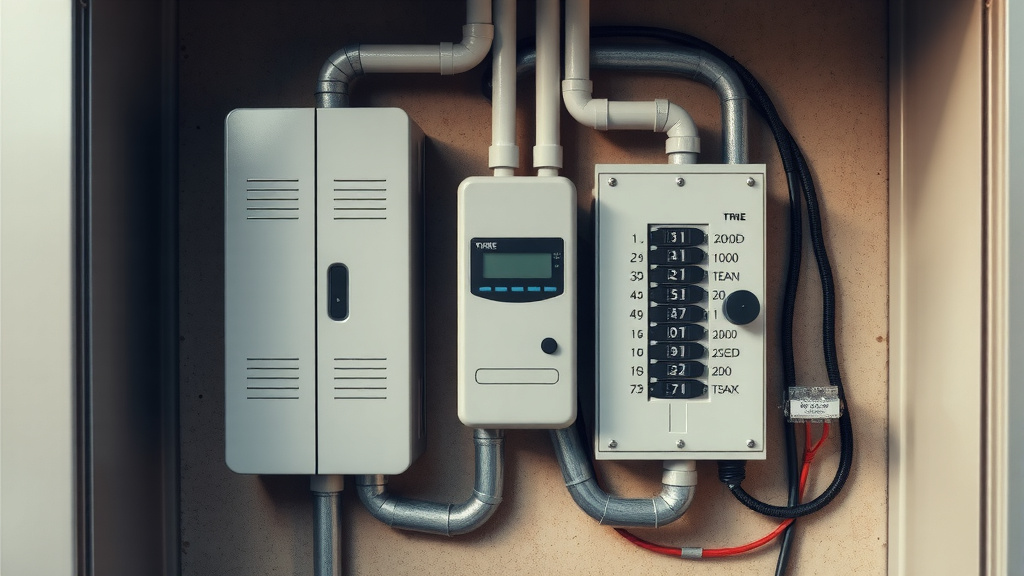
| Transfer Switch Type | Neutral Handling | Best For |
|---|---|---|
| Standard manual | Neutral stays connected | Floating neutral generators |
| Switched neutral manual | Neutral is switched | Bonded neutral generators |
| Automatic with bypass | Neutral is switched | Standby generators |
| Relay-based interlock | Neutral stays connected | Floating neutral generators |
What Happens If You Get It Wrong
The consequences of a wrong neutral setup range from annoying to dangerous. Let’s be honest about what can happen. You might notice your generator runs fine but your GFCI outlets trip constantly. That’s a sign of a neutral-ground bond issue.
Worse, you could create a shock hazard. A double bond means current can flow through grounding paths. That includes metal conduit, appliance frames, and even wet surfaces in your basement.
The National Electrical Safety Foundation and other safety organizations emphasize that improper generator connections cause hundreds of injuries each year. Many of these come from neutral and ground mix-ups.
Signs Your Neutral Setup Is Wrong
- GFCI outlets trip when the generator is running but not when on utility power.
- You feel a slight tingle when touching metal appliance cases.
- Lights flicker or change brightness when you plug things in.
- Your generator’s breaker trips randomly under normal load.
- You hear a humming sound from your electrical panel.
Making the Right Choice for Your Home
Here’s the bottom line. Most homes with floating neutral portable generators and standard transfer switches are fine. If you have a bonded neutral generator, you have two choices. Float the generator’s neutral or buy a switched neutral transfer switch.
Floating a bonded neutral generator is often simple. Many manufacturers include instructions for it. You just remove a screw or strap inside the generator’s connection panel. Check your manual first.
A switched neutral transfer switch is the more robust option. It costs more and is slightly harder to install. But it gives you flexibility to use different generators in the future.
When to Call a Professional
We always recommend hiring a licensed electrician for any permanent generator connection. It’s not worth risking your life or your home’s wiring system. A professional will ensure everything is code-compliant and safe.
They’ll also check that your generator’s neutral configuration matches your transfer switch. This is something many DIYers overlook. It’s an easy mistake to make and a hard one to spot without proper training.
The cost of hiring an electrician is usually a few hundred dollars. That’s a small price compared to the cost of rewiring your home after a fire or dealing with an electrical injury. Safety first, always.
Conclusion
So, does a generator transfer switch disconnect the neutral? In most cases, no. Standard transfer switches keep your neutral connected, which works perfectly for floating neutral generators.
You only need a switched neutral setup when you have a bonded neutral generator. Getting this right matters. A double bond can create a shock hazard and violate electrical codes.
Check your generator’s manual today. Find out if you have a bonded or floating neutral. Then verify your transfer switch matches. If you’re not sure, call a licensed electrician. They can confirm your setup is safe in minutes. It’s worth the peace of mind to protect your home and family.
Frequently Asked Questions
Can I use a bonded neutral generator with a standard transfer switch?
Technically, you can, but we don’t recommend it. You’d create two neutral-to-ground bonds, which is a code violation and a safety hazard. You’d need to float the generator’s neutral first or use a switched neutral transfer switch instead.
How do I know if my generator has a bonded or floating neutral?
Check the generator’s manual or look for a label near the connection panel. You can also use a multimeter to test continuity between the neutral prong and the generator frame. A reading means bonded. No reading means floating.
Will a generator transfer switch shock me if the neutral is wrong?
It could. A double bond creates parallel paths for current through ground wires. That means metal appliance housings might carry electricity. Touching them could give you a shock. That’s why getting the neutral configuration right is so important.
Do I need a transfer switch that switches the neutral for a standby generator?
Most automatic standby generators require it. These generators typically have a bonded neutral. The transfer switch disconnects the utility neutral and connects the generator neutral. This keeps only one bond in the system at any time, which is the safe and code-compliant setup.
Can I just remove the bonding strap on my generator myself?
Many manufacturers allow this, and it’s often a simple process. You’ll typically remove a screw or a metal strap inside the generator’s connection panel. But check your manual first to make sure it’s safe for your specific model. If you’re unsure, we recommend having an electrician do it.