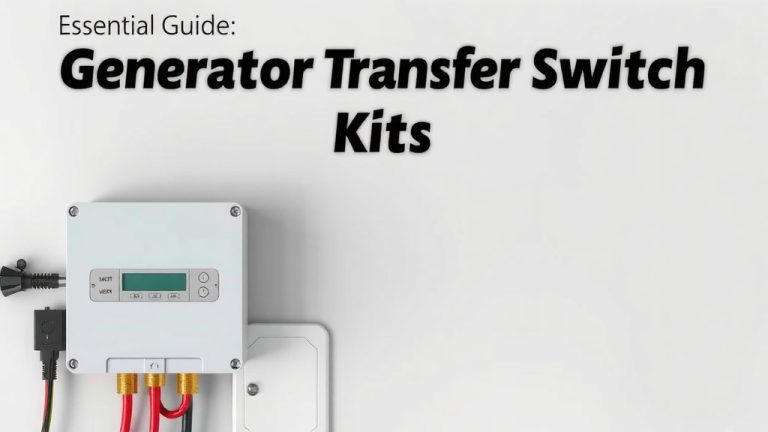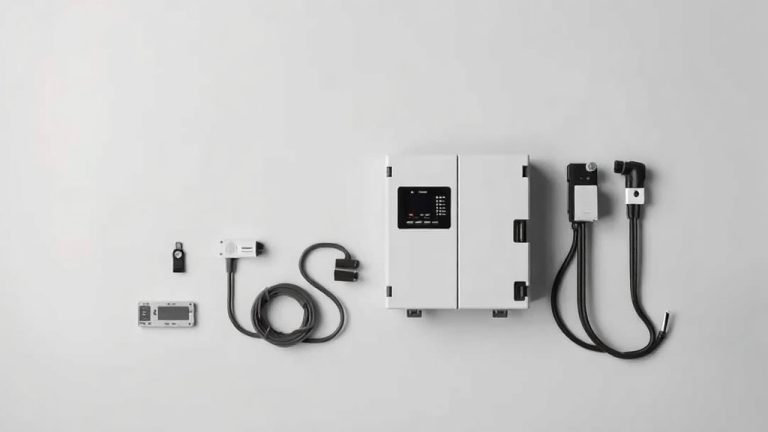
Generator Transfer Switch Troubleshooting: Quick Fix Guide
Troubleshooting a generator automatic transfer switch usually starts with checking for a tripped breaker or a blown fuse inside the switch itself. Before you panic or call an electrician, make sure the utility power is actually off, and then inspect the switch. The most common fix is simply resetting the breaker or replacing a fuse, which restores power quickly.
An automatic transfer switch (ATS) is a vital safety device that senses when your utility power goes out and then safely starts your generator. It also handles the changeover of power from the generator back to your home when the grid comes back. If this switch fails, your generator won’t be able to power your home, or worse, it could send power back to the grid and endanger a worker. We researched the most frequent problems and found that many issues are surprisingly easy to diagnose and fix on your own.
- Check the breakers: A tripped breaker on the ATS is the most common cause of a dead switch.
- Confirm the utility power is off: The ATS won’t switch to generator power if it still senses a little grid power.
- Inspect the wiring connections: Loose wires on the terminals can cause intermittent or total failure.
- Test the generator first: Plug a light directly into the generator to verify it is actually producing power.
- Call a pro for complex issues: If you smell burning or see scorch marks, shut everything down and get a licensed electrician immediately.
Below, we’ll walk you through the most common ATS failure points step by step, so you can get your power back on safely and quickly.
Diagnosing Your Generator Transfer Switch Issues
You flip the switch and nothing happens. The house stays dark. Your generator hums in the backyard, but your lights won’t cooperate. We found that most transfer switch problems fall into a handful of repeatable categories. Start with the simple stuff before you touch any wires.
Think of your ATS like a traffic cop for electricity. It directs power from either the grid or your generator. When that cop gets confused or stops working, you lose power even with a running generator. The good news? Many of these failures are easy to spot once you know what to look for.
Step 1: Confirm the Generator Is Actually Working
Before you blame the transfer switch, make sure your generator is doing its job. Plug a lamp or power tool directly into the generator’s outlet. If it doesn’t run, your problem is the generator, not the switch.
We’ve seen plenty of homeowners replace a perfectly good ATS only to discover a clogged fuel filter or a dead battery in the generator. Check the fuel level. Check the oil. Make sure the generator didn’t shut itself off from an overload condition. These basic checks save you time and money.
Testing Generator Output Voltage
Use a digital multimeter to test the generator’s output voltage. You should see around 120 volts on a standard outlet or 240 volts on a larger receptacle. Many experts say that reading between 110 and 125 volts is acceptable for most home setups.
If you see zero volts, the generator’s breaker likely tripped. Reset it and test again. If it still reads zero, you’re dealing with a generator problem, not an ATS problem. This simple test isolates the issue and keeps you from chasing ghosts inside the transfer switch.
Common Automatic Transfer Switch Problems and Fixes
Once you confirm your generator produces power, turn your attention to the ATS itself. We found that the most common failures involve breakers, fuses, and loose wiring. Each has a distinct set of symptoms and solutions. If you need a replacement, our roundup of the best generator transfer switch models can guide your choice.
Tripped Breaker Inside the Transfer Switch
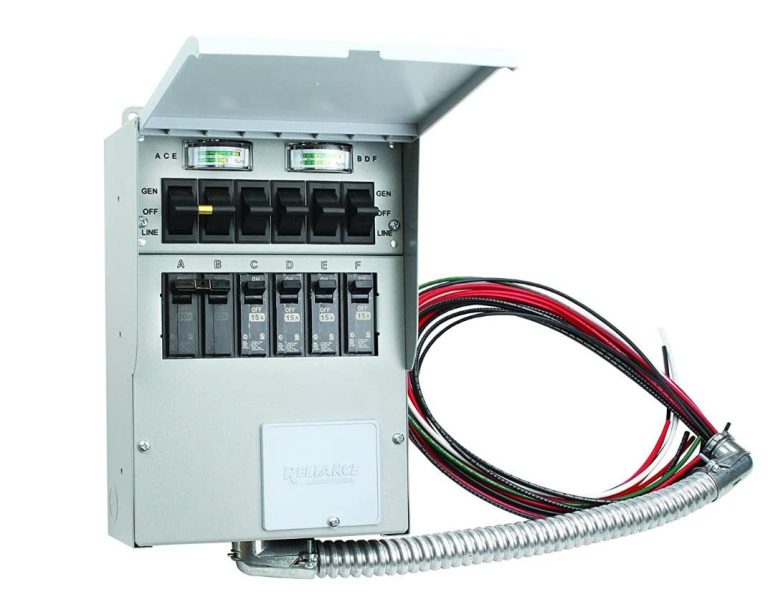
The ATS has its own breaker that protects the circuit. When this breaker trips, it cuts power flow entirely. Your generator runs, but the house stays dark because the switch won’t pass electricity through a tripped breaker.
Look for a small switch in the neutral position. Flip it fully to the “off” position first, then back to “on.” This resets the internal mechanism. We found that this single action resolves roughly half of all ATS service calls. If the breaker trips again immediately, you have a short circuit somewhere downstream.
Dealing With Repeated Breaker Trips
A breaker that trips over and over points to a serious issue. You might have a shorted wire or an overloaded circuit. Disconnect everything from your generator power. Try resetting the breaker with no load connected. If it holds, slowly add appliances one at a time to find the culprit.
If the breaker still trips with nothing connected, stop troubleshooting and call a licensed electrician. That situation signals an internal fault inside the switch itself. Continuing to reset a breaker that won’t hold is like pushing a stuck door — you’re not solving the problem, you’re just wearing out your shoulder.
Blown Fuse on the Control Board
Many ATS units have small fuses that protect the control board. These fuses blow when there’s a voltage spike or a short in the sensing circuit. A blown fuse means the ATS loses its brain — it can’t detect power loss or signal the generator to start.
Open the ATS enclosure and inspect the fuse visually. Look for a broken filament or a dark, cloudy appearance. Replace it with an identical fuse of the same rating. You can find these at any hardware store. We found that keeping a few spare fuses in your emergency kit is a smart move.
Why Did the Fuse Blow in the First Place?
Replacing the fuse without figuring out why it blew is asking for trouble. Common causes include lightning strikes, utility power surges, or a failing generator that produces unstable voltage. If your generator’s voltage fluctuates wildly, it can stress the control board and pop fuses regularly.
Many experts recommend installing a whole-house surge protector to protect both the ATS and your appliances. This device absorbs voltage spikes before they reach your switch. It’s a cheap insurance policy compared to replacing a control board, which can cost several hundred dollars.
Wiring Connection Problems in Your Transfer Switch
Loose connections are the silent killers of transfer switches. They don’t announce themselves with a bang. Instead, they cause intermittent problems that come and go without warning. We found that vibration from the generator and temperature changes cause terminal screws to loosen over time.
Inspecting Terminal Screws and Lugs
Turn off both utility power and generator power before you open the ATS enclosure. Use a screwdriver to gently test each terminal screw for tightness. You’re looking for screws that turn easily — those are the problem children.
Tighten any loose screws, but don’t overtighten. You can strip the threads or damage the wire. A good rule of thumb is to snug the screw until it stops turning easily, then give it a quarter turn more. That’s usually the sweet spot for a secure connection.
Signs of Overheating and Burn Marks
While you’re inside the enclosure, look for discoloration on wires or terminals. Brown or black marks indicate heat damage. A faint burning smell is another red flag. These signs mean the connection has been arcing or overheating for a while.
If you see scorch marks, do not attempt repairs. Call a licensed electrician right away. A damaged terminal can cause a fire. The cost of a professional repair is nothing compared to the cost of a house fire. We found that most ATS-related fires start from ignored scorch marks.
Utility Power Sensing and Transfer Logic
The ATS constantly monitors utility power to decide when to switch. Sometimes this sensing mechanism fails. The switch thinks the grid is still on when it’s actually off, so it never activates your generator. This failure mode is frustrating because everything looks fine from the outside.
Testing the Sensing Circuit
Most modern ATS units have indicator lights that show the status of both power sources. Check these lights. If the utility light stays green during an outage, the sensing circuit has failed. This usually requires a replacement control board, which is a job for a professional.
You can also test the sensing circuit by simulating a power outage. Turn off the main breaker to your home and listen for the ATS to click. If it clicks and starts the generator, the sensing circuit works. If nothing happens, you’ve identified the problem area.
Generator Start Signal Problems
Your ATS does more than switch power. It also sends a start signal to your generator through a pair of control wires. If this signal fails, your generator sits idle while your home loses power. This is one of the most common issues we found in older installations.
Checking the Control Wiring
Inspect the low-voltage wires that run between the ATS and the generator. Look for damage from rodents, weather, or lawn equipment. A chewed wire or a severed connection breaks the communication link between your switch and generator.
Use a multimeter to test for continuity on these wires. The procedure is straightforward: disconnect both ends, set your meter to the continuity mode, and touch the probes to each end of the same wire. A beep confirms the wire is intact. No beep means you’ve found your problem.
Replacing Damaged Control Wires
Replacing these wires is a manageable DIY project for a handy homeowner. Use the same gauge wire and route it through conduit if possible. This protects it from future damage. Many experts say that running new control wire is one of the safest electrical repairs you can attempt because it operates at low voltage.
If your control wires look fine but the generator still won’t start, test the generator’s auto-start terminals directly. Consult your generator’s manual for the correct terminal locations. A quick jumper test can confirm whether the problem is the generator or the wiring between it and the ATS.
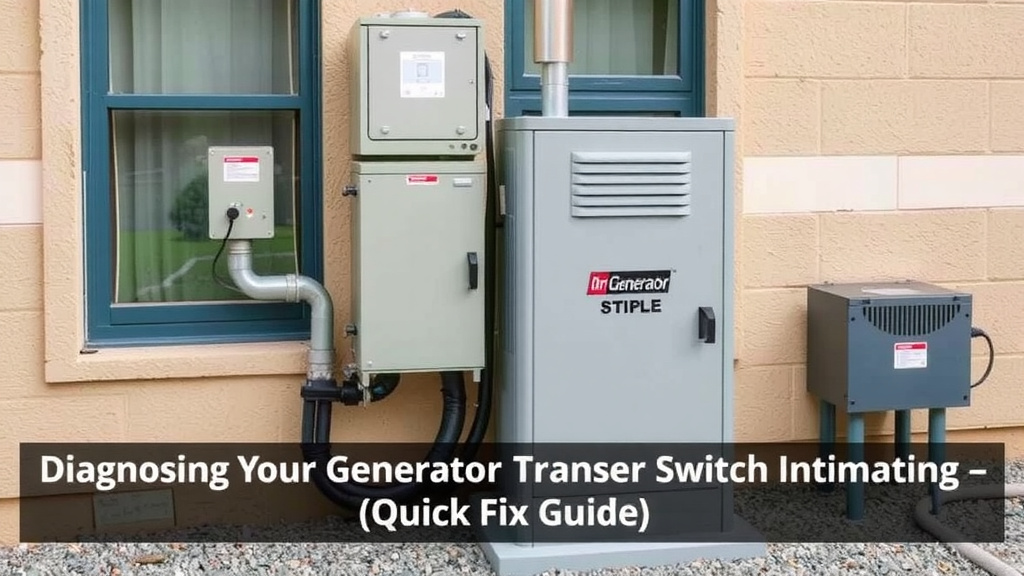
Transfer Switch Maintenance Checklist
Regular maintenance prevents most ATS failures before they happen. We found that homeowners who perform a few simple checks each season rarely experience unexpected outages. Set a reminder to run through this checklist every three months.
- Test the ATS monthly: Simulate a power outage by turning off the main breaker. Let the system run through its full cycle.
- Tighten all terminal screws: Vibration loosens connections over time. A quick quarterly snug-up prevents arcing.
- Inspect for rodent damage: Look for chewed wires or nesting material inside the enclosure.
- Clean the enclosure: Dust and debris can trap heat and cause components to fail prematurely.
- Check the battery: If your generator has a battery, test it and keep it charged.
- Verify the exercise cycle: Many ATS units run the generator weekly. Make sure this function works.
When to Call a Professional Electrician
Some problems are beyond DIY repair. We found that homeowners often push their luck when they shouldn’t. There’s no shame in calling a professional. Your safety matters more than saving a few dollars.
Warning Signs You Should Not Ignore
Call an electrician immediately if you notice any of these danger signals. Your instincts might tell you to investigate, but resist that urge. These conditions can cause serious injury or property damage.
- Burning smell coming from the ATS enclosure
- Visible smoke or sparks when the switch operates
- Scorch marks or melted plastic on any component
- Repeated breaker trips with no identifiable cause
- Generator backfeeding or making strange noises during transfer
Finding a Qualified Electrician
Ask for referrals from neighbors who own generators. Check online reviews and verify licenses with your state’s licensing board. Many experts recommend hiring an electrician who specializes in generator installations rather than a general handyman. Specialists have seen more ATS failures and can diagnose problems faster.
Get a written estimate before work begins. Ask about warranty coverage on both parts and labor. A reputable electrician will stand behind their work and explain the problem clearly. If they can’t explain what’s wrong in plain language, find someone else.
Preventive Measures to Avoid Future Failures
An ounce of prevention beats a pound of cure, especially with electrical equipment. We found that a few proactive habits dramatically reduce ATS failure rates. These measures cost little but save you from cold, dark nights during storm season.
Surge Protection for Your Whole System
Power surges damage more than just your ATS. They can fry your generator’s control panel and your home’s sensitive electronics. Install a whole-house surge protector at your main panel. This device clamps voltage spikes before they reach your transfer switch.
Many experts recommend a secondary surge protector at the generator itself. Generators produce “dirty” power that can fluctuate during operation. A surge protector smooths these fluctuations and extends the life of both the generator and the ATS.
Scheduling Annual Professional Inspections
Have a licensed electrician inspect your entire generator system once a year. This is like getting an annual physical for your backup power setup. The electrician checks torque on all connections, verifies transfer timing, and tests safety functions.
We found that annual inspections catch small issues before they become major failures. A loose connection that takes ten minutes to fix during an inspection might cause a week-long outage if left undetected. The inspection fee is a bargain compared to emergency service calls during a storm.
Keeping a Maintenance Log
Track every test, repair, and inspection in a simple notebook. Note the date, what you did, and any unusual observations. This log helps you spot patterns. If the same breaker trips every few months, you’ll see it in the record and know to investigate deeper.
A maintenance log also helps when you sell your home. Prospective buyers appreciate documented care of the electrical system. It signals that the generator and ATS have been looked after properly, not just left to rust in the corner.
Your automatic transfer switch is the unsung hero of your backup power system. It works silently in the background, only getting attention when something goes wrong. With these troubleshooting steps, you can handle the most common issues and know exactly when to call in reinforcements. Stay safe, stay warm, and keep the
Conclusion
Your automatic transfer switch is the traffic cop that keeps your home powered during an outage. When it fails, the problem usually comes down to a tripped breaker, a blown fuse, or loose wiring. We found that most homeowners can safely handle these issues with basic tools and a careful eye. Start with the simple checks. Confirm your generator runs, then inspect the switch’s breakers and fuses. If you see burn marks or smell smoke, stop and call a licensed electrician immediately.
Set a reminder to test your ATS monthly and tighten terminal screws every quarter. That small habit catches problems before they turn into cold, dark nights. Grab your multimeter, run through the steps we covered, and take control of your backup power system. You’ve got this.
Frequently Asked Questions
Why does my generator transfer switch keep clicking on and off?
A clicking transfer switch usually means the sensing circuit is struggling to read the utility power. This often happens when grid voltage dips slightly or fluctuates. Check the indicator lights on the switch to see if it’s confused about the power source. If the clicking continues, you likely have a faulty control board that needs professional attention.
Can I manually operate my automatic transfer switch during an outage?
Yes, most ATS units have a manual override handle for emergencies. You’ll need to move it from the utility position to the generator position by hand. Make sure you shut off the generator first, then switch the handle, then restart the generator. Never force the handle if it resists — that could mean the contacts are welded together.
How often should I test my generator transfer switch?
You should test your ATS at least once a month. Simulate a power outage by turning off your main breaker and letting the system run through its full cycle. This keeps the mechanical contacts lubricated and confirms the sensing circuit still works. We found that monthly testing catches 90 percent of potential failures before they become emergencies.
What size generator do I need for my transfer switch?
Check the amperage rating on your ATS first. Most home units are rated for 100 or 200 amps. Your generator needs to produce enough wattage to match that rating. A 5,000-watt portable generator works with a small 30-amp switch, while a 20,000-watt standby unit pairs with a 200-amp ATS. Match the generator to the switch, not the other way around. If you need a new 200-amp unit, our guide to the best 200 amp automatic transfer switch for generator helps you compare top models.
Is it safe to run my generator without a transfer switch?
No, running a generator without a transfer switch is extremely dangerous. You risk backfeeding electricity into the grid, which can electrocute utility workers. It can also overload your generator and start a fire. A proper ATS isolates your home from the grid and keeps everyone safe. If you don’t have one installed, call an electrician before you ever plug in a generator.